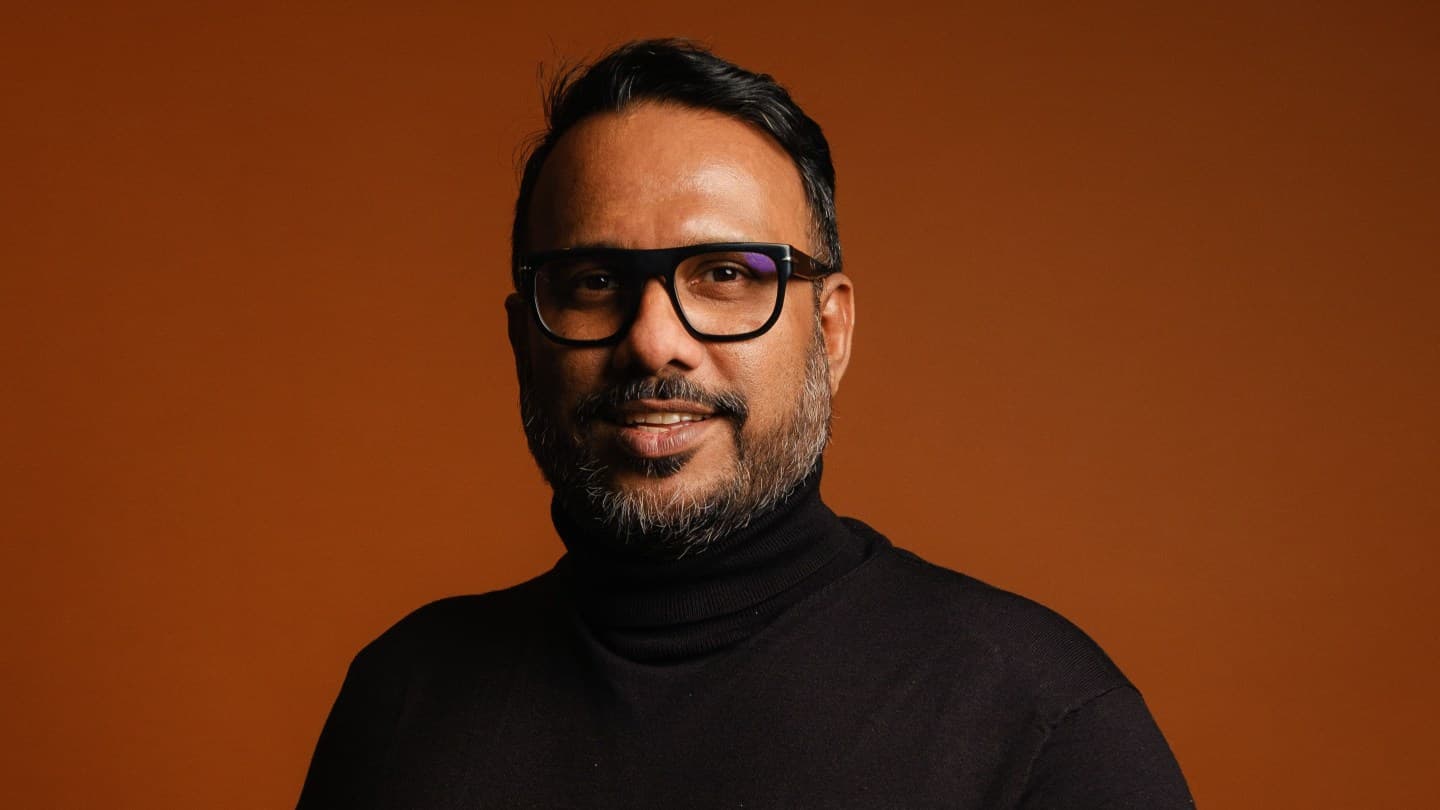
The executive charged with leading the Discovery Campus at Tallinn’s Baltic Event has a message for the next generation of filmmakers that is as practical as it is pointed: study your heroes closely, then improve on them. In an industry where apprenticeship has long been romanticized, the campus head argues that mentorship should be treated less as a tribute and more as a working method - a way of passing down hard-won knowledge while explicitly inviting students to surpass it.
That philosophy sits at the heart of the Discovery Campus, the training and development wing tied to the Baltic Event, the industry platform held alongside the Black Nights Film Festival in Tallinn, Estonia. Rather than treating film school and the professional world as separate stages, the campus positions itself as a connector between the two, bringing emerging filmmakers into contact with working producers, sales agents and festival programmers while their projects are still taking shape.
Education and Industry, Not Two Solitary Islands
The campus head’s central argument is that the divide between academia and the market is often artificial - and costly. Film students, in this view, are too frequently shielded from the commercial and logistical realities that will determine whether their work ever reaches an audience, while industry professionals tend to dismiss formal training as irrelevant once careers begin. Bridging the gap, the argument goes, benefits both sides: students gain a realistic picture of how films are financed, packaged and sold, and the industry gains fresh voices that have been prepared for its constraints rather than blindsided by them.
The “learn from the mistakes of mentors” framing is deliberately double-edged. It honors the experience of established figures while refusing to treat their careers as flawless templates. Emerging filmmakers are encouraged to examine not only what their predecessors got right but also where they went wrong - the projects that stalled, the partnerships that soured, the assumptions about audiences that proved mistaken - and to build their own practice accordingly.
A Campus Built Around Projects, Not Lectures
Consistent with that ethos, the Discovery Campus model leans on project-based development rather than passive instruction. Participants typically arrive with works in progress and move through feedback sessions that mix creative critique with strategic advice, an approach that treats a film as something simultaneously artistic and operational. The aim is to leave filmmakers with both a sharper script and a clearer plan for getting it made.
The setting matters, too. Tallinn’s position on the Baltic rim has helped the wider festival and its industry arm cultivate a reputation as a meeting point between Northern and Eastern European filmmaking traditions and the broader international market. For participants, that geography translates into access to a dense network of regional producers and funders alongside visiting guests from further afield - a combination that suits the campus’s bridge-building ambitions.
Mentorship as an Open Door, Not a Gate
The campus head’s broader point concerns culture. Mentorship, in this view, should function as an open door rather than a gate - an invitation to interrogate inherited wisdom rather than simply absorb it. That stance has particular resonance in an era when production tools are cheap, distribution channels are crowded and the traditional career ladder is being redrawn by streaming and short-form platforms. In such a landscape, the ability to question a mentor’s choices may matter as much as the ability to imitate them.
None of this is presented as a cure-all. The gap between training and industry is structural, sustained by financing models, festival gatekeeping and the sheer precarity of early careers. But the campus’s emphasis on exposure - putting students in rooms with people who actually greenlight, fund and sell films - represents a concrete attempt to narrow it, one cohort at a time.
For USA Film News readers watching the festival circuit for signs of where the next generation of filmmakers will come from, the Discovery Campus offers a useful case study: a small, regionally rooted initiative betting that the most durable education happens when the classroom and the market are forced into the same conversation - and when students are trusted to outgrow their teachers.
Source: The Hollywood Reporter