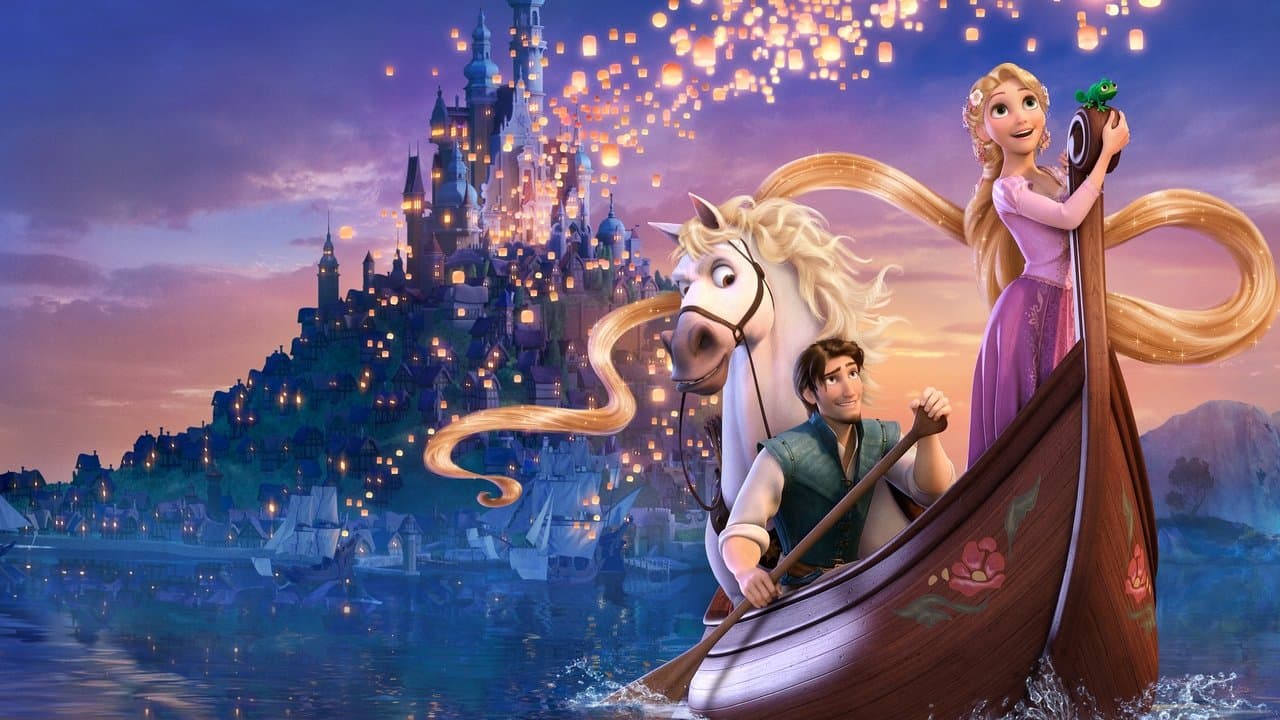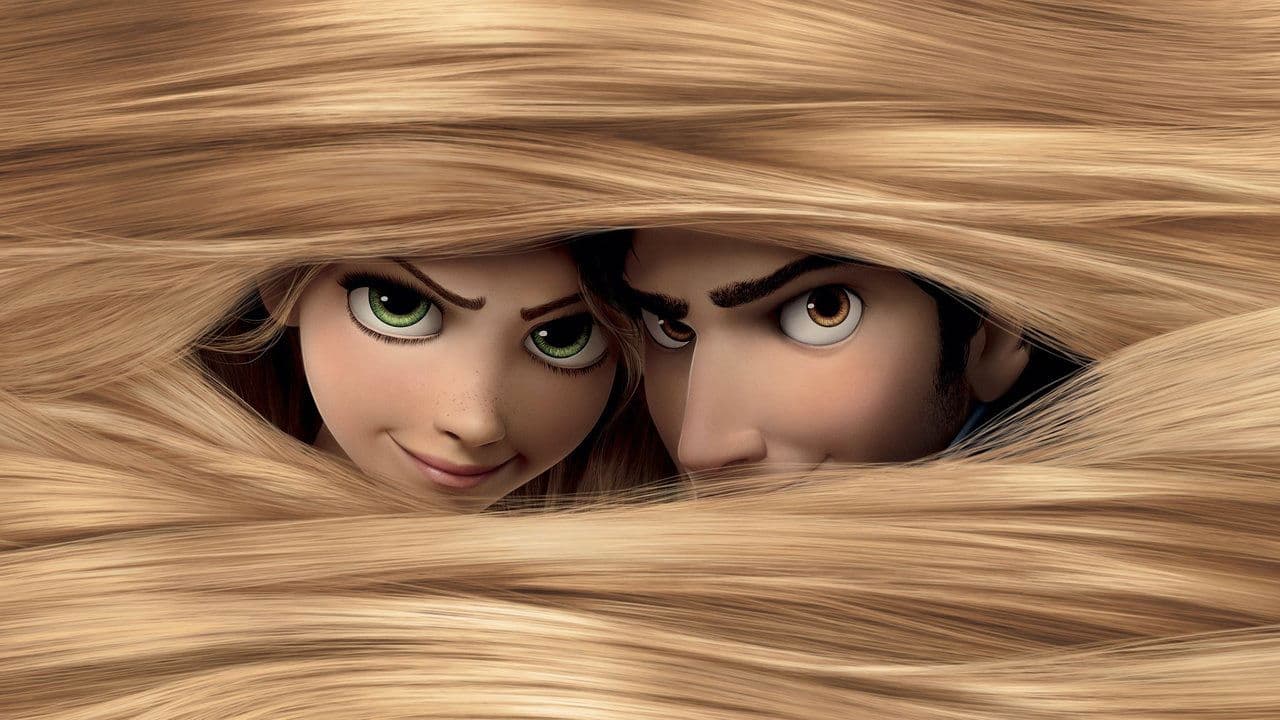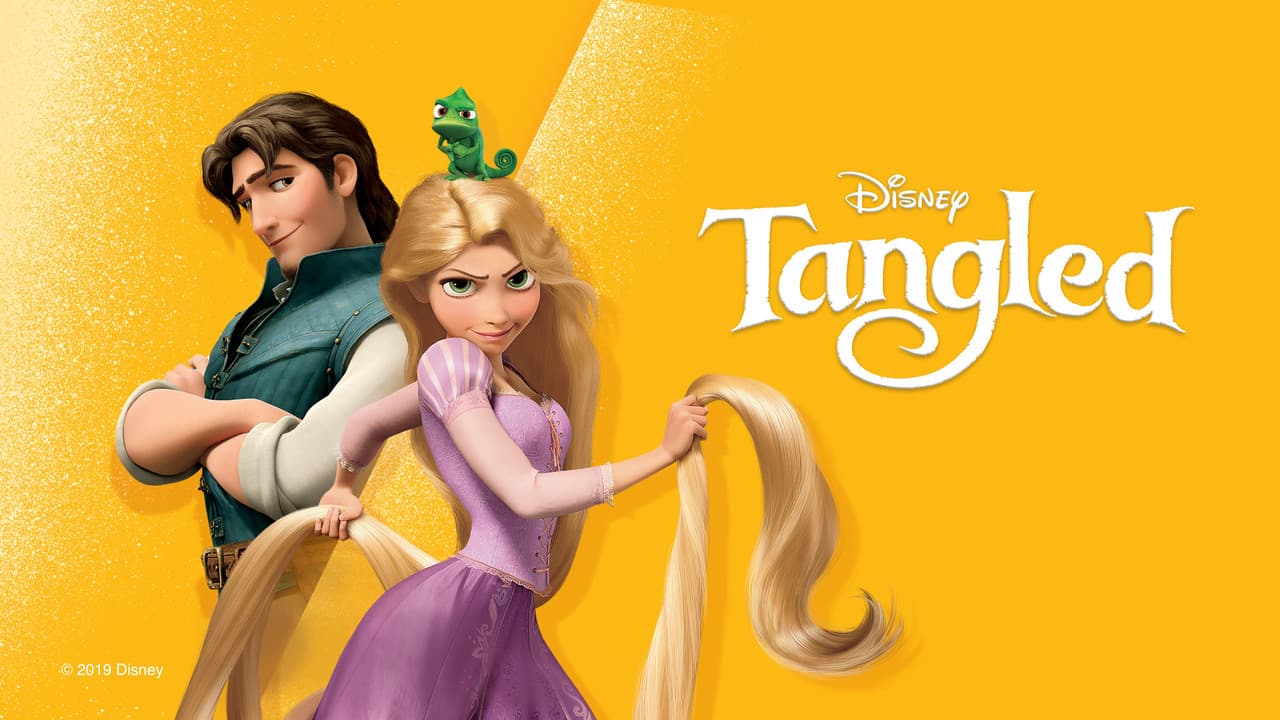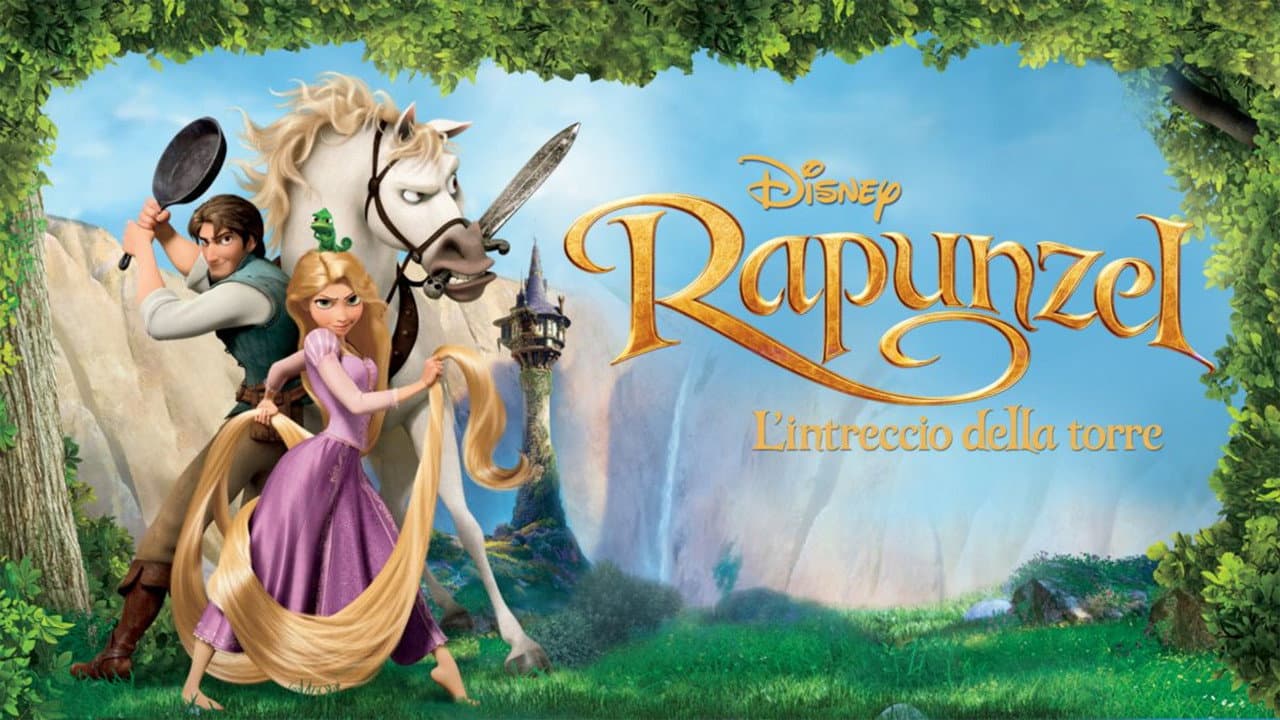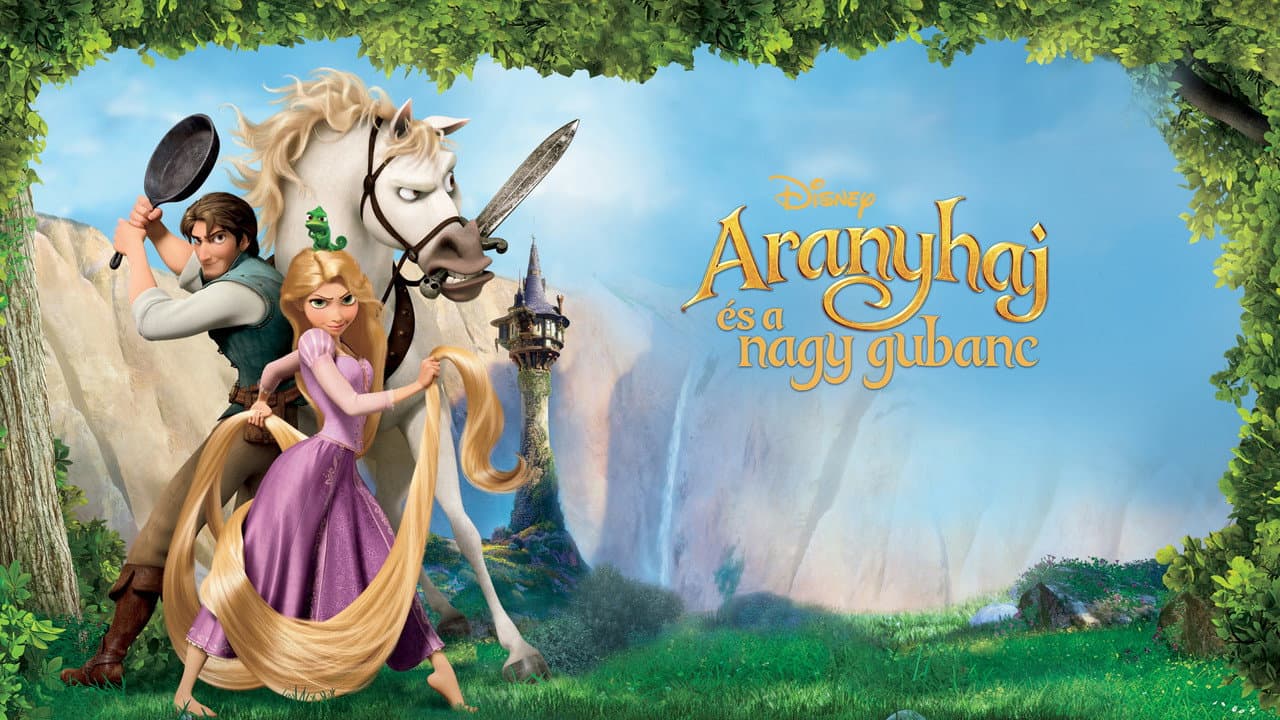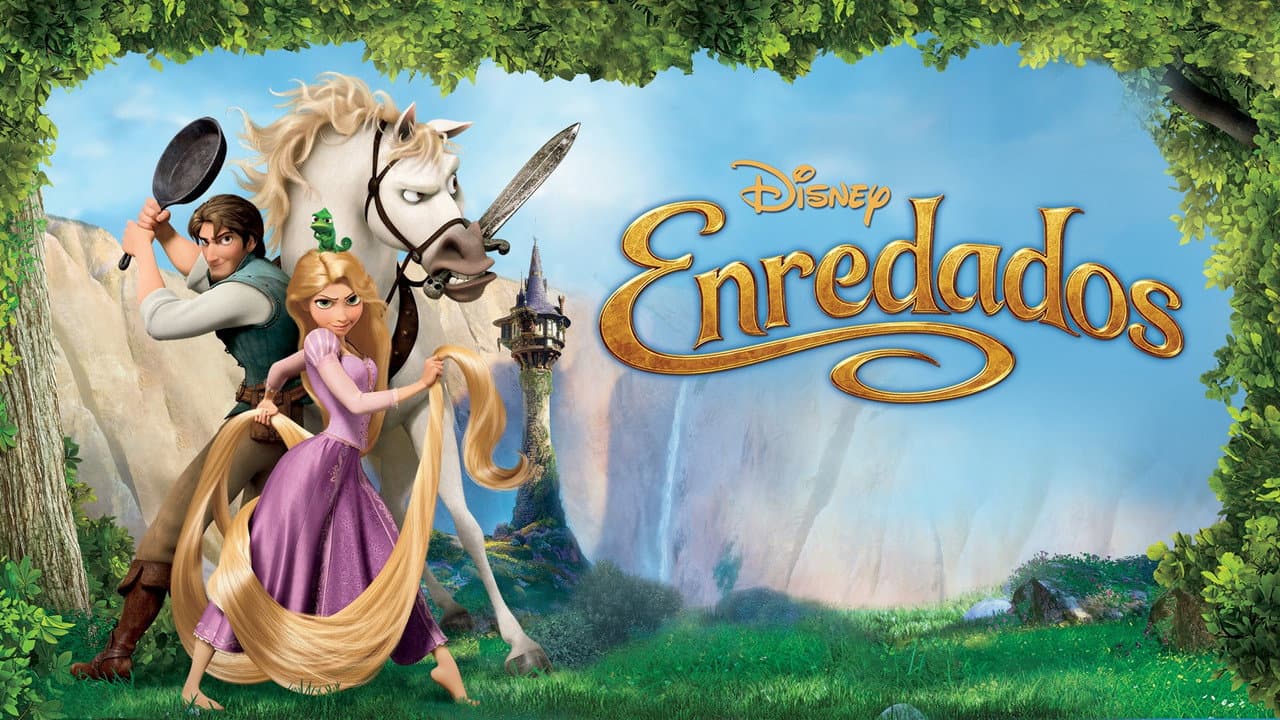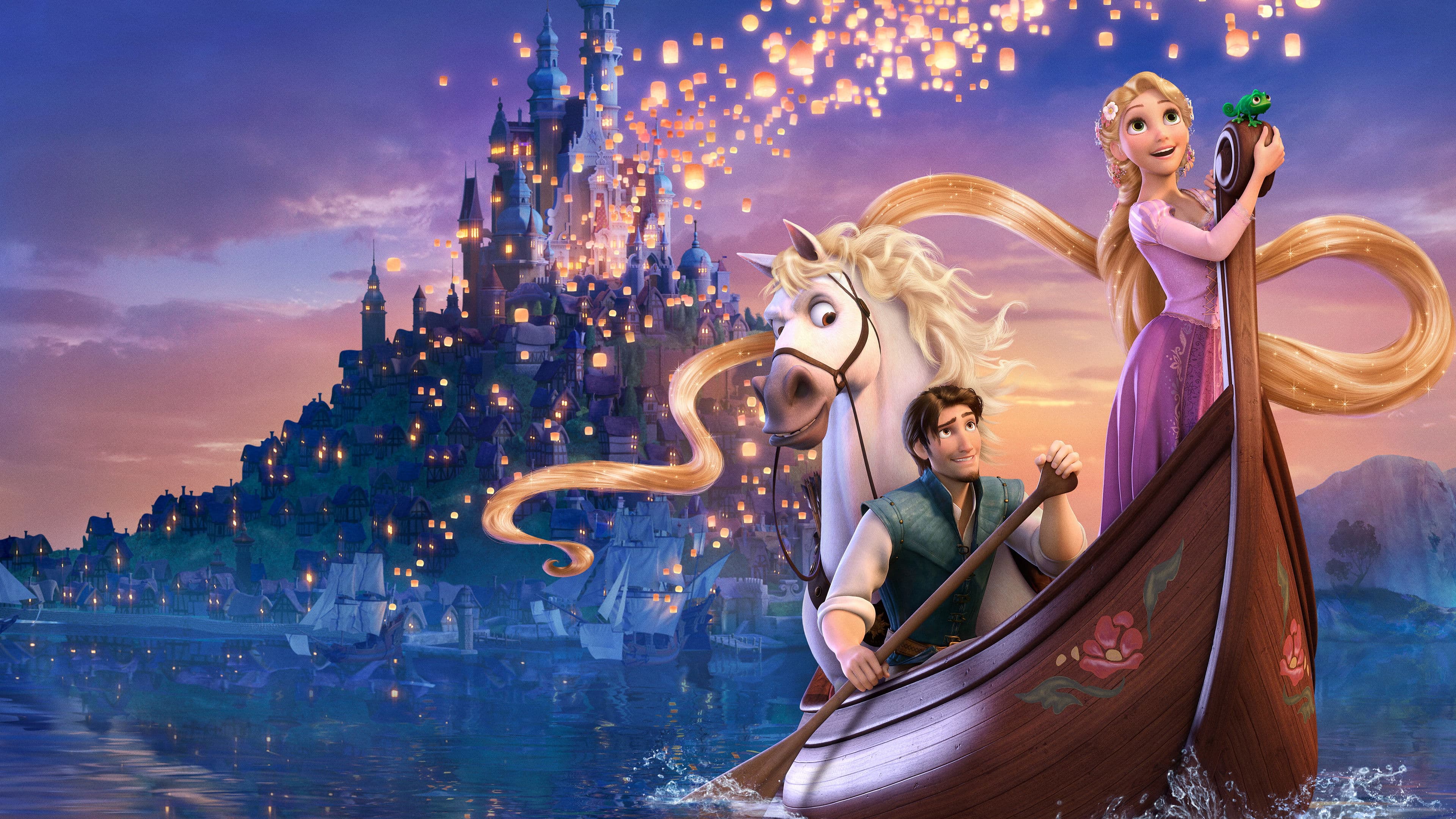
A decade and a half after Rapunzel first let down her hair, "Tangled" has accomplished something few animated features can claim: it has turned a fledgling studio's ambitious gamble into a production touchstone. Released on November 24, 2010, the Disney animated adventure - directed by Nathan Greno and running 100 minutes - remains a benchmark that emerging animation houses cite when mapping their own paths from concept to completion. Its blend of family-friendly comedy, adventure, and a musical heart has kept it in steady circulation, and its 7.6/10 rating on TMDb reflects an audience affection that has barely dimmed.
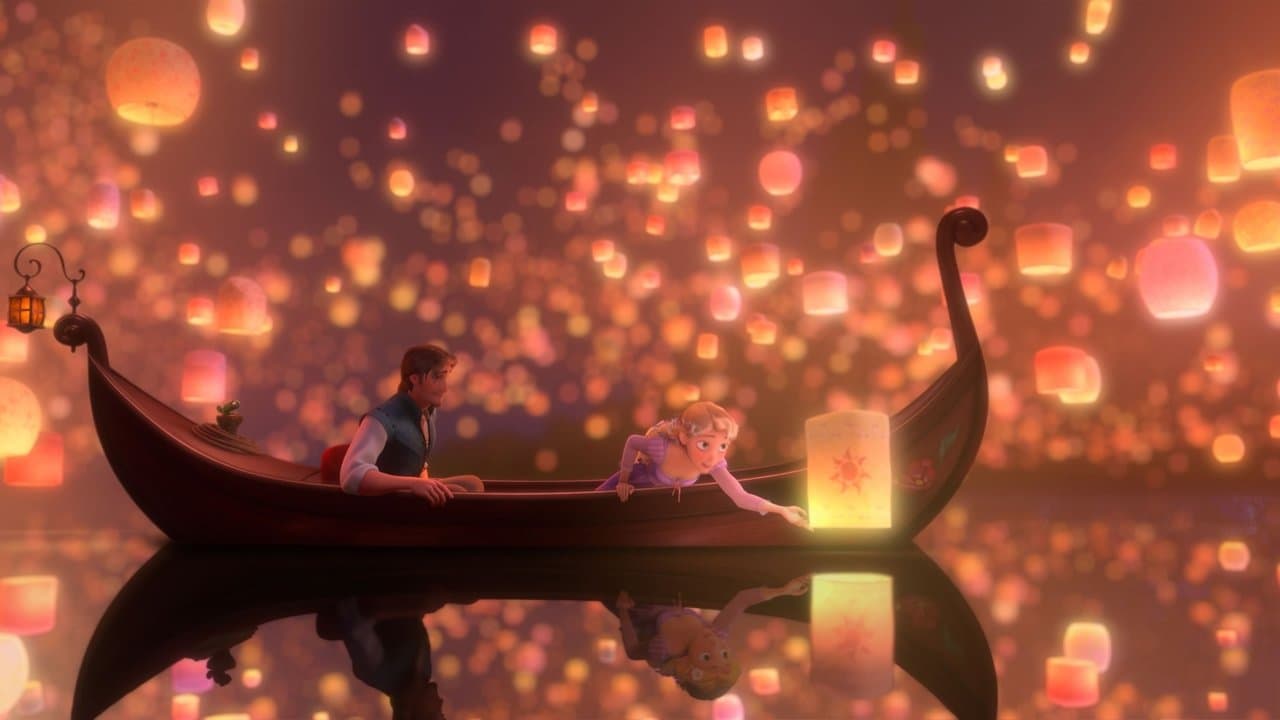
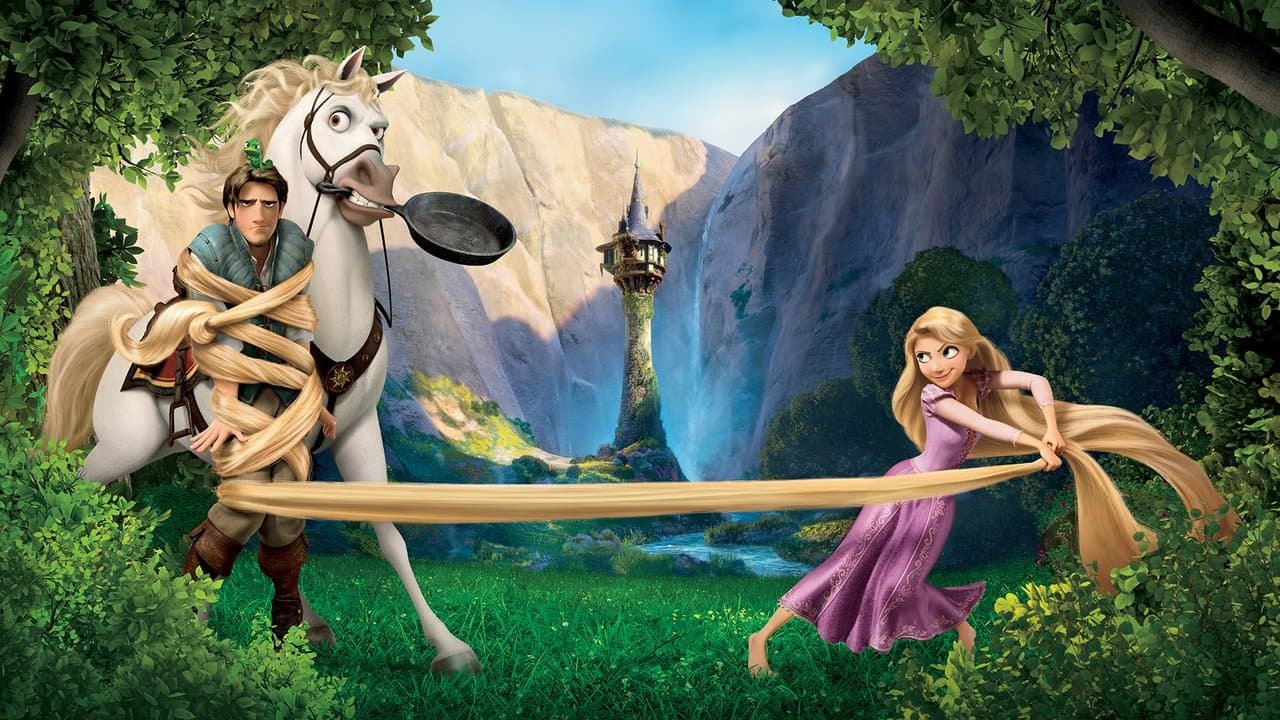
The film's premise is deceptively simple. Rapunzel, a feisty teenager blessed with long, magical hair, dreams of watching sky lanterns rise on her eighteenth birthday. Her overprotective mother keeps her confined to a tower, so Rapunzel strikes a bargain with Flynn Rider, a charming thief wanted by the authorities. What follows is an action-packed escapade that carries the pair far beyond the tower walls. That setup - a bounded protagonist, a roguish partner, a ticking-clock deadline - is precisely the kind of narrative engine that smaller studios study when they are trying to stretch limited resources into something that feels expansive.
A Voice Cast Built for Character
Much of the film's durability traces to its casting. Mandy Moore voices Rapunzel with a warmth that grounds the character's restless curiosity, while Zachary Levi brings a breezy charisma to Flynn Rider that keeps the thief likable even when his motives are suspect. Donna Murphy's Mother Gothel supplies the story's emotional friction, a protective parent whose control is anything but benign. The supporting roster is unusually deep for an animated feature: Ron Perlman as the Stabbington Brother, M.C. Gainey as the Captain of the Guard, Jeffrey Tambor as Big Nose Thug, Brad Garrett as Hook Hand Thug, and Paul F. Tompkins as Short Thug. That lineup gives the film a gallery of distinct voices rather than a blur of interchangeable side characters - a lesson in casting that up-and-coming studios have taken to heart.
Why the Production Became a Reference Point
For young animation teams, "Tangled" functions as a case study in how to balance spectacle against story. The film is classified as animation, family, and adventure, and it wears all three labels without straining. Its English-language Hollywood production, released in late 2010, arrived at a moment when studios were rethinking how much visual ambition a family film could carry. Fifteen years on, the takeaway for newcomers is less about technology than discipline: a clear goal for the heroine, a partnership with built-in conflict, and a runtime of 100 minutes that never overstays its welcome.
The story's central device - the lanterns - has proven especially instructive. It gives Rapunzel a concrete, visual desire that audiences can understand instantly and that the filmmakers can pay off in a single, memorable sequence. Studios working with modest budgets often struggle to find that kind of unifying image, and "Tangled" demonstrates how one well-chosen symbol can organize an entire narrative.
A Benchmark That Keeps Giving
None of this is to say the film is flawless or that it invented the modern animated fairy tale. But its staying power is measurable in the way it continues to be discussed - not as nostalgia, but as a working model. The combination of Moore and Levi's banter, Murphy's menacing warmth, and Greno's steady direction has made "Tangled" a reliable reference for teams trying to move from a promising short reel to a fully realized feature.
For an industry that constantly cycles through new talent, that is a notable legacy. A film released in 2010, with a 7.6/10 audience rating and a voice cast that reads like a wish list, has become the yardstick by which ambitious newcomers measure their own reach. Rapunzel wanted to see the lanterns; a generation of animators wants to see what she saw - a story that travels far beyond its tower.
Source: The Hollywood Reporter