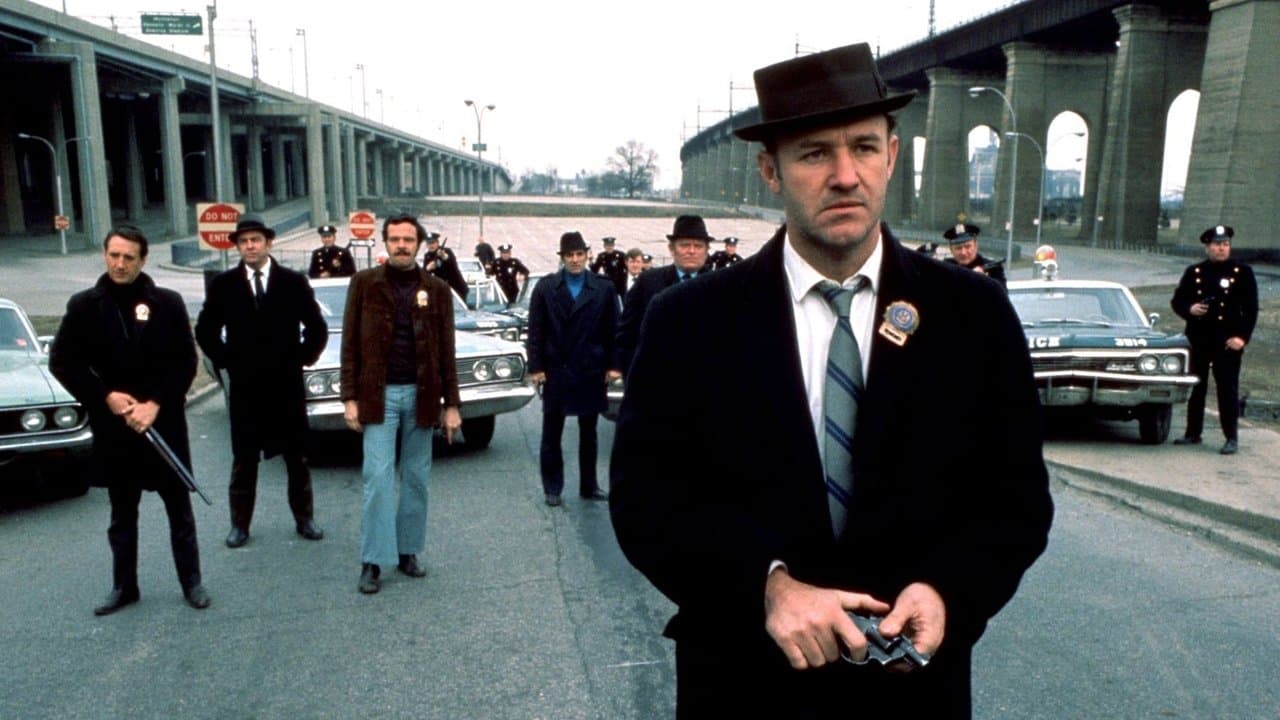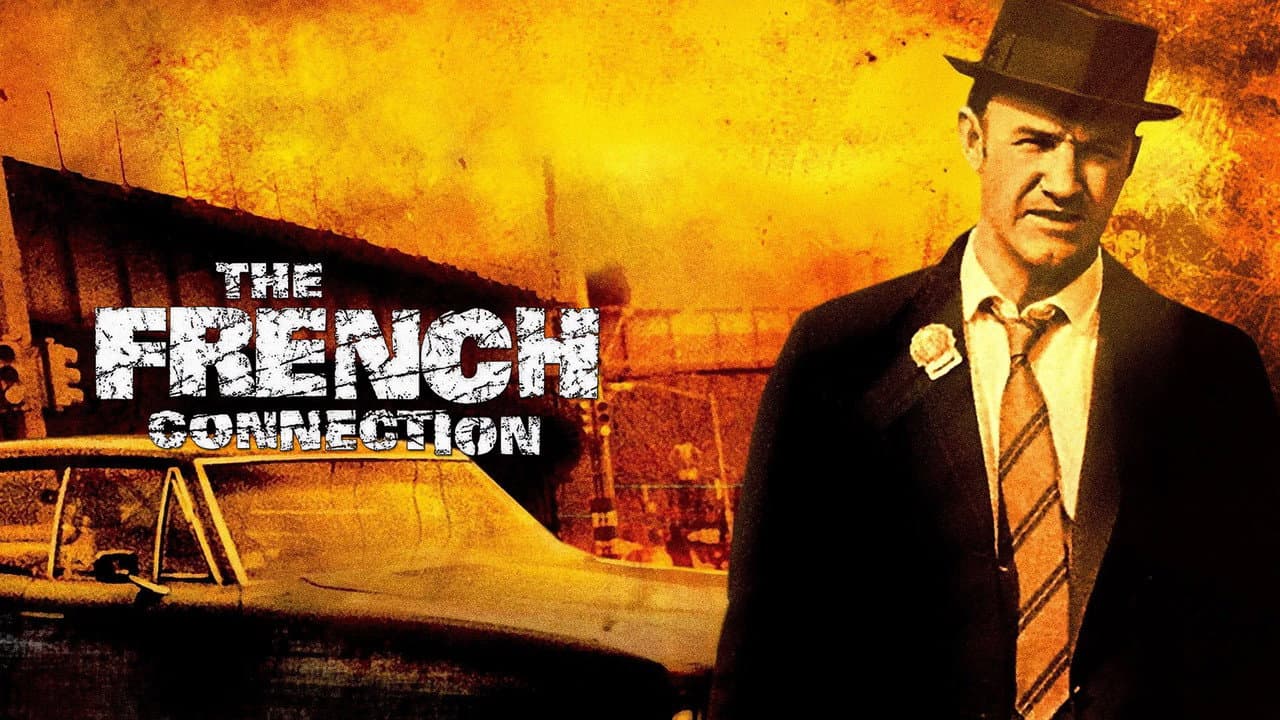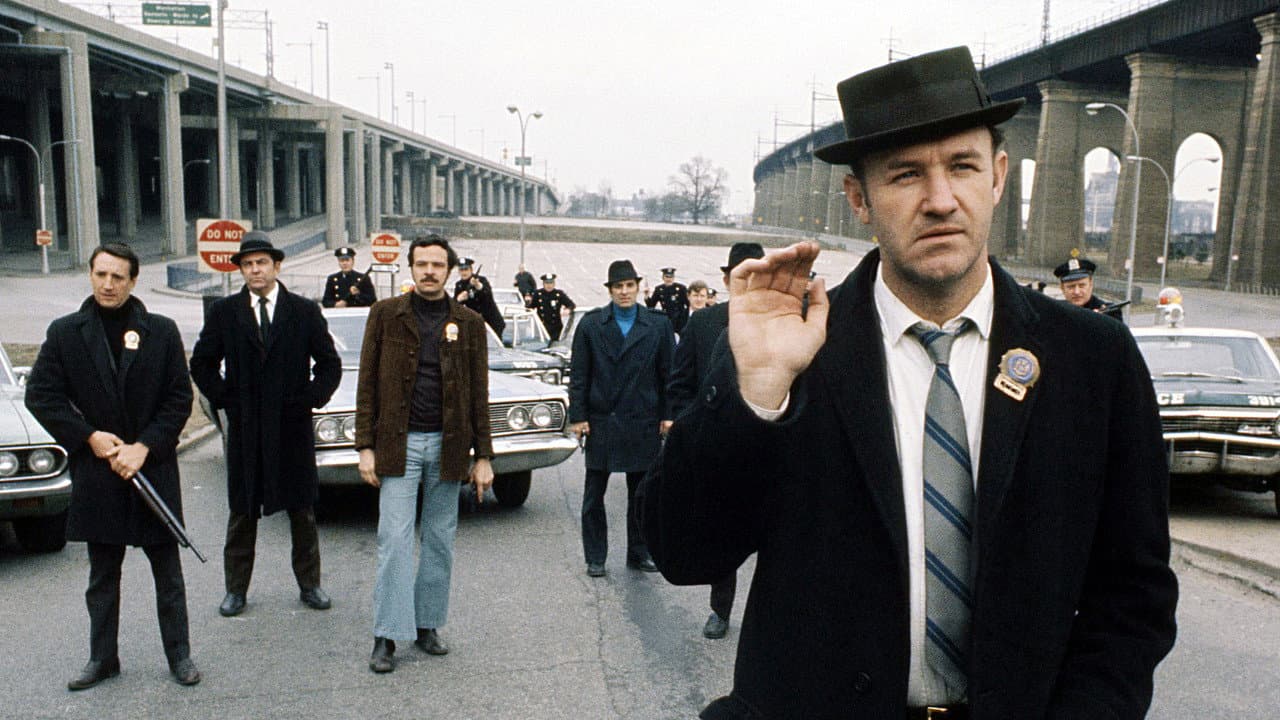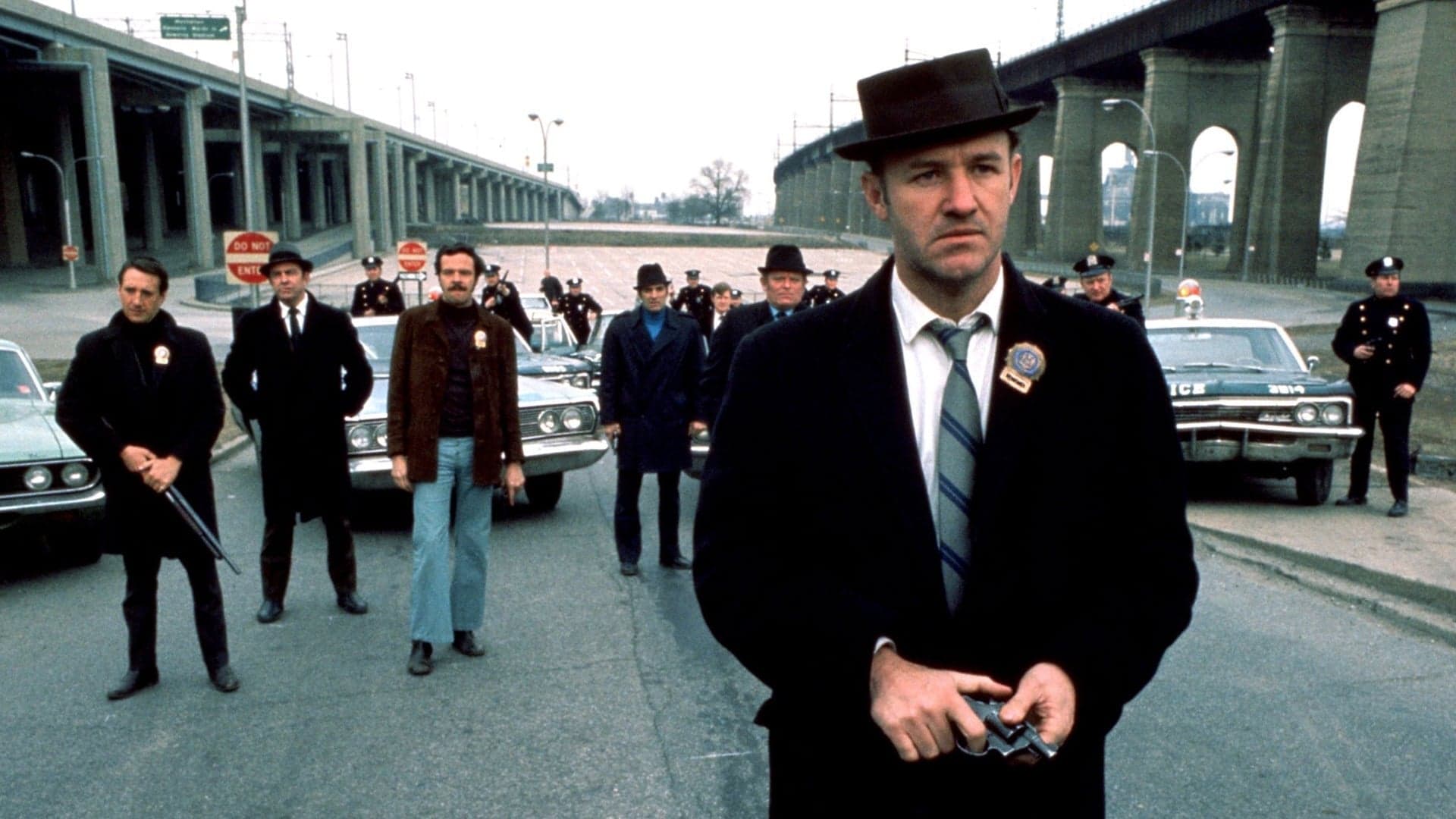
Fifty-five years ago today, a gritty police procedural about a pair of hard-charging narcotics detectives tore into American theaters and permanently raised the bar for the cinematic car chase. "The French Connection," directed by William Friedkin, opened on October 9, 1971, and went on to define an era of New Hollywood realism that studios spent the following decade trying, and mostly failing, to replicate.
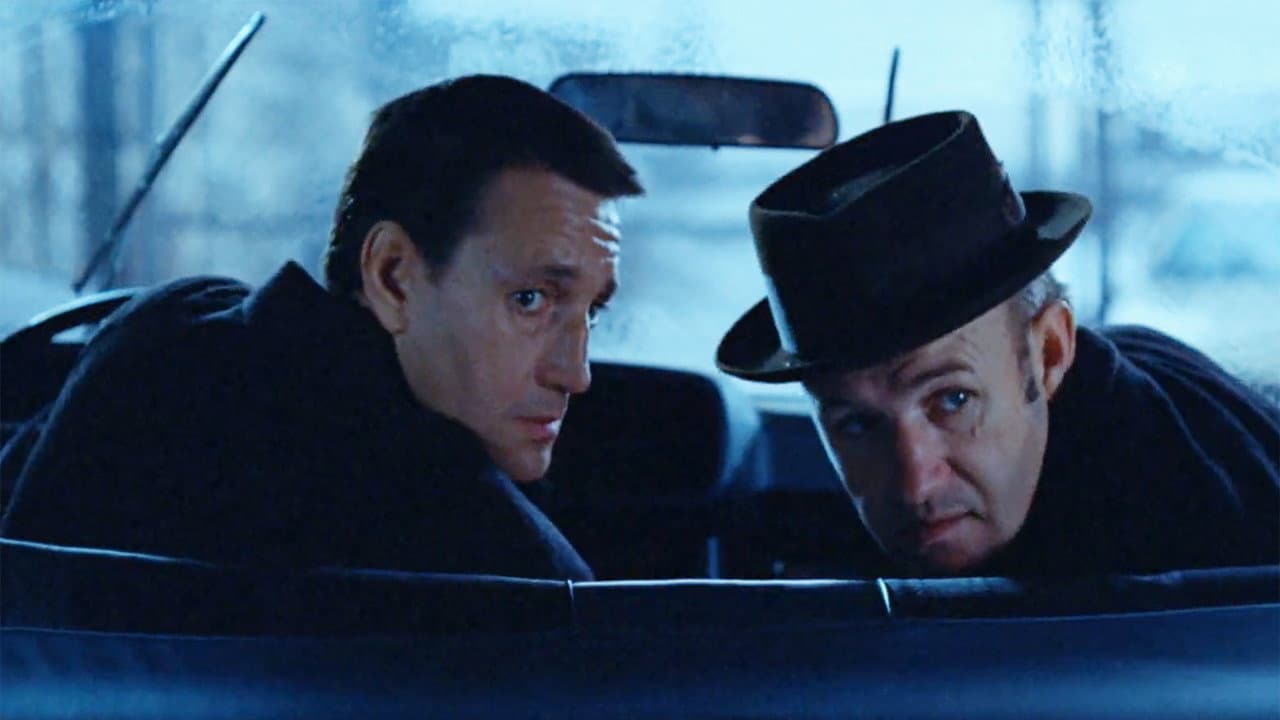
The film stars Gene Hackman as Jimmy "Popeye" Doyle, a tough, unglamorous New York City narcotics detective locked in a dogged pursuit of Alain Charnier, a suave French drug dealer played by Fernando Rey who may hold the key to a sprawling heroin-smuggling operation. Roy Scheider co-stars as Doyle's partner, Buddy Russo, with Tony Lo Bianco, Marcel Bozzuffi, Frédéric de Pasquale, Bill Hickman and Ann Rebbot rounding out the ensemble.
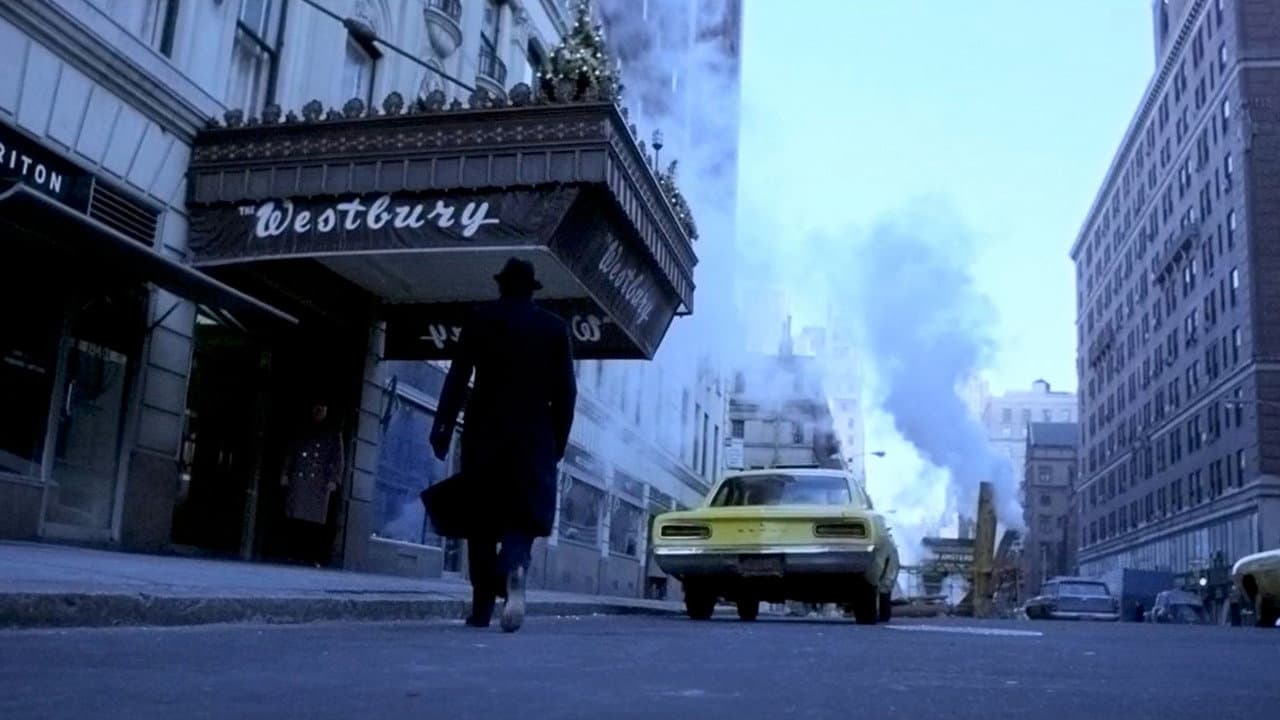
Clocking in at a lean 104 minutes, the picture blends action, crime and thriller elements into something closer to documentary than escapism. Friedkin shot much of the film on location in the boroughs and streets of New York, giving the pursuit of Charnier a texture that felt, to 1971 audiences, less like a movie and more like a ride-along. The result earned a 7.49 out of 10 rating on TMDb, a figure that has held steady across decades of reappraisal.
A Chase That Rewrote the Rulebook
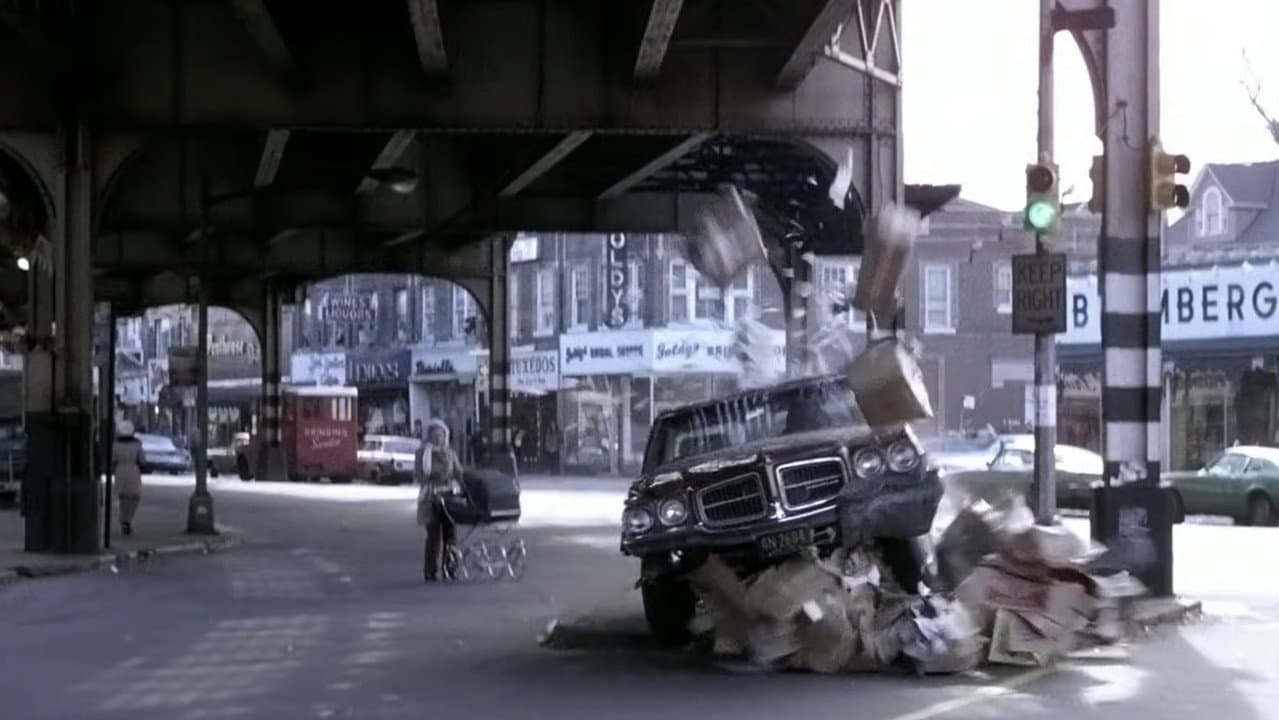
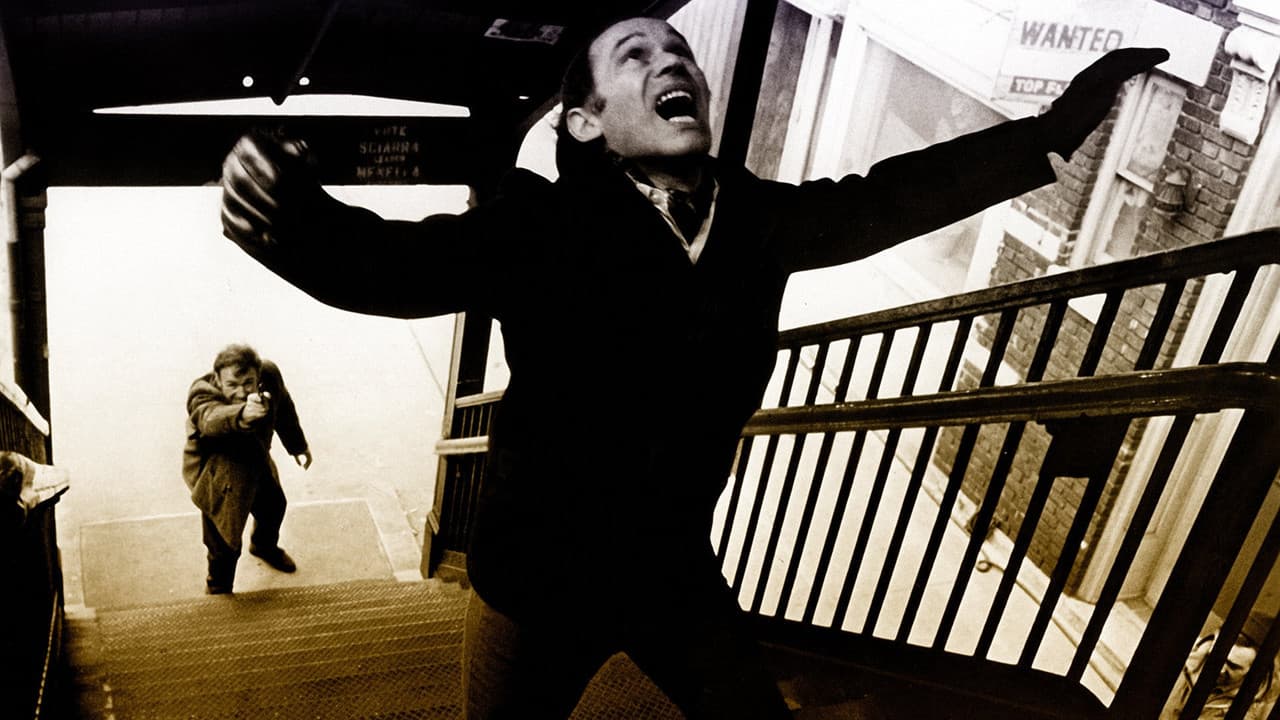
If "The French Connection" is remembered for one sequence above all others, it is the chase in which Doyle, behind the wheel of a commandeered car, tears through traffic in pursuit of an elevated train carrying a gunman. The staging was visceral, the editing jagged, and the stunt work - coordinated in part by veteran stunt driver Bill Hickman, who also appears in the film as Mulderig - became the reference point against which every subsequent pursuit would be measured.
What distinguished the sequence was not merely its speed but its absence of gloss. Friedkin and his collaborators avoided the polished choreography typical of studio action at the time, opting instead for a you-are-there immediacy that left audiences genuinely uncertain whether the characters, or the crew, would survive the take. That approach rippled outward: within a few years, car chases in mainstream Hollywood pictures were expected to feel dangerous rather than graceful.
The film's influence extended beyond its set pieces. Its willingness to center an abrasive, frequently unlikable protagonist - Doyle is a cop who bends rules and alienates allies, not a conventional hero - helped open doors for the morally ambiguous policiers that followed. Scheider's Russo serves as a grounding counterweight, but the movie never softens its lead into someone the audience is meant simply to admire.
A Snapshot of 1971, and of a Changing Hollywood
Released as the studio system's old certainties were crumbling, "The French Connection" arrived at a moment when filmmakers were being handed unusual latitude and, in some cases, unusually small budgets. Friedkin, then early in a career that would soon include "The Exorcist," worked with a stripped-down crew and an emphasis on found locations. The production's reputation for improvisation and on-the-fly decision-making became part of its legend.
The cast reflected that same preference for faces over marquee glamour. Hackman, already a respected actor but not yet a leading man in the conventional sense, brought a coiled, unsentimental energy to Doyle. Rey's Charnier is a study in composed menace - a villain whose sophistication makes him more unsettling, not less. Lo Bianco, Bozzuffi and de Pasquale fill out a gallery of supporting players who look like they were plucked from the streets rather than a casting office.
It is worth noting what the film is not. Despite its continental title and its French antagonist, "The French Connection" is an English-language Hollywood production through and through, rooted in American locations and American institutions. The title refers to the smuggling route, not the film's origins - a distinction that has occasionally blurred in retrospectives over the years.
Why It Still Matters in 2026
More than half a century on, the movie functions as both artifact and instruction manual. Its influence is visible in the handheld urgency of contemporary crime television, in the insistence on location shooting that defines prestige thrillers, and in the now-standard practice of casting against type to build authenticity. Directors who came of age in the 1970s cite it routinely; those who came later often cite the directors who cited it.
For viewers encountering it for the first time, the film's pleasures remain immediate: the clipped, overlapping dialogue, the cold winter light, the sense that the investigation could collapse at any moment. For those returning, the rewards are structural - the way Friedkin withholds easy resolution, the way the pursuit of Charnier becomes less about victory than about compulsion.
Anniversaries of this kind tend to produce a certain amount of hyperbole, but the case for "The French Connection" rests on durable evidence. It is a 104-minute machine built to generate tension, and it has been generating it, reliably, since October 9, 1971. Whatever the industry has learned about staging a chase or portraying a cop in the years since, it learned a significant portion of it here.
Source: The Hollywood Reporter