The Invite (2026) Review & News | Olivia Wilde Film
Get the latest on The Invite, Olivia Wilde's 2026 film. Plot details, cast updates, release news, and behind-the-scenes coverage in one place.
Director
Olivia Wilde
Language
EN
Release
2026-06-25
Runtime
107 min
Advertisement
Get the latest on The Invite, Olivia Wilde's 2026 film. Plot details, cast updates, release news, and behind-the-scenes coverage in one place.
Olivia Wilde is speaking out about the fierce behind-the-scenes battle to get her latest film, The Invite, onto the big screen, claiming the industry actively discourages filmmakers from pursuing theatrical releases. In a candid new interview, the director revealed that the pressure to send the movie straight to streaming was immense, describing a system where filmmakers are, in her words, "bribed" to abandon cinemas.
“They bribe you to not take theatrical,” Wilde said, pulling back the curtain on the negotiations that shaped the film’s release strategy. She did not specify which studio or platform made the offer, but her frustration was clear, framing the decision as a constant tug-of-war between creative intent and corporate convenience. The director, who also stars in the film opposite Seth Rogen, made it clear that she fought hard to ensure audiences could experience the movie communally, arguing that the film’s tense, intimate dinner-party premise demands a shared viewing environment.
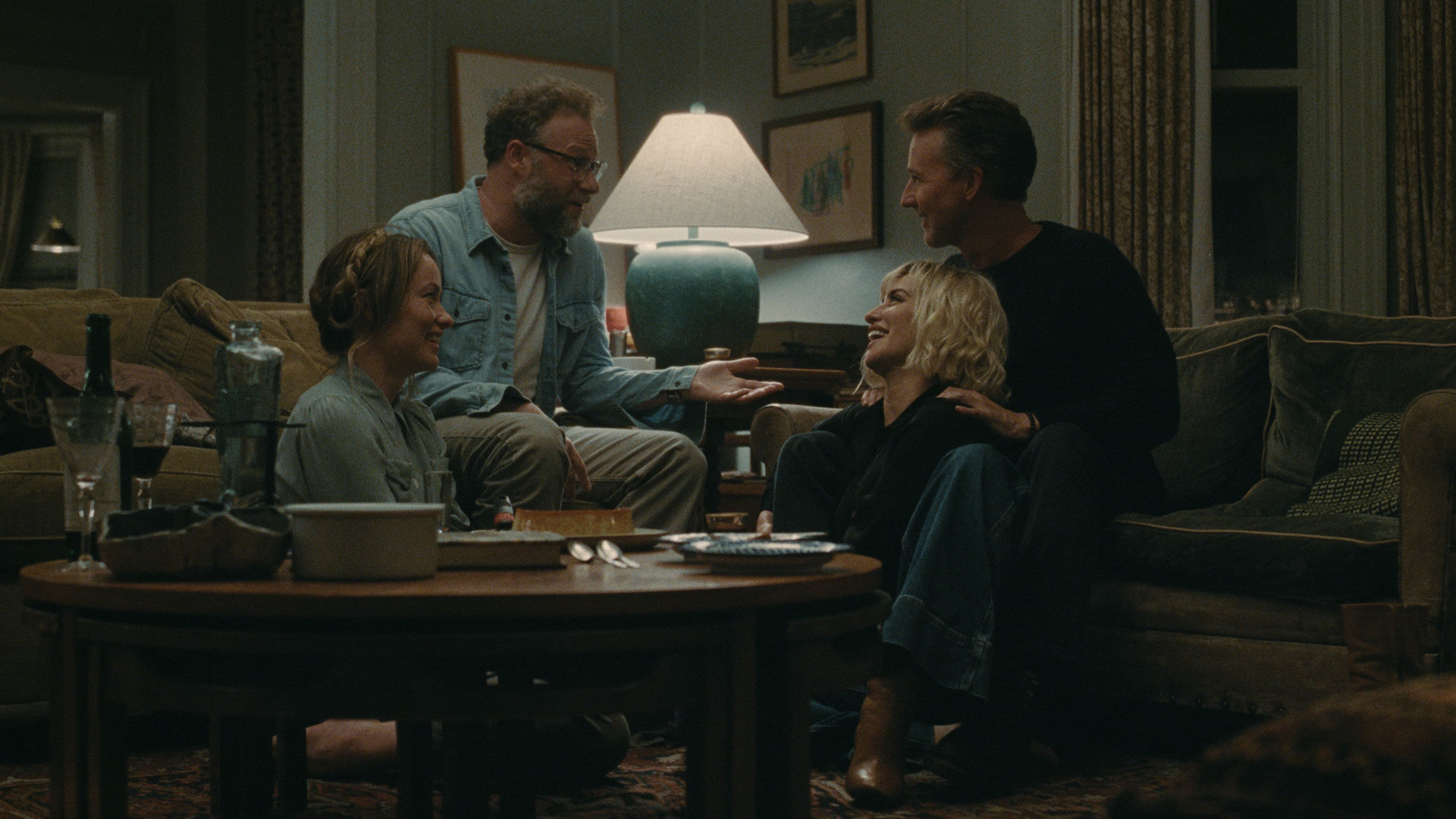
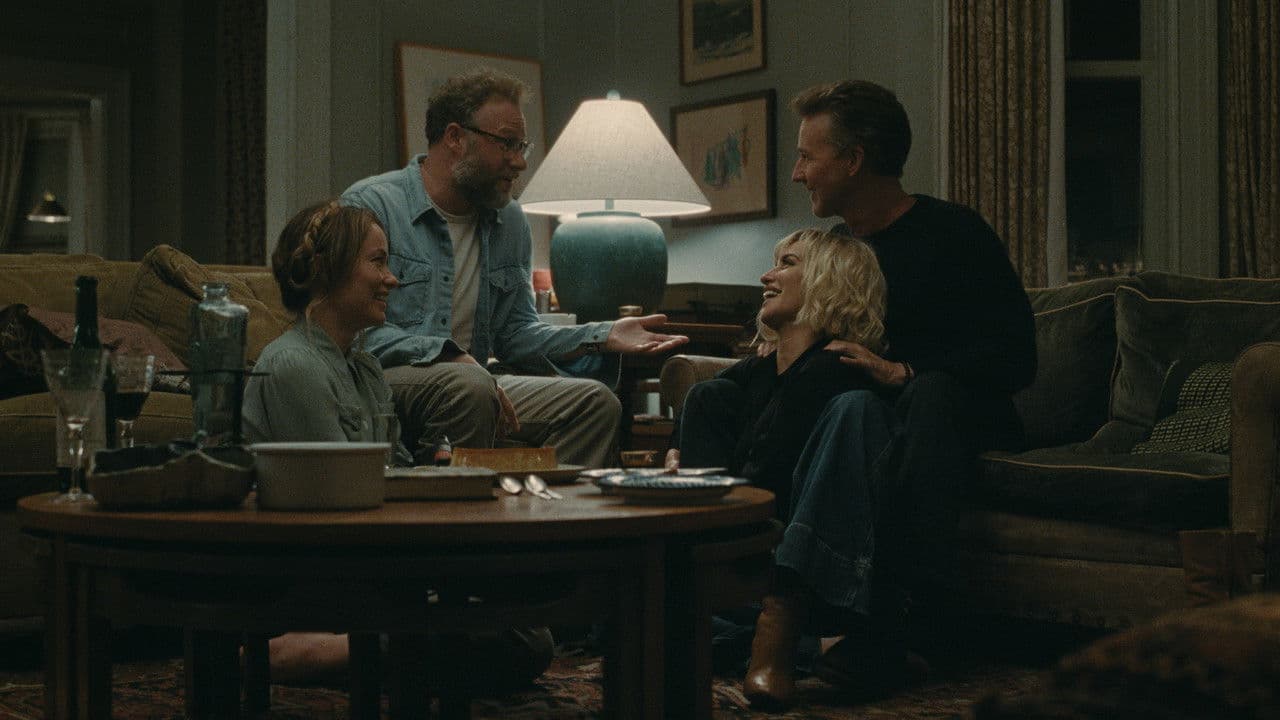
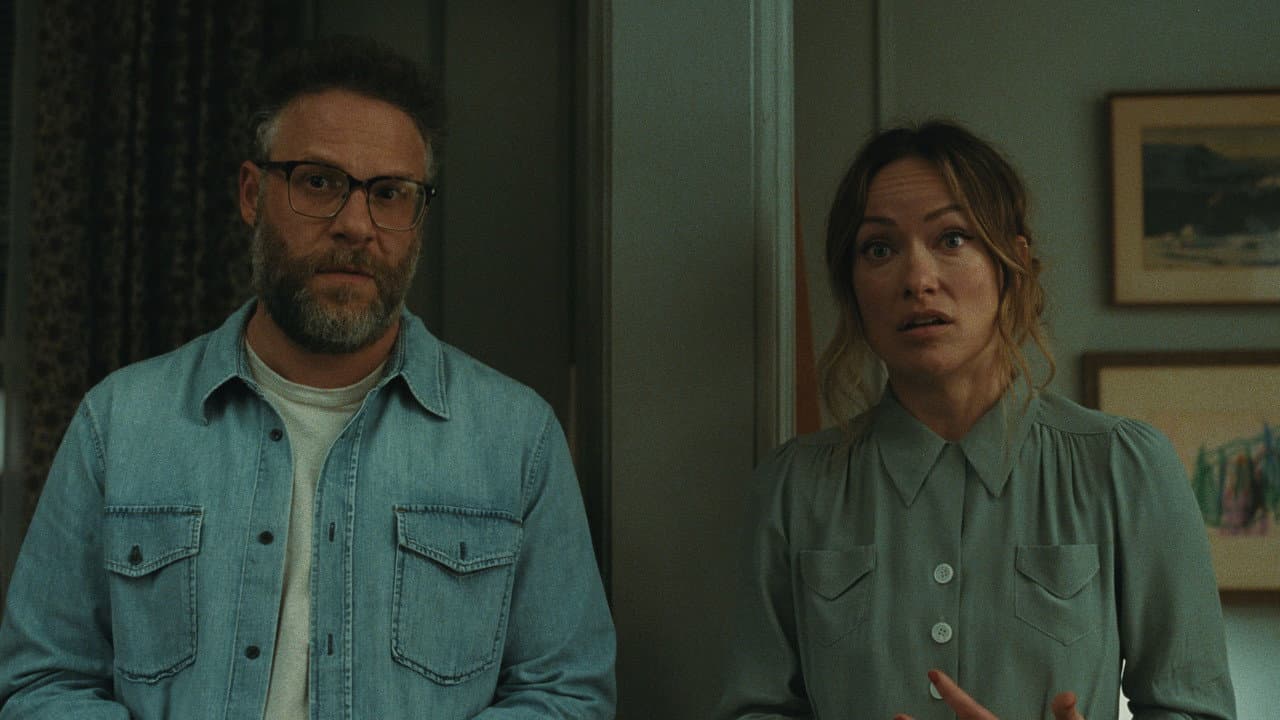
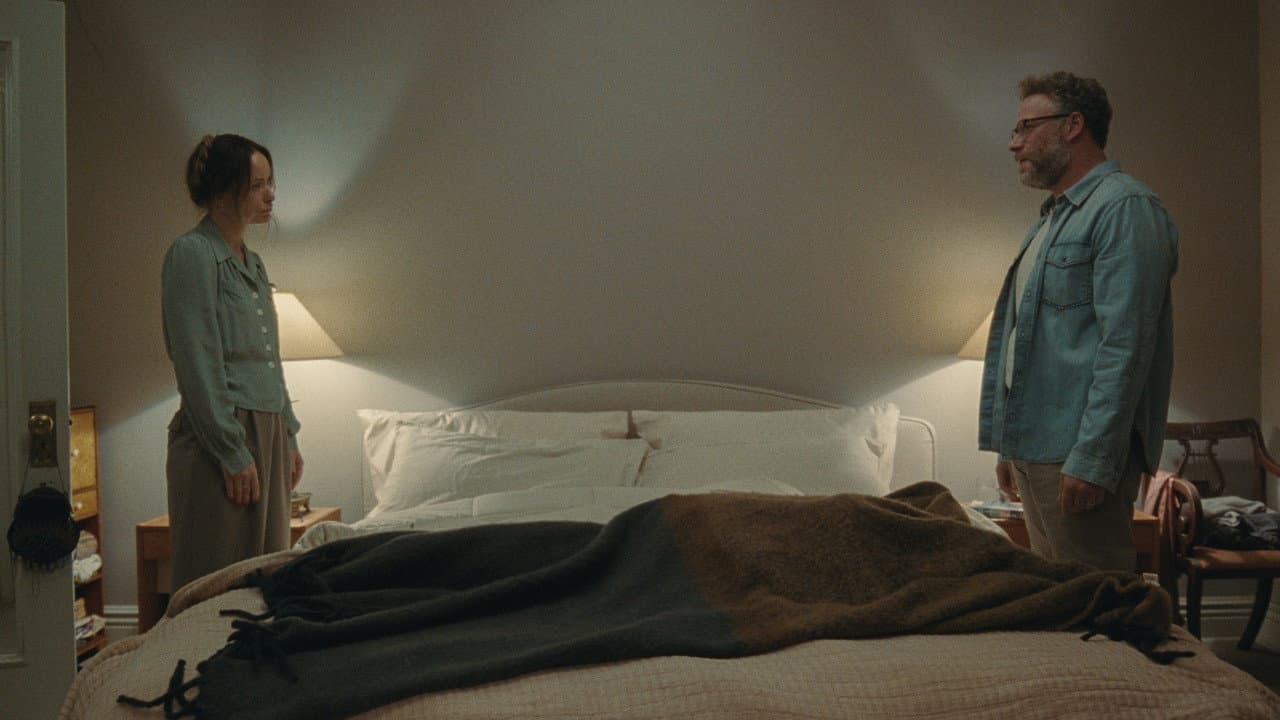
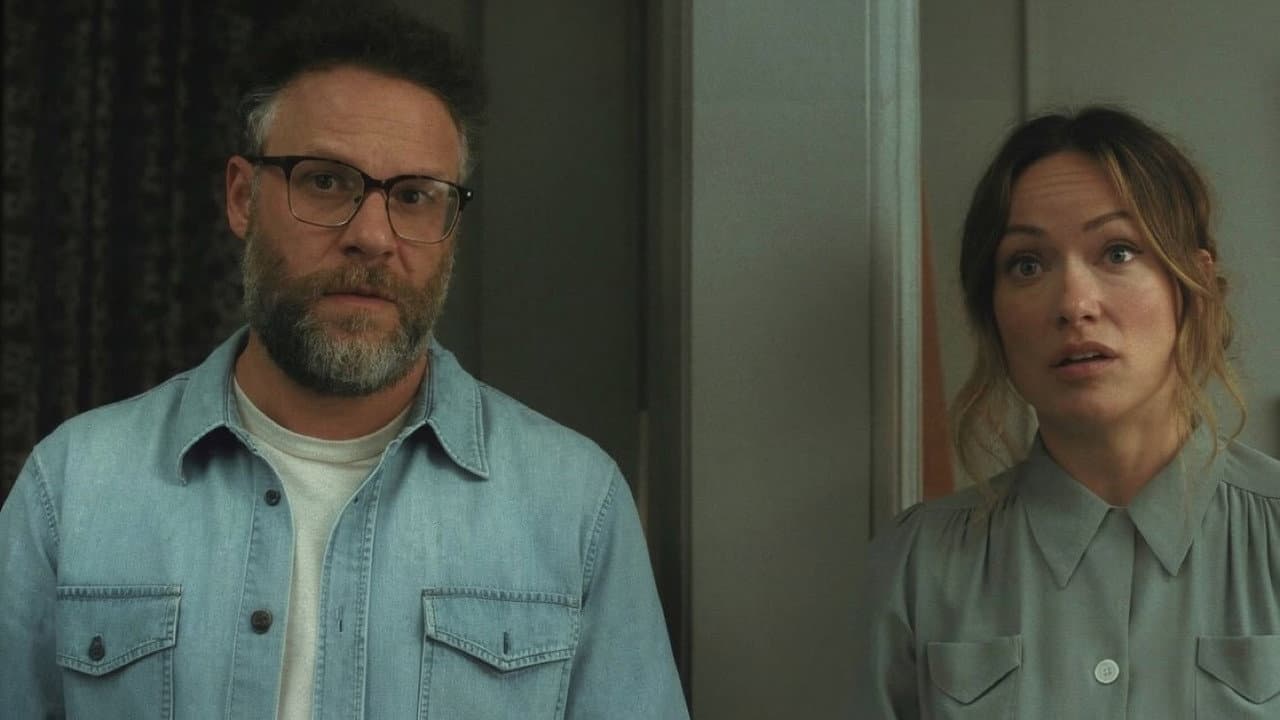
The Invite, which hit theaters on June 25, 2026, follows Joe and Angela, a married couple on the verge of collapse. When they invite their enigmatic upstairs neighbors over for dinner, what begins as an attempt to reignite their spark quickly devolves into a night of unpredictable chaos. The setup - a single location, a ticking clock, and a loaded guest list - is a classic chamber piece, and Wilde believes the theatrical setting amplifies the discomfort and laughter in ways a home screen cannot replicate.
The film has earned strong early praise, with a TMDb score of 7.69 out of 10 and a runtime of 107 minutes. Critics have largely highlighted the chemistry between the leads and the film’s seamless blend of genres, which the official description lists as Drama, Comedy, and Romance. Wilde’s direction reportedly keeps the tension simmering while allowing Rogen to flex his dramatic chops alongside his comedic timing, with Penélope Cruz and Edward Norton rounding out the core cast as the mysterious neighbors, Pina and Hawk. The ensemble is further fleshed out by a handful of uncredited background performers, including Skip Howland as a doorman and Mel Powell as a bartender, though their appearances are minor.
Wilde’s comments add to a growing chorus of filmmakers who have publicly questioned the streaming-first era. The debate has intensified over the past few years as major studios have shifted release strategies, often prioritizing platform premieres or shortened theatrical windows. Wilde’s characterization of the pressure as a “bribe” suggests that financial incentives - perhaps larger backend offers or guaranteed marketing spend - are routinely used to sweeten the deal for directors who might otherwise hold out for a traditional roll-out. She stopped short of revealing exact numbers or naming the party involved, but the implication is that the economics of modern distribution heavily favor digital over physical venues.
The director’s fight appears to have paid off, at least in the short term. By securing a theatrical release, The Invite has positioned itself as an event film for adult audiences, a demographic that has shown renewed appetite for original, star-driven stories in cinemas. The film’s modest but positive critical reception suggests that Wilde’s instincts were correct; the claustrophobic setting and sharp dialogue play exceptionally well to a live audience, where gasps and laughs can build on one another. Early social media reactions have compared the film favorably to a modern take on the classic “dinner party from hell” subgenre, with praise for how the script - credited to the writing team - slowly peels back layers of deception and longing.
For Wilde, the battle over The Invite is personal. She has been vocal about her love for cinema as a communal art form, and her decision to cast herself opposite Rogen signals a degree of creative risk-taking that she clearly wanted audiences to witness in the best possible format. In her view, a movie about the fragile mechanics of a relationship deserves the full attention of a dark room and a large screen, not the distractions of a living room couch. She argued that the film’s emotional beats - the silences, the glances, the sudden eruptions of anger - land with more force when there’s nowhere to look away.
The broader industry implications are still unfolding. As theaters continue to recover from the pandemic era, high-profile directors like Wilde pushing back against streaming-first norms could influence how studios approach future projects, especially those with mid-range budgets that are often deemed “risky” for theatrical. Whether the reported “bribes” were in the form of reduced marketing commitments, lucrative profit-sharing models, or guaranteed sequel rights remains unclear, but Wilde’s willingness to speak out has reignited the conversation about what directors must sacrifice to see their work on the silver screen.
For now, The Invite remains in theaters, and Wilde hopes audiences will take advantage of the opportunity to see it as intended. “People keep asking me where to watch it,” she said. “I keep telling them: go to the movies. That’s where it lives. That’s the only place it makes sense.” The choice, for once, was hers.
Source: The Hollywood Reporter
Advertisement
Gallery




Advertisement