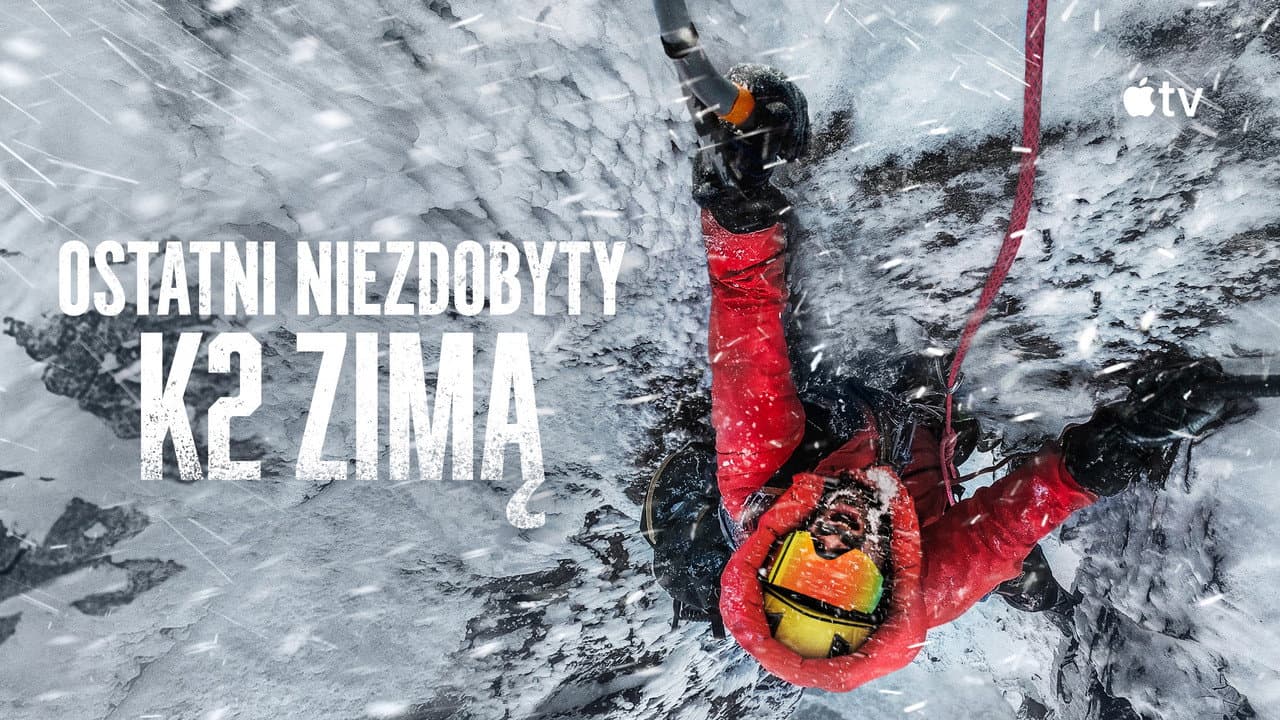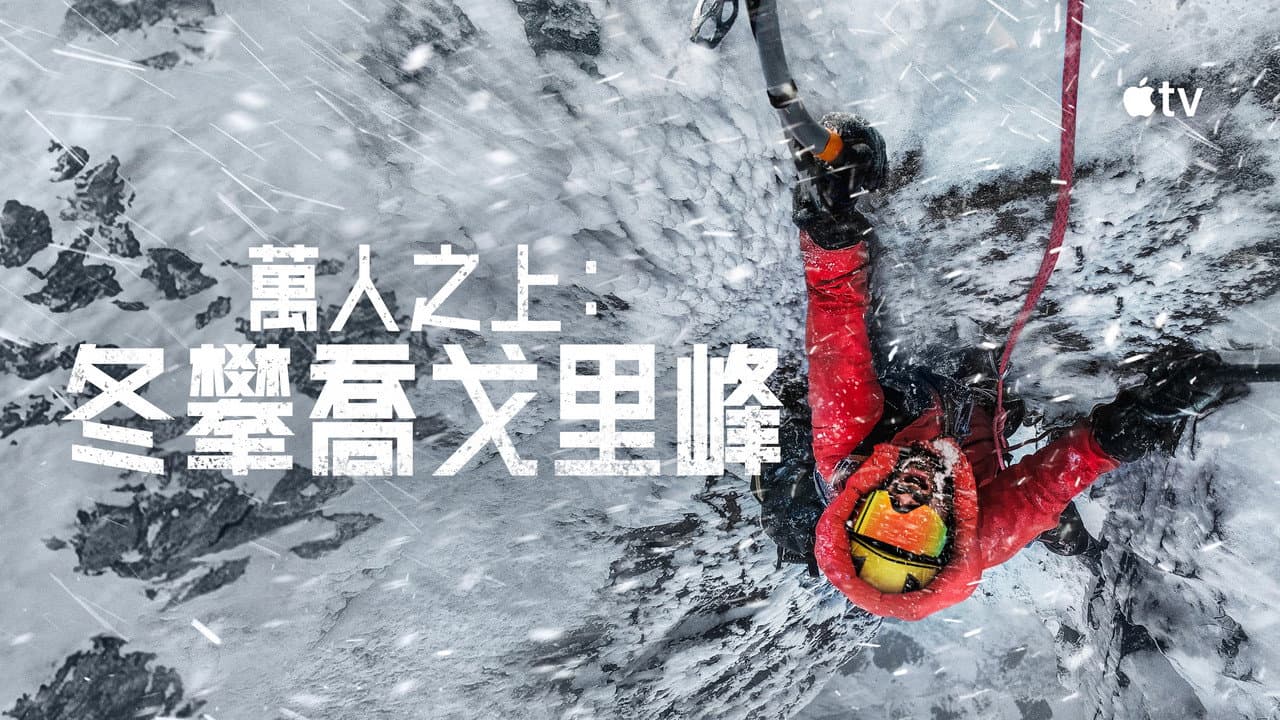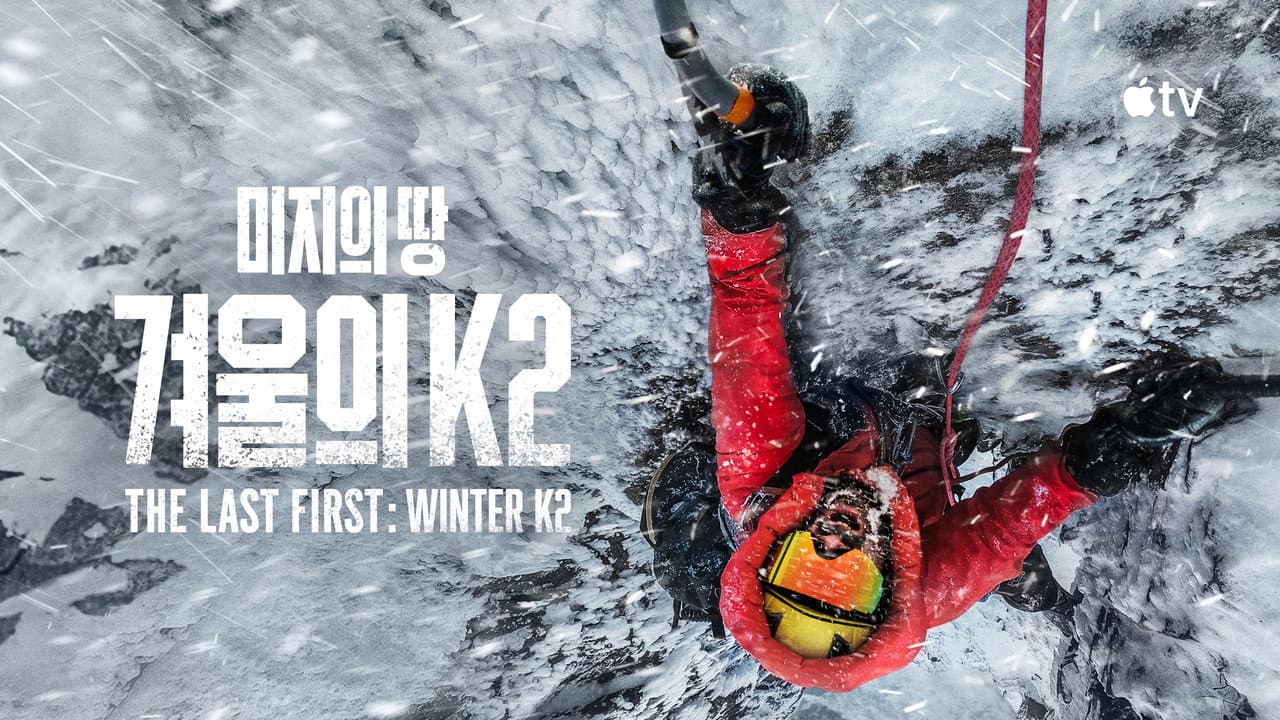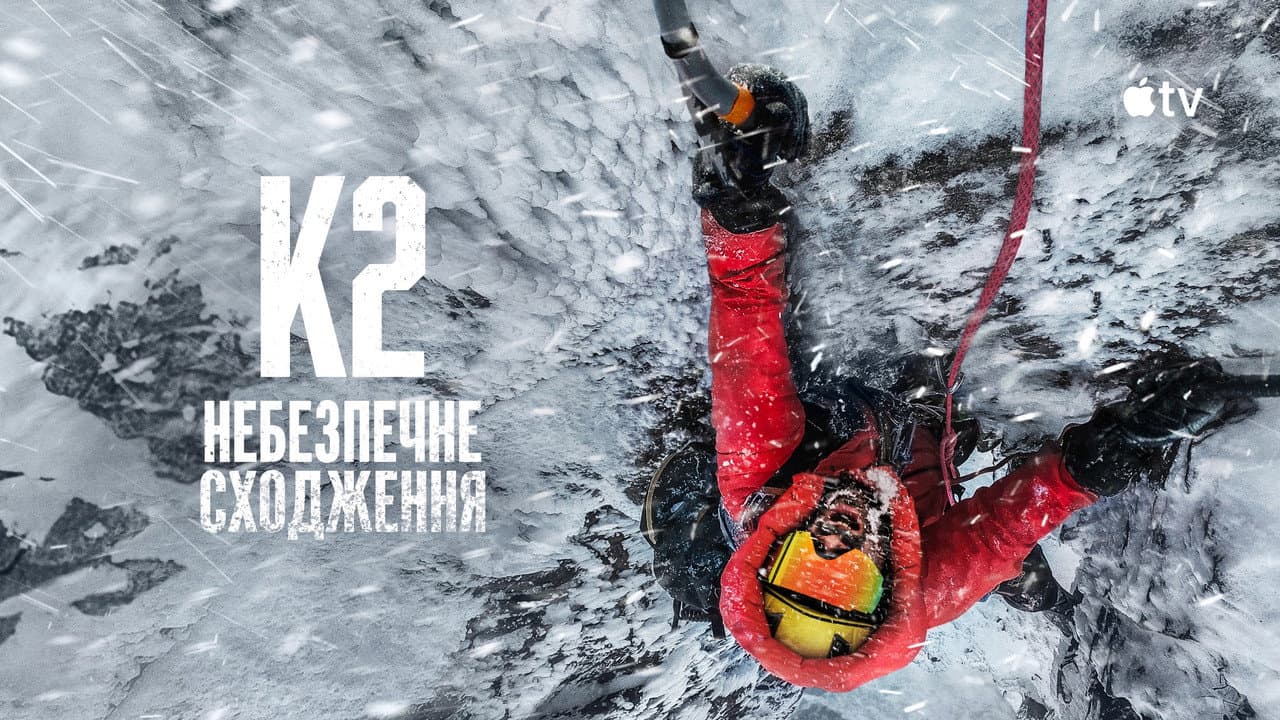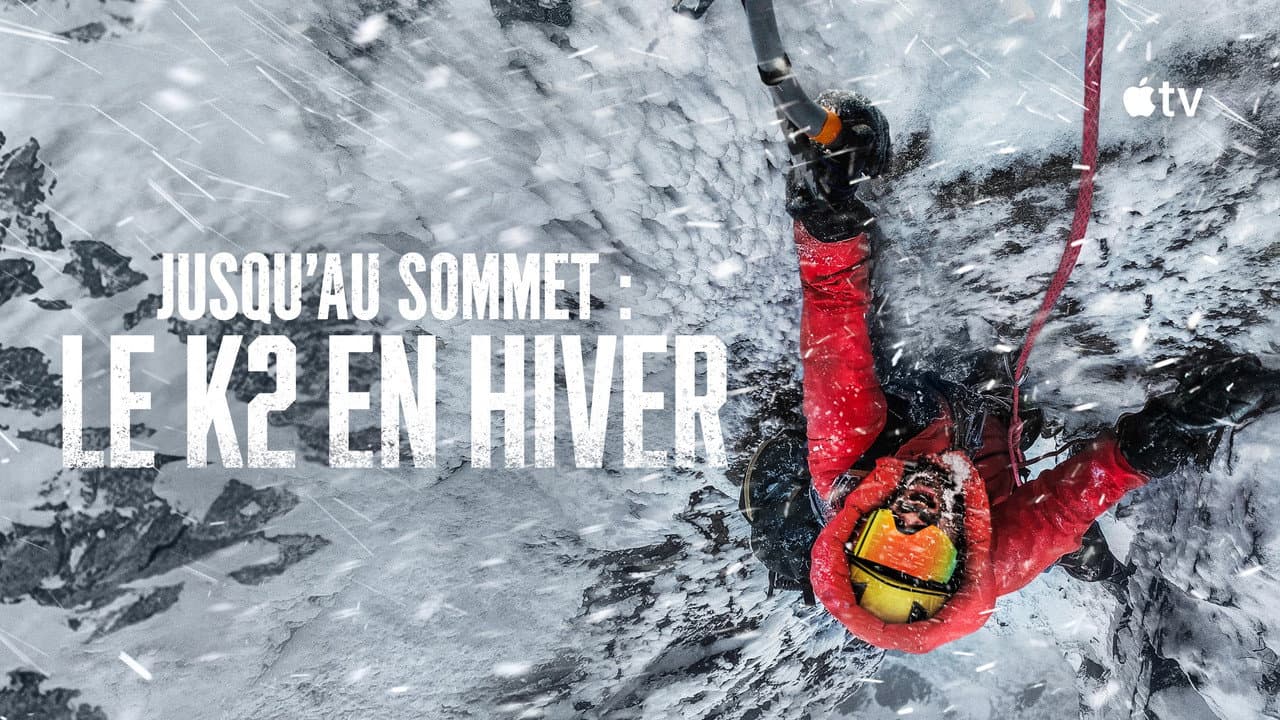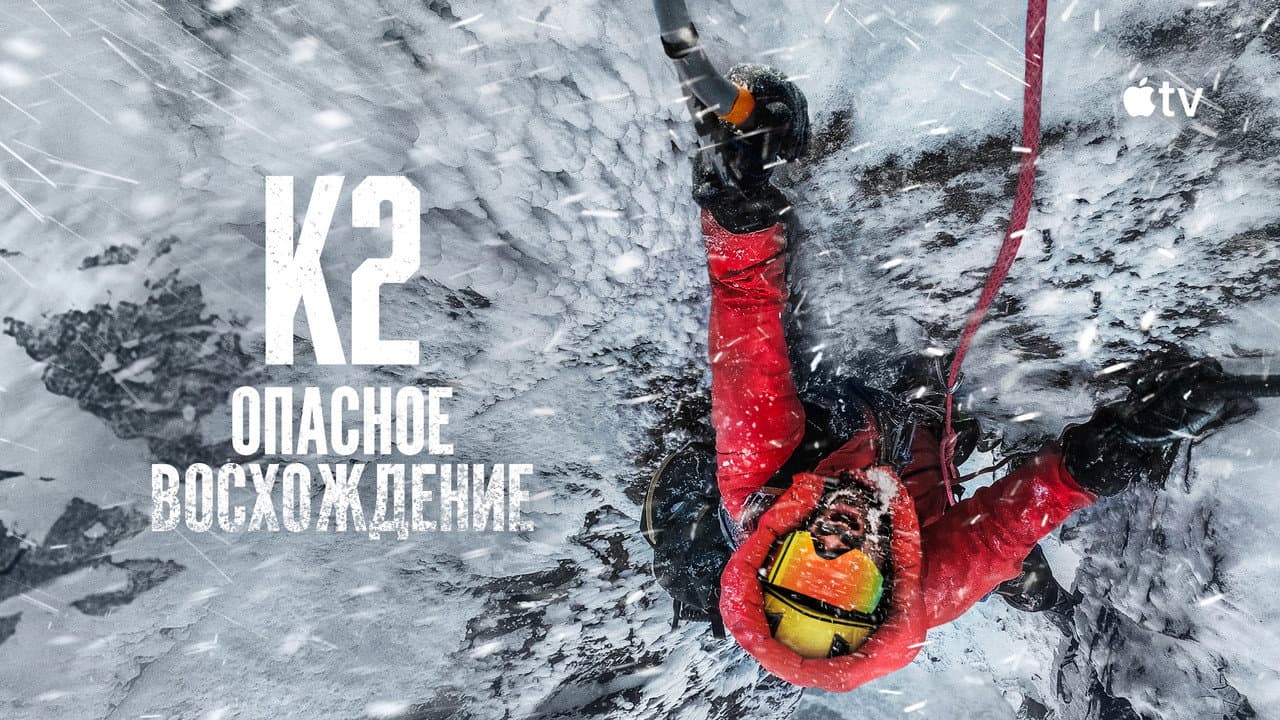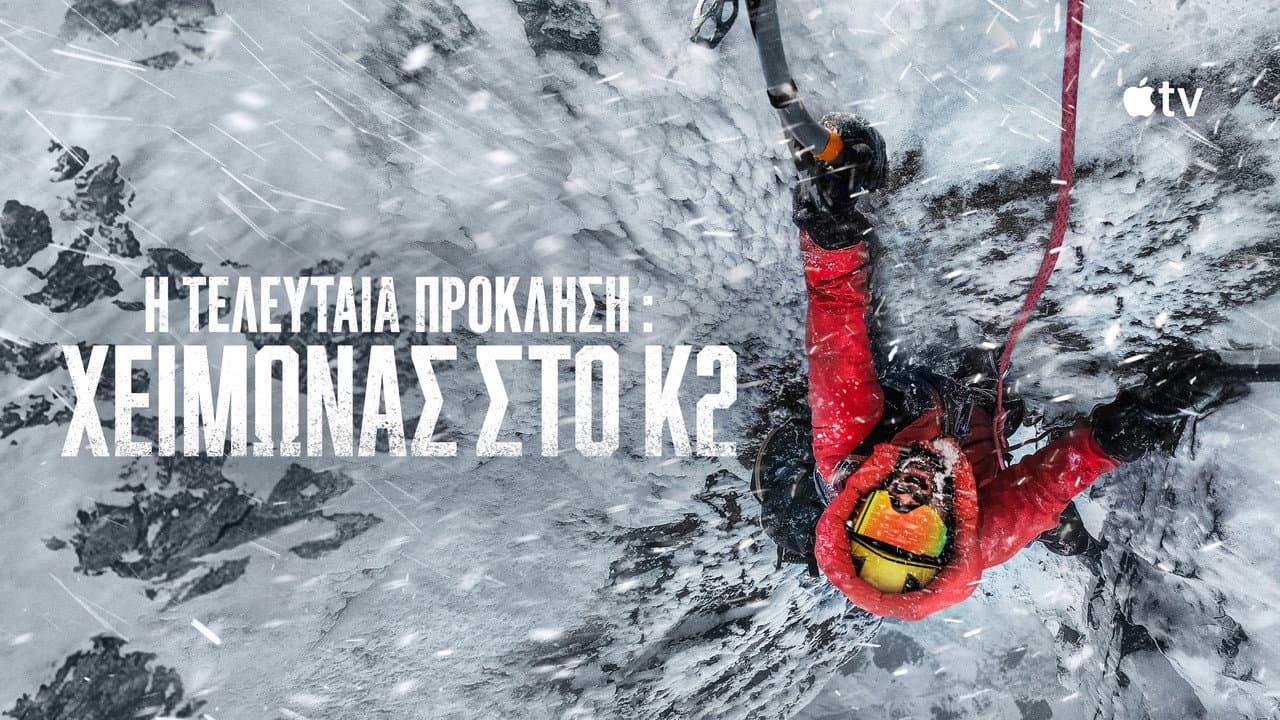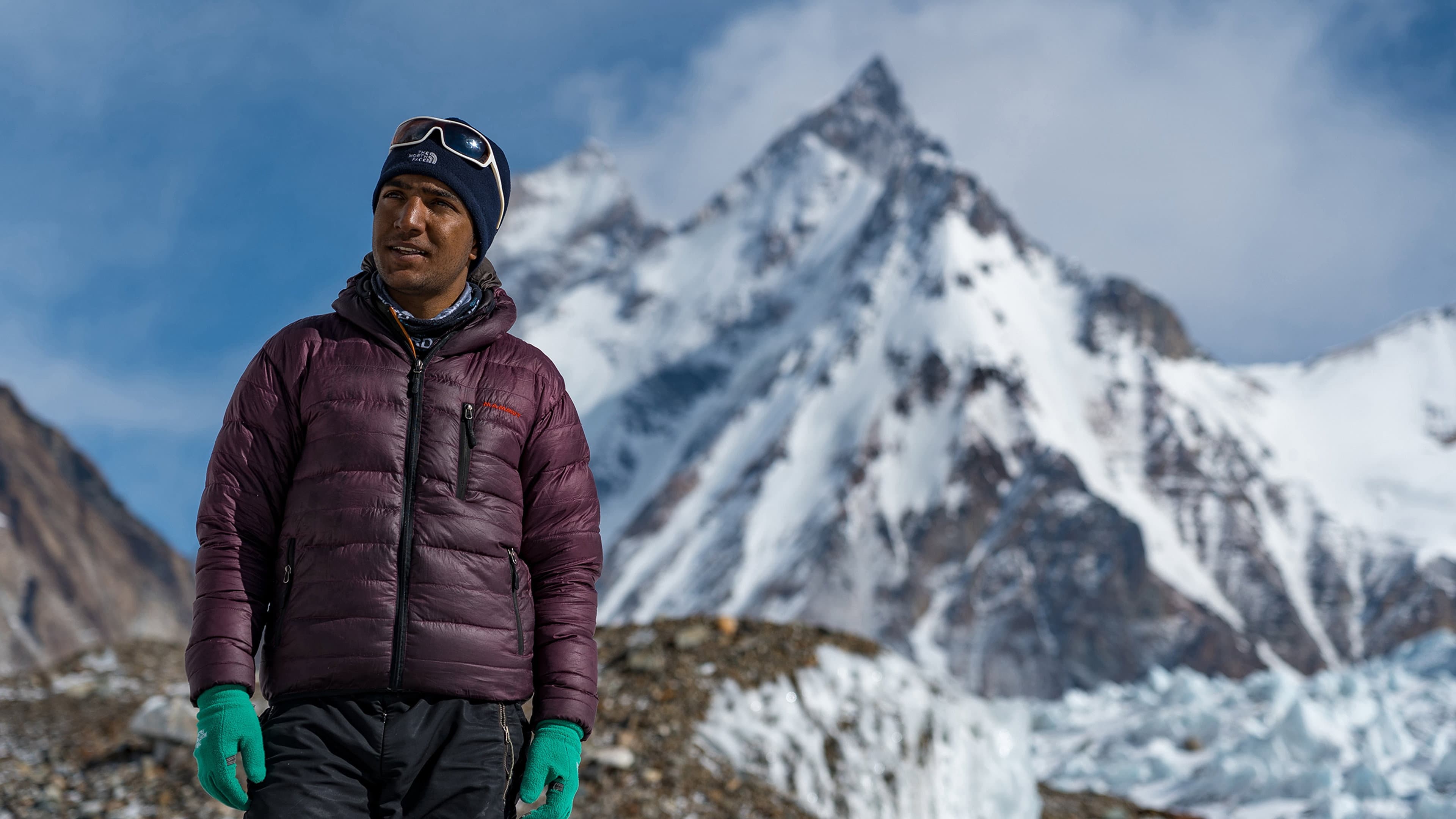
Amir Bar-Lev's new documentary "The Last First: K2 Winter" arrives in theaters today with a subject that has been covered before but a perspective that its director insists has never been shown this way. The film, running 98 minutes, revisits the winter of 2021, when a small group of climbers set out to achieve something no one had ever done: reach the summit of K2, the world's second-highest mountain, during the coldest season. What began as a historic quest ended in loss, and Bar-Lev's film examines not only the events on the mountain but the forces that pushed people toward it.
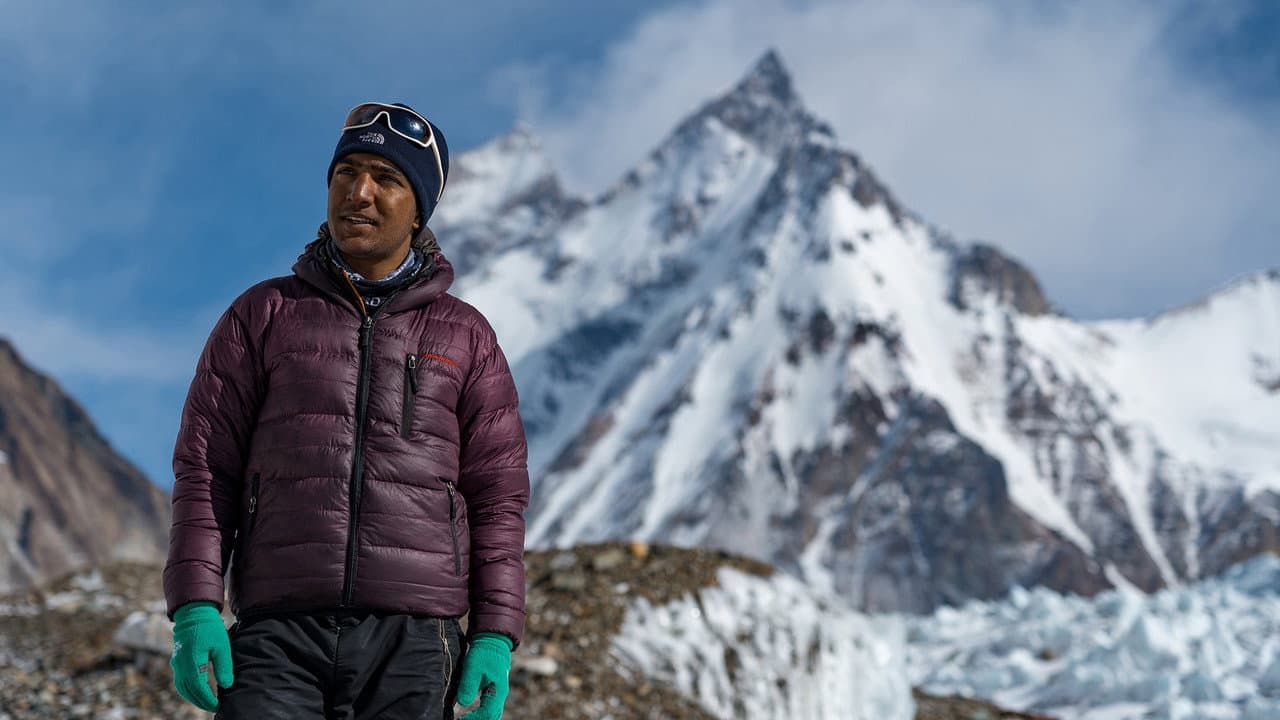
The documentary centers on John Snorri Sigurjónsson, the Icelandic mountaineer, and Muhammad Ali Sadpara, the Pakistani guide, two of the climbers who took part in that winter push. Sajid Sadpara, Muhammad Ali's son and also a guide, appears in the film as well, alongside Lina Moey, Snorri's wife, whose presence gives the story a domestic counterweight to the high-altitude stakes. Bar-Lev blends their accounts with the reporting of Angela Benavides, a sports writer for Explorersweb, and the footage of Elia Saikaly, a filmmaker and influencer who documented the expedition. Nirmal Purja, the team leader, is featured, and Sandro Gromen Hayes, identified as Purja's cameraman, also appears.
What separates this film from the stack of climbing documentaries released each year, according to the project's own framing, is its willingness to treat ambition itself as a hazard. The official synopsis describes a "historic race" that "unravels into tragedy," and it places the blame not only on weather and altitude but on ego and the hunger for recognition. That emphasis on human motive rather than pure spectacle is a hallmark of Bar-Lev, whose previous work has often found larger questions inside seemingly straightforward stories. Here, the mountain is less a backdrop than a stage on which the worst and most driven instincts of the participants play out.
The timing of the release is not accidental. "The Last First: K2 Winter" opened on October 2, 2026, roughly five years after the events it depicts, a gap that allows the film to draw on hindsight and reflection rather than the urgency of breaking news. The documentary is in English and is being positioned as a Hollywood production. Its current TMDb rating sits at 6.229 out of 10, a middling score that suggests audiences are divided on the film's approach, though such ratings often shift as more viewers see a release in its opening weeks.
For viewers who followed the 2021 expedition as it happened, through social media dispatches and rolling news coverage, the film offers something those real-time updates could not: context. The cast list reads like a cross-section of the modern mountaineering world, where guides, influencers, filmmakers and sponsors all occupy the same thin air. Saikaly's role is especially pointed, since he was both a participant and a chronicler, a duality the film appears to interrogate rather than smooth over. Purja, one of the most recognizable figures in high-altitude climbing, is presented as team leader, and the film's examination of leadership under extreme pressure is likely to be one of its most discussed elements.
Bar-Lev is working with material that carries real grief. The tragedy at the center of the story is not abstract, and the presence of family members such as Moey signals that the film intends to reckon with the cost borne by those left behind. Sajid Sadpara's participation is particularly significant, given his personal connection to the events. A documentary that includes such voices risks becoming either elegy or indictment; the film's stated interest in ego and the pursuit of glory suggests it leans toward the latter without abandoning the former.
"The Last First: K2 Winter" is now playing. Whether it will be remembered as a definitive account of that winter or as one more chapter in an endlessly revisited story remains to be seen, but its focus on why people climb - and what they are willing to risk for a first - gives it a claim on attention beyond the climbing community.
Source: The Hollywood Reporter