Last House Ending: Family Trapped - Explained
Advertisement
The Last House finale leaves the family imprisoned indoors. We break down the twist, symbolism, and why escape was never an option.
The new psychological horror film The Last House is leaving audiences with more questions than answers, particularly about its chilling final scene, where the central family remains inexplicably bound to their own home. The film, which has generated significant buzz since its premiere, presents a narrative that twists conventional haunted-house tropes into something far more unsettling, and its ambiguous conclusion is the primary topic of discussion among viewers.
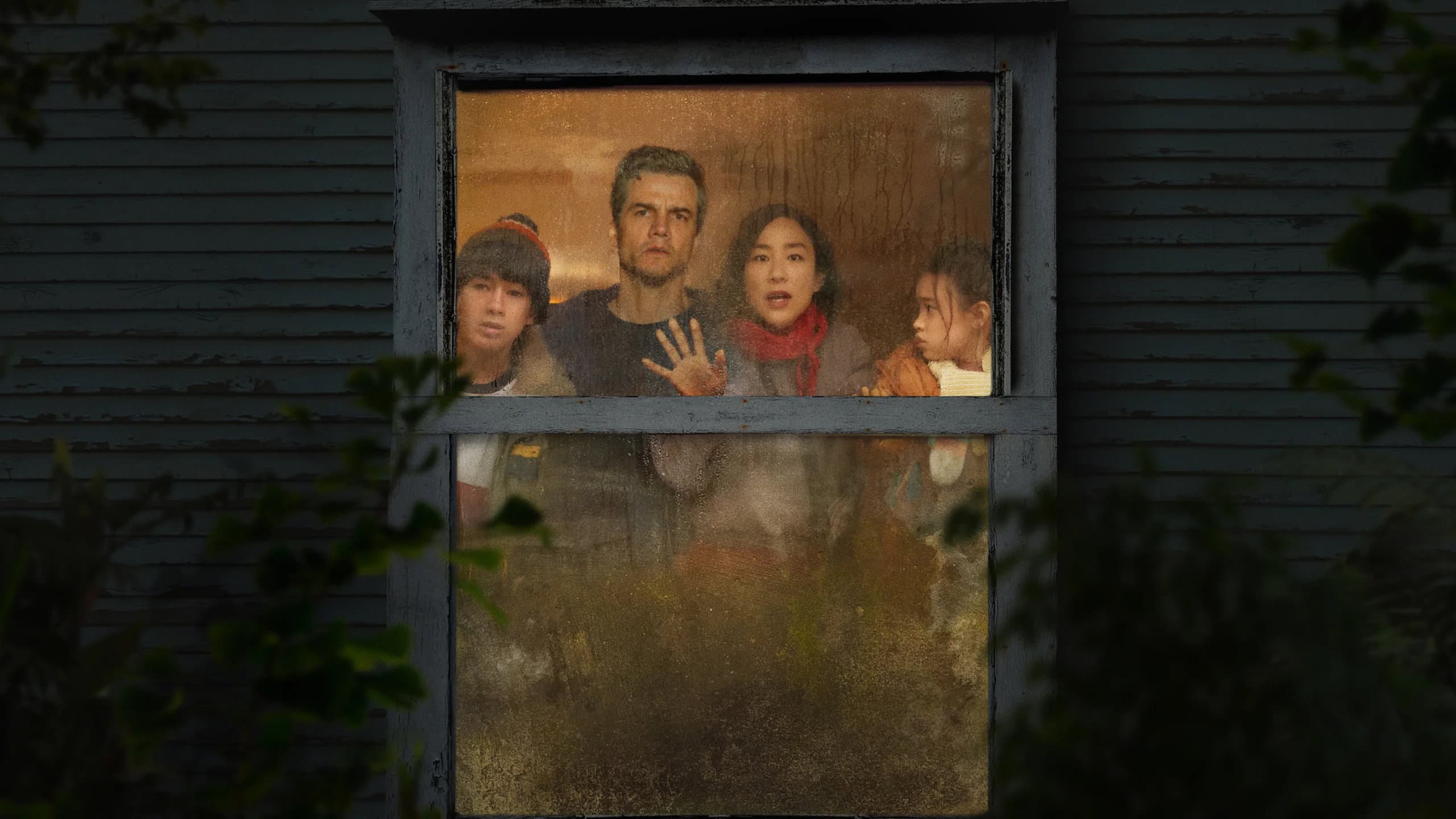
The story follows the Harrisons, a family of four who move into a remote, inherited property seeking a fresh start after a personal tragedy. Almost immediately, the house begins to exert a strange influence. Doors lock on their own, windows refuse to open, and the layout seems to shift when no one is looking. The family quickly realizes they are not merely being frightened; they are being contained. As the days pass, their attempts to leave - calling for help, breaking windows, even trying to set the structure ablaze - are met with an impossible resistance. The outside world becomes a blurred, distorted vision through the glass, visible but completely inaccessible.
The ending crystallizes the film’s central mystery. After a final, desperate confrontation between the family and an unseen force, the movie does not show their escape or destruction. Instead, it cuts to a quiet, almost serene moment. The family is seated together in the living room, as if posing for a portrait, their faces drained of emotion. The camera slowly pulls back to reveal the house from the outside, intact and ordinary, with the family visible through the front window. A title card simply reads, "They are still here." No explanation is offered, leaving the audience to piece together the harrowing logic of the film.
Several interpretations have emerged to explain why the family is trapped, and the film’s director has hinted, in interviews, that all of them are partially correct. The most prominent reading is that the house is a physical manifestation of the family's unprocessed grief. The tragedy they fled is never fully named, but its weight is carried in every interaction. In this view, the house does not hold them by any external force; it represents the comfortable, suffocating prison of denial. By refusing to confront their pain, they have built walls that cannot be torn down with physical force.
Another compelling theory centers on the film’s subtle visual language, which repeatedly shows doors and archways framing the characters, often with a strange reflection in the glass that does not match the person standing before it. This has led many to speculate that the family is not trapped in their own home at all, but in a liminal space that mimics it. The house could be a psychic construct, a purgatory created by the family’s shared trauma, where the rules of reality do not apply. The outside world they see is not a path to freedom but a memory of a life they can no longer access.
The most disturbing interpretation, however, suggests the family was never meant to be saved. The narrative includes scattered references to a previous owner who also vanished, and local lore about the land being "hungry." This reading posits that the house is a sentient entity that feeds on the emotional energy of its inhabitants. The family’s despair and fear are not obstacles to their imprisonment; they are the very fuel that sustains it. The final image, then, is not one of tragedy but of completion. The house has consumed them, and they are now part of its structure, their identities dissolving into the walls that hold them.
The film’s writer has denied any single intended meaning, stating that the ending was designed to be a "mirror" for the audience. "The fear is personal," they have said. "What traps you in your own life is not the same as what traps me. The house simply asks the question: what are you unwilling to leave behind?" This refusal to provide a definitive answer is what has made The Last House a subject of endless debate, with fans creating elaborate theories that map the family’s plight onto everything from climate anxiety to toxic relationships.
From a craft perspective, the ending is a masterclass in restraint. There is no jump scare, no final monster reveal, and no triumphant escape. The horror is in the stillness, in the quiet acceptance of the family’s fate. The film leans on the unnerving performance of its lead actor, whose initial panic and fury decay into a hollow tranquility by the final scene. It is a testament to the film’s power that the most terrifying moment is not a scream, but the absence of one. The family’s silence, their inability to even attempt a plea for help, is what confirms the hopelessness of their situation.
Whether The Last House is a ghost story, a psychological thriller, or a meditation on grief, its ending has achieved something rare: it has created a genuine ambiguity that feels intentional and earned, rather than lazy. Audiences are leaving theaters not to forget the film, but to argue about it. The family may be trapped on screen, but the discussion they have sparked is very much alive in the real world. The answer to why the family is inside the house is perhaps the simplest one: because, in the end, they found a way to stop trying to leave.
Source: Variety
Advertisement
Advertisement