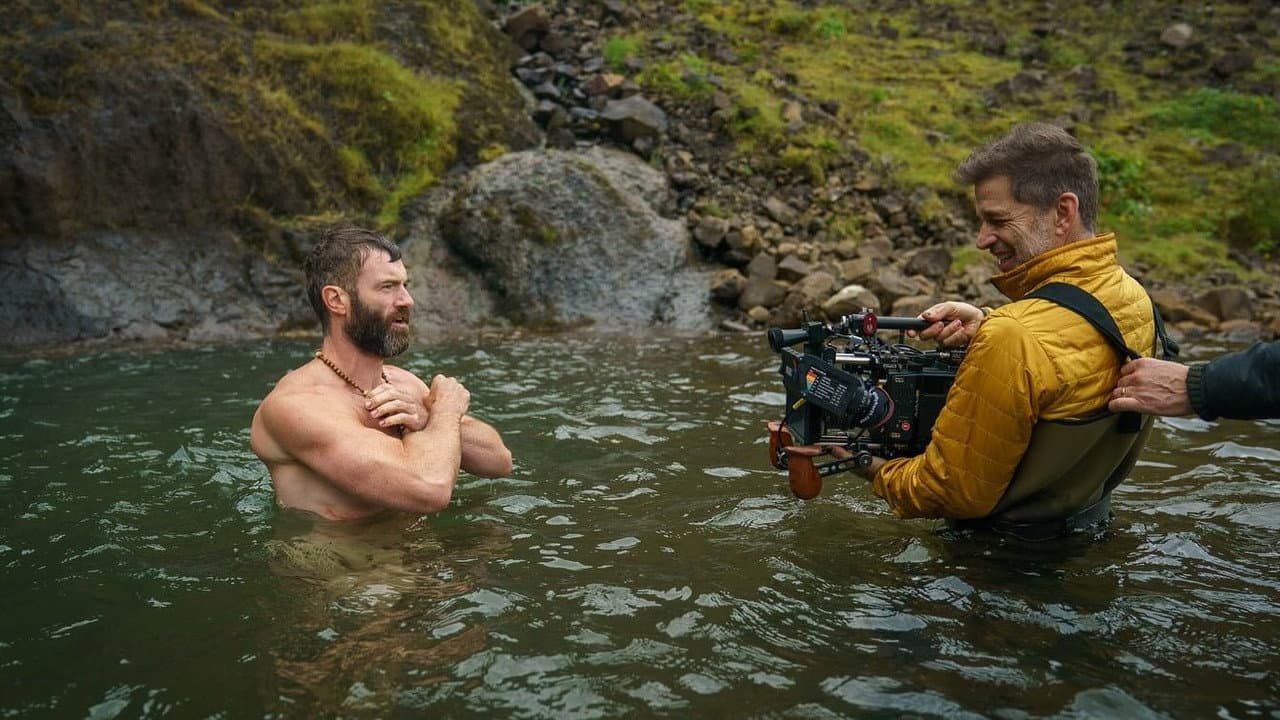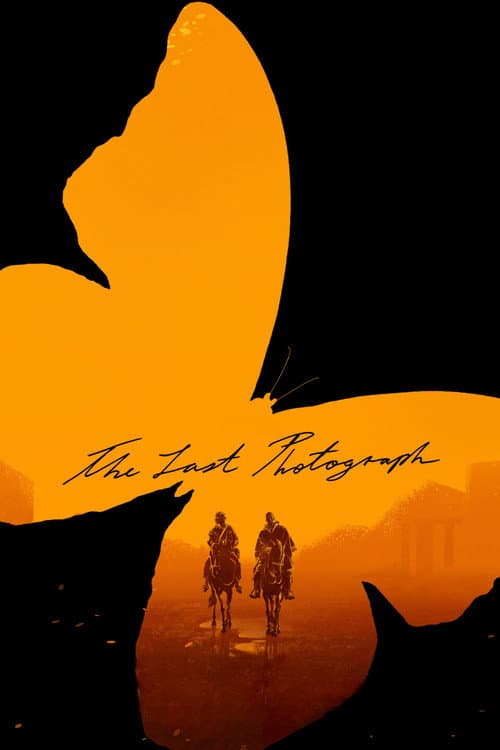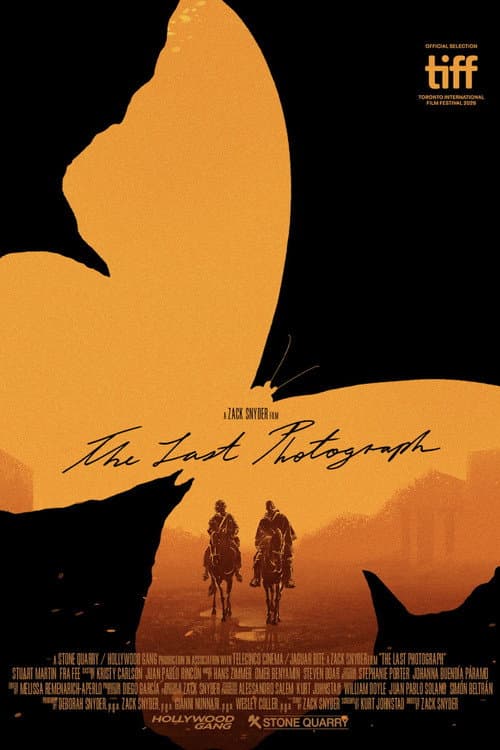
Zack Snyder has spent the better part of two decades building worlds out of comic-book panels and ancient battlefields. With The Last Photograph, which opened in theaters yesterday, he has traded capes and swords for jungle canopy and grief - and the earliest audience responses suggest the swing has landed somewhere between earnest experiment and misfire.
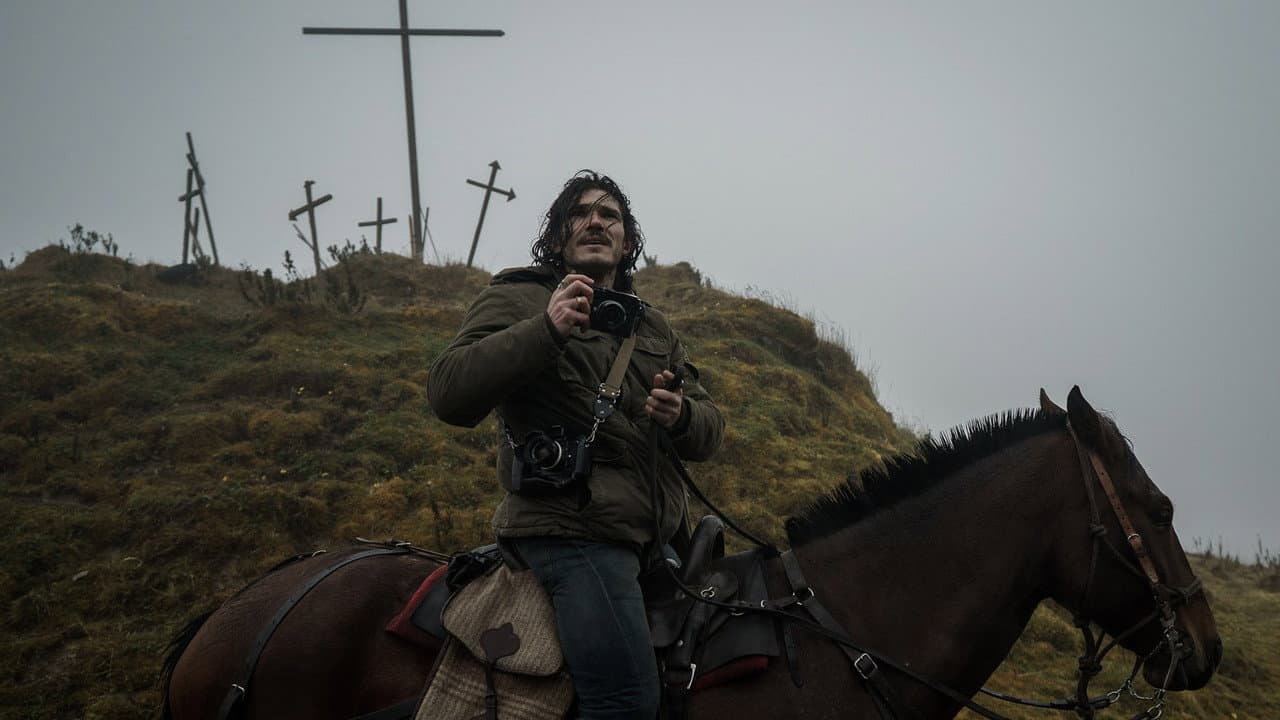
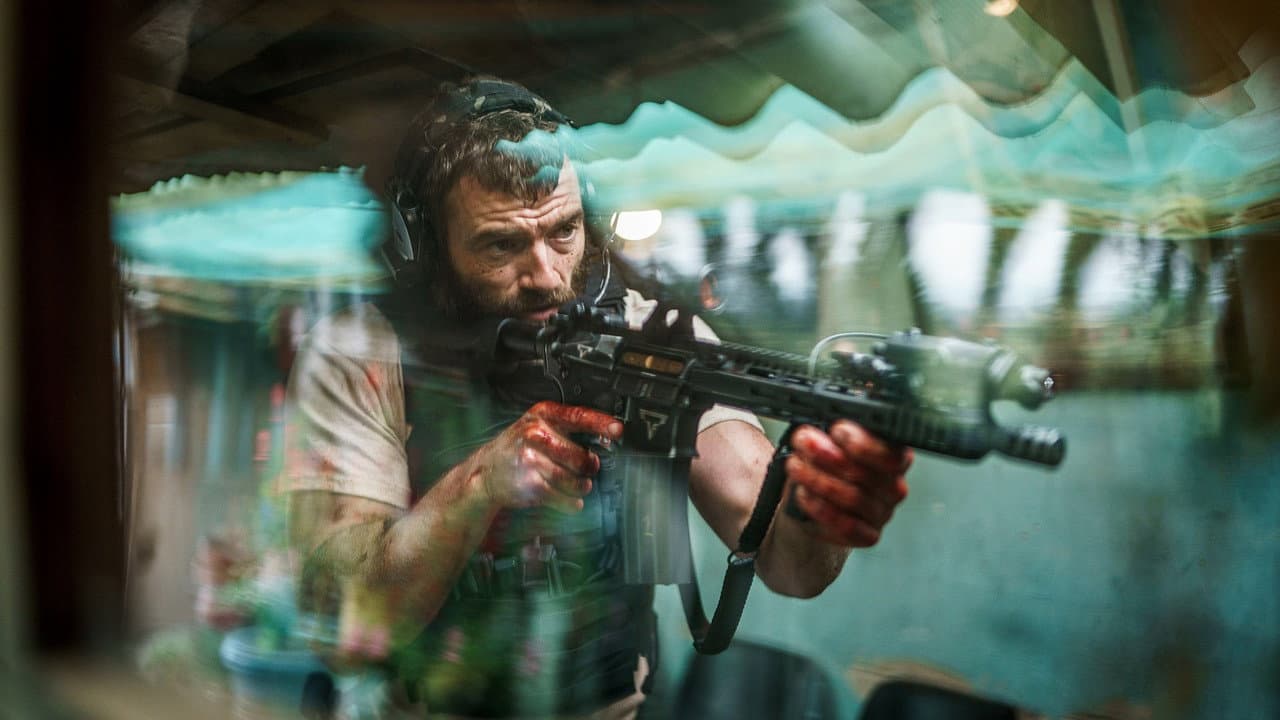
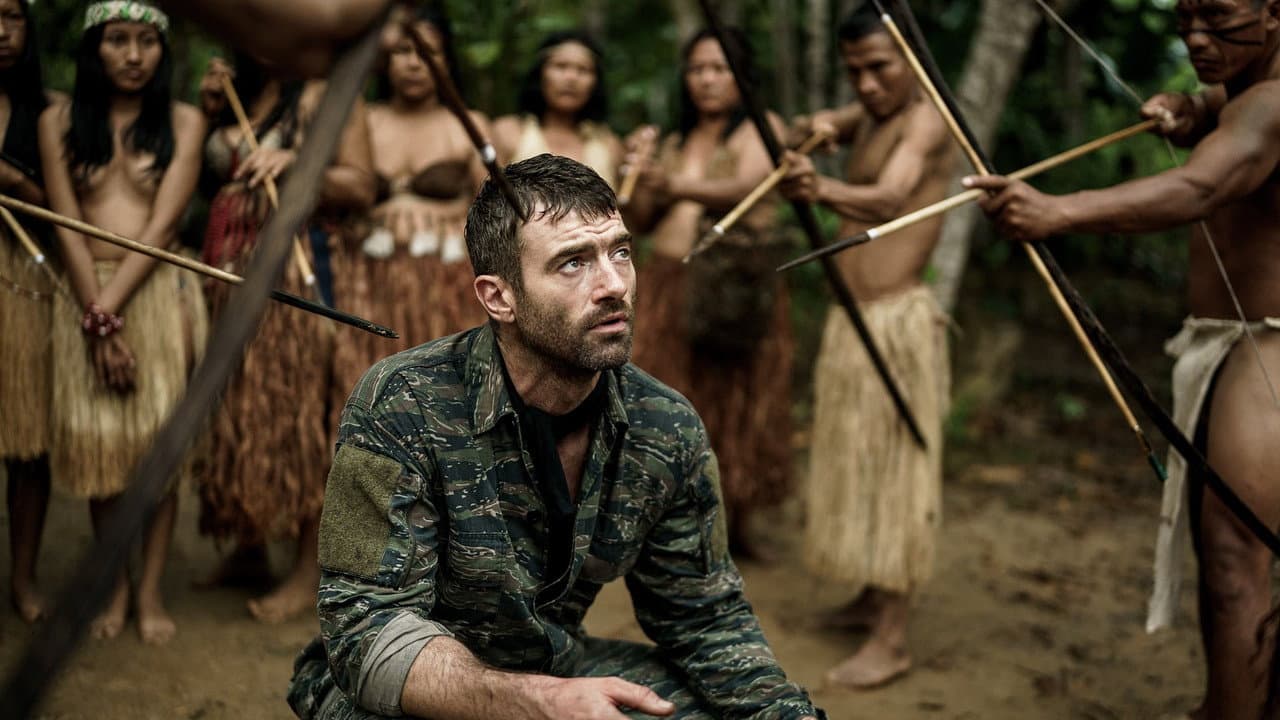
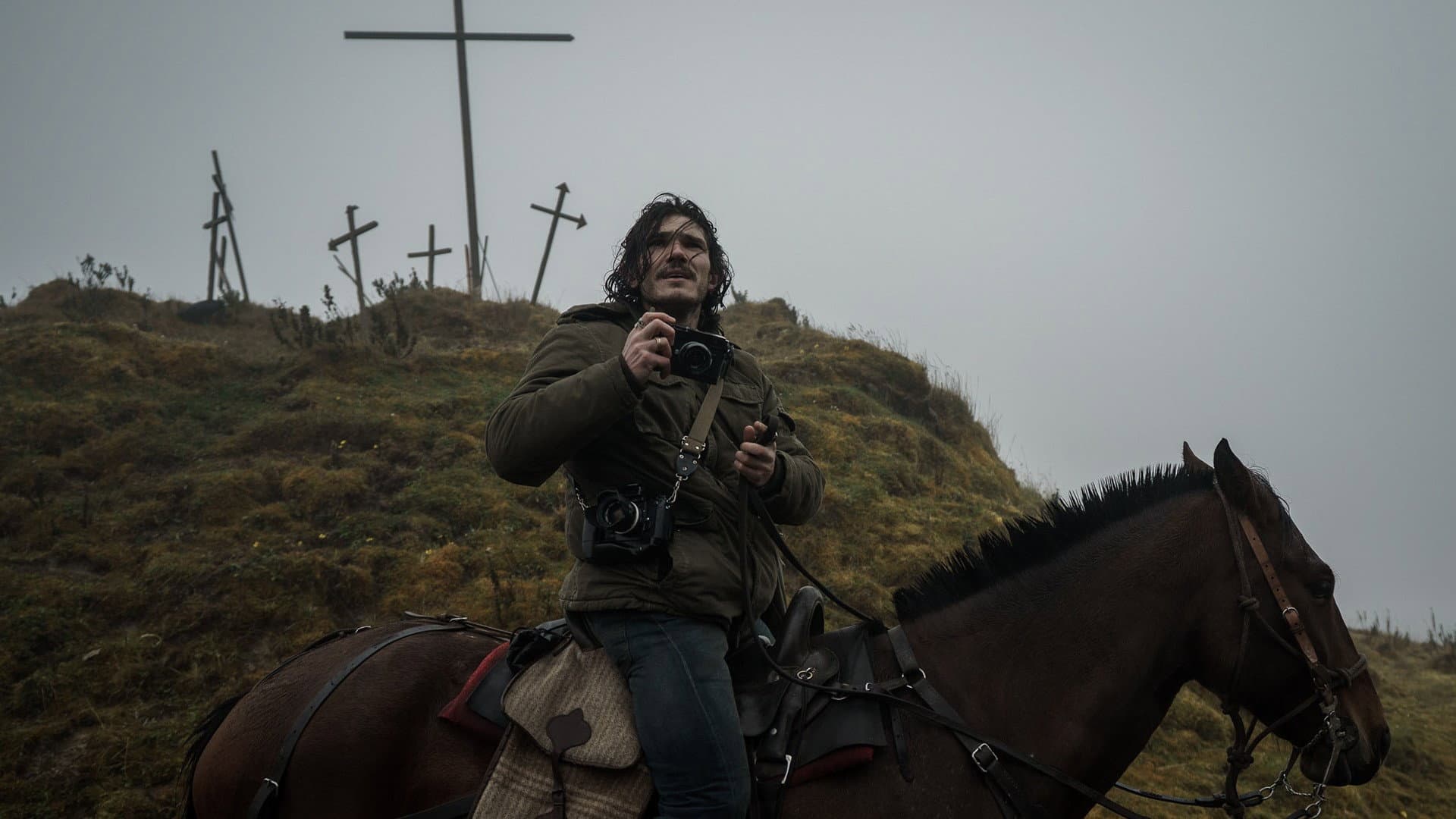
The adventure drama currently sits at a 5.5 out of 10 on TMDb, a middling figure that reflects a sharply divided early viewership. Snyder directed from a story that follows Ethan Black (Stuart Martin), a former DEA operative pulled back into the mountains of South America after the murders of his diplomat brother and sister-in-law. His mission is twofold: locate his missing niece and nephew and uncover who ordered the killings. His only guide is Joe Wallace (Fra Fee), a heroin-addicted war photographer who is the sole living person to have seen the faces of the perpetrators. What begins as a rescue operation gradually becomes an excavation of Ethan's own buried history.
Clocking in at 135 minutes, the film is a departure in subject matter if not in temperament for its director - a stripped-down genre piece with no superpowers to fall back on.
A Familiar Toolkit in Unfamiliar Terrain
The reaction that has coalesced fastest concerns Snyder's visual signature. Slow-motion interludes, desaturated color grading, and a thudding percussion score are all present, and critics who have tired of that vocabulary seem to have tired of it here too. The counterargument, voiced by defenders, is that these tools fit the material better than they ever fit Spartan phalanxes. The South American highlands - shot with an emphasis on scale and isolation - give the director's operatic tendencies a natural home, and several early viewers have singled out the landscape photography as the film's most persuasive element.
The cast has drawn more consistent notice. Stuart Martin carries the lead with a restraint that some have called the film's emotional anchor; his Ethan is a man who talks little and absorbs a great deal. Fra Fee's Joe Wallace is the riskier creation, a character whose addiction and moral corrosion could easily tip into caricature. Reaction suggests Fee keeps him human, though opinion divides on whether the screenplay gives him enough room to justify his centrality. Marlon Moreno and Costanza Andrade round out the principal cast in supporting roles.
The Story Beneath the Story
Snyder has never been shy about grief as a subject, and The Last Photograph places it front and center - not only the loss of family but the guilt that survives it. The premise sets up a conventional manhunt, but the film's second half reportedly pivots toward Ethan's reckoning with his own past, a turn that some early viewers found moving and others found muddled. The title itself points to the tension the movie is working: a photograph as evidence, as memory, as something that can be seen but not changed.
That thematic ambition may explain the split. Films that aim for both visceral thriller mechanics and interior drama often satisfy neither camp on first contact, and the 5.5 rating suggests exactly that dynamic is in play. It is worth noting that Snyder's work has historically drawn stronger reassessment years after release than it has on opening weekend, and a section of the response is already framing this one as a grower rather than an immediate grabber.
What Comes Next
The film's commercial trajectory will depend heavily on whether word of mouth can push past the tepid aggregate score. Snyder retains a committed fanbase, and the promise of a grounded, R-rated-adjacent adventure with a recognizable auteur stamp may be enough to draw audiences who skipped his recent franchise work. The absence of any established IP here cuts both ways: nothing to alienate newcomers, but nothing to guarantee them either.
For now, The Last Photograph stands as the most personal-seeming entry in Snyder's filmography and, by early measure, one of his most polarizing. Whether it is remembered as an underrated pivot or a noble failure will likely be settled well after its theatrical run - which is, in its own way, a very Snyder outcome.
Source: The Hollywood Reporter