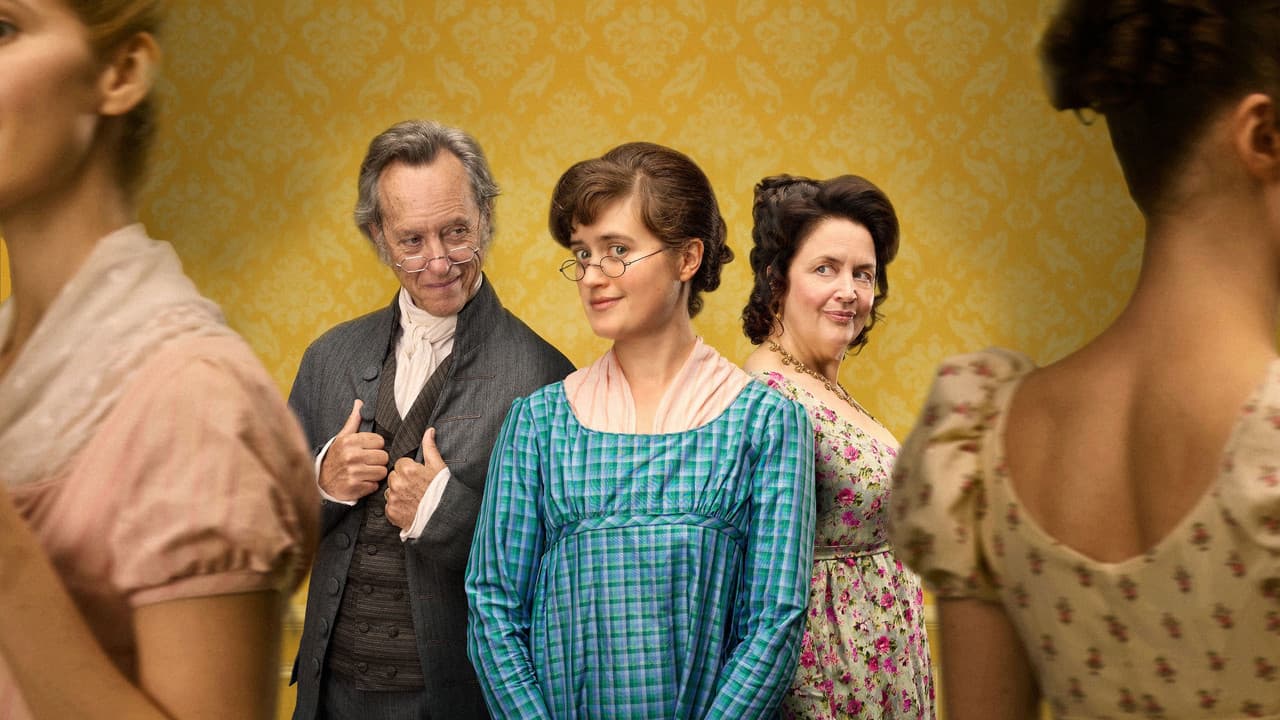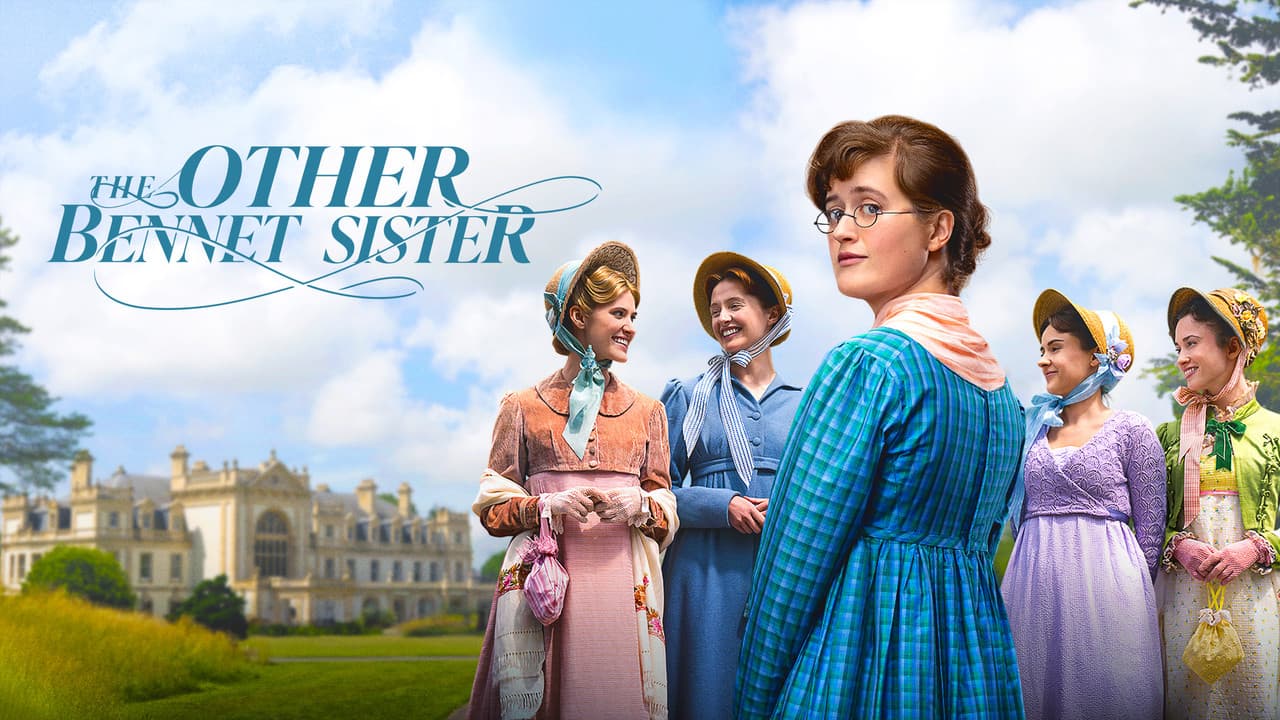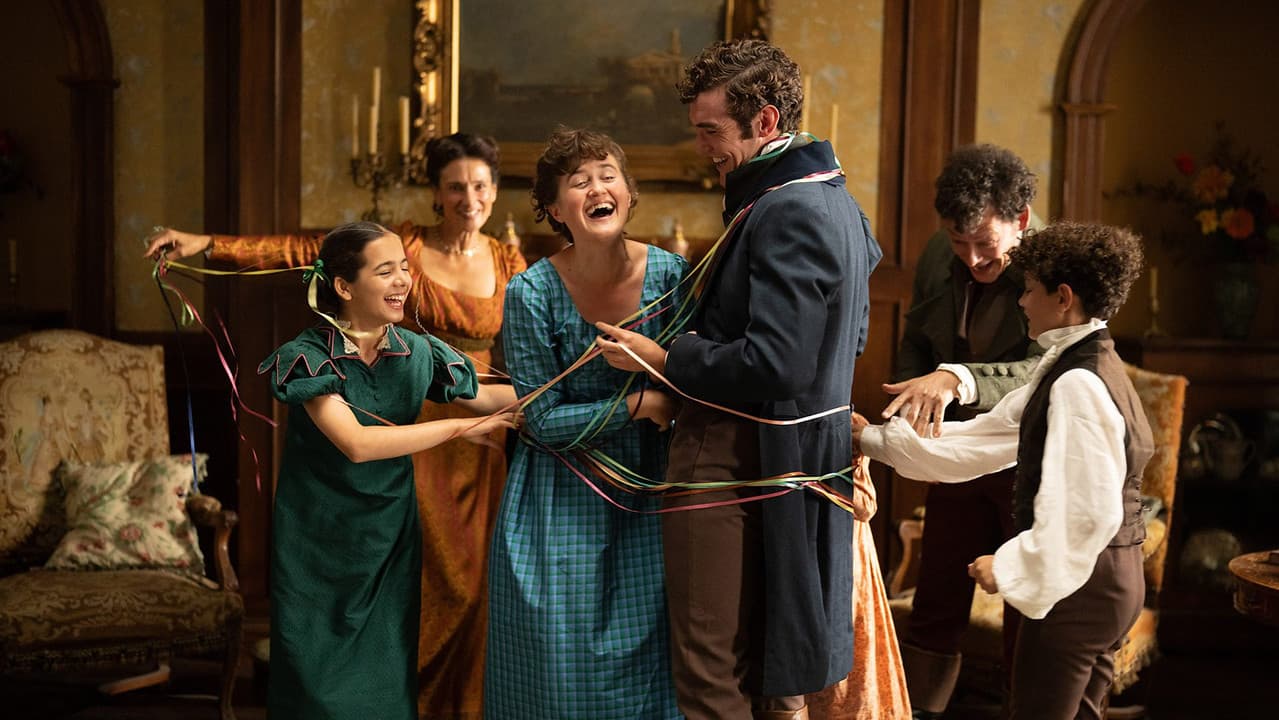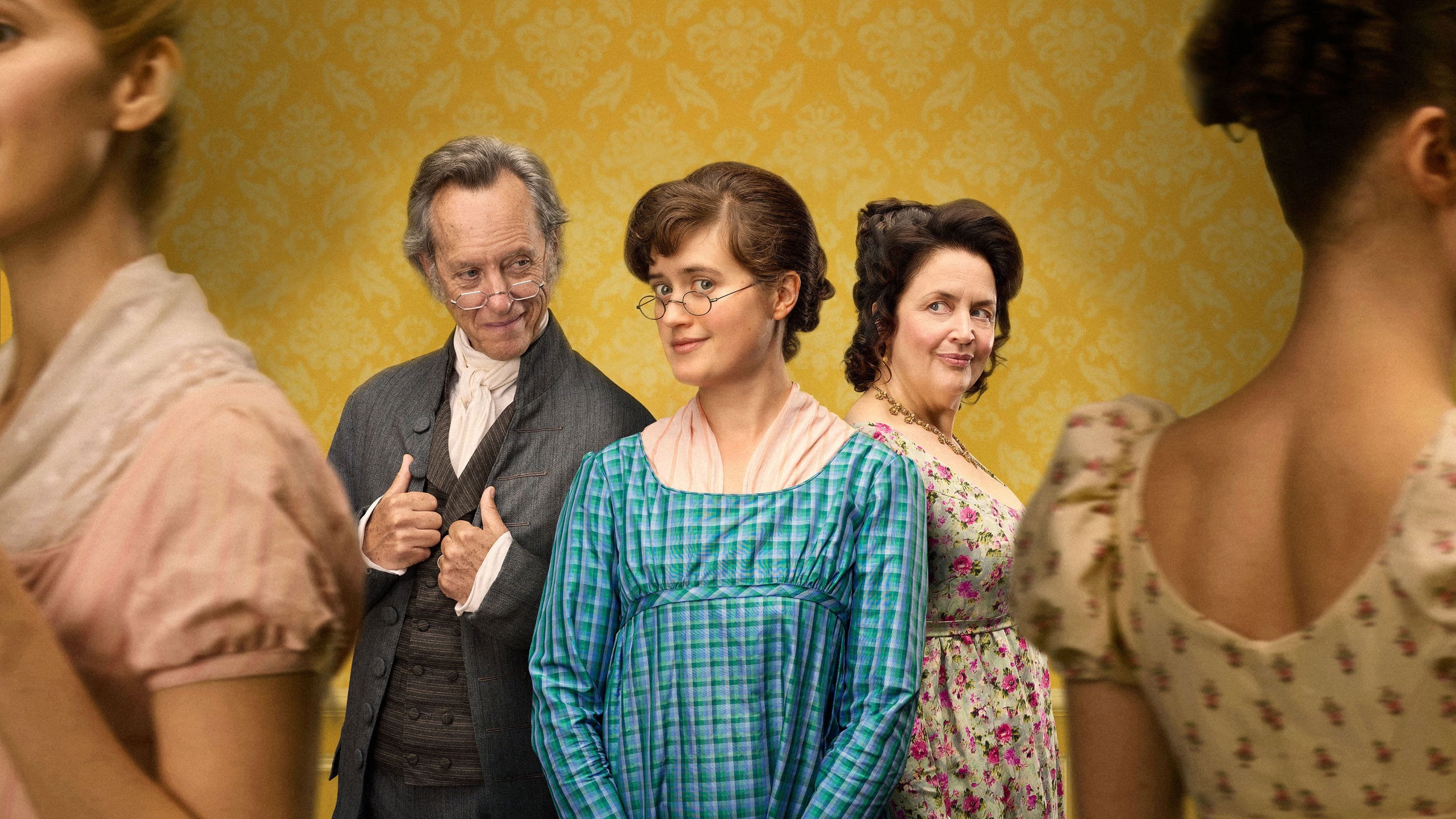
A modest half-hour period comedy with no bankable stars, no recognizable director and a premise that seemed designed for the specialty streaming margins has become one of the year's most improbable success stories. The Other Bennet Sister, released on March 15, 2026, has drawn an 8.2/10 audience rating on TMDb and an 8.3/10 on IMDb - numbers rarely seen for a title of this scale, and a remarkable vote of confidence for a film that arrives with the Hollywood imprimatur but none of the usual studio muscle behind it.
The film centers on Mary Bennet, the bookish, overlooked middle sister of Jane Austen's Pride and Prejudice, and reimagines her as something other than the wallflower the novel leaves her to be. As the official synopsis puts it, "Mary isn't your typical period drama heroine. She is awkward, anxious, preachy, full of facts, a terrible singer, overlooked by her mother and seemingly destined to an empty dance card for the rest of her life… until Mary takes matters into her own hands." That logline - part self-deprecating comedy, part quiet rebellion - has evidently struck a chord far beyond the costume-drama faithful.
A heroine who was never supposed to get a spotlight
What makes the film's performance notable is how thoroughly it inverts the conventions of the genre it inhabits. Austen adaptations have long been star vehicles, built around luminous leads and the promise of romantic rescue. The Other Bennet Sister instead hands its thirty minutes to a protagonist who is, by her own story's admission, preachy, anxious and chronically overlooked. The genres attached to the project - drama and comedy in equal measure - signal that the filmmakers were never aiming for reverent literary adaptation. The result is a portrait of a woman who stops waiting to be chosen.
Ella Bruccoleri carries the title role as Mary Bennet, and the ratings suggest her performance has become the film's calling card. It is a demanding part: Mary must be funny without becoming a punchline and sympathetic without being sanded down into a conventional heroine. That the audience scores on both major aggregators sit above 8 out of 10 indicates Bruccoleri and the creative team found the balance.
An unusual release that found its people
The film's commercial path has been equally unconventional. A 30-minute runtime places it in a category that awards bodies and traditional distributors have historically struggled to place - too long to be a short, too brief to be a feature. Its March 15, 2026 release came without the saturation marketing that typically precedes a Hollywood period title. Yet word of mouth appears to have done what a campaign might have: TMDb's 8.2 and IMDb's 8.3 are strikingly consistent, a sign of genuine viewer enthusiasm rather than a polarized response.
Hollywood's interest in Austen has never really faded, but this project's success points to a narrower, more interesting opportunity. Audiences seem hungry for the supporting characters - the sisters left at the edge of the ballroom, the ones whose stories the novels never bothered to tell. The Other Bennet Sister treats that omission not as a limitation but as the entire point.
What the numbers actually say
It is worth being precise about what this film has and has not achieved. The available data consists of audience ratings, not box-office returns; no ticket figures have been disclosed, and the film's distribution model makes conventional comparisons difficult. What is clear is that two independent audience platforms have converged on an unusually high score for a small, star-light period comedy, and that convergence is itself the story.
For a production with no publicly credited director, that outcome is close to unprecedented. It also raises a question the industry will be asking for months: whether The Other Bennet Sister represents a one-off curiosity or the template for a new kind of Austen adaptation - shorter, stranger, and built around the characters the canon discarded.
For now, the film's achievement is simpler and more satisfying. Mary Bennet spent two centuries as the sister nobody watched. In 2026, audiences did - and by the measure of their ratings, they liked what they saw.
Source: The Hollywood Reporter