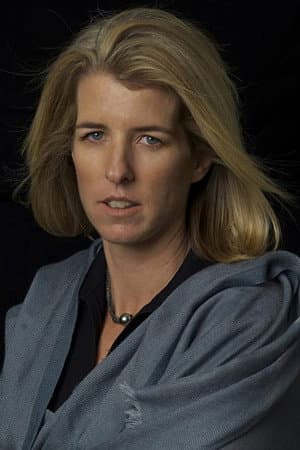
A first look at Rory Kennedy's documentary about the fatal "Rust" shooting and the criminal case that followed has arrived, offering a spare, observational view of a saga that has played out in headlines for years. The trailer for "The Trial of Alec Baldwin" signals a film less interested in spectacle than in process: the slow accumulation of legal maneuvering, courtroom procedure and the human toll of a tragedy that began on a New Mexico film set.
Kennedy, the Oscar-nominated and Emmy-winning filmmaker whose credits include "Last Days in Vietnam" and "Ethel," has built a reputation for embedding with subjects and letting events unfold on camera. That instinct places her in unusual territory here. The story she is chronicling is not a distant historical episode or a remote conflict, but an active legal matter involving a household name, and the trailer suggests she has approached it with the same vérité patience she has applied elsewhere. Cameras appear to sit inside rooms where lawyers confer, families wait and testimony is given, withholding easy conclusions.
The case itself needs little introduction. In October 2021, cinematographer Halyna Hutchins was killed and director Joel Souza was wounded when a prop revolver held by Alec Baldwin discharged during rehearsal on the set of the Western "Rust" near Santa Fe. The incident set off overlapping investigations, civil litigation and a criminal prosecution that has moved through a series of twists, including the dismissal and later revival of charges against Baldwin. Kennedy's film takes the courtroom and its immediate surroundings as its primary setting, and the trailer implies that the legal machinery, rather than any single dramatic moment, is the subject.
A Case That Keeps Returning to Court
What distinguishes this project from the wave of coverage that has followed the case is its emphasis on duration. The title points toward trial rather than incident, and the footage suggests a narrative built from depositions, hearings and the waiting that surrounds them. Legal proceedings of this kind are defined less by verdicts than by continuances, evidentiary disputes and procedural arguments, and Kennedy appears willing to let those rhythms stand. That approach can frustrate viewers seeking a tidy reckoning, but it can also produce a record of how the justice system actually handles a case under intense public scrutiny.
The trailer also gestures at the wider circle of people affected. Armorer Hannah Gutierrez-Reed was convicted of involuntary manslaughter in connection with the shooting, and the film appears to acknowledge that the consequences extend well beyond its central figure. Hutchins' family, crew members who witnessed the discharge, and the production's insurers and backers all occupy space in the story. Kennedy's camera seems drawn to those margins, where the cost of the event is measured in grief, disrupted careers and unanswered questions rather than in legal filings.
A Filmmaker Known for Access
Kennedy's presence as director is itself a notable fact of the project. She has spent much of her career gaining entry to institutions and individuals that typically keep cameras at a distance, from the campaign trail to the military to her own family's history. That background suggests the film may contain material not previously aired, though the trailer does not specify what new access was granted or which participants agreed to appear. No cast list, running time or release date has been confirmed, and the promotional material released so far focuses on tone rather than logistics.
Documentaries about notorious criminal cases carry a particular risk: they can harden into advocacy or collapse into reenactment. The early indications here point in a different direction, toward a procedural portrait that trusts the viewer to sit with ambiguity. Whether that restraint holds across the full film is the central question the trailer leaves open.
For an audience that has absorbed years of incremental updates about the "Rust" shooting, the appeal of a vérité treatment lies in its refusal to summarize. Kennedy appears to be offering not an argument but an immersion, and in a case where so much remains contested, that may be the most valuable thing a filmmaker can provide.
Source: The Hollywood Reporter