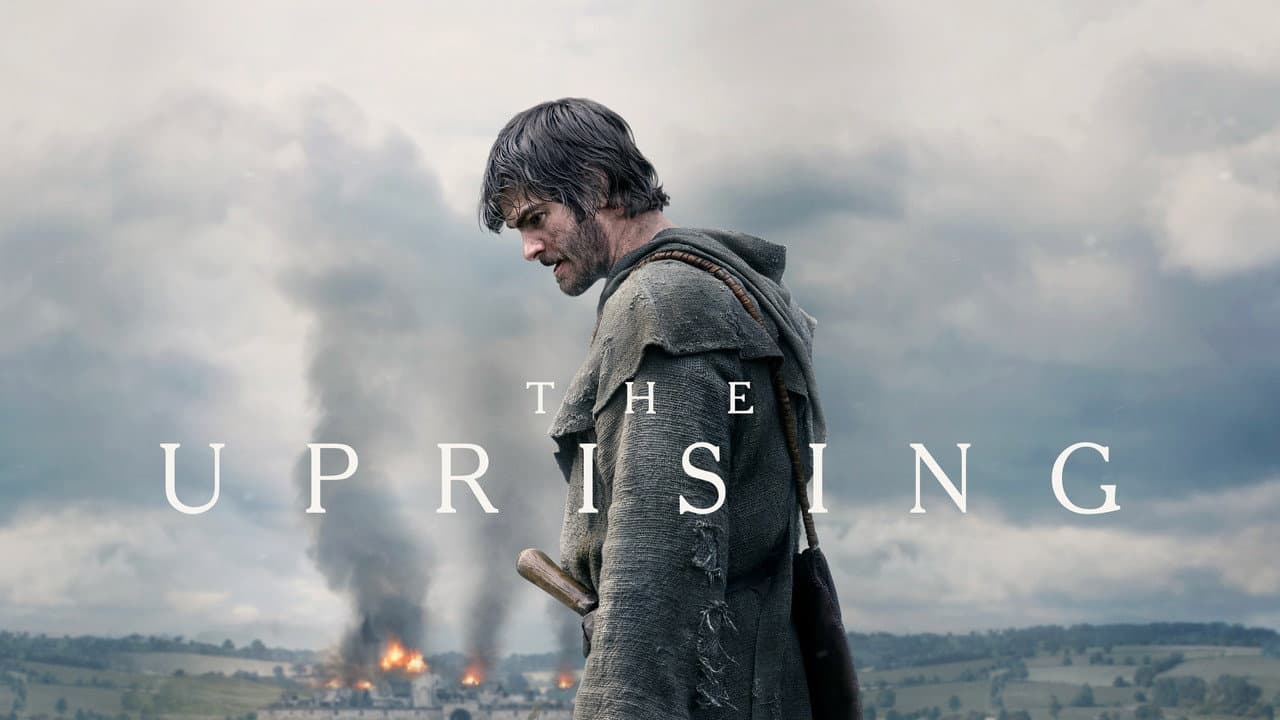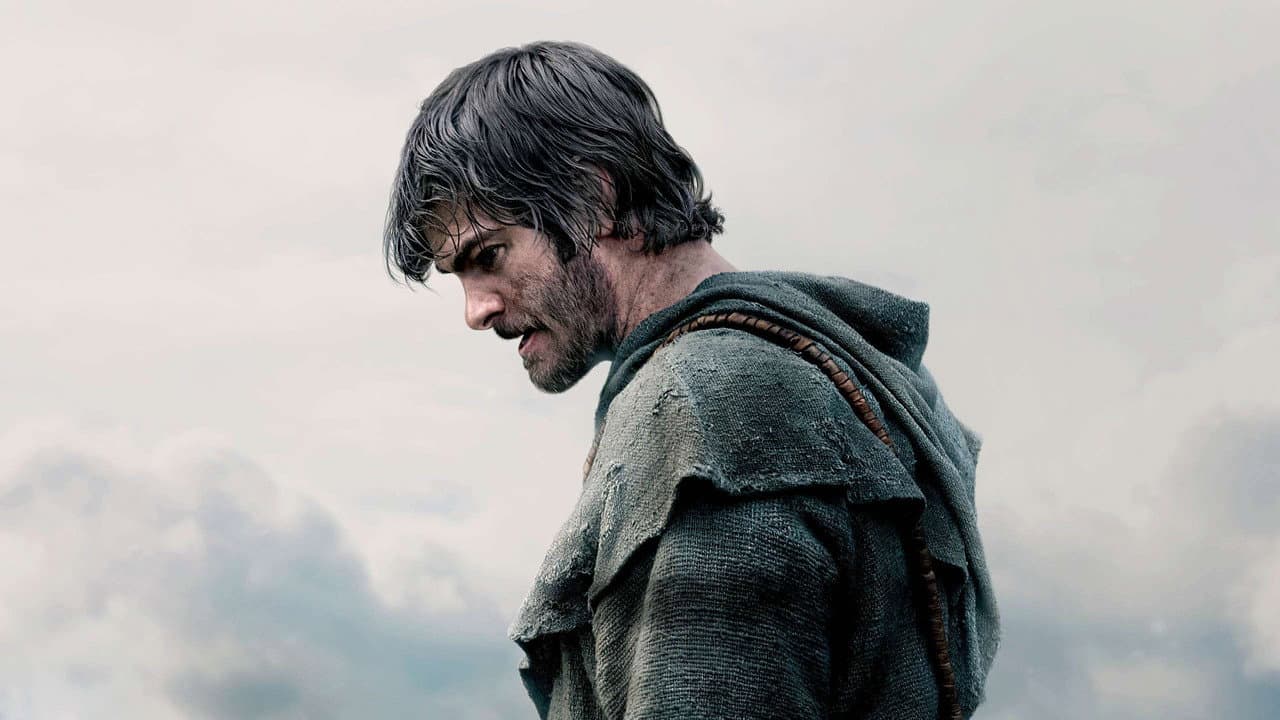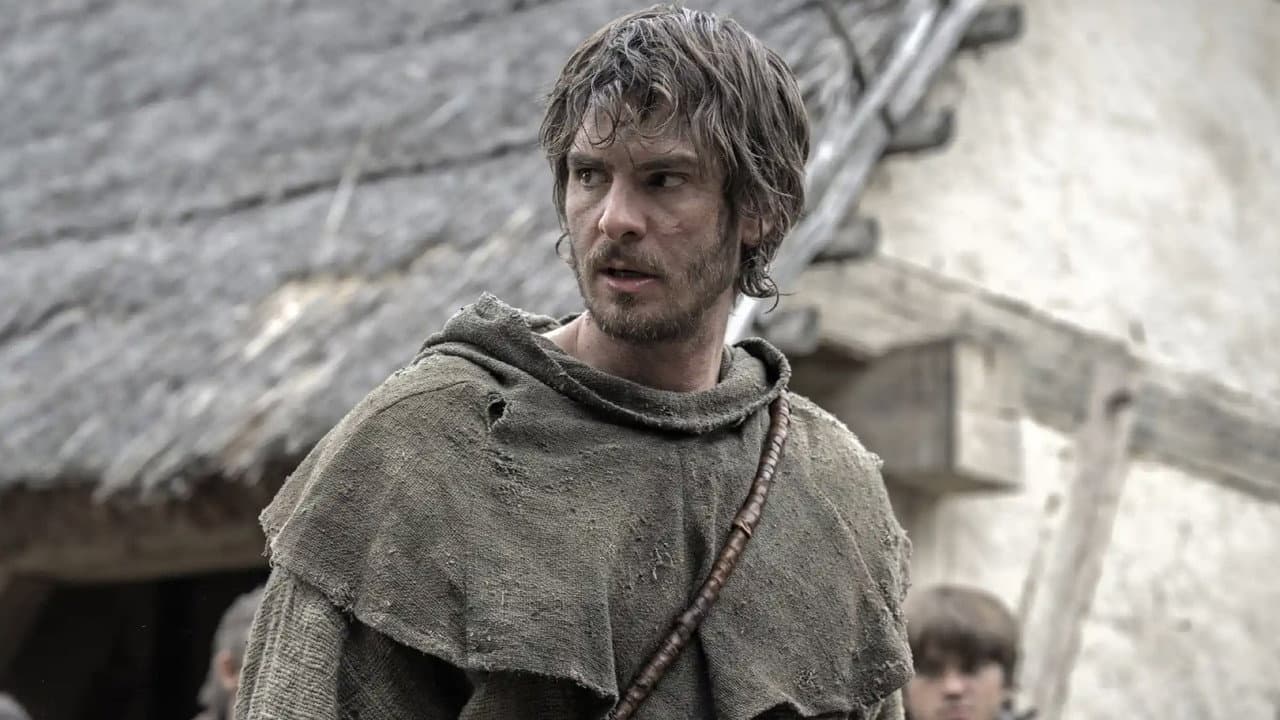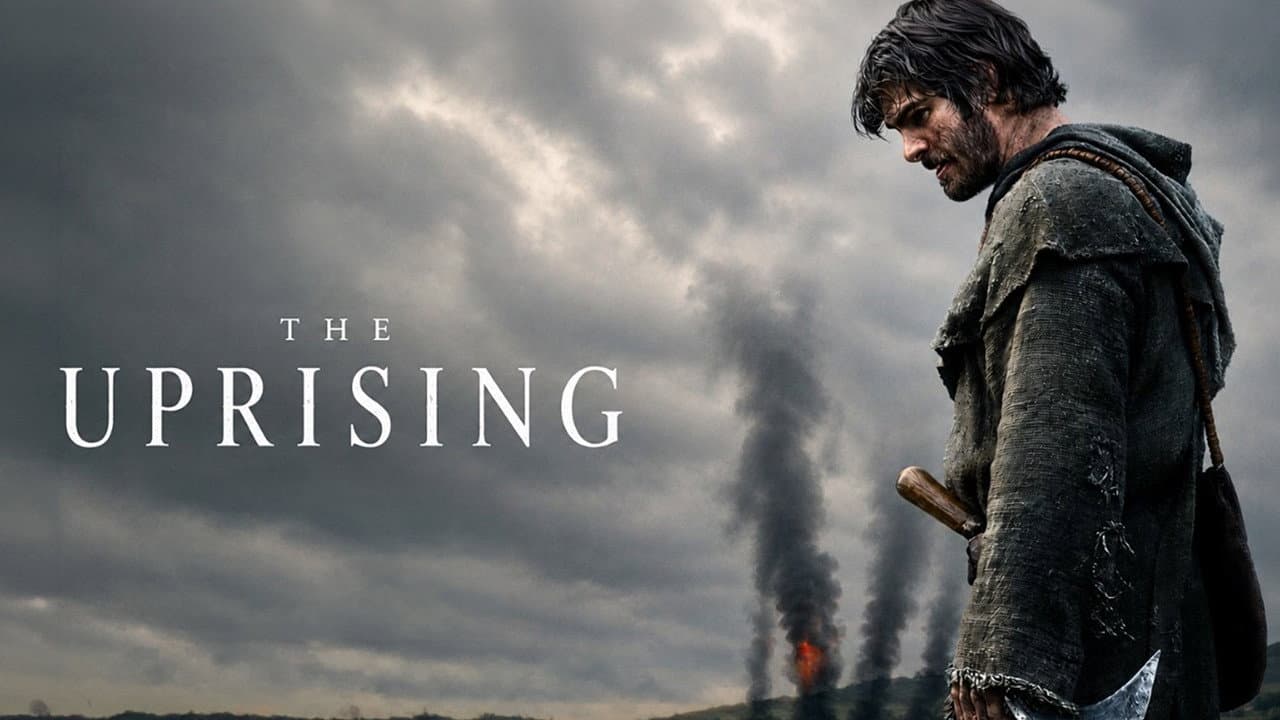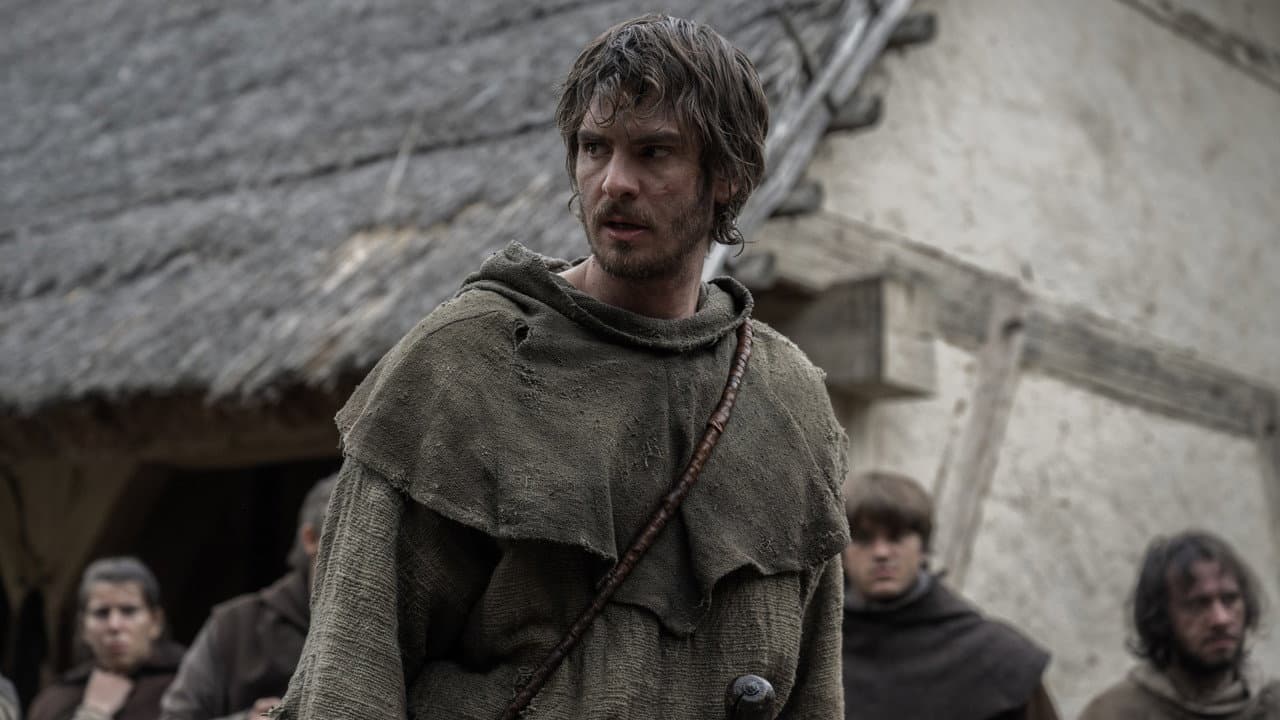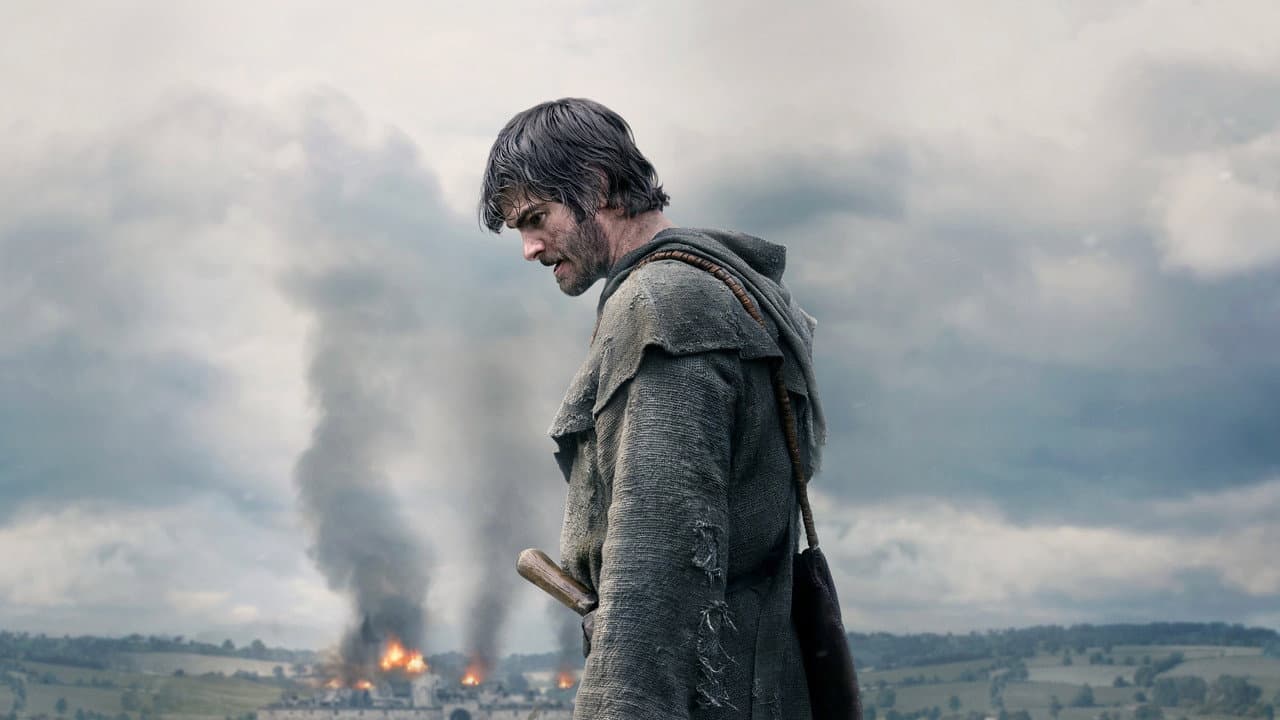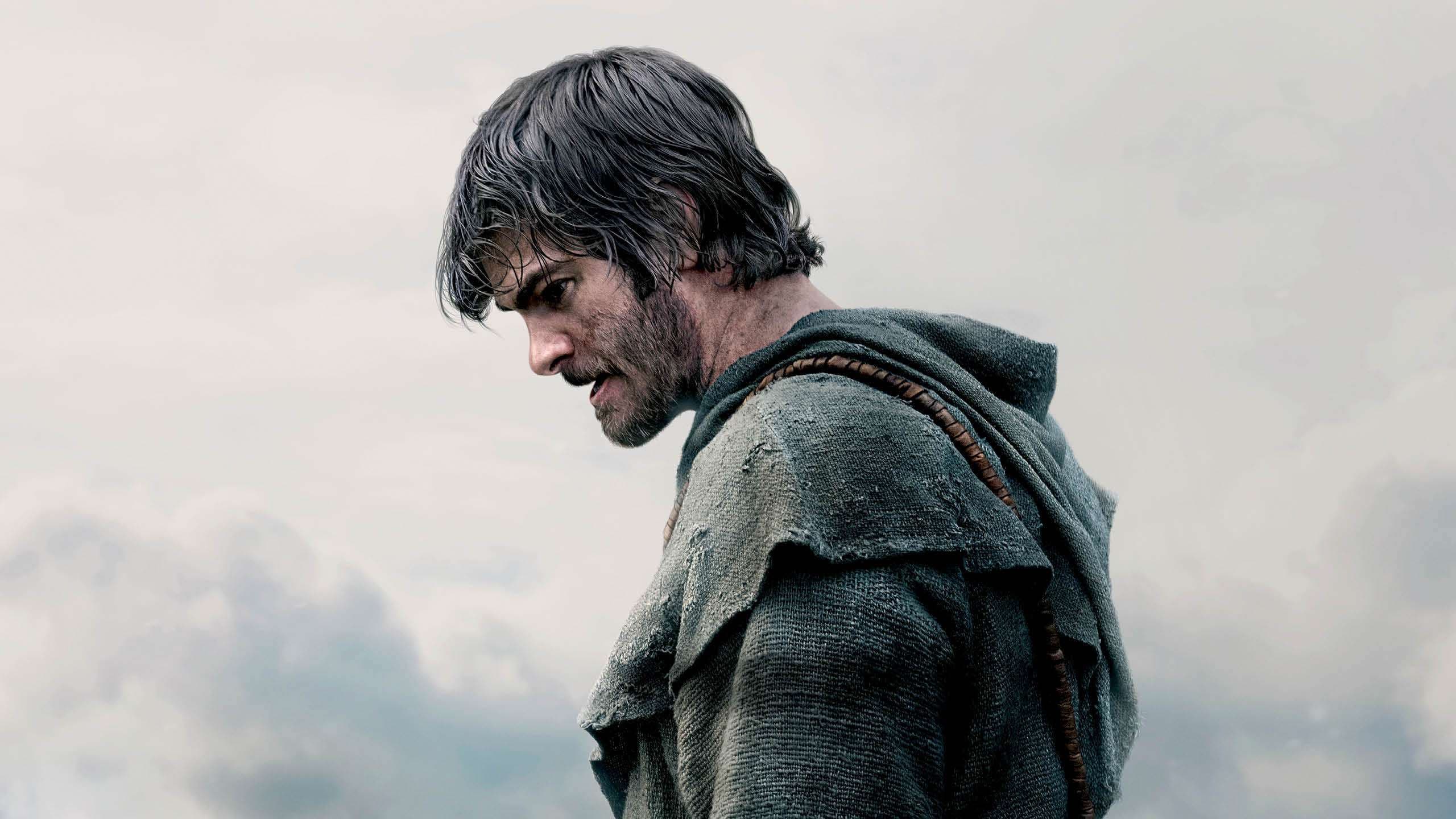
Andrew Garfield says the 1 percent should be paying attention to his new film, and he isn’t mincing words about it. In the run-up to the Thursday release of Paul Greengrass’s historical epic The Uprising, the actor told reporters that modern billionaires ought to be “scared sh**less” by the story’s central theme - a mass revolt against entrenched power. Garfield, who stars as a nameless ploughman who becomes the face of a peasant rebellion, argued that the film’s 14th-century setting speaks directly to contemporary anxieties about inequality and systemic injustice.
The film, which opens September 10, 2026, follows a peasant who, amid war and plague ravaging England, rallies commoners to challenge the King’s authority. Garfield’s character, credited simply as “Ploughman,” anchors a sprawling cast that includes Jamie Bell as the radical priest John Ball, Cosmo Jarvis as the historical rebel leader Wat Tyler, and Woody Norman as a young Richard II. Tom Hollander plays Sir Robert Hales, the Lord Treasurer targeted by the uprising, while Stephen Dillane, Thomasin McKenzie, and Jonny Lee Miller round out the ensemble. At 128 minutes, the drama-action hybrid is Greengrass’s most ambitious period piece to date, trading his usual modern-set thriller territory for medieval mud and steel.
Speaking at a press event ahead of the premiere, Garfield framed the movie not as a dusty history lesson but as a mirror for current power dynamics. He pointed to the widening gap between the ultra-wealthy and everyone else, suggesting that the film’s rebellion - born of starvation, conscription, and a crown that ignores its people - has clear parallels to today’s climate of frustration and division. The actor’s blunt language reflects the film’s own confrontational spirit; The Uprising does not romanticize rebellion so much as dramatize its messy, violent necessity.
Greengrass, known for the visceral realism of films like Captain Phillips and the Bourne franchise, brings his signature handheld intensity to the medieval battlefield. Early reviews have not yet been published, with the film’s aggregate score still sitting at zero, but the director’s track record suggests a muscular, historically grounded approach. The screenplay reportedly draws on the events of the 1381 Peasants’ Revolt, a rare moment when England’s working poor shook the throne - and paid a bloody price for doing so. Garfield’s ploughman is a composite figure, embodying the anonymous thousands who took up arms, while Jarvis’s Wat Tyler and Bell’s John Ball anchor the story in documented history.
The actor’s comments have already sparked debate online, with some praising his willingness to make political statements and others accusing him of oversimplifying complex history. Garfield, however, seemed unbothered by the criticism. He argued that art’s job is to provoke, and that a story about ordinary people overthrowing an indifferent elite should make those at the top uneasy. He stopped short of naming specific billionaires or politicians, instead describing a systemic rot that allows a few to hoard resources while millions struggle - a message he said the film delivers without preaching.
For audiences, The Uprising offers a different kind of blockbuster: a period war epic with philosophical weight. Greengrass’s direction promises chaotic battle sequences - the press notes emphasize hand-to-hand combat and siege warfare - but the film’s heart is in its quieter moments: a peasant woman burying her child, a priest whispering sedition in a village square, a young king realizing his crown means nothing without an army. It is, in many ways, a story about the cost of justice, and Garfield’s character bears the full brunt of that burden.
The timing of the release, less than two months before the U.S. midterm elections, has led some observers to wonder whether the film’s themes will resonate politically. Garfield declined to weigh in on specific campaigns, but he made clear he hopes the movie sparks conversations about labor rights, taxation, and who truly holds power. He noted that history’s revolts often begin with a single person saying “enough” - and that the film’s anonymous ploughman represents that spark in every era.
Whether The Uprising will translate its incendiary message into box-office gold remains to be seen. With no pre-release critical consensus and a cast full of respected but not necessarily commercial names, the film faces an uphill battle against franchise fare. But Greengrass’s reputation for smart, tense filmmaking, combined with Garfield’s passionate promotion, could give it a solid opening weekend. For now, the actor’s provocative soundbite has achieved its goal: drawing eyes to a movie about people who had nothing - and dared to demand everything.
Source: The Hollywood Reporter