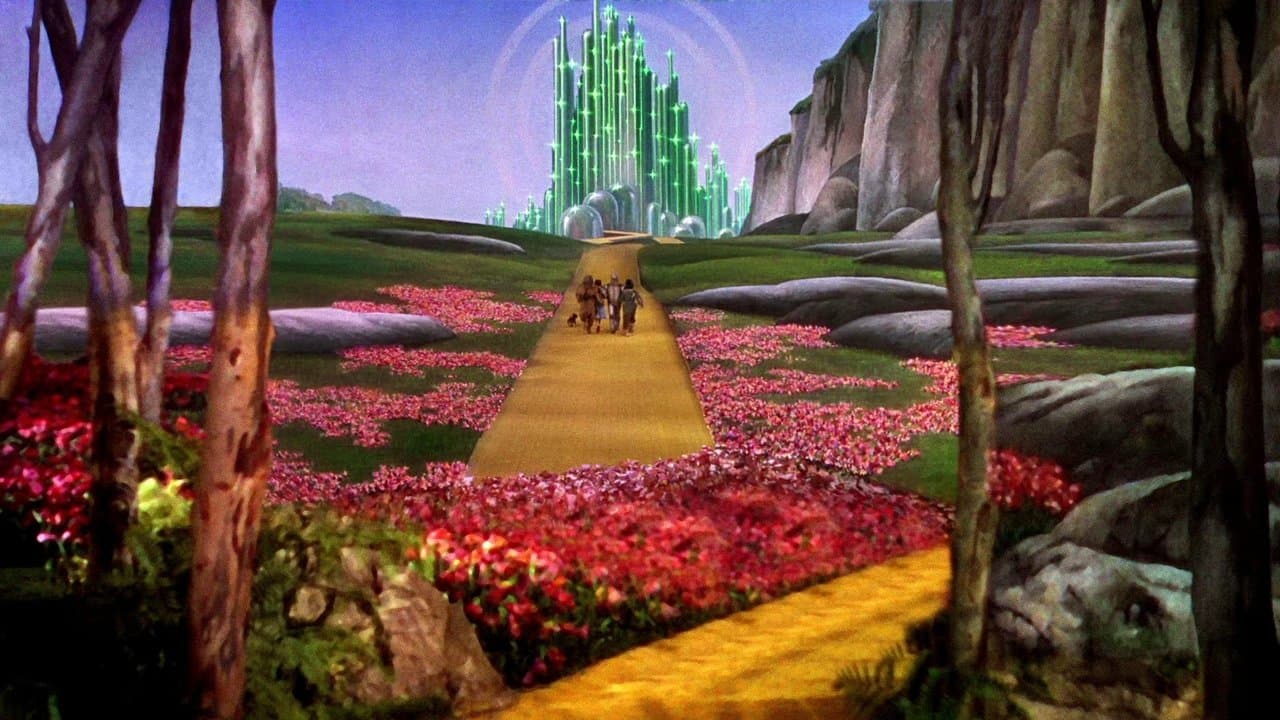
The filmmaker behind the documentary "A Want in Her" has announced that her next project will be a work of fiction, and she credits a very unlikely muse for helping her get there: Victor Fleming's 1939 classic "The Wizard of Oz." The director said the MGM musical fantasy served as a major point of reference during the making of her documentary, and that its influence has carried over into her first narrative feature.
"A Want in Her" earned attention on the festival circuit for its intimate, observational style, and its creator has spoken at length about how she studied "The Wizard of Oz" while shaping the film's visual and emotional language. The connection may seem surprising at first glance. One is a black-and-white documentary about real people and real circumstances; the other is a Technicolor adventure about a Kansas farm girl swept into a land of witches, wizards and talking trees. But the director has argued that the two share more DNA than audiences might expect, particularly in how each treats the idea of longing for something just out of reach.
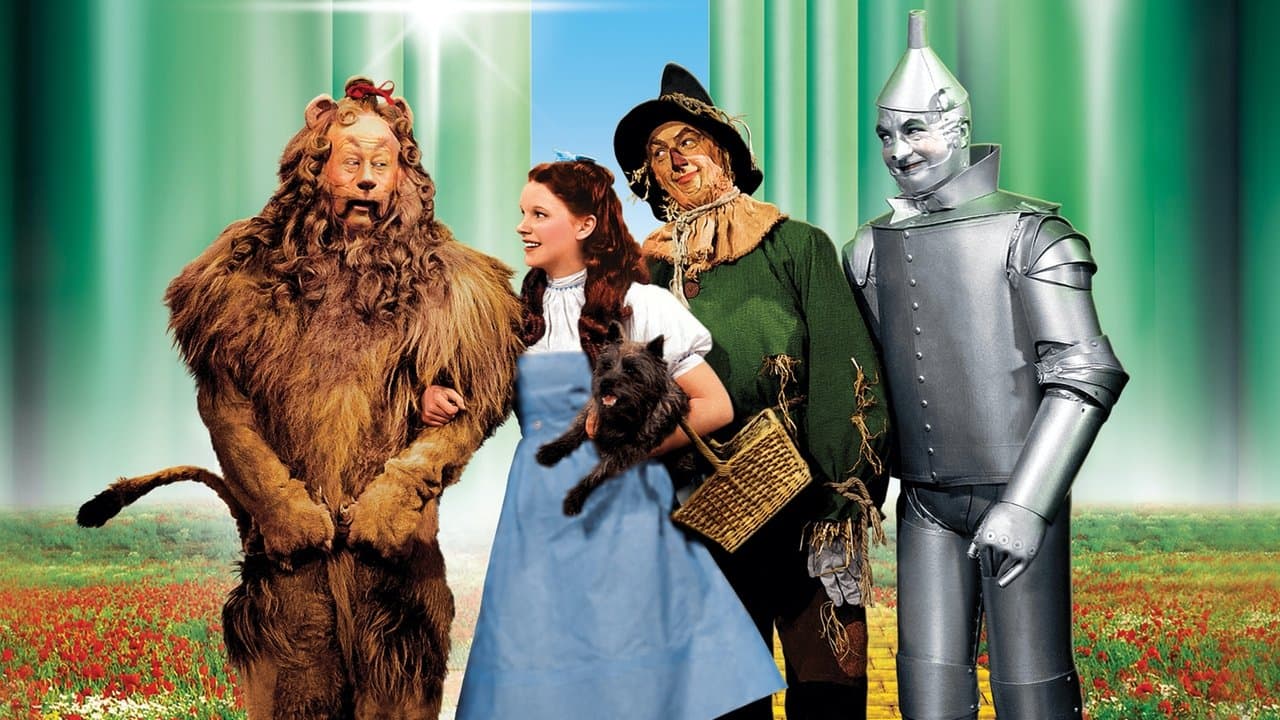
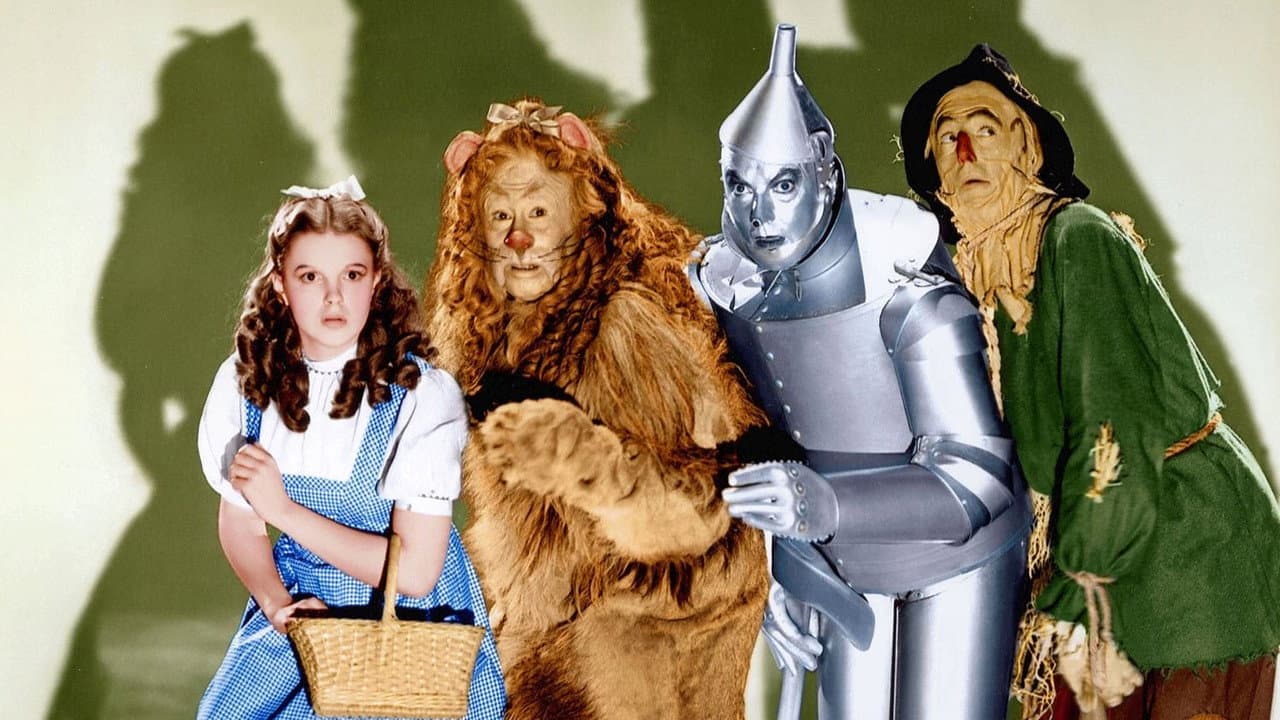
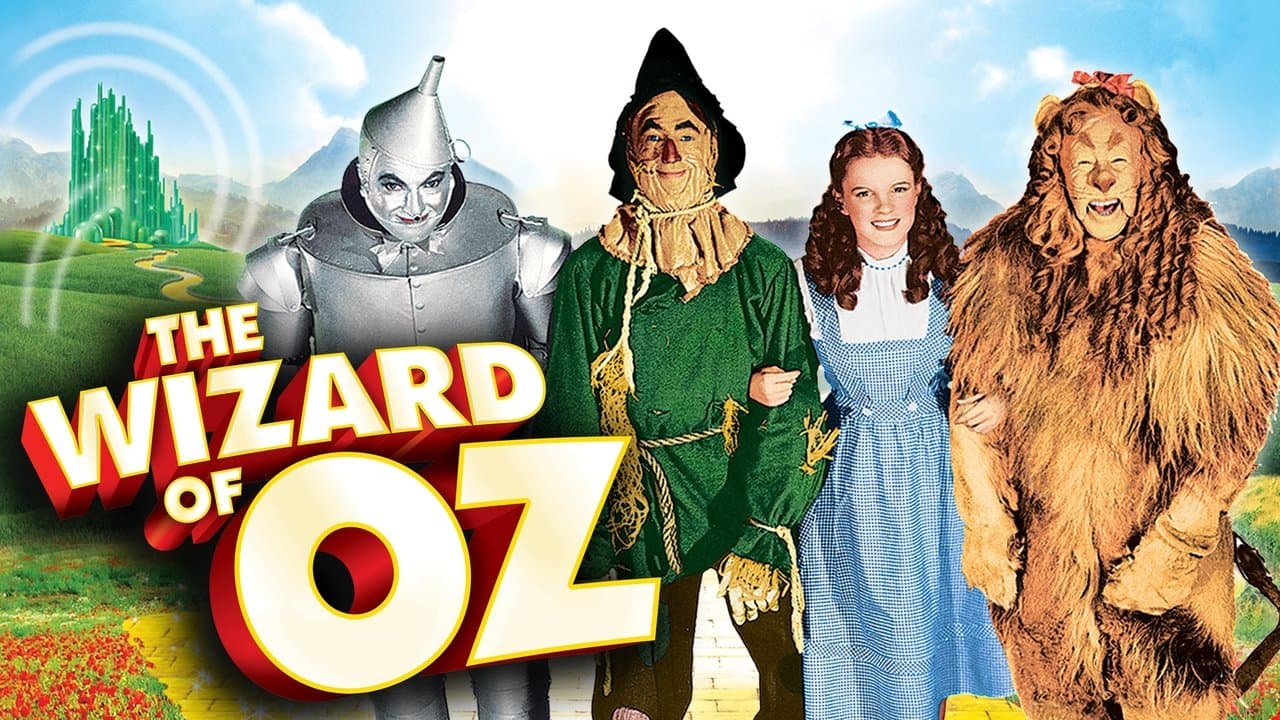
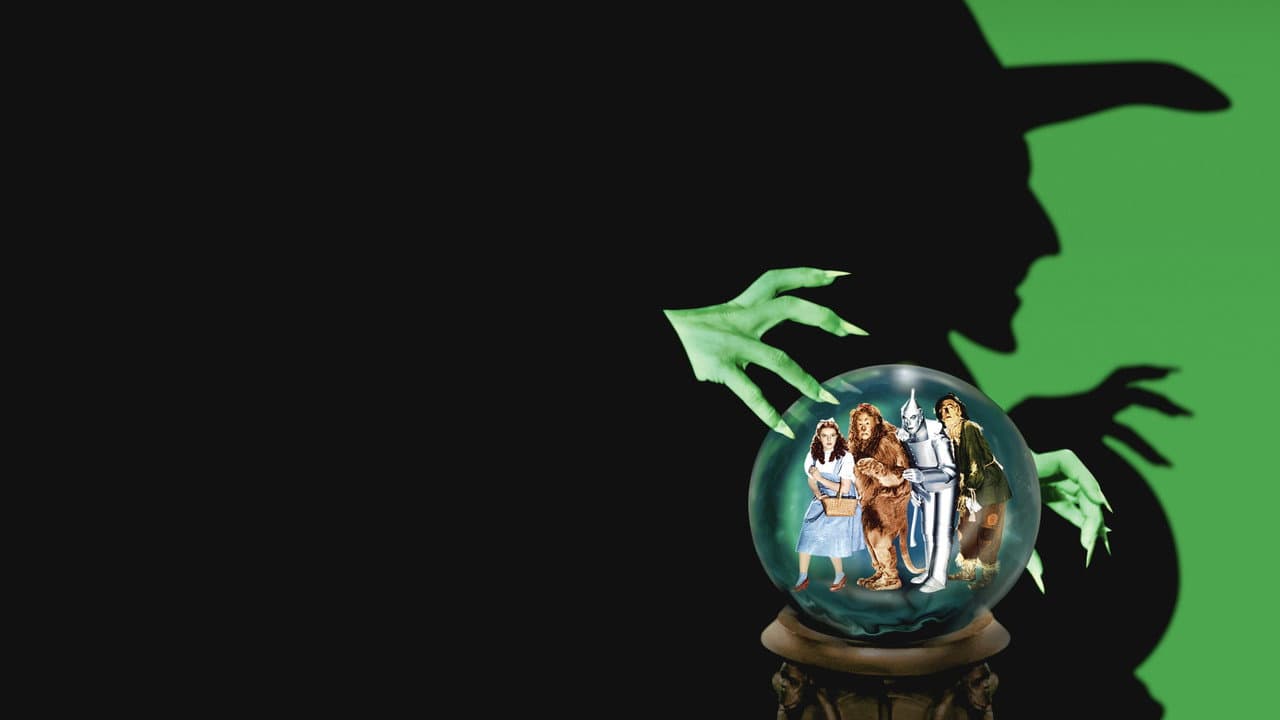
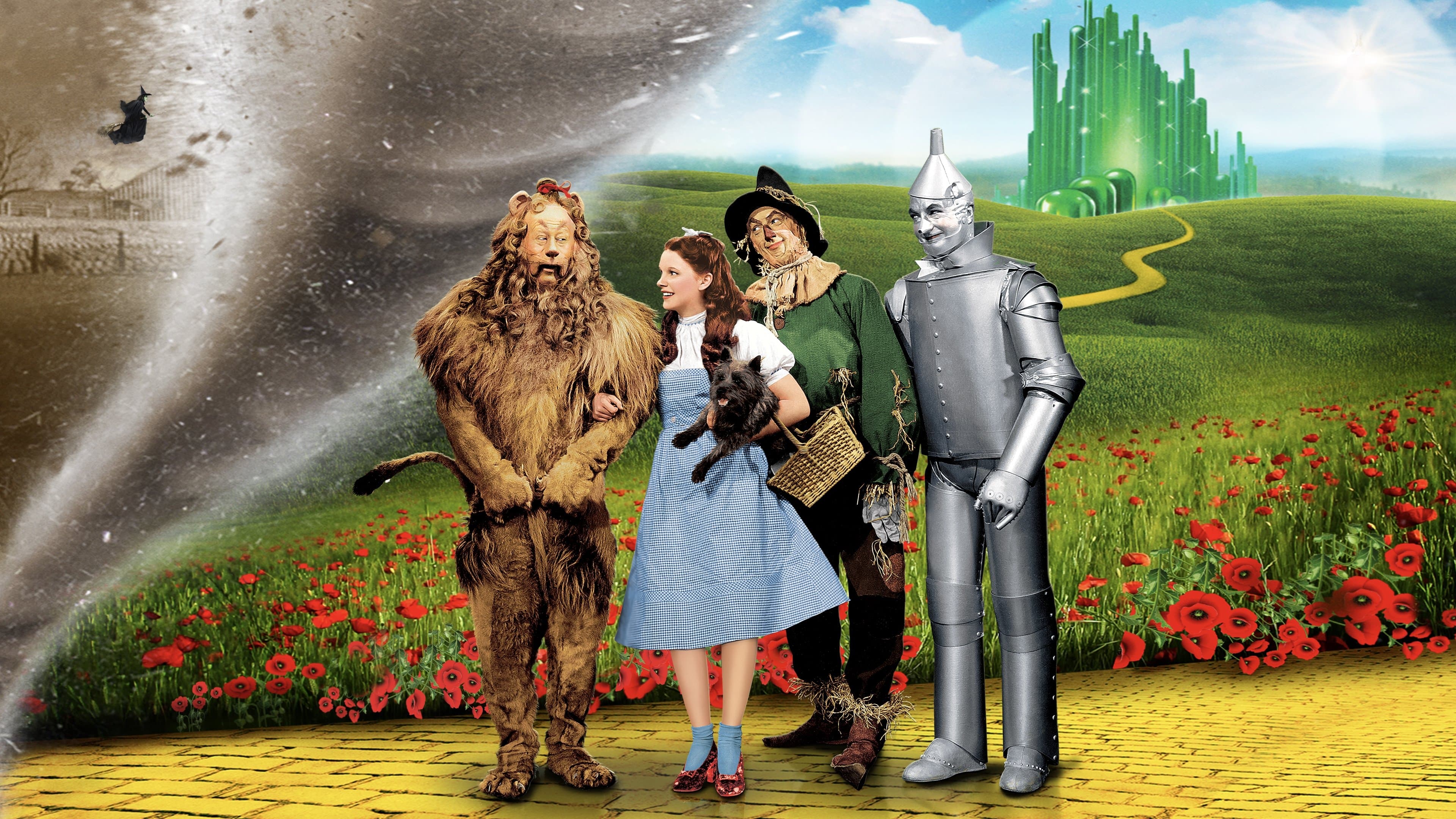
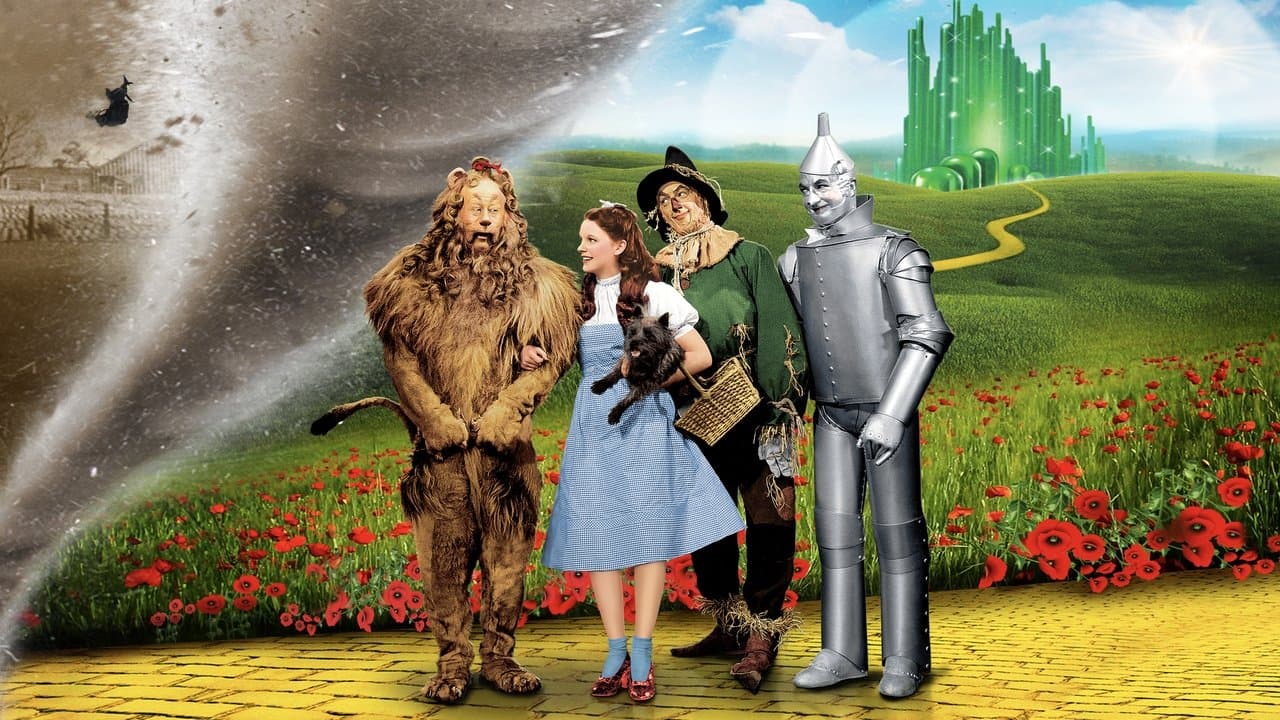
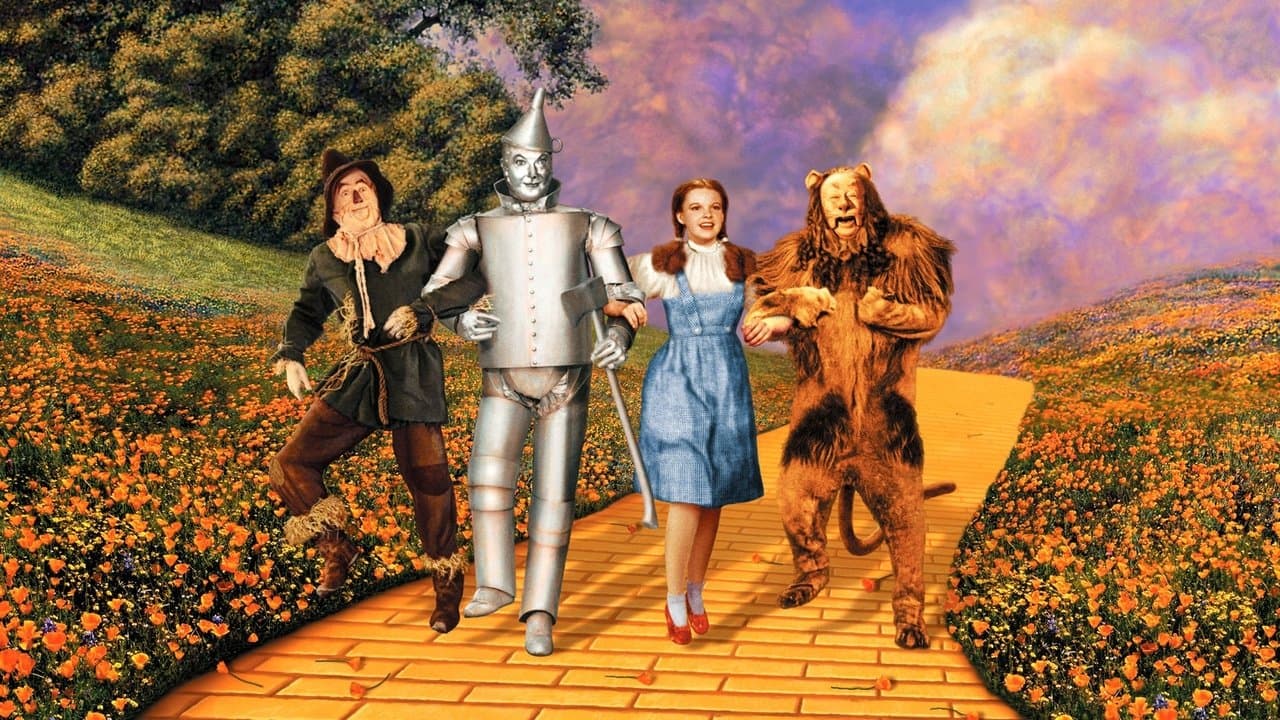
Released on August 21, 1939, "The Wizard of Oz" follows young Dorothy as she finds herself in a magical world, where she befriends a lion, a scarecrow and a tin man. Together they travel the yellow brick road to speak with the Wizard and ask for the things they miss most in their lives. The only thing that could stop them is the Wicked Witch of the West. Directed by Fleming, the film stars Judy Garland as Dorothy, Ray Bolger as the Scarecrow and Hunk, Jack Haley as the Tin Man and Hickory, Bert Lahr as the Cowardly Lion and Zeke, Frank Morgan as Oz and Professor Marvel, Margaret Hamilton as the Wicked Witch of the West and Miss Gulch, Billie Burke as Glinda and Clara Blandick as Auntie Em.
A Template for Emotional Storytelling
Part of what makes "The Wizard of Oz" such an enduring touchstone, and such a useful one for a documentary filmmaker, is its structure. Dorothy spends the film pursuing a way home, only to discover that the answer was with her all along. That kind of emotional architecture, in which a character's stated goal masks a deeper need, is precisely the sort of thing a nonfiction filmmaker has to locate in real people rather than invent. The director has said she returned to the film repeatedly while editing "A Want in Her," using its clarity of desire as a benchmark for her own storytelling.
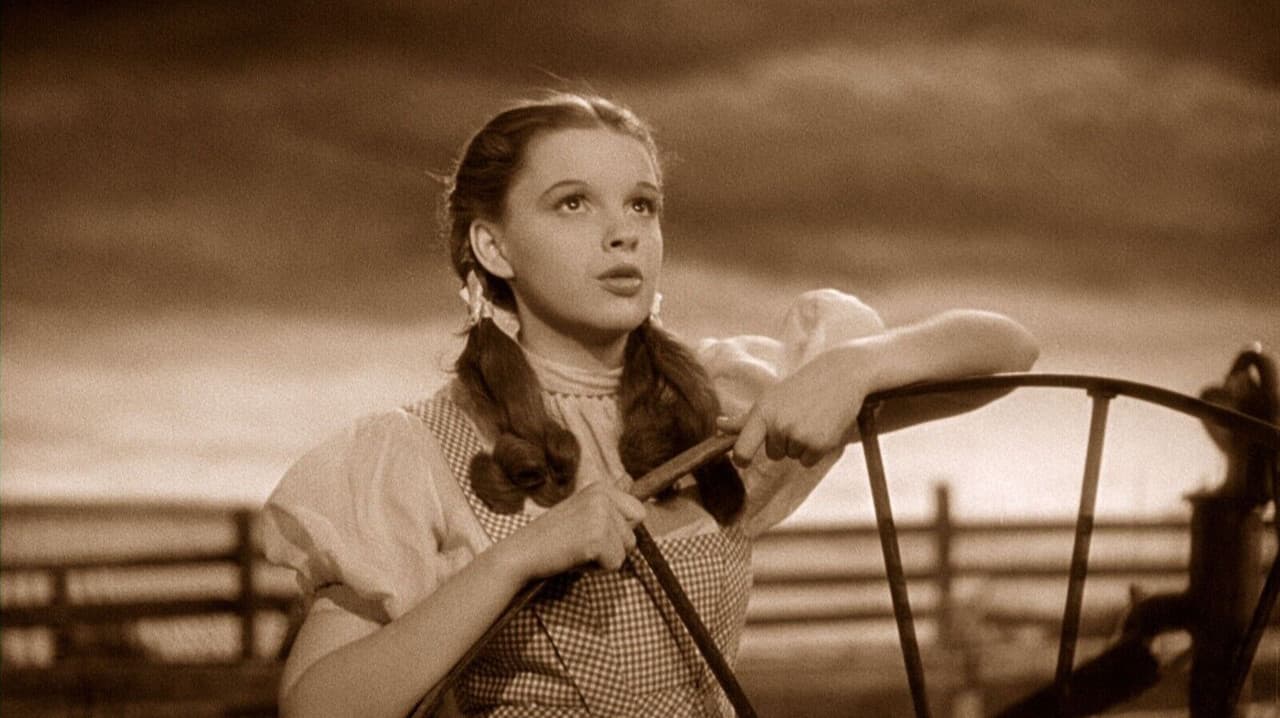
The film's technical reputation has also proven instructive. "The Wizard of Oz" remains famous for its transition from sepia-toned Kansas into the saturated color of Oz, a shift that signals a change in emotional register as much as geography. For a documentarian working with found footage, archival material and interviews, that lesson about how visual texture can carry meaning is directly applicable.
A Well-Loved Classic as an Unlikely Guide
"The Wizard of Oz" holds a 7.582 out of 10 rating on TMDb, a figure that reflects nearly a century of affection from audiences across generations. It is classified as an adventure, fantasy and family film, and runs 102 minutes. Its original language is English, and it was produced within the Hollywood studio system of the late 1930s. Few films from that era remain as widely watched or as frequently referenced, which is part of why the director's decision to cite it feels both personal and shrewd: it is a movie most viewers already know by heart, which makes it a shared vocabulary for discussing craft.
From Documentary to Fiction
The move into fiction marks a significant step for the filmmaker. Documentaries and narrative features demand different muscles. One relies on patience, observation and the willingness to follow reality where it leads; the other requires building a world from scratch. Yet the director has suggested that the transition feels less like a leap than a continuation, with "The Wizard of Oz" serving as a bridge between the two modes. The film's blend of whimsy and melancholy, its interest in characters who feel incomplete, and its insistence that a journey outward is often a journey inward all offer a model for fiction that aspires to emotional directness.
Details about the upcoming fiction project remain limited, including its title, cast and production timeline. What is clear is that the filmmaker intends to bring the same reference points that shaped her documentary into her narrative work, and that a 1939 Hollywood fantasy will be among them.
For now, admirers of "A Want in Her" can look forward to seeing how those lessons translate when the characters on screen are invented rather than found. If the director's instincts hold, the result may owe as much to the yellow brick road as to any contemporary influence.
Source: The Hollywood Reporter