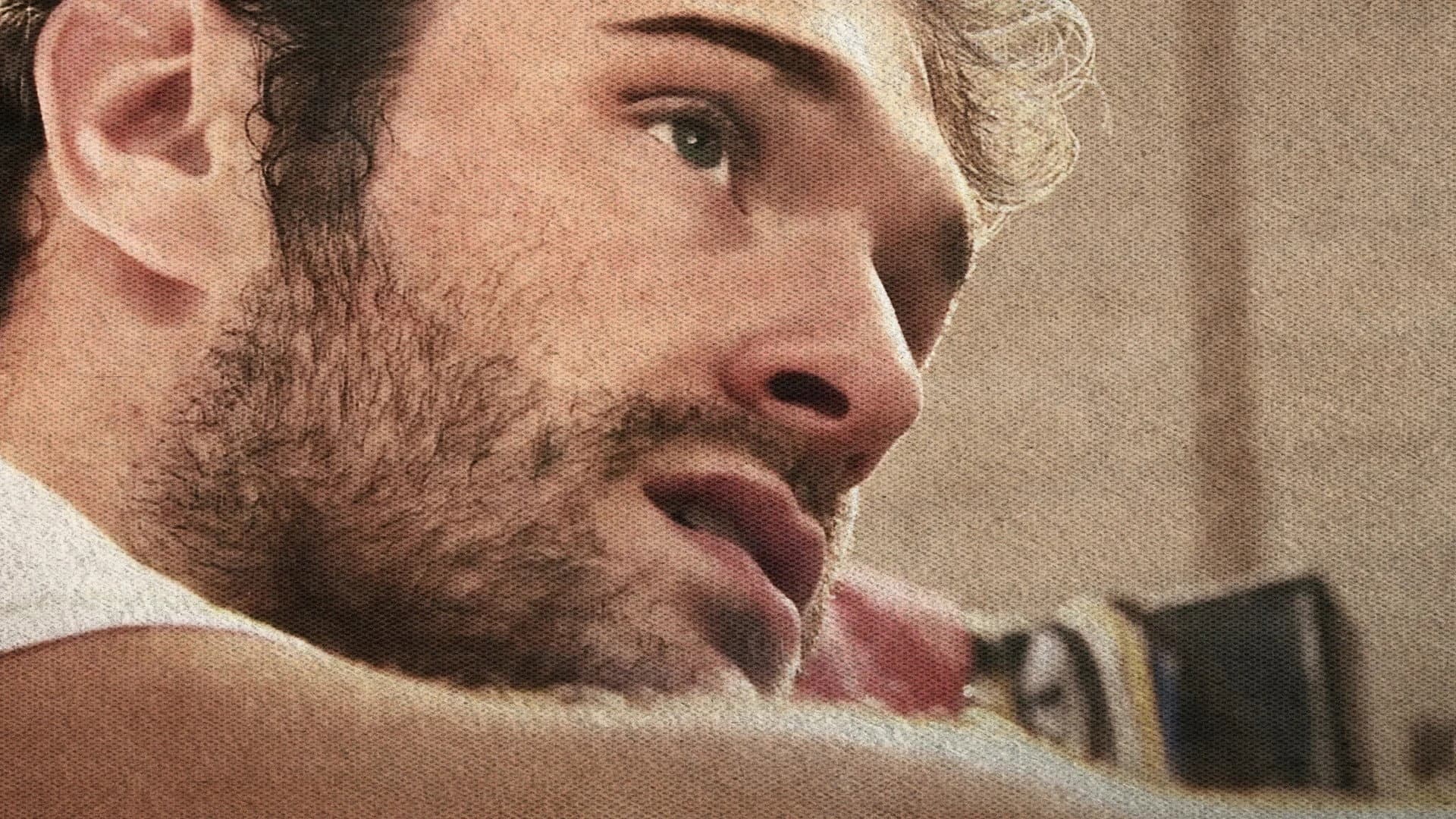
A scene dealing with Tyson Fury and schizophrenia has been cut from the Netflix documentary series about the heavyweight boxer after his wife, Paris Fury, backed away from her earlier statement that he has the condition. The removal was confirmed in the wake of Paris Fury's public clarification, which followed the documentary's release and the attention drawn by her on-camera remarks.
The sequence in question featured Paris Fury discussing her husband's mental health and referencing schizophrenia. Once her comments began circulating, she moved to clarify her position, and the streaming service subsequently removed the scene from the series. The documentary, which follows Tyson Fury's life and career, remains available on Netflix with the segment no longer included.
A Claim, Then a Walk-Back
The episode at the center of the dispute involved Paris Fury describing the challenges of living with her husband during difficult periods. Her remarks, as broadcast, suggested Tyson Fury had been diagnosed with schizophrenia. That characterization quickly became a talking point online and in the British press, prompting Paris Fury to issue a statement stepping back from the claim.
She clarified that she had used the term in error and that she was not confirming a diagnosis of schizophrenia. The retraction placed Netflix in an awkward position: a scene built around a specific medical claim, spoken by the subject's own spouse, had already been distributed to subscribers worldwide. Removing it was the most direct remedy available, though not a quiet one - by the time the edit was made, the moment had already been widely clipped and shared.
Why the Edit Draws Scrutiny
Documentary filmmaking relies on the consent and candor of its subjects, and mental health is among the most sensitive territory a production can enter. When a contributor revises an account after broadcast, a streamer faces a narrow set of choices: leave the material in place with added context, append a correction, or excise the scene entirely. Netflix chose the third path here.
That decision resolves the immediate factual problem but raises questions about process. Viewers who watched before the edit have no on-screen indication that anything changed. There is no public accounting of when the removal occurred or whether other scenes referencing the boxer's mental health were also altered. Netflix has not detailed its reasoning beyond confirming the scene was taken out after Paris Fury's clarification.
The episode also underscores a broader tension in celebrity-driven documentary work. Subjects and their families often speak more freely in long-form interviews than they would in a press conference, on the understanding that the material will be shaped and contextualized. When a statement turns out to be inaccurate, the correction can arrive long after the audience has absorbed it.
The Mental Health Conversation
Tyson Fury has spoken publicly and at length about his own psychological struggles, including a well-documented period of depression and substance use that he has described as one of the darkest chapters of his life. His openness on that subject has been central to his public identity and has earned him credit among fans who see honesty about mental health as rare in combat sports.
That history makes the schizophrenia claim especially charged. Schizophrenia is a serious and often stigmatized diagnosis, distinct from depression or anxiety, and public figures rarely address it casually. Attributing the condition to Fury without a confirmed diagnosis - and then retracting that attribution - risks muddying a conversation he has tried to conduct carefully on his own terms.
Advocacy groups have long argued that inaccurate public references to psychotic disorders reinforce stereotypes, even when offered sympathetically. In this case, the correction came quickly, but the original framing had already traveled.
What Comes Next
Neither Tyson Fury nor Paris Fury has indicated any further statement is planned. Netflix has not said whether the series will be updated on other platforms, whether a note will be added for viewers, or whether the production team will address the edit publicly.
For now, the documentary stands as a revised record: a portrait of a fighter and his family with one uncomfortable passage removed. Whether that counts as accountability or merely damage control is likely to be debated among viewers who noticed the change - and among those who never will.
Source: Variety