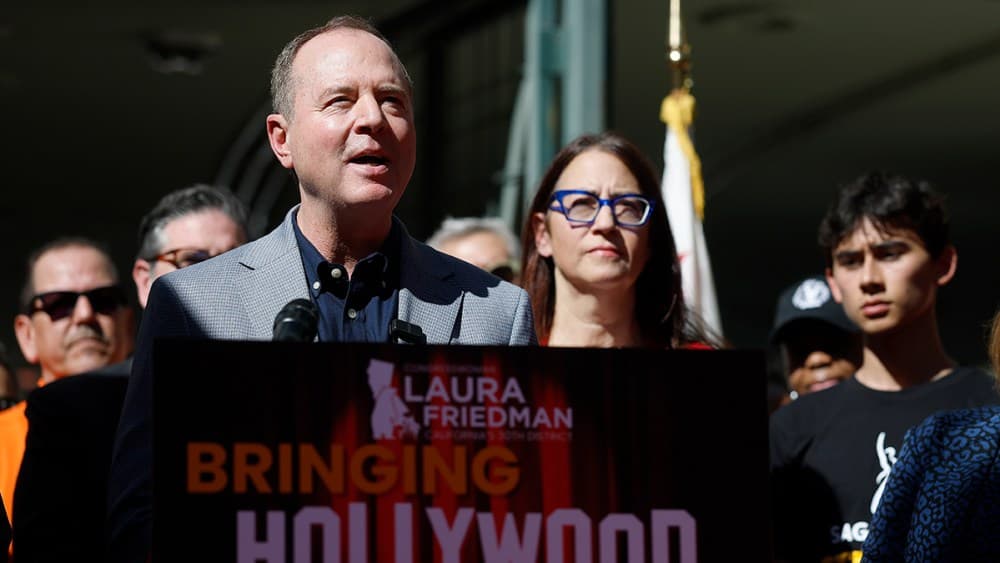
Labor unions and Democratic lawmakers are making a concerted push for a federal film production incentive, arguing that a nationwide tax credit would keep productions on American soil and shore up a workforce that has been battered by years of runaway production. The effort, which has been building behind the scenes for months, moved into a more public phase this week as union leaders and their allies on Capitol Hill began pressing their case directly to lawmakers and the White House.
At the center of the campaign is a simple pitch: states have spent years competing with one another, and with foreign countries, by dangling their own incentives in front of studios. The result, supporters say, has been a patchwork of programs that vary wildly in generosity and stability, leaving crews to chase work from one jurisdiction to the next while other countries lure productions away with more aggressive subsidies. A federal credit, they argue, would create a consistent baseline that rewards shooting at home regardless of which state a production calls home.
A Long-Sought Goal Nears a Critical Window
The phrase being repeated by organizers is that they are close - closer, they insist, than at any point in previous attempts to get federal legislation across the finish line. That optimism reflects both the persistence of the coalition behind the idea and the political calendar, which supporters acknowledge leaves little room for delay. The current session represents what backers describe as a narrow window in which the proposal could realistically advance, and they have been careful to frame the push as bipartisan in spirit even as Democrats take the lead in championing it.
Unions representing below-the-line workers - the grips, electricians, costumers, editors and technicians whose livelihoods depend on productions actually shooting - have been among the most vocal advocates. Their argument is less about studio economics than about the fragile ecosystem of skilled labor that has taken decades to build. When a production leaves for another country, that crew doesn't simply wait for the next job to arrive; it disperses, and the training pipeline that sustains the industry thins out. Rebuilding it, union officials warn, is far harder than preserving it.
An Industry Still Finding Its Footing
The push comes at a moment when the domestic production sector has been coping with a slowdown in overall content spending, a correction that followed a period of extraordinary demand. Studios have trimmed slates, consolidated operations and grown more cautious about where and how they spend. For workers, that translates into fewer jobs and longer gaps between them. A federal incentive, advocates contend, would give studios a concrete reason to choose American locations when they do greenlight projects, rather than treating domestic shoots as a premium option to be avoided when budgets tighten.
Critics of production incentives have long raised questions about whether the public money generates a genuine return, pointing to studies that reach conflicting conclusions about job creation and economic spillover. Supporters of a federal approach counter that the relevant comparison isn't between an incentive and no incentive at all - it's between an incentive and the incentives that other countries are already offering. If the goal is to keep production on American soil, they say, the country is currently bringing a state-level patchwork to a global competition.
The coalition has also emphasized that a federal credit would not simply duplicate what states already do. Ideally, backers say, it would supplement rather than replace existing programs, giving producers an additional reason to locate here while preserving the state-level incentives that many regional economies have come to depend on. How that interplay would work in practice, and how the cost would be structured, remain among the details that lawmakers and union representatives are still working through.
The Road Ahead
Whether the campaign translates into legislative action remains uncertain. Even sympathetic lawmakers face a crowded agenda, and tax provisions of any kind attract competing interests eager to shape or stall them. But the coalition's public confidence is notable, and it reflects a calculation that the combination of union muscle and Democratic sponsorship can create enough pressure to force the issue onto the table.
For the workers the unions represent, the stakes are concrete. A steady flow of domestic productions means steady paychecks, benefits and the ability to stay in a profession they have spent years mastering. The campaign's closing message to lawmakers is that the moment to act is now - that the groundwork has been laid, the coalition assembled and the argument made. All that remains is the vote. Whether that vote comes before the window closes is the question the industry is now watching.
Source: Variety