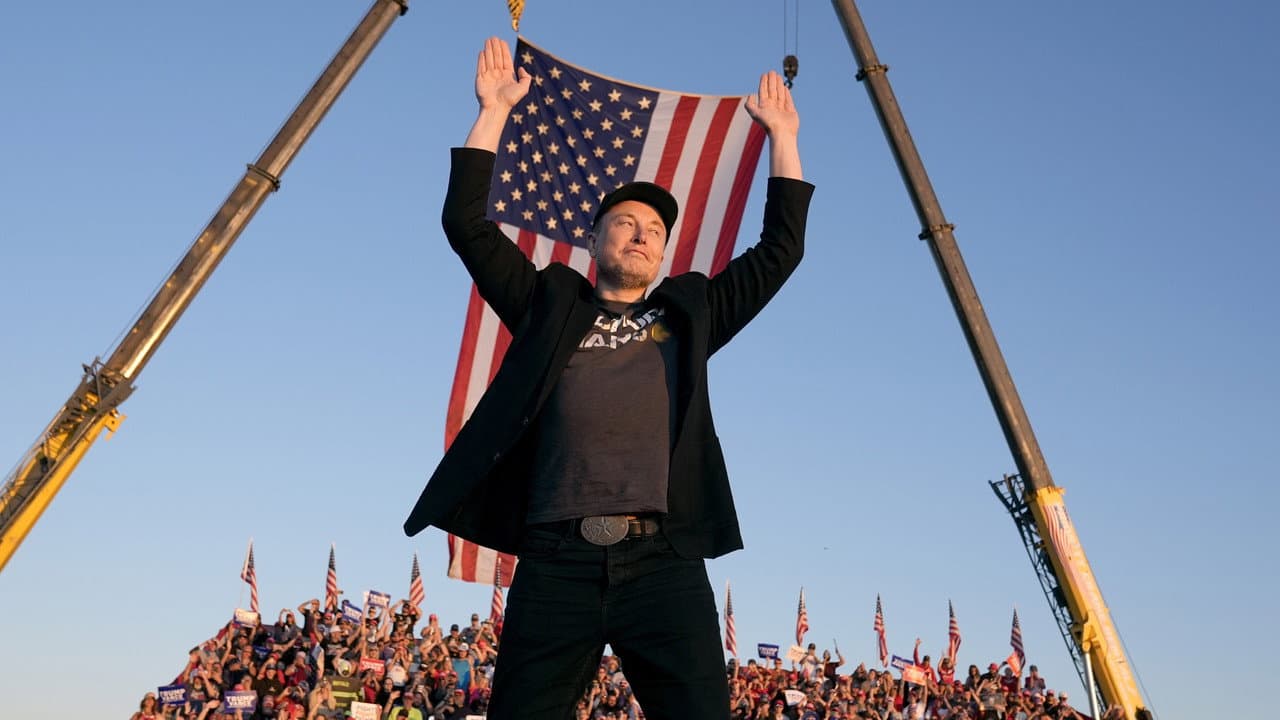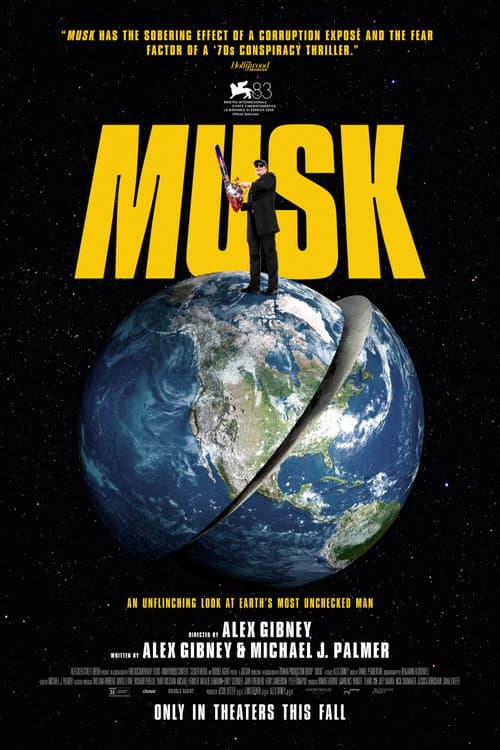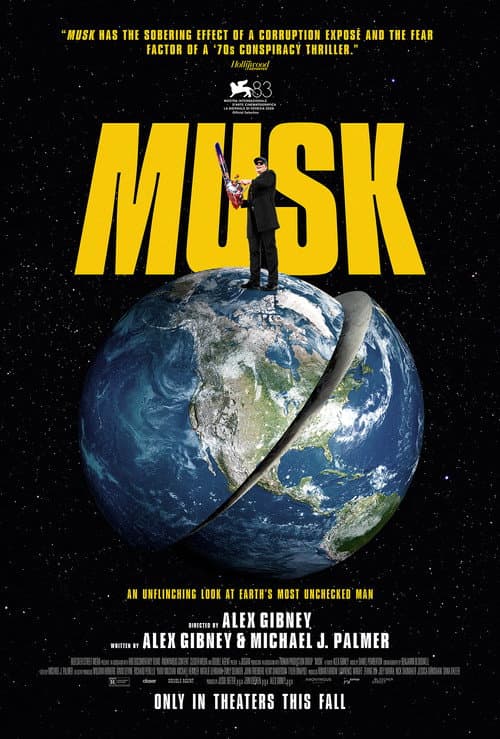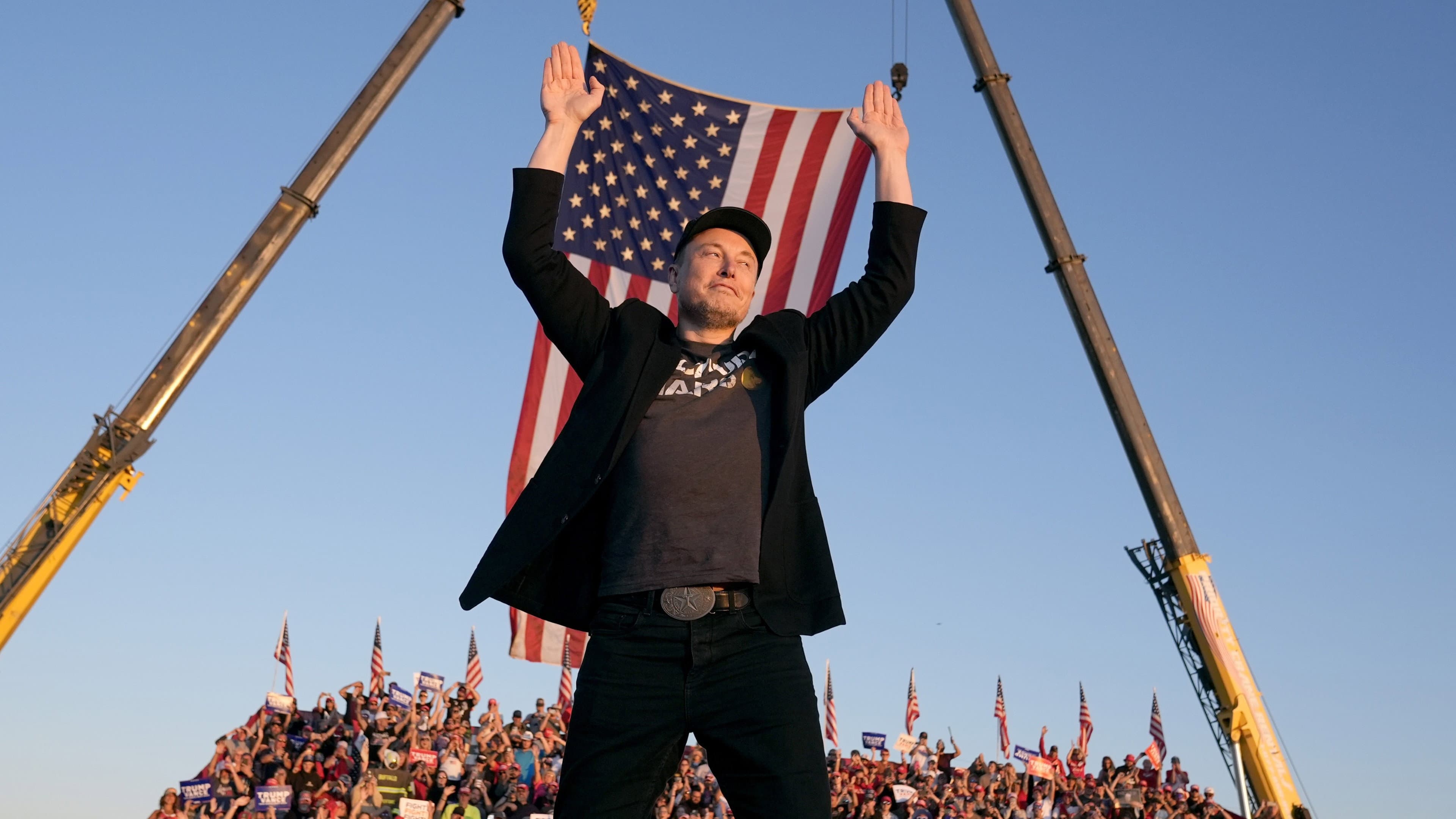
Universal Pictures has convened a series of internal discussions about the fate of Alex Gibney's documentary "Musk," according to people familiar with the matter, as the studio weighs how to proceed with a film that has drawn intensifying criticism from allies of Elon Musk ahead of its scheduled October 9 release.
The talks, described as preliminary and ongoing, center on whether the studio should keep the October date, alter its rollout, or delay the project entirely. No final decision has been made, and Universal has declined to comment publicly. The behind-the-scenes deliberations mark an unusually tense moment for a studio that has spent months positioning the film as a prestige awards contender.
"Musk" promises an unflinching portrait of the world's most celebrated inventor-entrepreneur, examining the vast influence he wields over modern life. Gibney, one of the most prominent documentarians working today, directs a film that runs 235 minutes - an epic length for a nonfiction feature and a signal of the depth of reporting involved.
The cast list blends archival footage of Elon Musk himself with on-camera interviews from a wide circle of people who have known or covered him. They include his first wife, Justine Musk; conservative commentator Ashley St. Clair; veteran technology journalist Kara Swisher; Tesla co-founder Martin Eberhard; Bloomberg reporter Zoë Schiffer; and Geoffrey Hinton, the AI pioneer often called a godfather of the field.
A Growing Storm Around the Studio
The backlash has been building for weeks. Musk, who commands one of the largest personal followings on social media, has repeatedly used his platform to attack the film and the studio behind it, and his public criticism has been amplified by a network of supporters. Universal executives are now weighing whether the controversy will help or hurt the film at the box office, or whether it poses broader risks to the company's relationship with Musk's various business interests.
For a studio, the calculus is rarely simple. A documentary of this length and subject matter carries a built-in audience but also the potential for sustained negative attention. Employees involved in the project have reportedly received online harassment, adding an internal dimension to the external pressure.
Gibney has weathered this kind of storm before. The Academy Award-winning filmmaker behind "Taxi to the Dark Side" and "Going Clear" has built a career on subjects who would rather he had not, and he has consistently refused to soften his work in the face of public pressure. Those who have seen "Musk" describe it as characteristically rigorous, built on documents and interviews rather than speculation.
A Documentary Built on Testimony
The film's structure leans heavily on first-person testimony. Justine Musk's involvement gives the project a window into the mogul's early years, while Eberhard's perspective touches on the contested founding history of Tesla. Swisher and Schiffer bring years of technology reporting to bear, and Hinton's participation connects the subject to the broader debate over artificial intelligence that has defined the past several years. St. Clair's presence signals the film's willingness to examine Musk's personal life alongside his professional record.
The 235-minute runtime distinguishes "Musk" from the typical theatrical documentary, giving Gibney room to develop multiple threads rather than compress them into a conventional feature. It is a bet that audiences will sit for a long, deeply reported examination of a figure they either admire or revile - often with little middle ground.
On the review-aggregation site TMDb, the film currently sits at 0/10, though that figure reflects a sample size too small to be meaningful and is likely to shift sharply as the release approaches.
What Happens Next
Universal's internal conversations are expected to continue through the coming weeks. Options under discussion, according to those briefed on the matter, range from holding firm on the October 9 date to a more limited release that would reduce the film's exposure to a coordinated backlash campaign.
The outcome matters beyond this single release. Studios are increasingly caught between artists who want to make adversarial work and powerful subjects who can mobilize their audiences against it. How Universal handles "Musk" could set a precedent for how the industry approaches similar confrontations in the future.
For now, the film remains on the calendar. Gibney has said nothing publicly in recent days, and the studio has kept its deliberations quiet. But the fact that those talks are happening at all suggests that the pressure campaign has found its mark - and that the fate of one of the fall's most anticipated documentaries may be decided in conference rooms rather than on the screen.
Source: The Hollywood Reporter