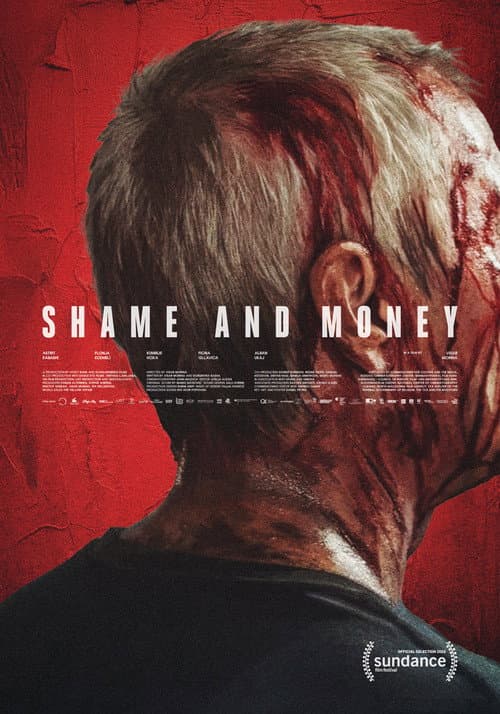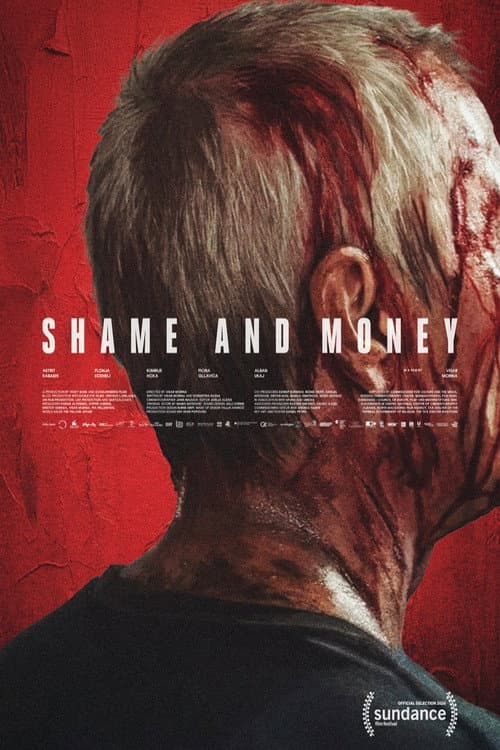
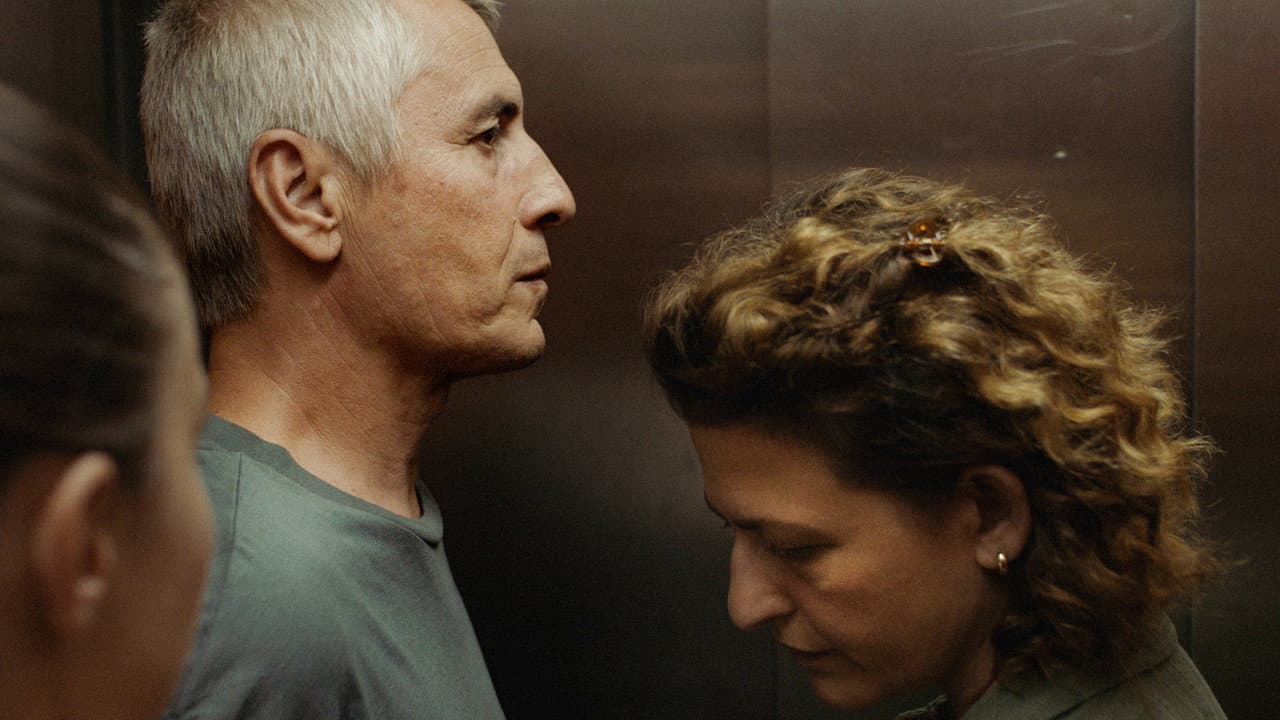
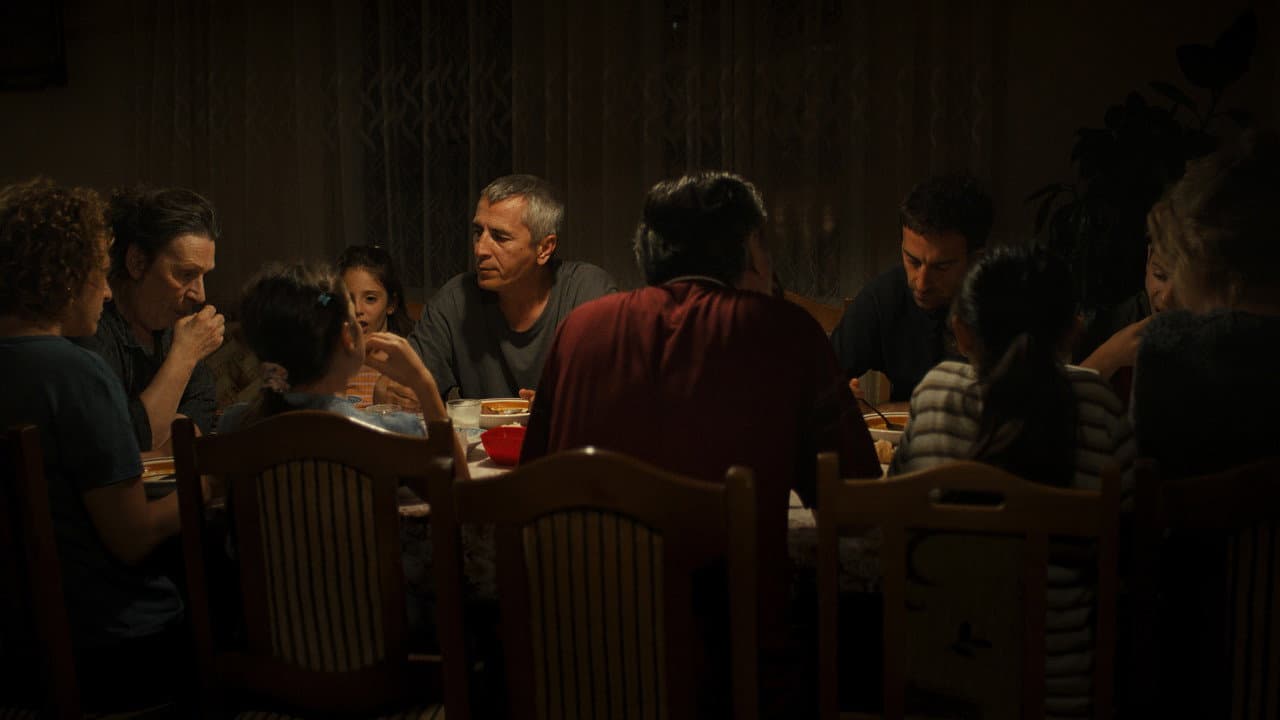
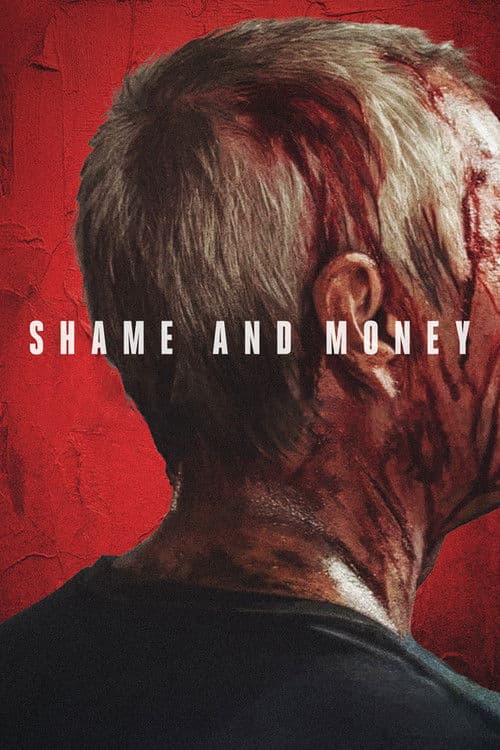
Visar Morina wants audiences to feel "Shame and Money" in their bodies before they can name what it is doing to them. The Kosovar director's new drama, which Kosovo has submitted as its international feature Oscar hopeful, follows a family uprooted from village life and dropped into the pressurized machinery of the capital, and Morina says the film's physicality is the point rather than a byproduct.
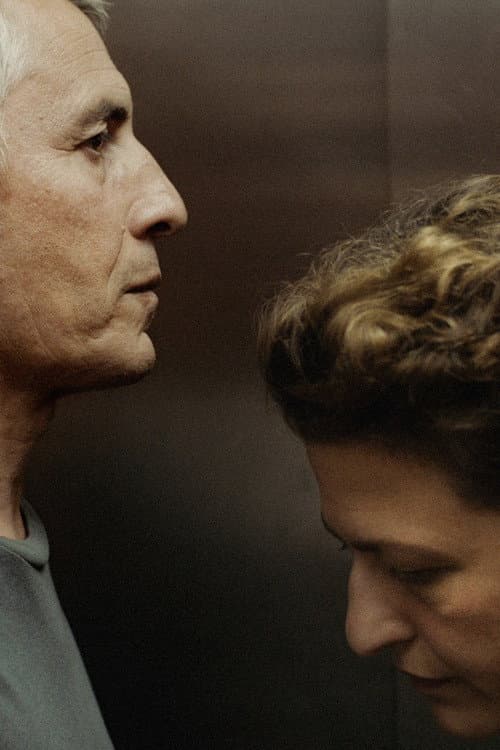
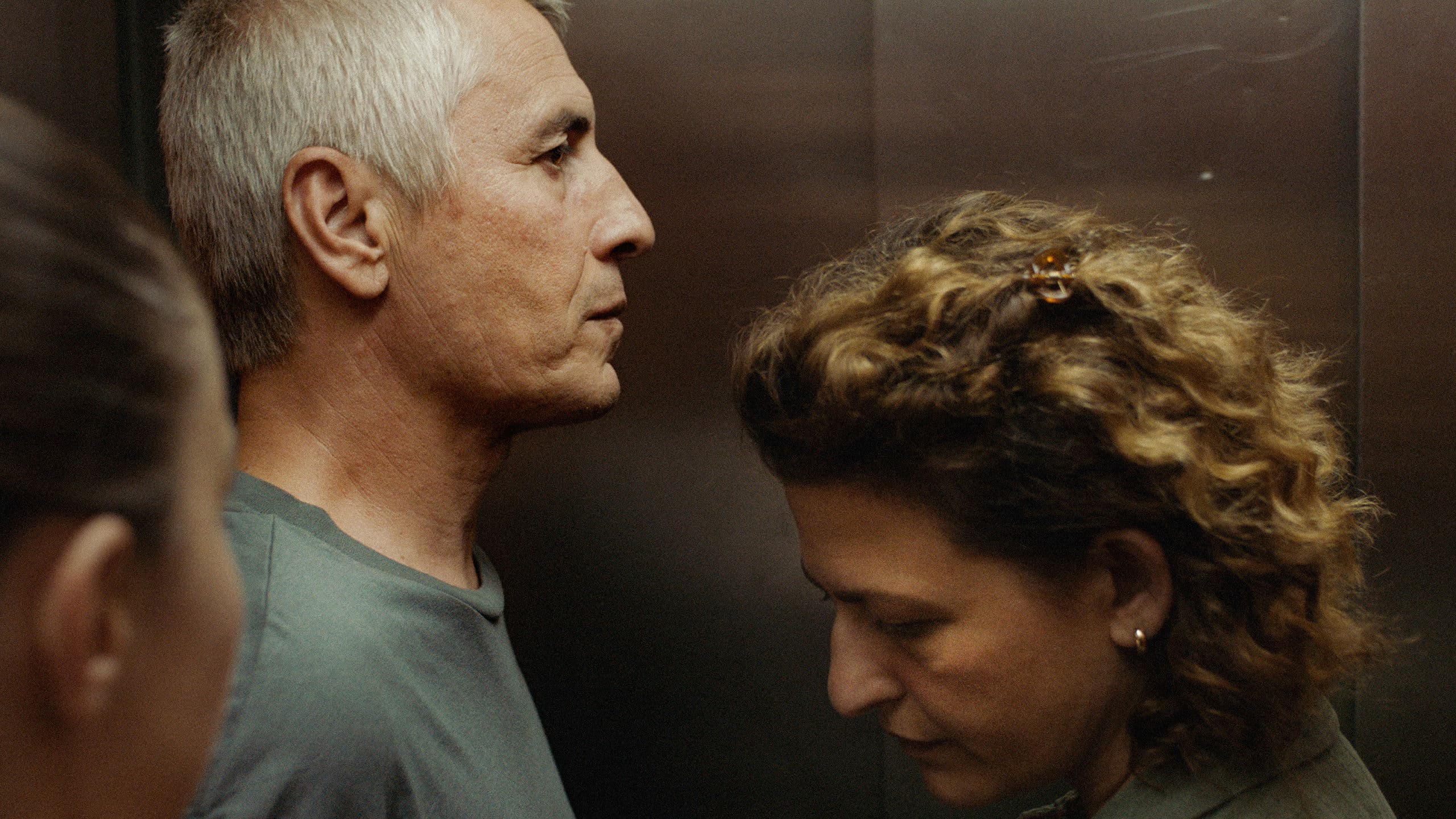
"Shame and Money" opens in U.S. theaters following its September 24, 2026 release and runs 129 minutes. The drama centers on Shaban, played by Astrit Kabashi, and Hatixe, played by Flonja Kodheli, as they try to rebuild after losing their livelihood in their home village. Their relocation to the capital thrusts them into a hypercapitalist society where dignity has a price and every transaction seems to demand a piece of the self.
Morina, the director behind "Shame and Money," told USA Film News that he deliberately shaped the film around sensation over explanation. He described the story of a family's pursuit of a place in a hypercapitalist society as one that resists tidy summary, and he said the audience should register the humiliation and the striving through posture, breathing and silence before any dialogue arrives to interpret it. The film, he suggested, works like a held breath.
A Family at the Center, and a Cast Built for Stillness
The family unit anchors the film. Alongside Kabashi and Kodheli, the cast includes Kumrije Hoxha as Mother, Fiona Gllavica as Adelina, Alban Ukaj as Alban, Tristan Halilaj as Liridon, Refet Abazi as Adem and Besnik Krapi as Labinot. Morina said he cast performers capable of carrying long stretches without dialogue, because the family's displacement is often conveyed in the way they occupy rooms where they are not wanted.
Kabashi's Shaban carries the weight of a man who has lost his footing, while Kodheli's Hatixe supplies a different register of endurance, Morina said. The director noted that the domestic scenes were built around small physical negotiations - who sits where, who speaks first, who reaches for a document - because those are the moments in which dignity is either granted or withdrawn.
The Capital as a Character
The move from the village to the capital gives "Shame and Money" its structure. The film's original language is Albanian, and its production is rooted in the Kosovar context Morina knows intimately, though its concerns are deliberately broader. Morina said he was less interested in attacking a specific economic system than in observing what a hypercapitalist society asks of people who arrive with nothing to trade but their labor and their pride.
He described the capital in the film as a kind of character: a place of glass, queues and paperwork where the family is measured constantly. The director said the visual language of the movie leans on the contrast between the openness of the village and the compression of the city, so that the audience shares the family's sense of shrinking space.
An Oscar Submission With a Visceral Aim
"Shame and Money" arrives as Kosovo's international feature submission, and its TMDb rating of 7/10 suggests early viewers have connected with its approach. Morina said the awards conversation is welcome but not the reason the film was made. He framed the submission as an opportunity for a wider audience to sit with a story about dignity that he believes is legible everywhere.
The director returned repeatedly to the idea that shame is a physical experience - a flush, a tightening in the chest, a gaze that drops. Money, too, he said, is felt in the body: in the way a person counts, hesitates, or hands something over. "Shame and Money" is built to make those sensations shared, and Morina said he would rather leave audiences unsettled than comforted.
He added that the film's 129-minute runtime was a deliberate choice, allowing the family's story to accumulate rather than resolve quickly. The director said he wanted viewers to leave with the feeling of having moved through something alongside Shaban and Hatixe, not simply having watched it.
"Shame and Money" is in theaters now.
Source: The Hollywood Reporter