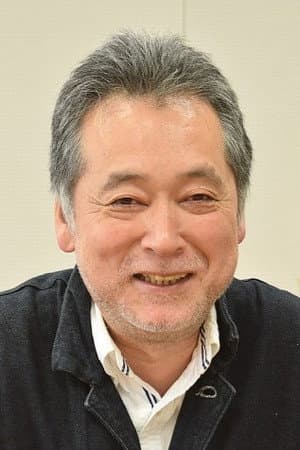
Japanese director Zeze Takahisa, a long-serving figure in the pink film world, used a masterclass at the Tokyo International Film Festival to make the case for original storytelling over adaptation and formula. Speaking to an audience of young filmmakers and festivalgoers, Zeze argued that the most durable films begin with a distinctive voice rather than a marketable template, and he urged emerging directors to develop material that could only come from them.
The session traced Zeze's path from the low-budget pink film circuit - a fixture of Japanese cinema for decades - to the international festival stage, using his own career as a working example of how constraint can sharpen rather than stifle a filmmaker's instincts.
His call carries particular weight given the industry's drift toward sequels, remakes, and pre-sold properties. Zeze did not dismiss adaptation outright, but he drew a clear line between borrowing a story and building one, framing originality as a discipline rather than a burst of inspiration. In his view, directors who lean on existing material early in their careers risk never developing the muscle to construct a narrative of their own.
From Pink Film to the Festival Circuit
Zeze's résumé has long made him a reference point for critics interested in how Japanese directors move between commercial and personal work. The pink film sector, known for tight budgets and strict running times, has historically functioned as a training ground where directors learned to tell stories with limited resources. Zeze has spoken before about how those conditions forced him to solve problems on set rather than in the editing room, and the masterclass revisited that theme.
His commercial breakthrough came with "Pain," a film that brought him wider attention and helped shift perceptions of what a director from that background could achieve. The film's reception opened doors to larger productions while keeping intact the improvisational habits he honed on smaller sets. For the filmmakers in the room, the arc offered a practical map: start where you can, learn the craft under pressure, and carry those lessons into bigger work without losing the instincts that got you there.
A Craft-First Message for Young Directors
Much of the masterclass centered on process. Zeze walked through his approach to script development, stressing the value of writing that emerges from observation and lived experience rather than from what is currently selling. He encouraged attendees to keep notebooks, study people, and resist the urge to chase trends that will have moved on by the time a project reaches audiences.
He also addressed the practical anxieties that dominate young filmmakers' conversations - funding, festival selection, and the pressure to deliver a hit. Zeze's counsel was to treat each project as a chance to refine a point of view, arguing that a clearly defined sensibility is what ultimately attracts collaborators and audiences alike. A director with nothing to say, he suggested, will struggle no matter how large the budget.
The session fit the festival's broader educational programming, which each year pairs established directors with emerging talent through talks and workshops. Tokyo's masterclass strand has become a regular stop for filmmakers promoting new work, and Zeze used the platform to reflect on longevity as much as on any single title.
The Wider Conversation About Originality
Zeze's remarks land in the middle of a persistent debate about risk in the film business. Streaming platforms and studios have leaned heavily on established intellectual property, and festivals increasingly serve as showcases for original voices that struggle to find financing elsewhere. Directors from Japan and beyond have used similar platforms to warn that a diet of adaptations narrows the range of stories reaching screens.
For Zeze, the answer is not nostalgia for a lost era but a renewed commitment to craft. He described originality as something built scene by scene - through choices about character, pacing, and image - rather than declared in a mission statement. That grounded view resonated with an audience of filmmakers who often feel the tension between personal ambition and commercial survival.
His own career stands as evidence that the two need not be opposites. A director who emerged from one of the industry's most constrained corners now speaks at major festivals about the importance of a singular vision, and his authority on the subject comes from having tested it in the least forgiving conditions.
As the masterclass ended, Zeze left attendees with a simple charge: make the film only you could make, and trust that clarity of purpose will find its audience. It is a familiar message, but delivered by a filmmaker whose career gives it weight - and at a festival that has long treated Japanese cinema as essential to the global conversation.
Source: Variety