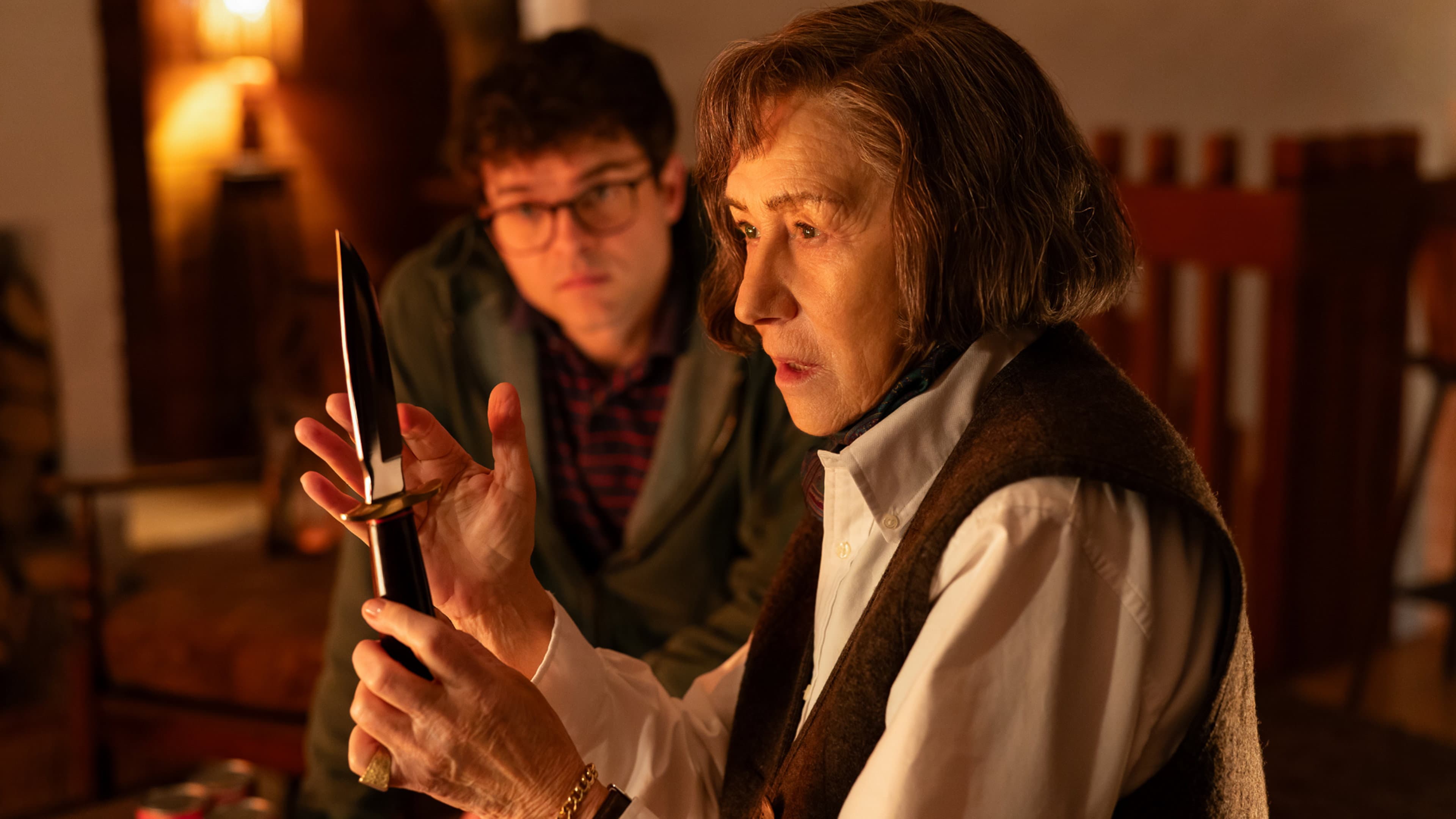
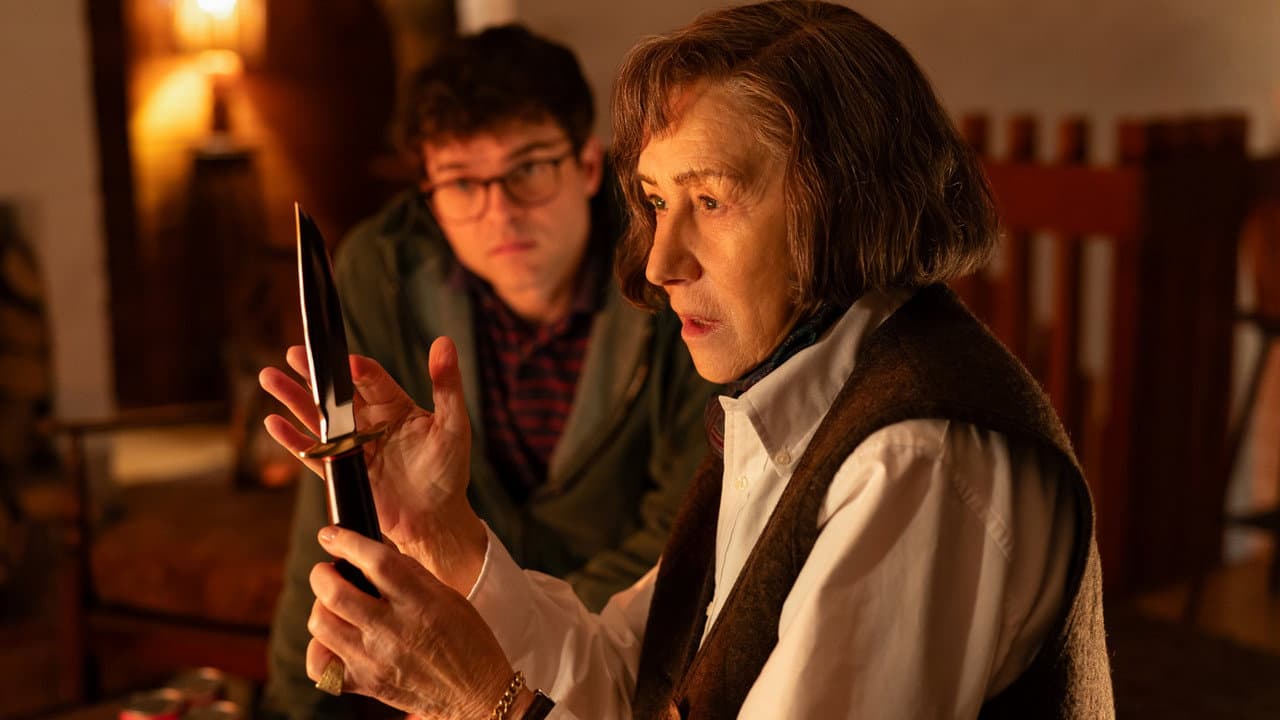
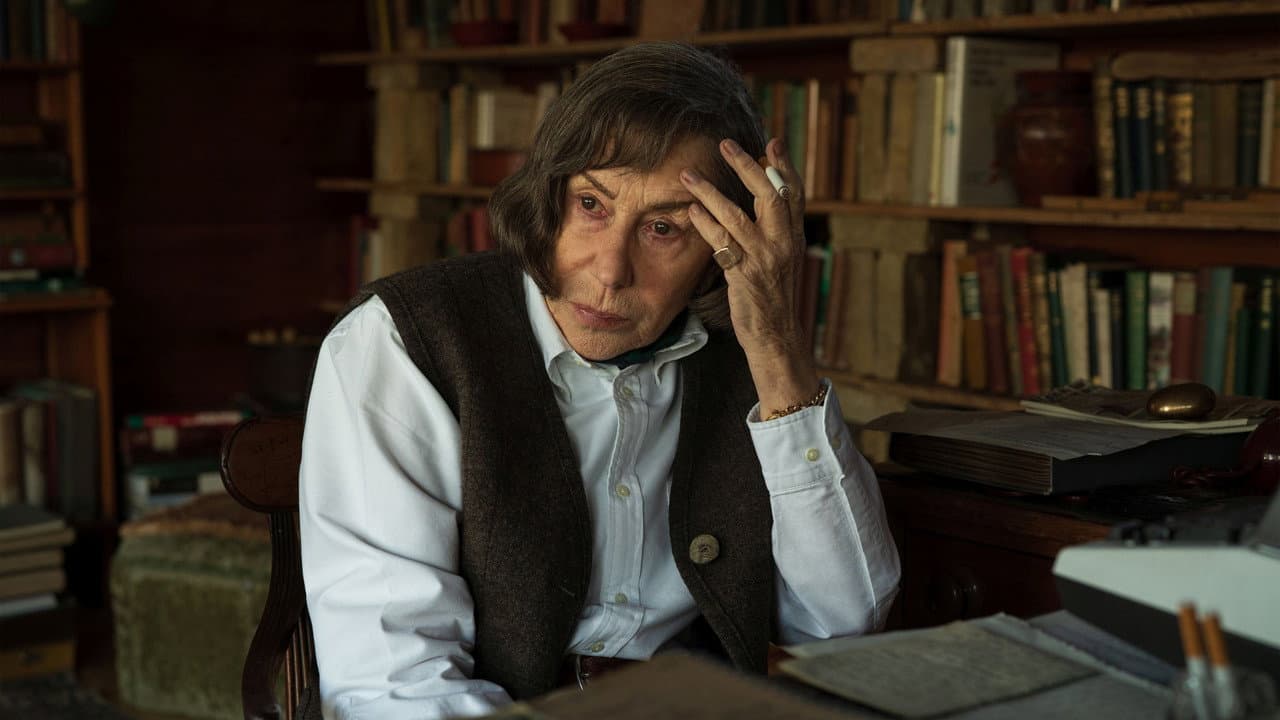
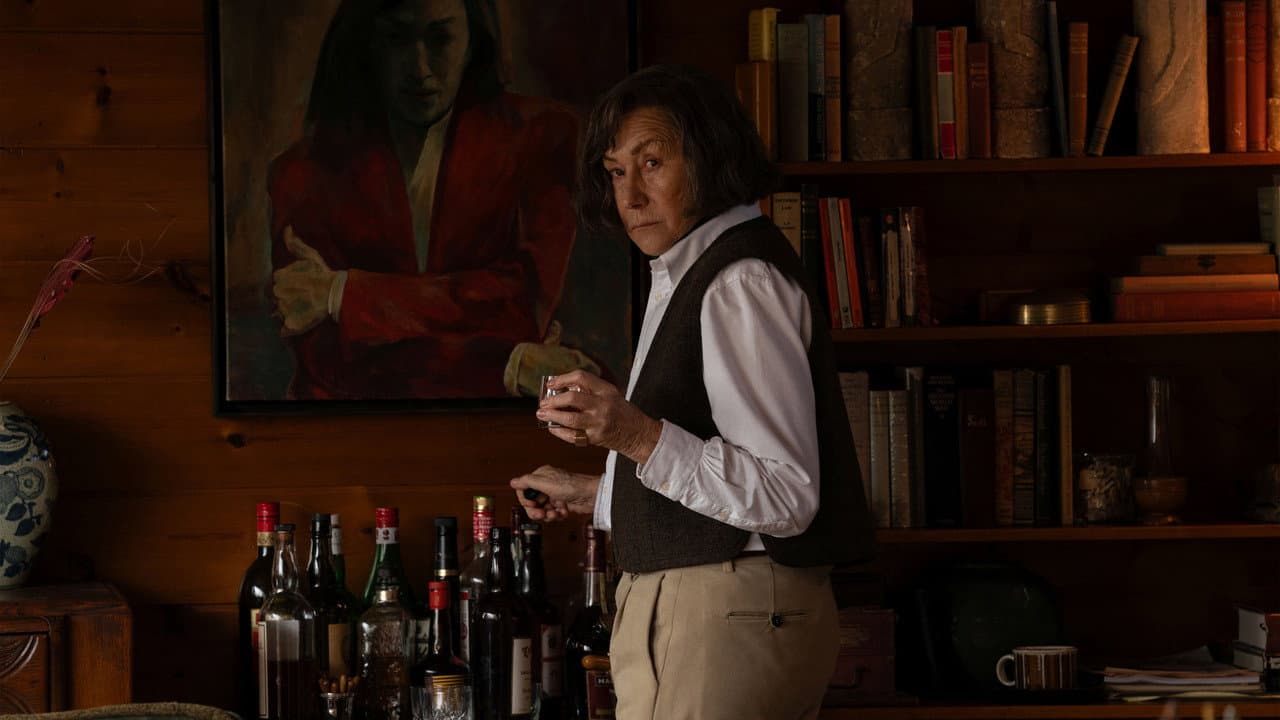
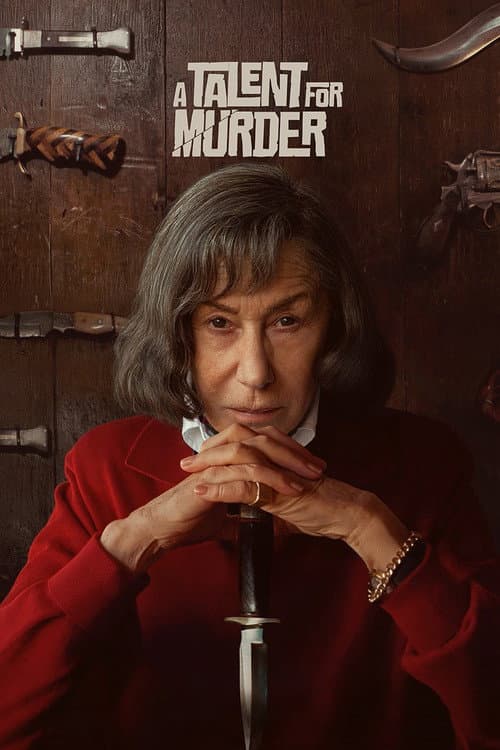
The great pleasure of this film is Mirren, who plays Highsmith as a woman who has spent decades imagining murder and is frankly bored by anything less. She delivers barbs with the timing of a stand-up comic and the weariness of someone who has outlived her own legend. When she dismisses Edward's pitch with a single raised eyebrow, you understand exactly why he becomes dangerous - rejection from a god is unbearable.
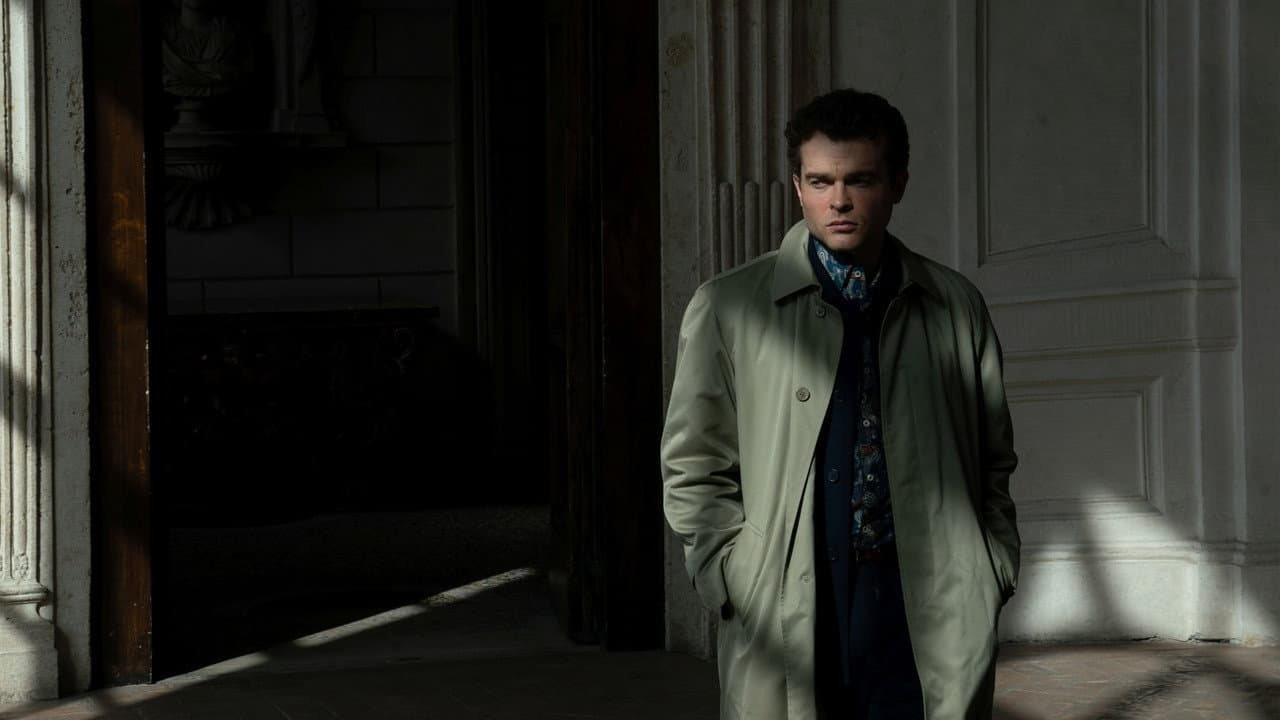
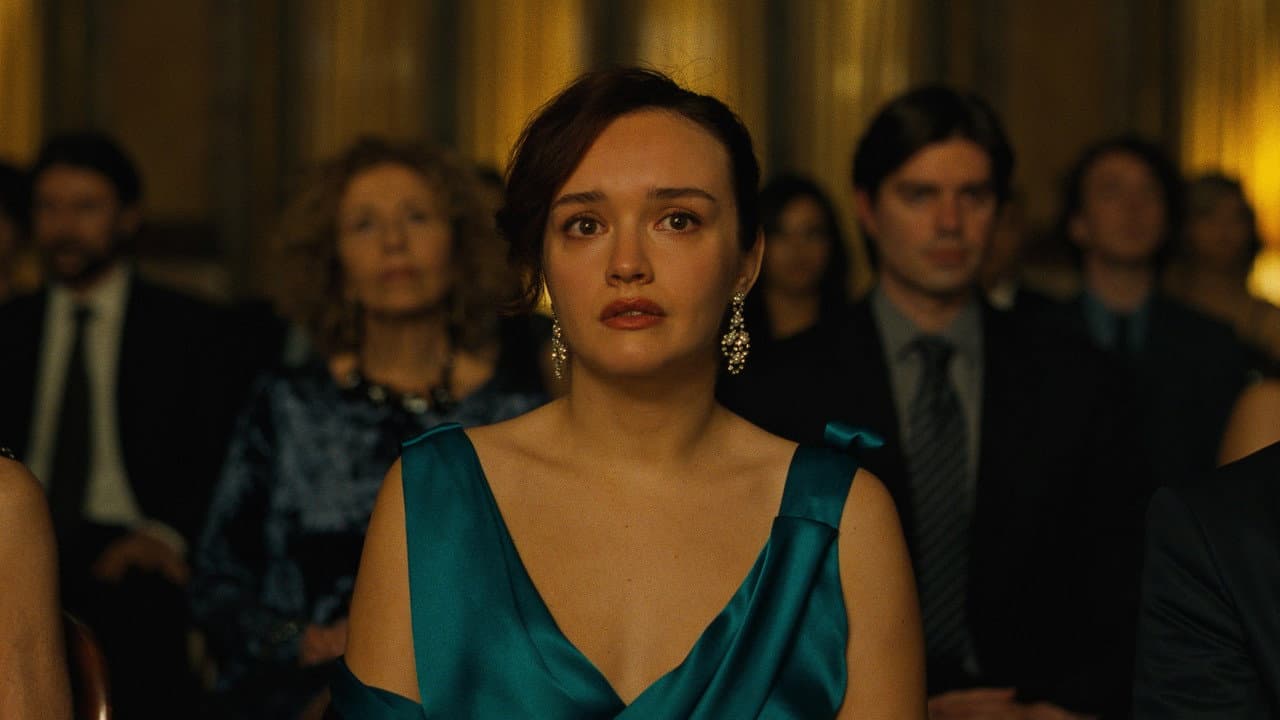
Ehrenreich is the trickier piece. His Edward is polite, slightly sweaty, and almost pitiable, and the actor wisely underplays the obsession so that the character's escalation feels like a natural rot rather than a plot twist. Olivia Cooke, as the enigmatic Clementine Balfour, floats through the margins with a watchfulness that pays off late. Juliet Stevenson and James Faulkner provide sturdy, lived-in support, and Corbijn regulars will recognize the director's signature restraint in every frame.
Shot with the same glacial precision Corbijn brought to The American, the film turns Swiss interiors into a kind of mausoleum - all wood paneling, ticking clocks, and gray light. It's beautiful, and it's deliberately suffocating. The problem is that the middle stretch mistakes patience for tension. There are only so many scenes of two people circling each other over tea before the circling becomes the point, and A Talent for Murder flirts with that line more than once.
But the last twenty minutes are worth the wait. Once the film stops being polite and lets its darker currents surface, it becomes something genuinely unsettling - a meditation on authorship, ownership, and the violence of wanting to be someone's muse. A 6/10 average rating feels about right: this is a film that will divide audiences between those who find its stillness hypnotic and those who find it merely slow.