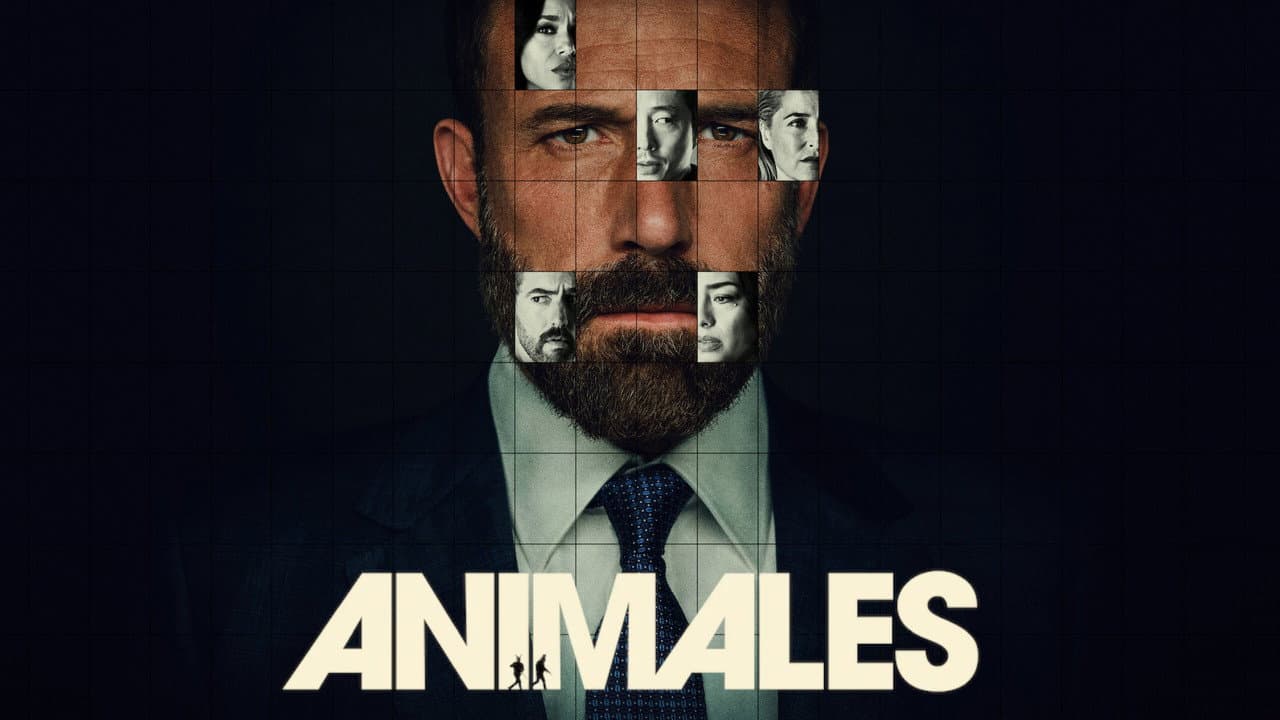
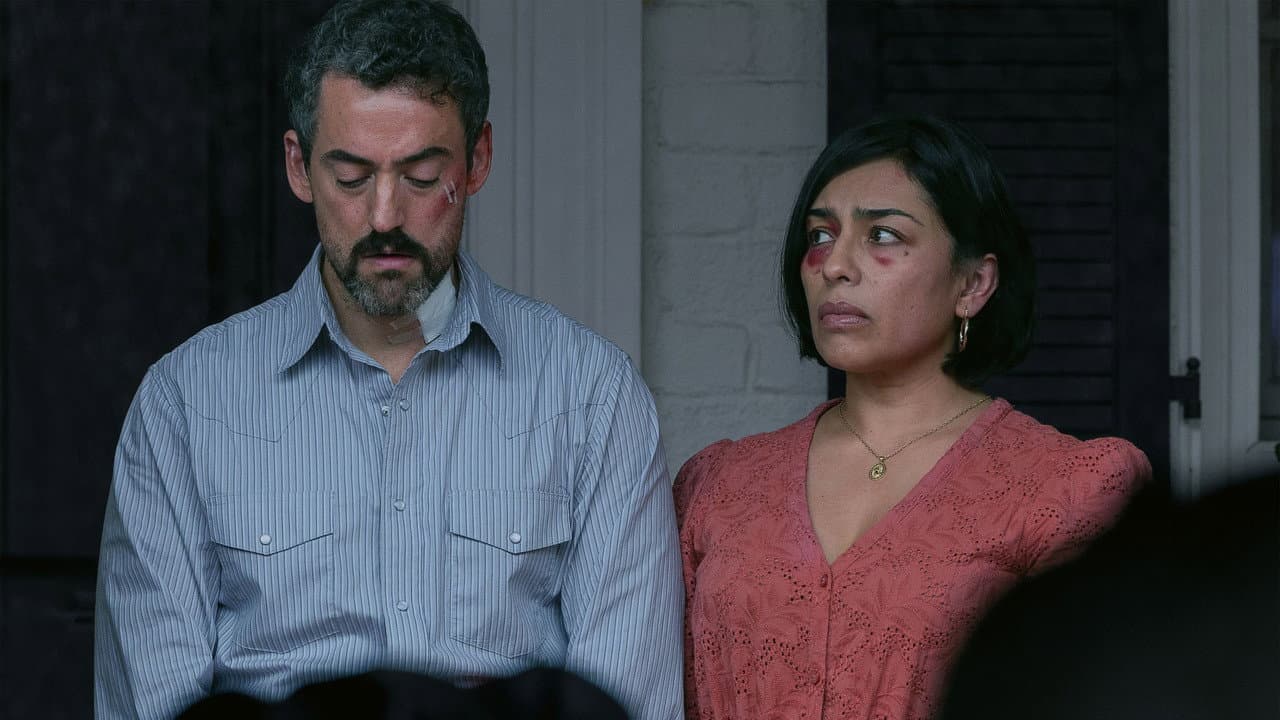
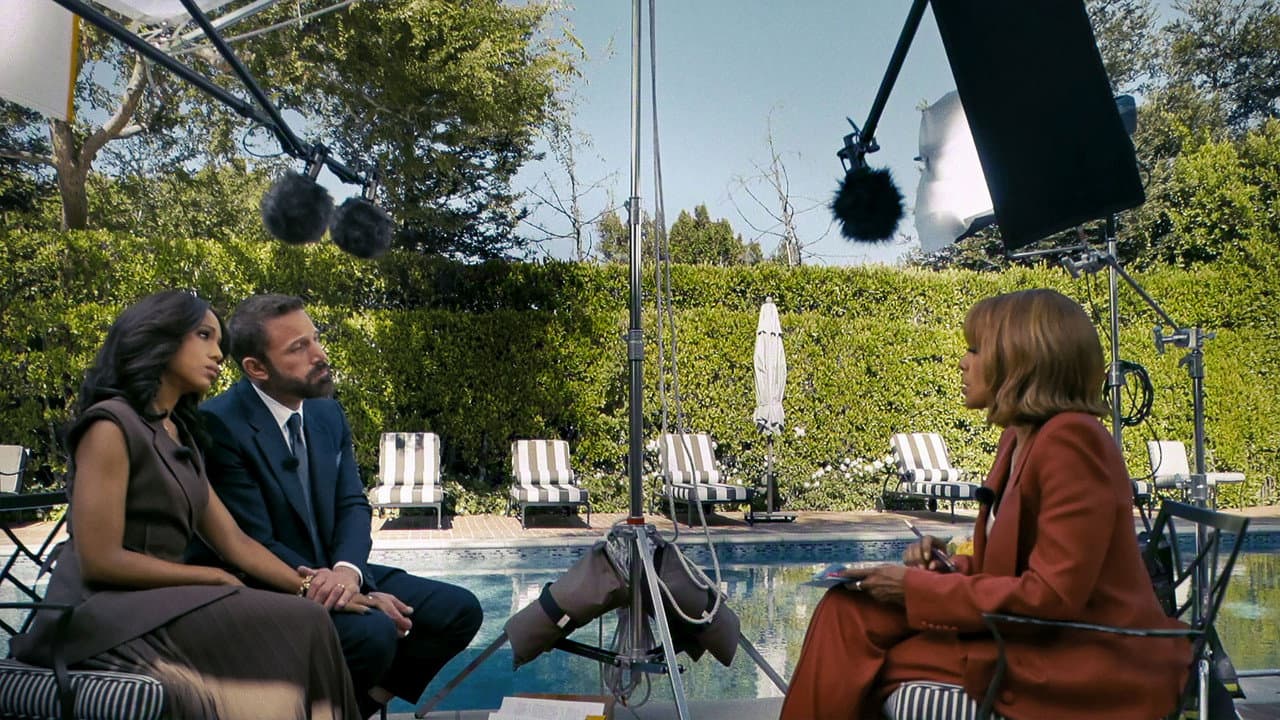
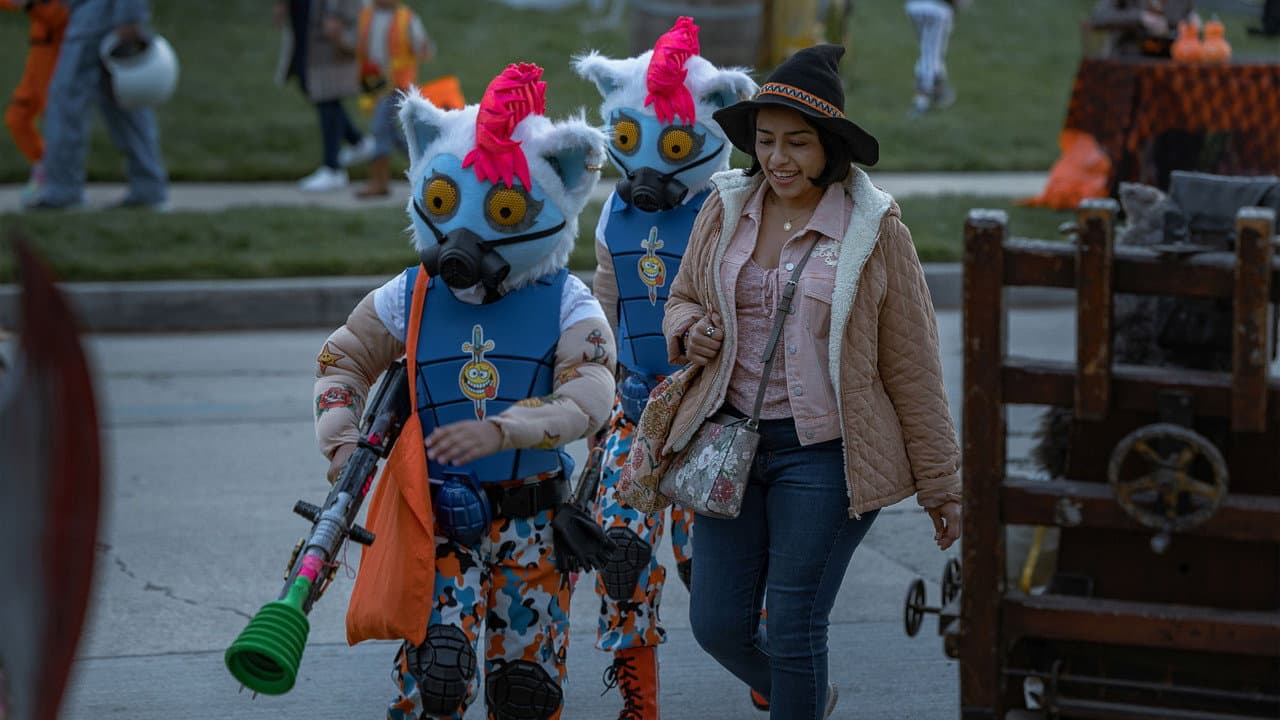
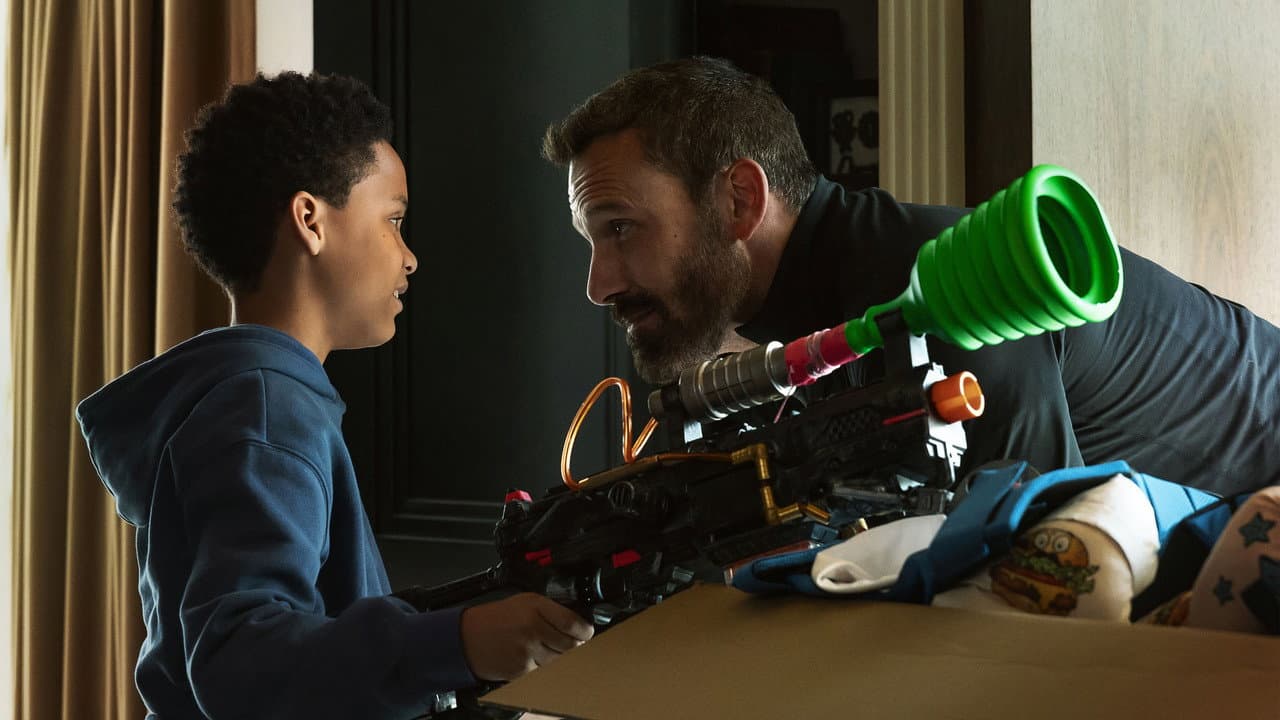
Affleck the director has always been more comfortable with texture than with kinetics, and Animals is at its strongest in the first act, when the camera is close and the panic is intimate. He and cinematographer work in cramped interiors and the sickly glow of streetlights, letting the geography of a wealthy but leveraged household do the storytelling. The screenplay, which unfolds in something close to real time, gives its leads long, uncomfortable scenes to play, and both actors rise to them. Washington is the film's anchor - watchful, strategic, and far more clear-eyed than her husband about what this night is going to cost. Affleck wisely underplays Mark's vanity, letting it leak out in small gestures rather than speeches.
The supporting cast is stacked, and some of it is underused. Steven Yeun brings a jittery menace to his scenes that hints at a more interesting movie, while Gillian Anderson and Ray Fisher are given just enough rope to make an impression before the plot hustles them offstage. Adriana Paz and Luis Gerardo Méndez add welcome friction in the film's middle stretch, when the couple's errands turn genuinely dangerous.
Where Animals stumbles is in its second half, when a tight domestic pressure-cooker mutates into something closer to a conventional conspiracy thriller. New complications arrive faster than they can land, and the movie's moral clarity - its sharpest asset early on - starts to blur into generic double-cross mechanics. A late reveal recontextualizes the kidnapping in a way that is meant to feel devastating but instead feels engineered, and the runtime (106 minutes) starts to show in the final reel as the film sprints toward a resolution it hasn't quite earned.
Still, there's real craft here. The sound design is excellent, the editing in the ransom-drop sequence is genuinely stressful, and the film resists the temptation to make its protagonist likable. Mark Kimball is a man who traded his family's security for his own ambition, and the movie never lets him off that hook - not fully.