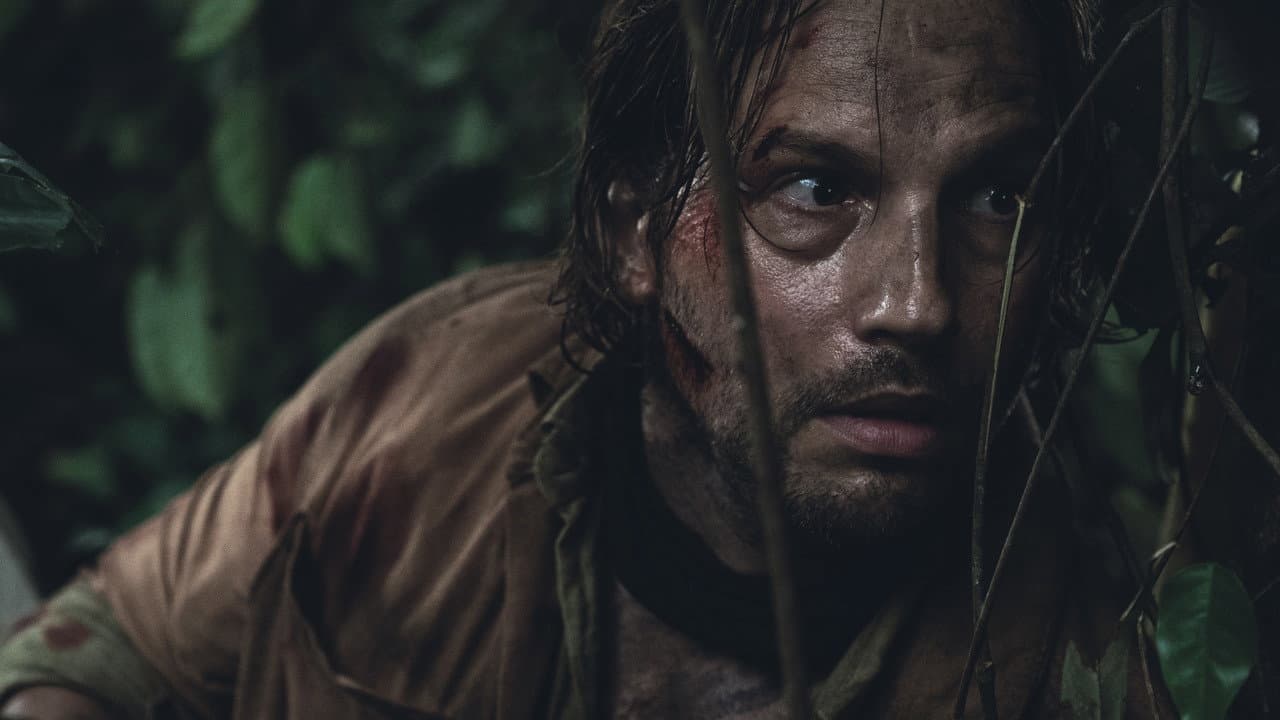
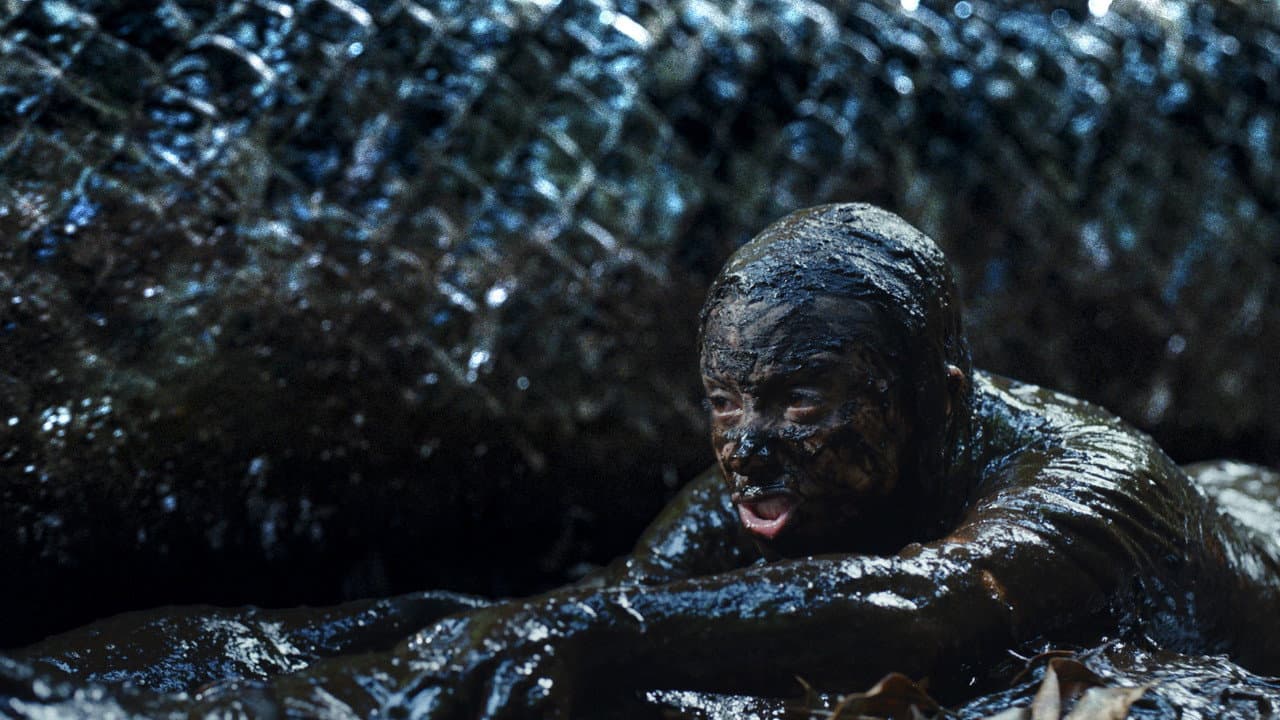
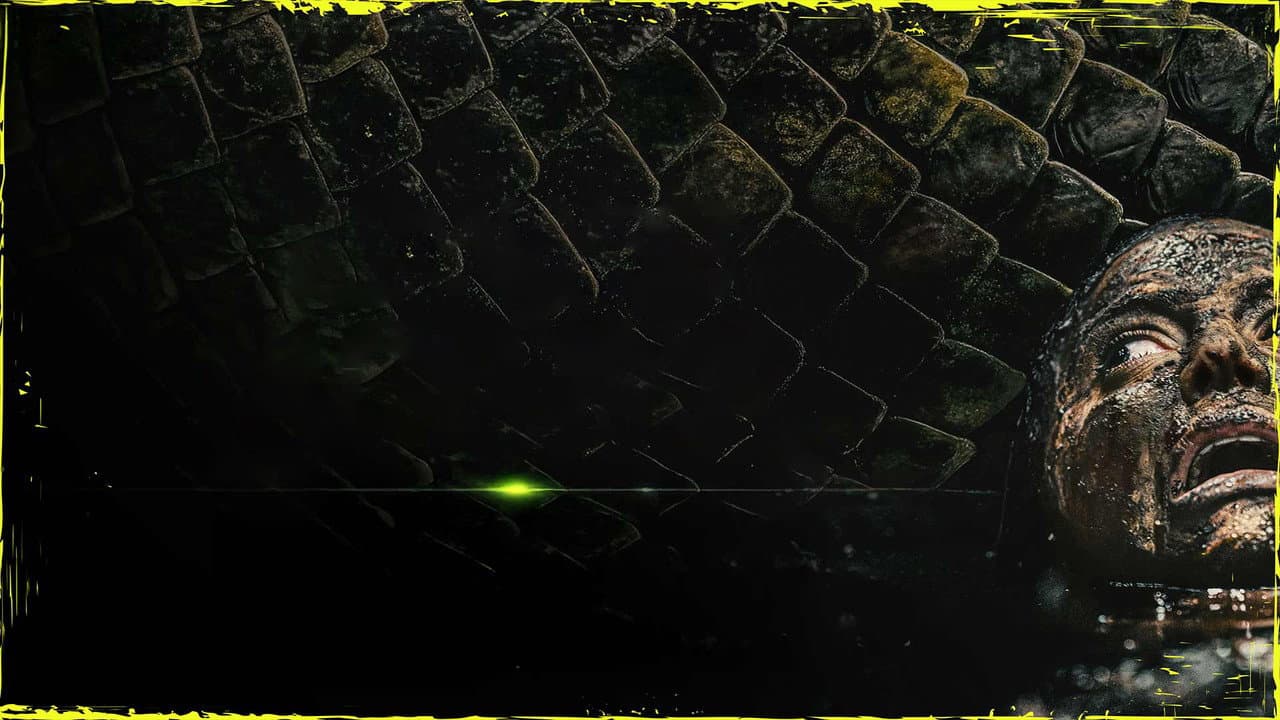
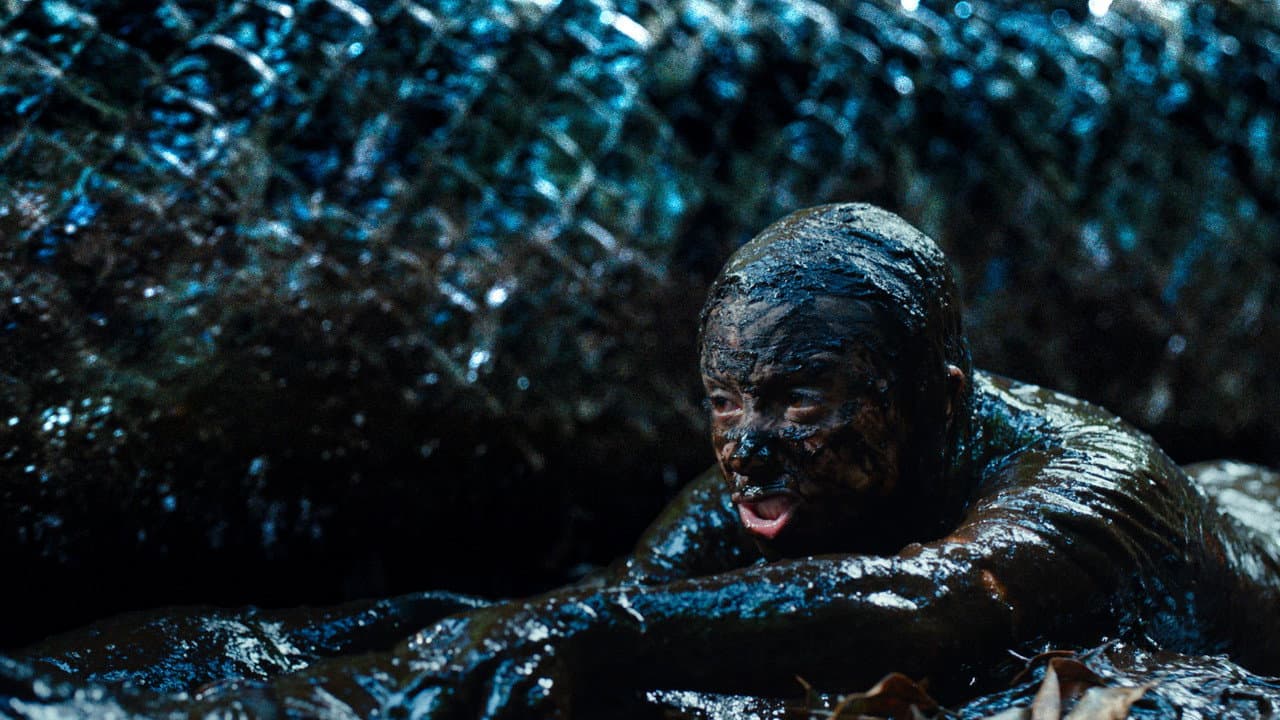
What works best here is the physicality of it. Nelson shoots the Amazon like a character, all claustrophobic undergrowth and water that could be hiding anything. The creature design - a serpentine colossus that recalls Anaconda by way of The Ritual - is used sparingly in the first hour, and the restraint pays dividends. When Boiúna finally reveals herself in full, the scale lands because Nelson has spent so long making us fear the space she occupies.
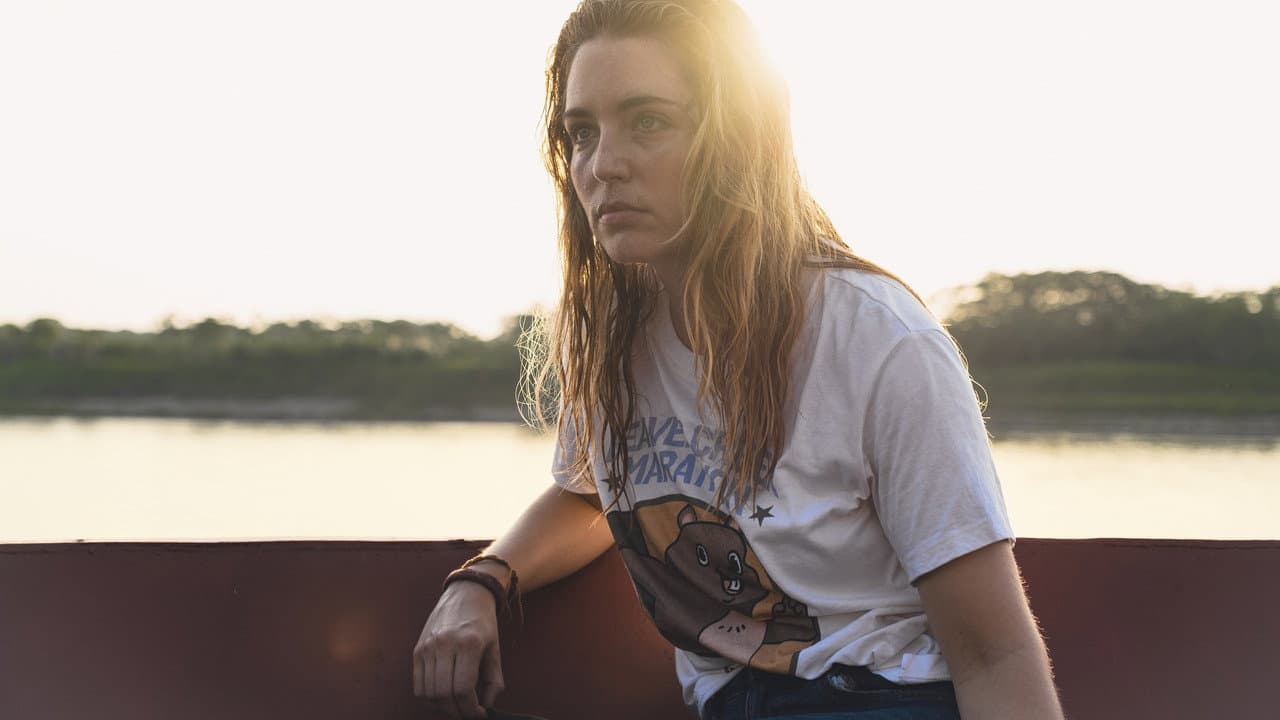
Marshall-Green is the film's MVP, playing Brennan as a man whose competence is slowly revealed to be a costume. The scene where he realizes his medical training means nothing against a predator this size - that his entire value system was built for a world that no longer applies - is the film's emotional core, and he sells it without a whiff of melodrama. Madeira is equally strong, grounding Lena in a practicality that keeps the film from drifting into pure hysteria. Rothe gets less to do, and the script's decision to sideline her in the middle act is one of its more frustrating choices.
Where Beware Boiúna falters is in its pacing. The second act spins its wheels, cycling through variations on "something moves in the water" until the tension starts to dilute. A subplot involving a rival expedition never coheres, and a late revelation about the creature's origins feels like it wandered in from a different, sillier movie. The dialogue occasionally strains for profundity - "The jungle doesn't hate you. It just doesn't care" lands, but several of its cousins don't - and the film's final twenty minutes trade dread for a more conventional action climax that, while well-staged, feels like a step down in ambition from what preceded it.
Still, there's real craft on display. The sound design is exceptional, the kind of work that makes you aware of every snapped twig and displaced leaf. The practical effects, when they're used, have a weight that CGI can't replicate, and Nelson wisely keeps Boiúna grounded in that physicality for as long as possible. For a genre film arriving in early October, it's a more considered piece of work than its premise suggests.