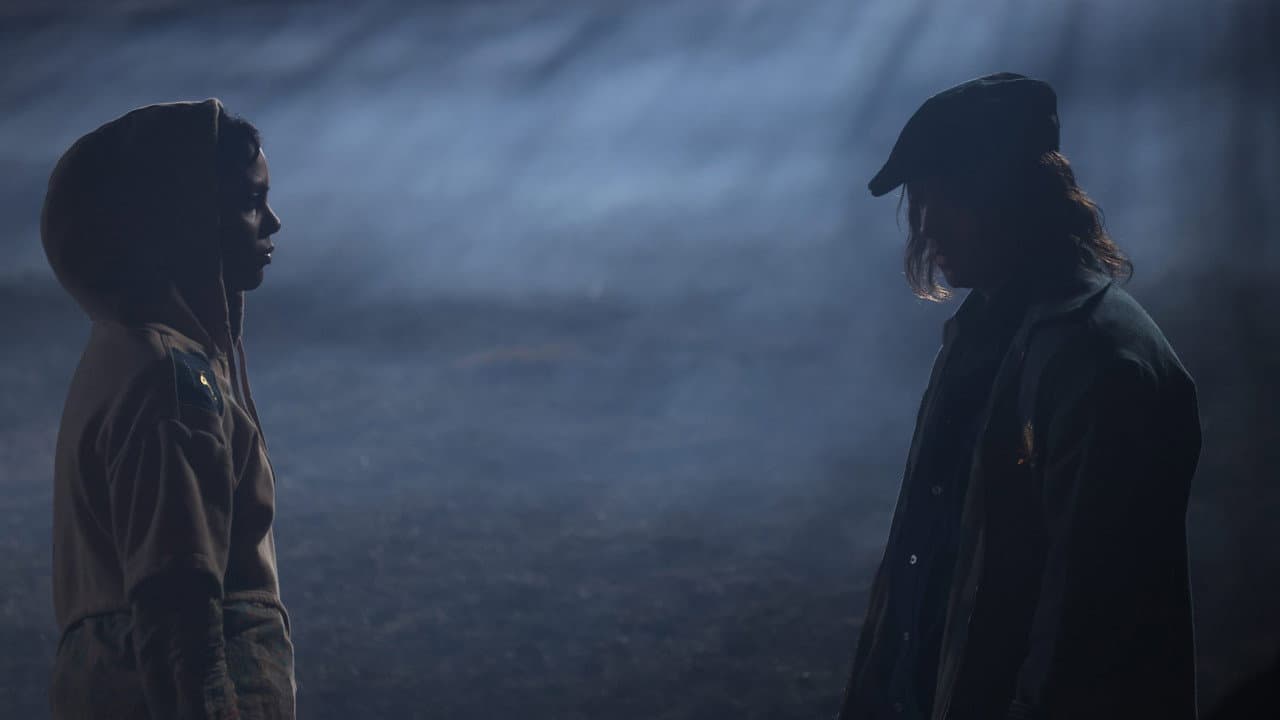
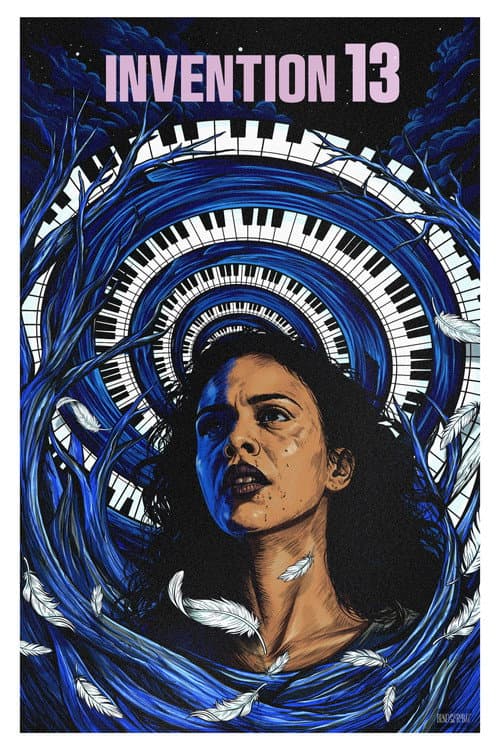
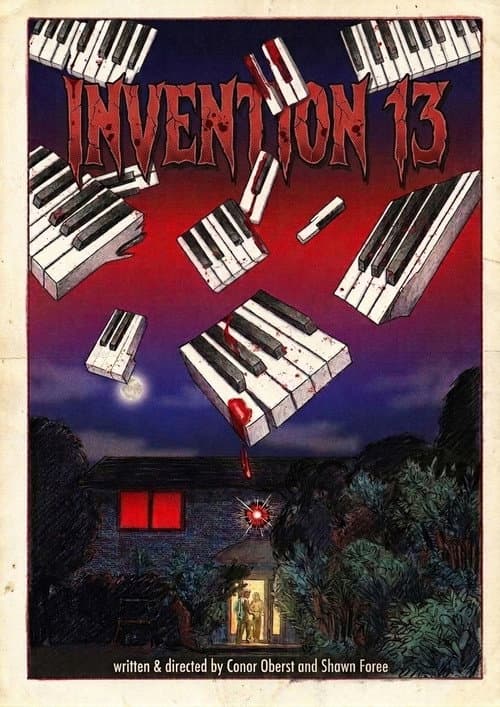
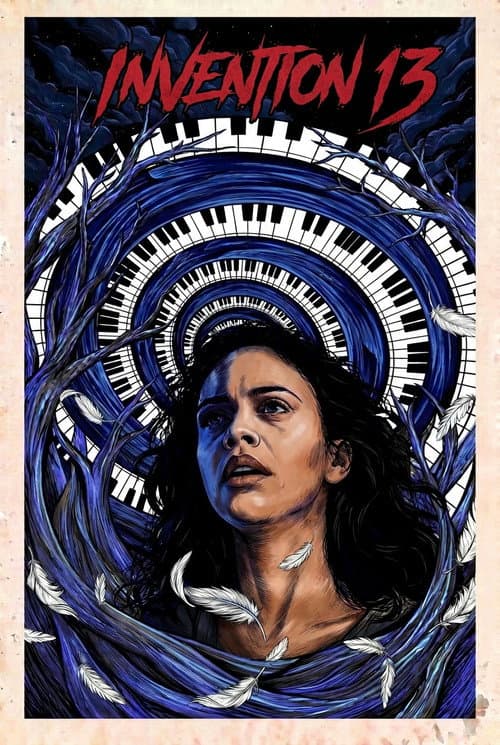
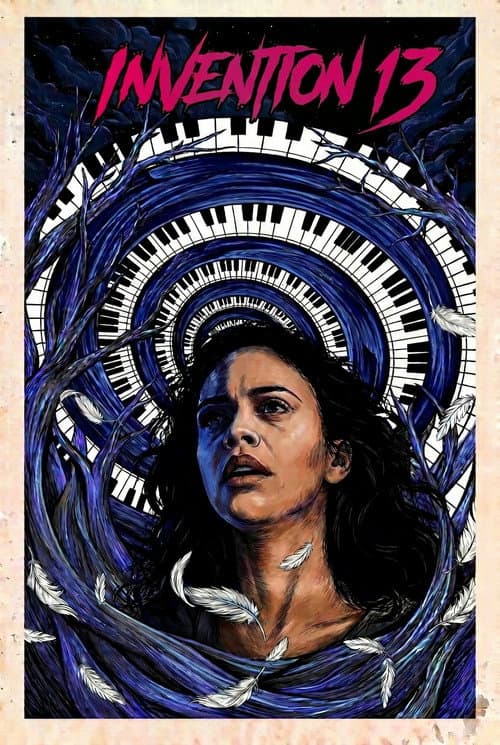
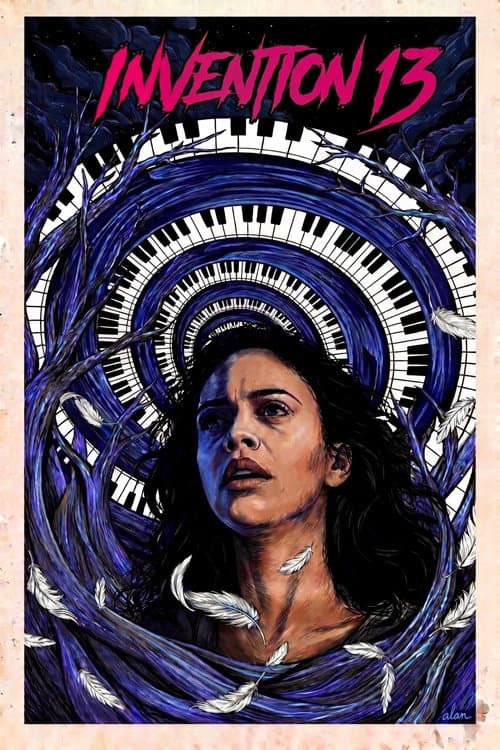
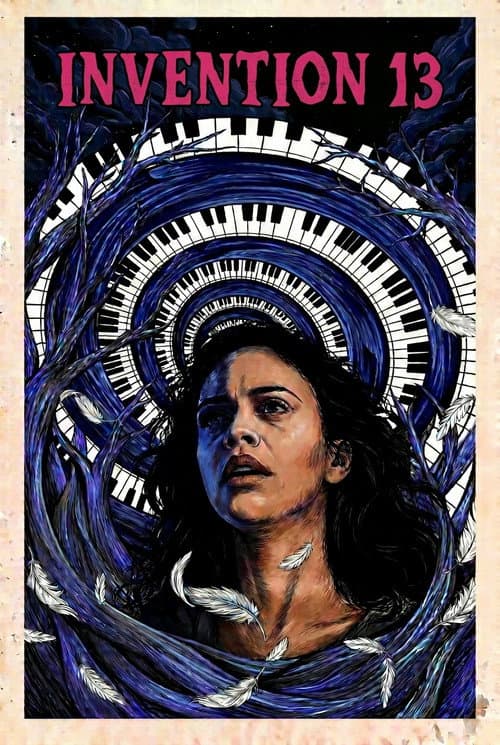
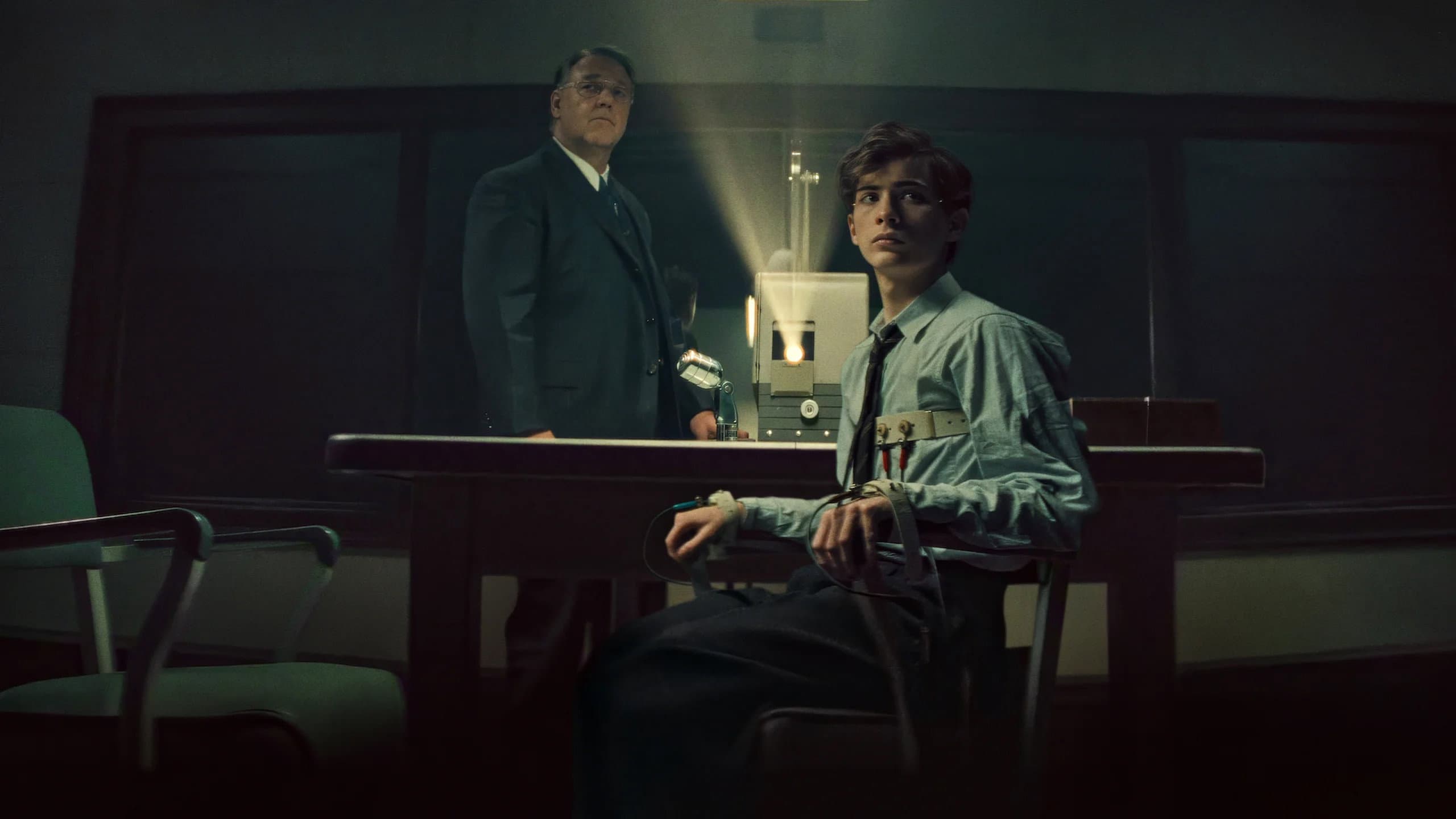
Christopher (Emory Cohen) is a pianist in crisis. It is a cold, windy night, and he is hunched over a keyboard trying to tame Bach’s Invention No. 13 in A Minor - a piece notorious for its relentless two-part counterpoint, where the left and right hands seem designed to argue. He is not merely struggling; he is being harassed. The sheet music shifts. The room breathes. A voice - credited to Phoebe Bridgers as Tabitha - drifts in from somewhere off-screen, offering cryptic commentary rather than practical advice. A figure named Future Dusk (Nelly Morville) haunts the periphery. And Monique (Olivia Howard) appears as a kind of mirror, perhaps a fellow musician, perhaps a figment of Christopher’s increasingly frayed concentration. What follows is less a plot than a spiral: a man versus a piece of music versus a building that seems to have opinions about both.
Invention 13 Review: Oberst's Surreal Piano Fantasy
Director
Conor Oberst
Language
EN
Release
2026-09-26
Runtime
15 min
Quick Verdict
A beautifully shot but dramatically inert curiosity that mistakes ambient dread for narrative momentum. Oberst’s visual instincts are sharp, but his script runs out of keys to play long before the fifteen minutes are up.
Story
Review
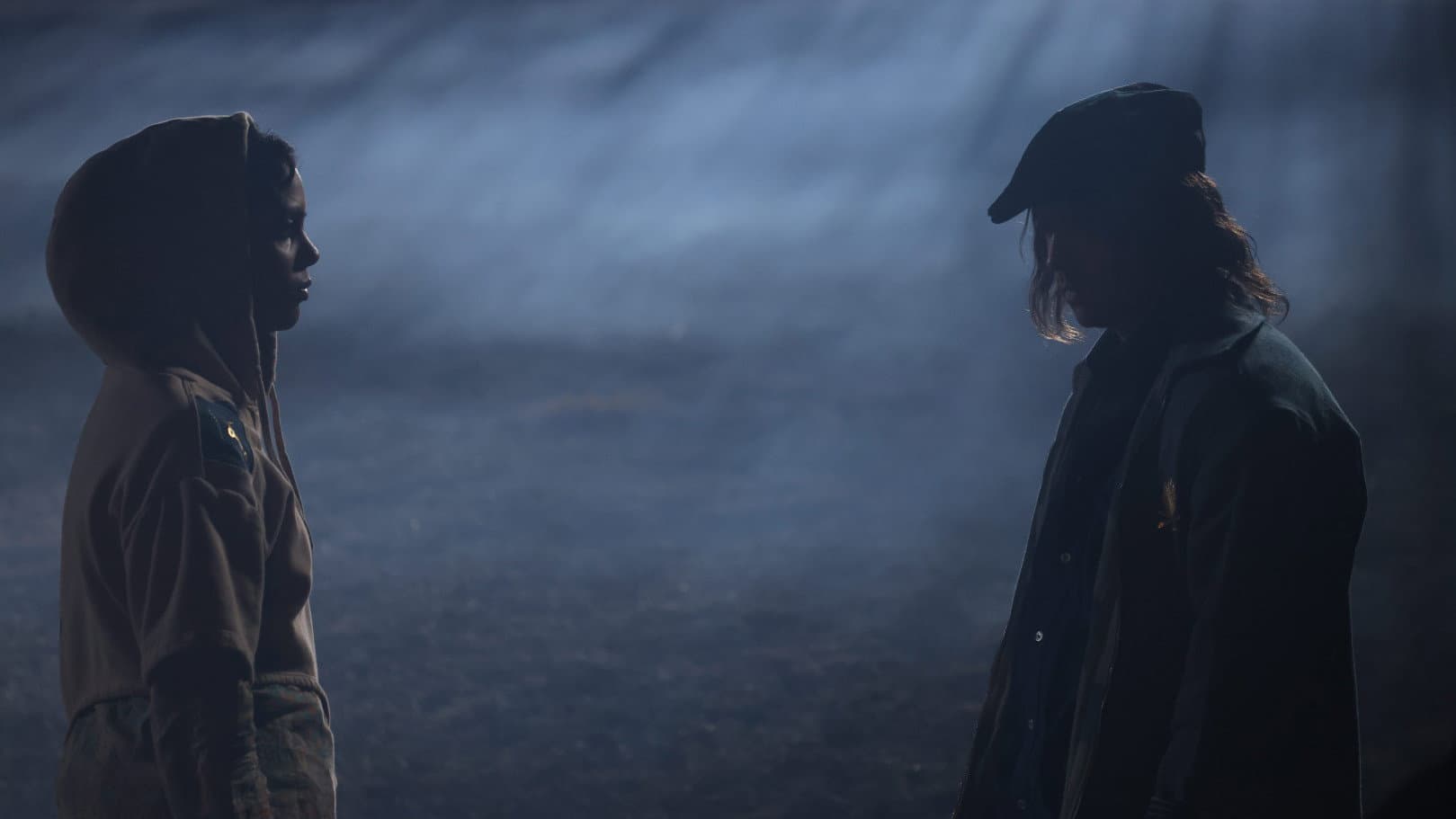
Let me be upfront: Invention 13 is gorgeous in the way that a fever dream can be gorgeous. Oberst, working with a small budget and a single primary location, wrings real atmosphere out of shadows and lamplight. The wind outside becomes a character. The creak of the floorboards is mixed with the same reverence as the piano itself. Cinematographer - if we’re to credit the mood - captures the specific loneliness of a practice room at 2 a.m., that sense that the rest of the world has gone to sleep while you wrestle with a dead German composer. The film understands that learning Bach is not a technical exercise; it is a negotiation with history.
Where it falters is in its refusal to commit to a single idea. Is this a ghost story? A psychological breakdown? A fantasy about the sentient nature of art? Oberst gestures at all three, then retreats whenever any of them threatens to become concrete. Bridgers’s vocal performance is haunting in the literal sense - she sounds like a ghost who has wandered in from a different, better movie - but Tabitha never coheres into a presence with rules or intentions. The same goes for Future Dusk, whose name promises a mythology the script never bothers to build. Emory Cohen does what he can with a role that requires him mostly to stare at sheet music with mounting despair. He is convincingly exhausted. But exhaustion is not an arc.
There is a version of this film that runs eighty minutes and dives into the supernatural logic suggested by its title and cast of mysterious figures. That version might be a minor cult classic. This version, at fifteen minutes, feels like a proof of concept for something the filmmaker has not yet decided to make. The TMDb rating of 0/10 is absurd - this is not a zero, it is a shrug - but it speaks to a real frustration: Invention 13 teases meaning it never delivers.
Still, there is pleasure in its texture. The sound design is excellent. The choice to keep the piano slightly out of tune in the lower register is a clever touch, suggesting the instrument itself is resisting. And the final shot, which I will not spoil, lands with the kind of quiet unease that a much longer film might have earned. Oberst has an eye. He just needs a stronger script and the confidence to let his monsters speak plainly.
Pros & Cons
Pros:
- Atmospheric, shadow-drenched cinematography that makes the most of a single location
- Exceptional sound design, particularly the wind and the subtly detuned piano
- Phoebe Bridgers’s vocal work is genuinely eerie, even when the script gives her little to do
- Emory Cohen commits to the physicality of frustration without overacting
Cons:
- The narrative gestures at three different genres and commits to none
- Supporting characters like Monique and Future Dusk are introduced with no clear purpose
- Fifteen minutes feels both too long for the thin premise and too short for the mythology it hints at
- The ending is ambiguous in a way that feels evasive rather than provocative
Rating Breakdown
Final Verdict
Invention 13 is a film you admire more than you enjoy. It is the work of a director who knows how to build a mood but not yet how to tell a story. If you are a pianist, you will recognize the specific hell of Bach’s counterpoint and perhaps forgive the narrative mess. If you are not, you will likely spend fifteen minutes waiting for a payoff that never comes. Oberst has talent behind the camera. Let us hope his next invention has a stronger melody.
Cast

Emory Cohen
Christopher
Olivia Howard
Monique

Phoebe Bridgers
Tabitha (voice)

Nelly Morville
Future Dusk
Gallery