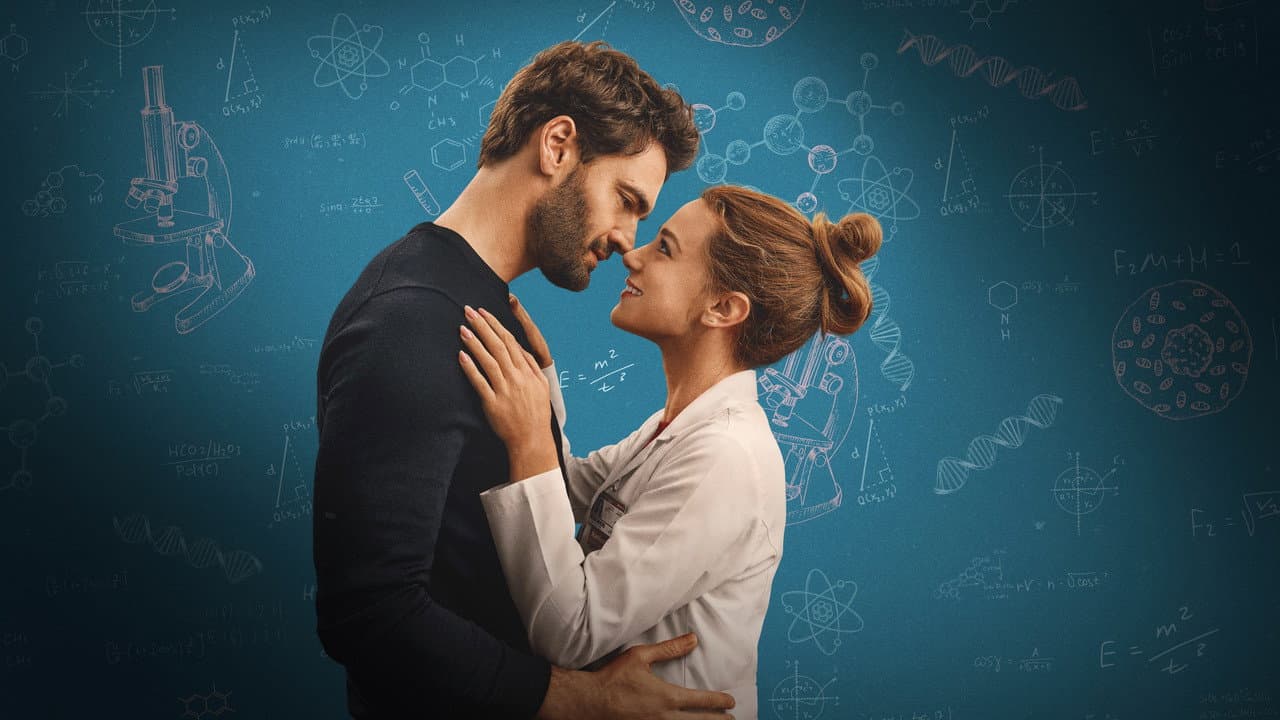
The knife-edge tension of a good academic rivalry gets a glossy, pheromone-charged makeover in "The Love Hypothesis," which landed in theaters yesterday to an already feverish reception. Directed by Claire Scanlon, the film adapts the bestselling novel into a brisk 110 minutes of laboratory banter, fake dating, and the kind of slow-burn romantic combat that makes audiences want to shake both leads by the shoulders. It's a romantic comedy that understands the genre's oldest rule: the best foreplay is a well-argued scientific dispute.
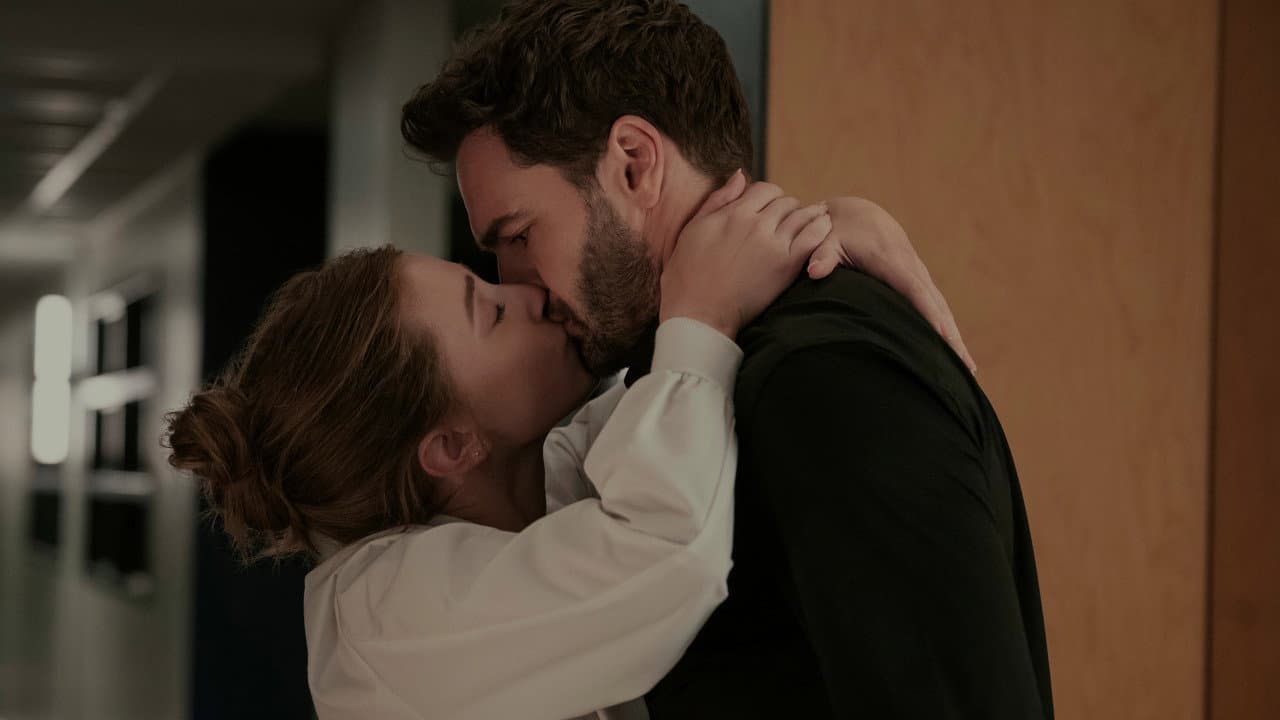
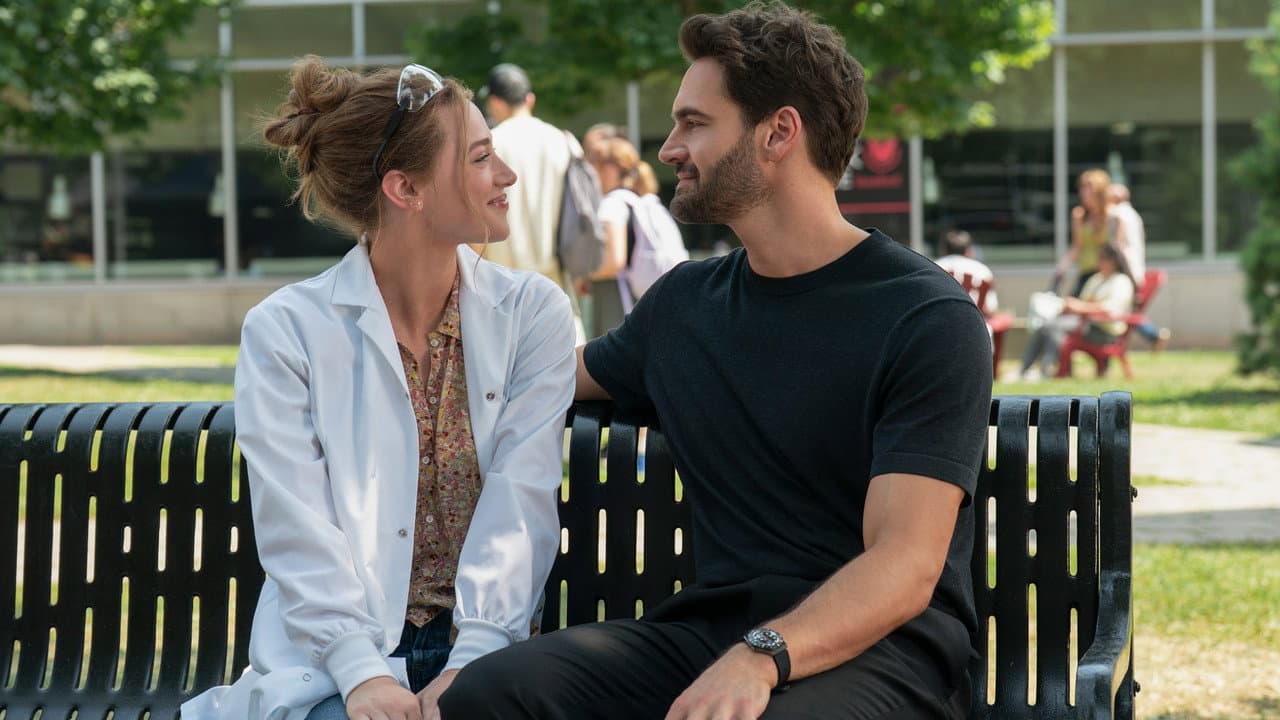
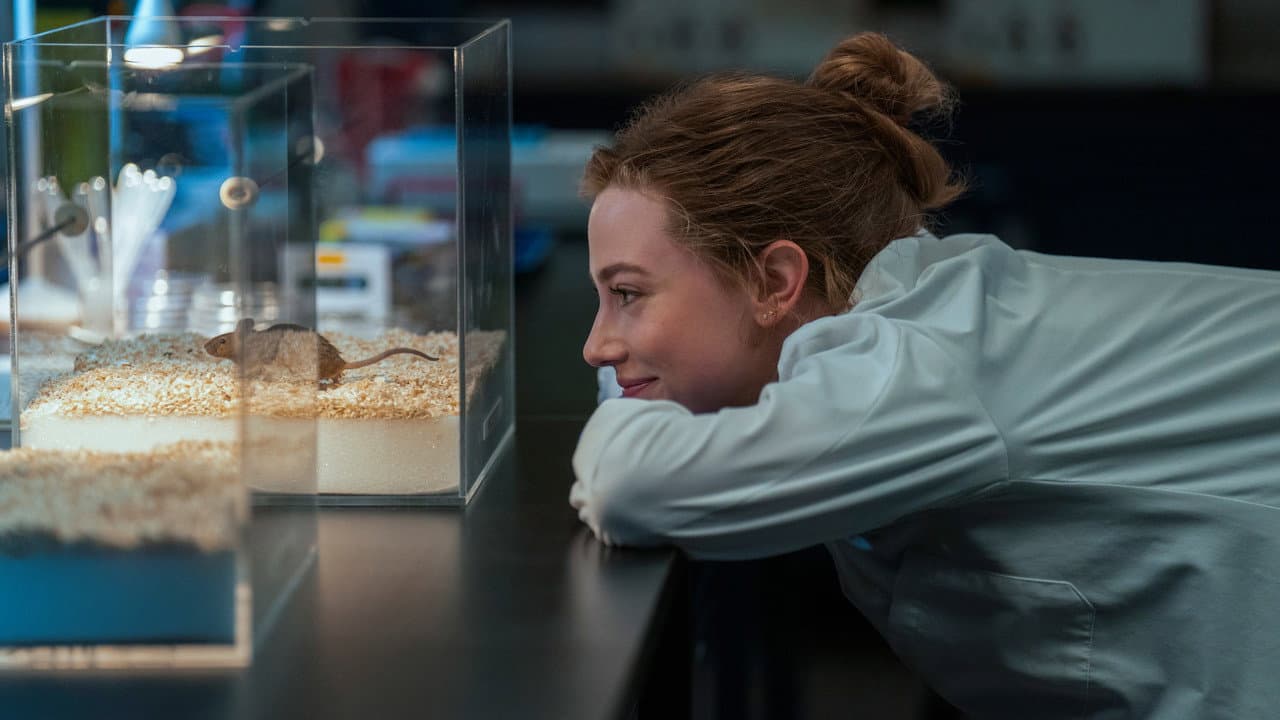
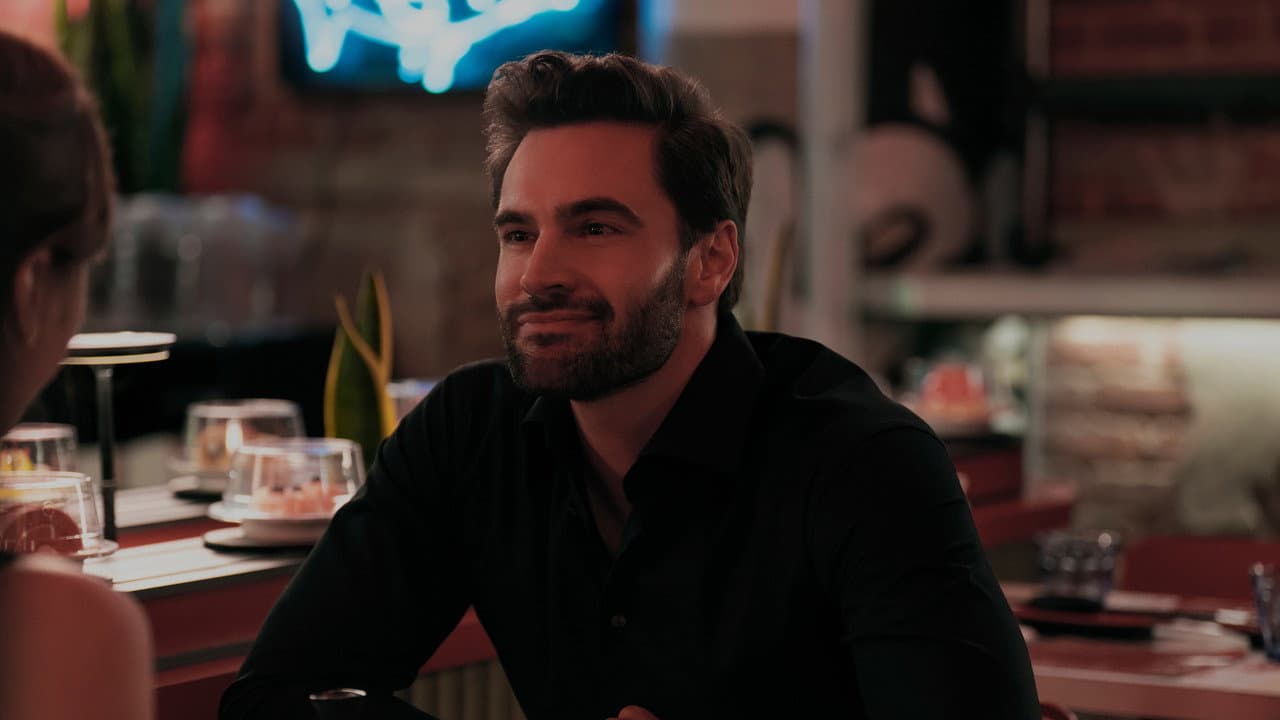
Lili Reinhart stars as Olive Smith, a biology PhD candidate whose belief in love is strictly theoretical. Tom Bateman is Dr. Adam Carlsen, a hotshot professor with a reputation as a tyrant and a jawline that could cut glass. When Olive needs to convince her best friend that she's moved on from an ex, she does what any self-respecting scientist would do: she kisses the first man she sees. Unfortunately, that man is Carlsen. Fortunately, he needs to prove to his department that he's not a flight risk. Cue the mutually beneficial arrangement, the signed protocols, and the inevitable collapse of every carefully calculated theory either of them has ever held about the heart.
It's a setup so familiar it could be a control group, but Scanlon and her cast treat it with enough wit and warmth to make the formula feel new. The film's greatest asset is its central pairing. Reinhart, who has spent years honing a specific brand of sharp-edged vulnerability, gives Olive a restless intelligence that makes her scientific detachment feel like self-defense. Bateman, meanwhile, resists the urge to play Carlsen as merely brooding. His tyrant is funny, petty in small ways, and devastatingly tender when he thinks no one is watching. Their chemistry is less a spark than a slow chemical reaction, and the film is smart enough to let it bubble.
The supporting cast keeps the lab from feeling like a two-hander. Rachel Marsh is a standout as Anh Pham, Olive's best friend, who gets the film's most grounded emotional beats. Jaboukie Young-White brings a loose, welcome humor as Malcolm Browne, while Nicholas Duvernay's Jeremy Langley is suitably punchable as the ex who sets the whole mess in motion. Arty Froushan, Jeananne Goossen, and Kenny Wong round out the academic ensemble with enough specificity to make the university feel lived-in rather than merely scenic.
Scanlon, whose background includes sharp comedic television work, directs with an eye for the absurdity of academic life. The labs are fluorescent-lit and cluttered, the grant meetings are passive-aggressive nightmares, and the idea that two adults would sign a literal contract to manage their feelings is treated with the exact level of ridiculousness it deserves. The script has fun with the jargon, using scientific language as a flirting mechanism and a defense mechanism in equal measure. A scene in which Olive and Adam negotiate the terms of their fake relationship like grant proposals is the film's comic high point, a reminder that the best rom-coms are often about people who are too smart to be honest.
Where the film stumbles is in its final act, which rushes toward a resolution that the first two-thirds earn with more patience. The third-act misunderstanding is a genre requirement, but it arrives with a whiff of obligation rather than organic conflict. And while the film wisely avoids making Carlsen a simple reformed brute, it occasionally lets him off the hook too easily for behavior that would get a real professor hauled before an ethics board. But these are quibbles. The film knows what it is, and it delivers.
The timing of the release is no accident. Arriving in the final days of September, "The Love Hypothesis" is positioning itself as the season's most rewatchable romantic comedy, a film designed to be seen in a crowded theater and then discussed over drinks. Early audience scores are sky-high, with a TMDb rating of 8.386/10 suggesting that the film has already found its devoted audience. Whether it crosses over beyond the book's existing fanbase remains to be seen, but the ingredients are all there: a charismatic pair, a script that respects its audience's intelligence, and a premise that turns the language of science into the language of desire.
What makes "The Love Hypothesis" work, ultimately, is its understanding that love is not a problem to be solved. It's an experiment that resists replication, a variable that refuses to be controlled. Olive and Adam spend the entire film trying to prove each other wrong, only to discover that the hypothesis they should have been testing all along is their own capacity for surprise. It's a familiar conclusion, but the pleasure is in the method. In a genre that often mistakes chemistry for formula, this one gets the reaction right.