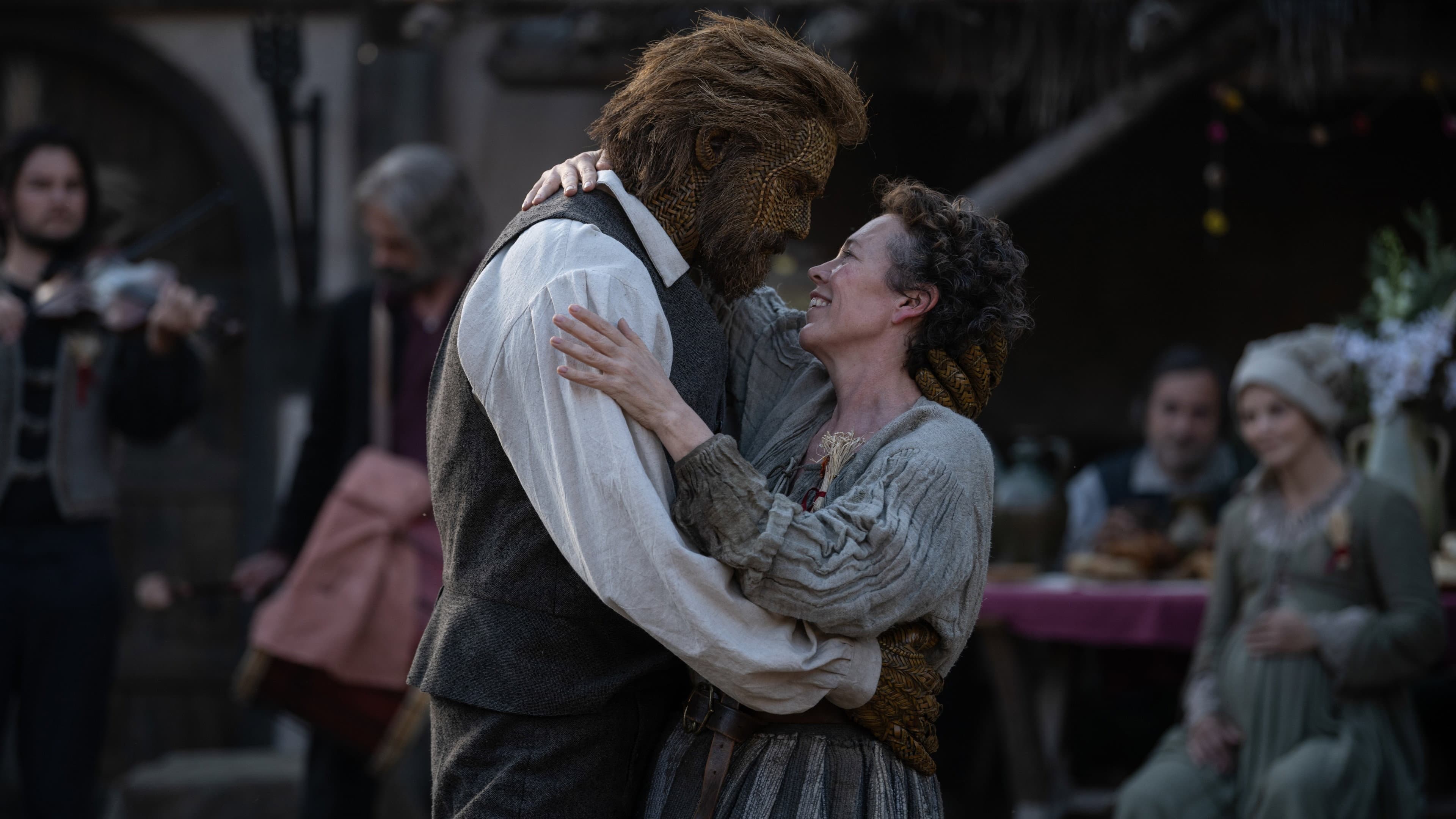
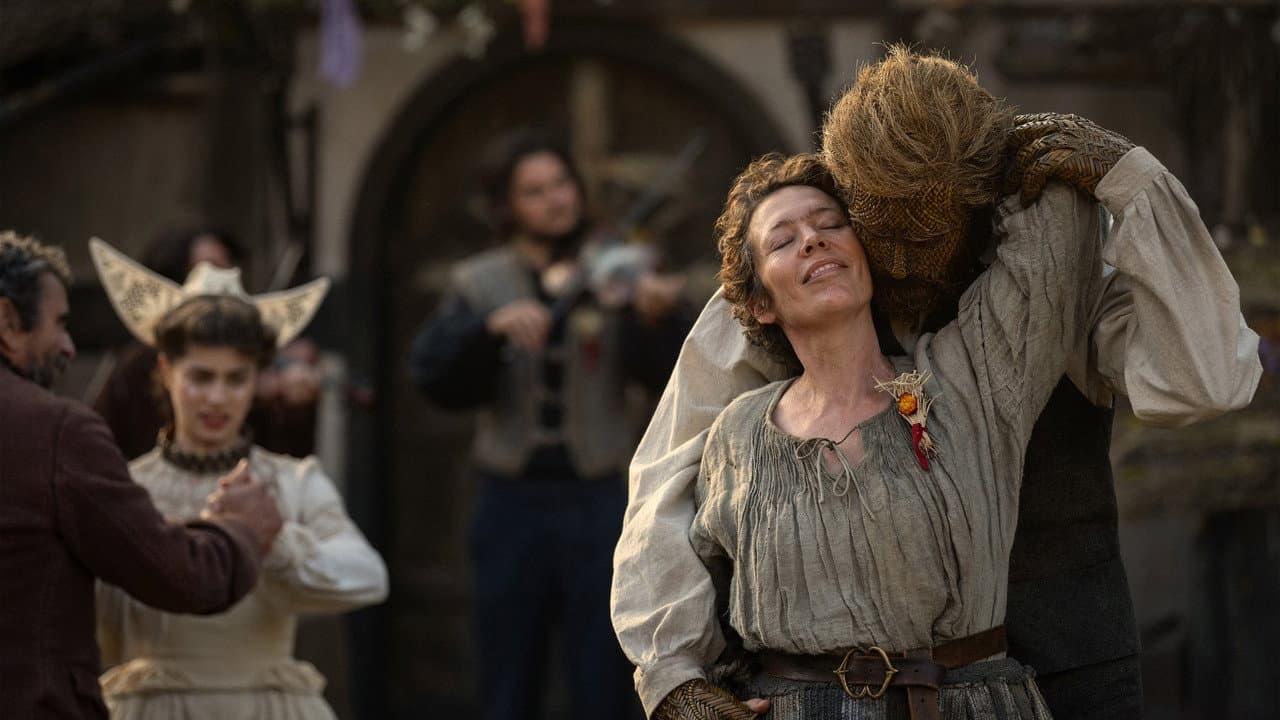
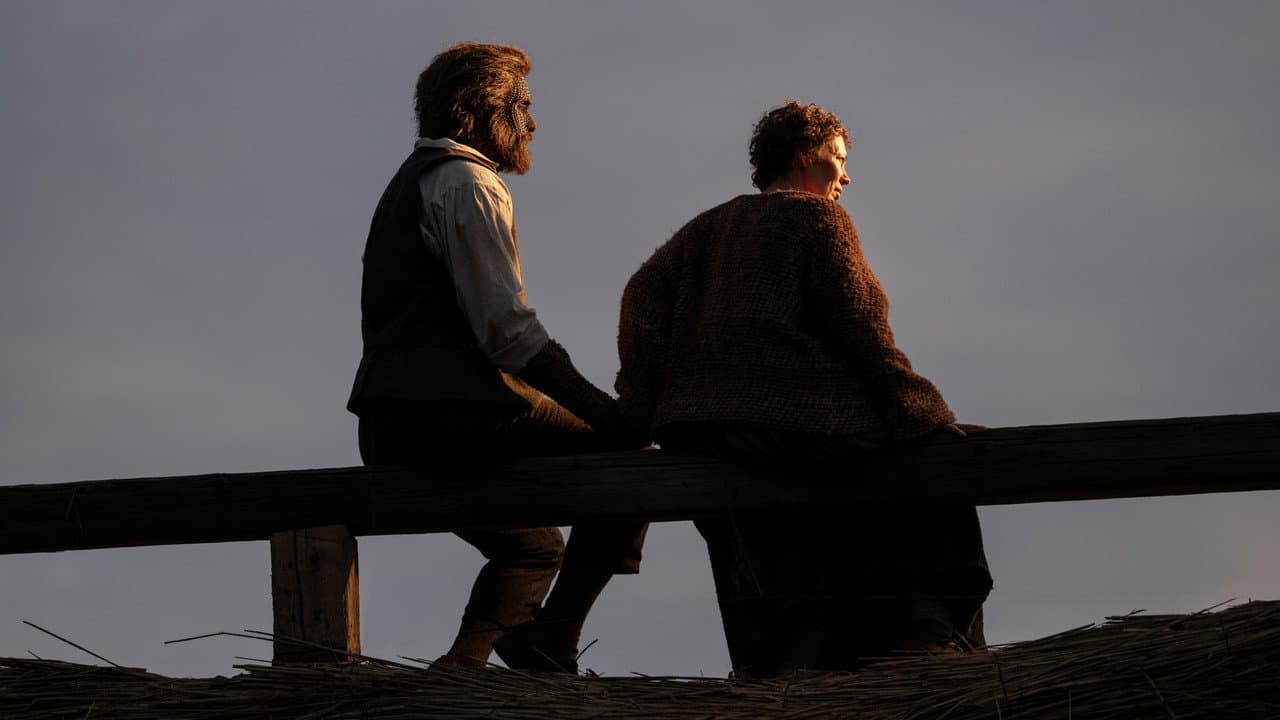
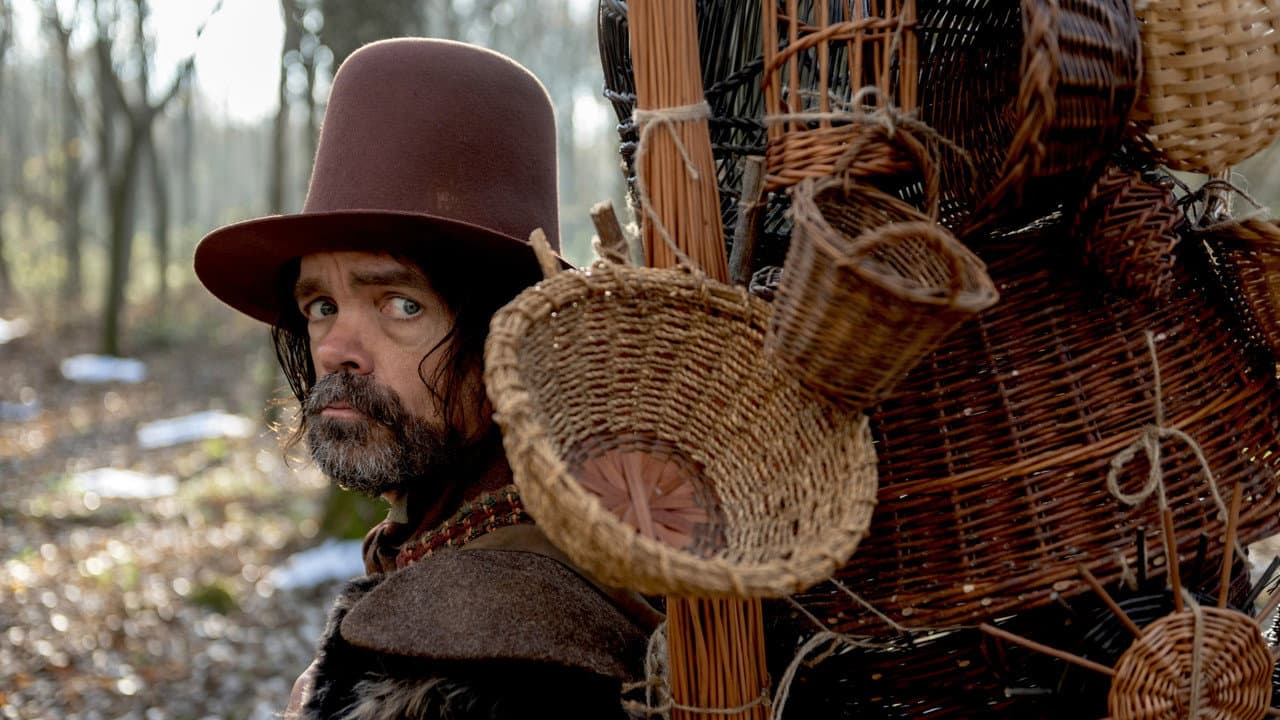
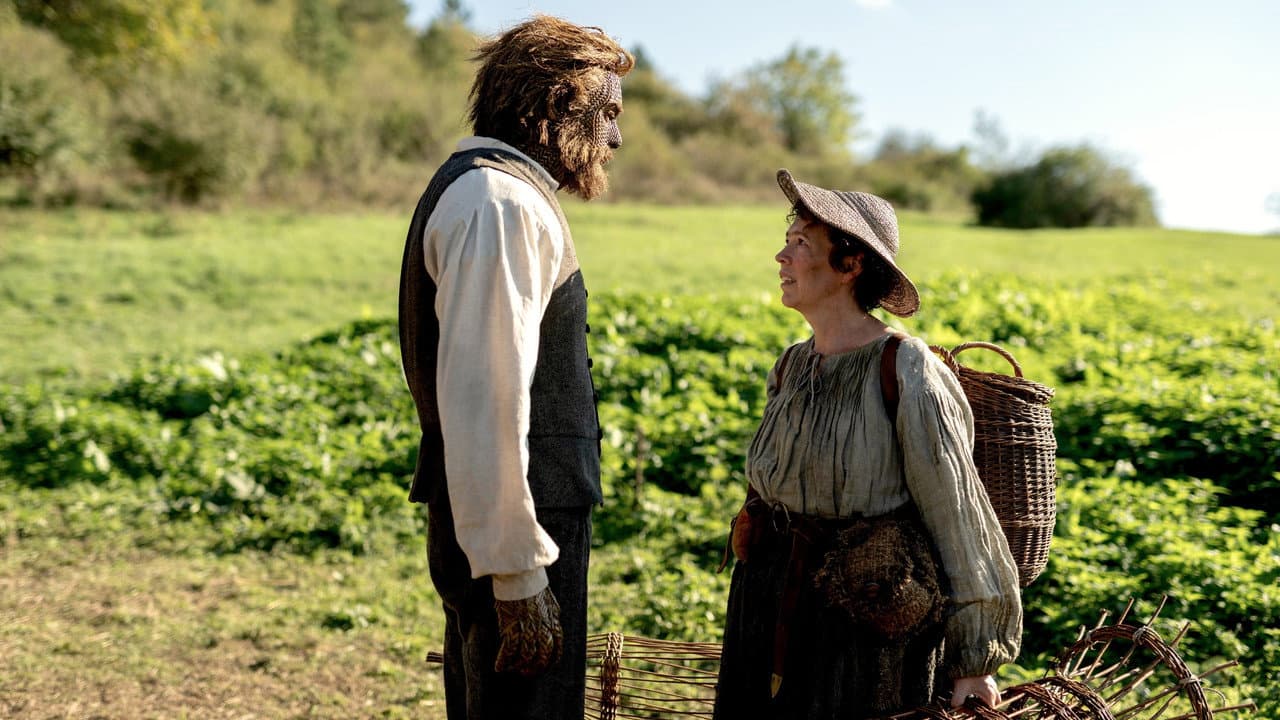
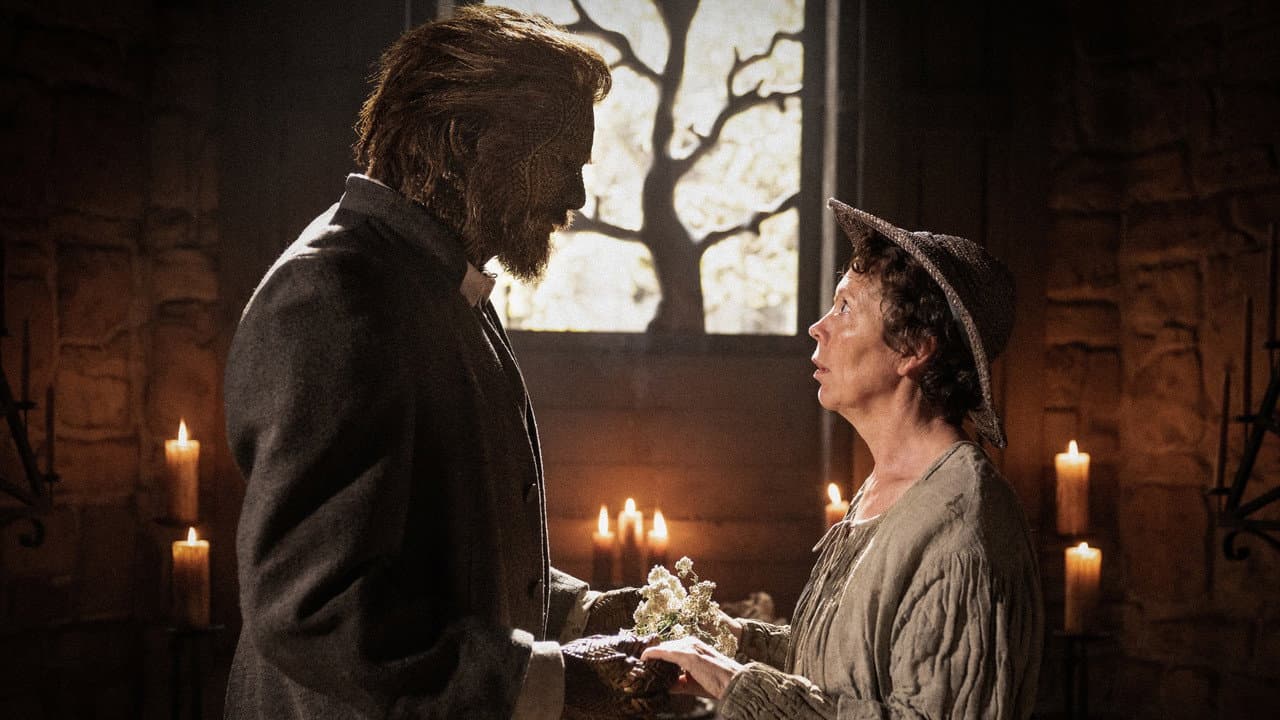
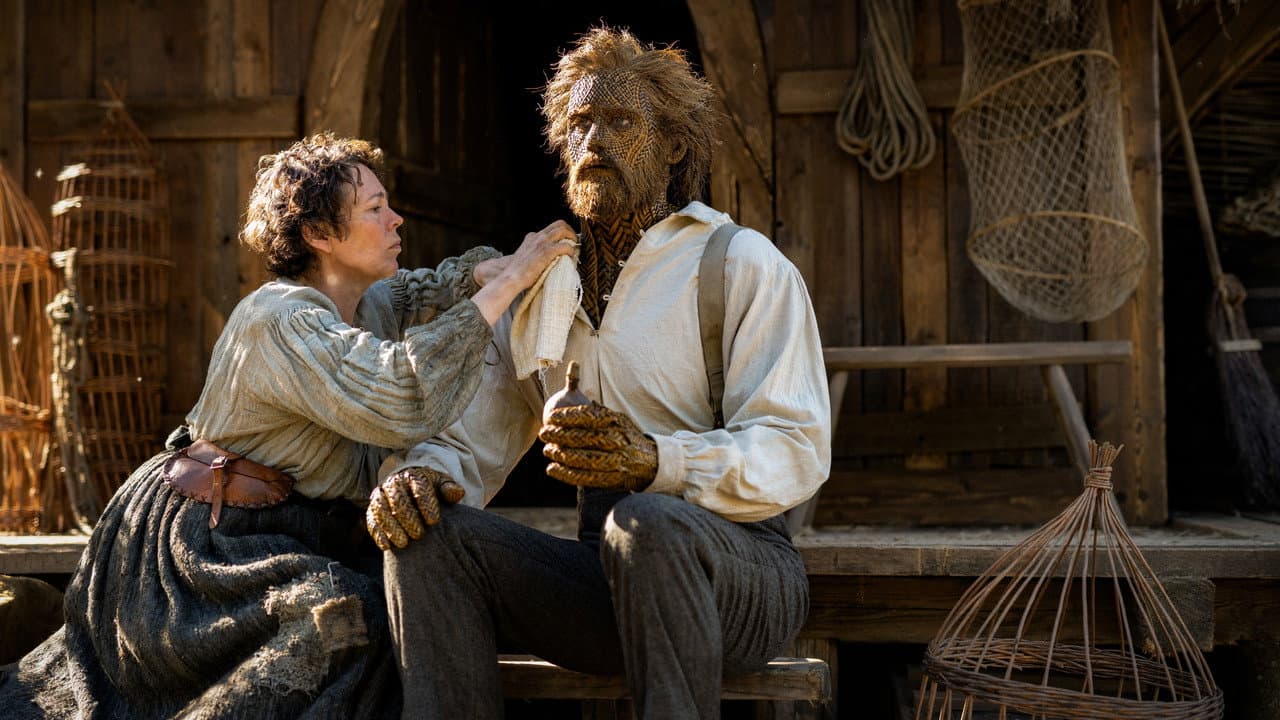
The first thing that strikes you about Wicker is how seriously it takes itself, which is the secret sauce of any great comedy. Wilson directs with the visual language of a high-end period drama - think The Favourite meets a coastal crafts fair. The cinematography is lush, capturing the salt-spray air and the oppressive grayness of the village, ensuring that the absurd premise is anchored in a world that feels real and cold. The villager's reactions are not cartoonish; they are terrifyingly authentic representations of mob mentality and the fear of the "other."
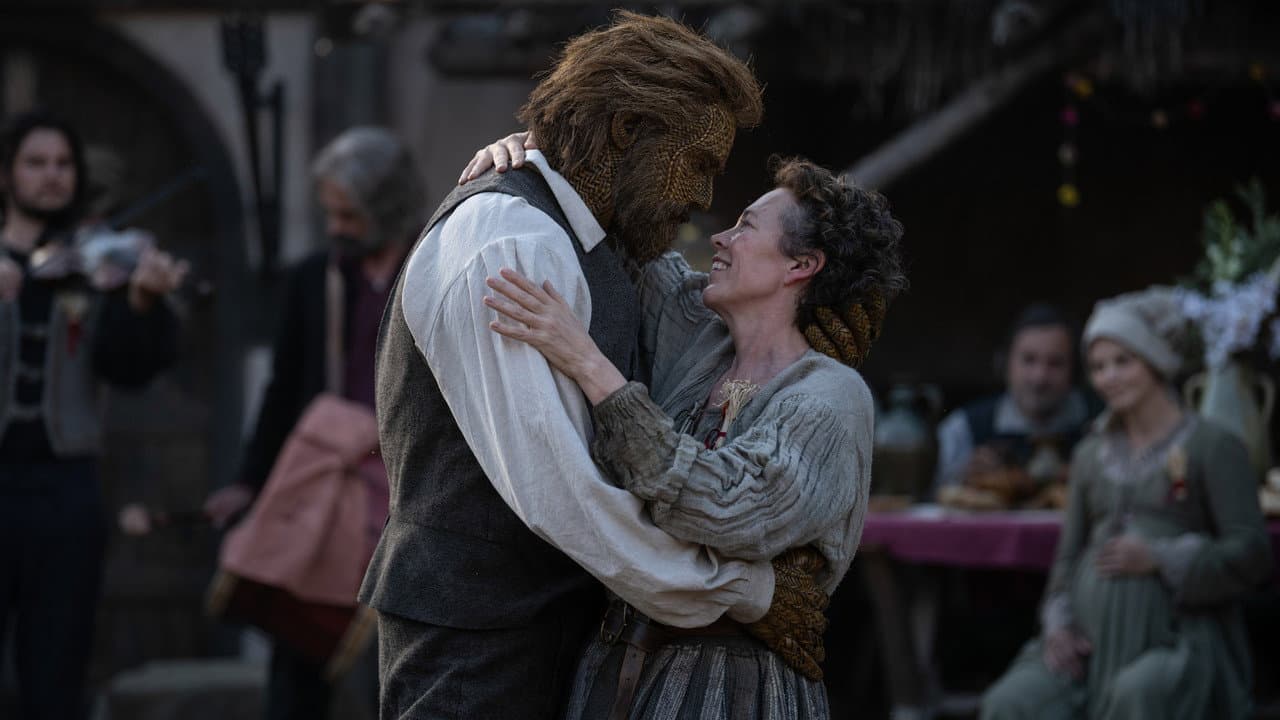
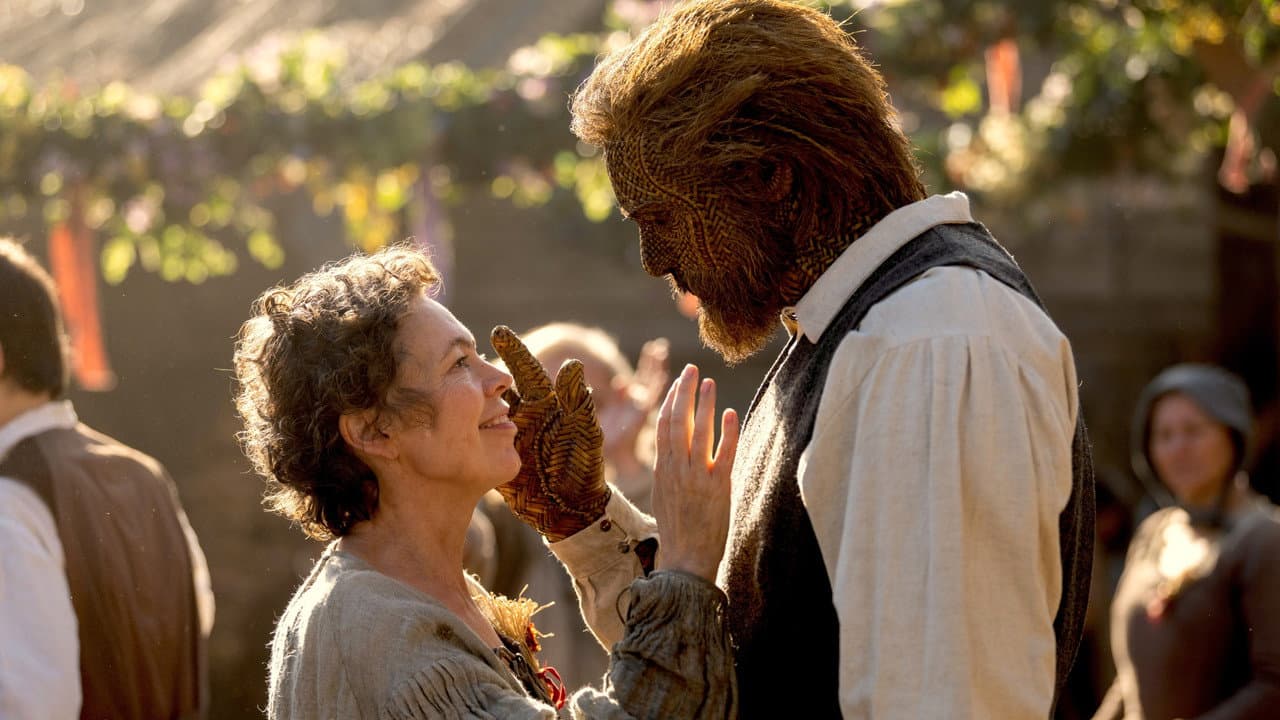
At the heart of this is Olivia Colman, who delivers a masterclass in physical comedy and pathos. She is unglamorous, smelling of fish and desperation, yet she imbues the Fisherwoman with a dignity that commands the screen. Her chemistry with the inanimate Skarsgård is a marvel to behold; she plays off his silence with a vulnerability that makes the romance feel not just plausible, but profound. Skarsgård himself, despite limited movement (and dialogue), brings a surprising warmth to the Wicker Husband, utilizing subtle shifts in posture and a remarkably expressive face to suggest a soul awakening within the branches.
Peter Dinklage and Richard E. Grant provide excellent support as the skeptical craftsman and the bewildered town doctor, respectively, grounding the escalating madness with dry wit. However, the unsung hero of the film might be Elizabeth Debicki. As the Tailor’s Wife, she channels a venomous jealousy that becomes the engine of the film's conflict. She represents the repressed desires of the entire town, projecting her own frustrations onto the Fisherwoman’s unconventional happiness.
Where the film falters slightly is in its midsection. The transition from the initial shock of the Wicker Husband to the actual integration into village life feels padded. The subplot involving the Basket Weaver’s Sister (Marli Siu) feels underdeveloped and distracts from the central romance. Additionally, the film’s visual metaphor - nature versus rigid society - is hammered home a bit too heavily in the dialogue. We understand the Wicker Husband represents a return to a more primal, honest form of connection; we don't need the doctor to explain it to us.
Nevertheless, the film deserves immense credit for refusing to explain the magic. Is the husband actually alive? Or is he a psychological manifestation of the Fisherwoman's trauma? Wilson wisely leaves this ambiguous, allowing the audience to decide whether the magic is real or whether the transformation is entirely internal. The finale, which involves the literal dismantling of the town's prejudices, is uproariously funny and genuinely cathartic.