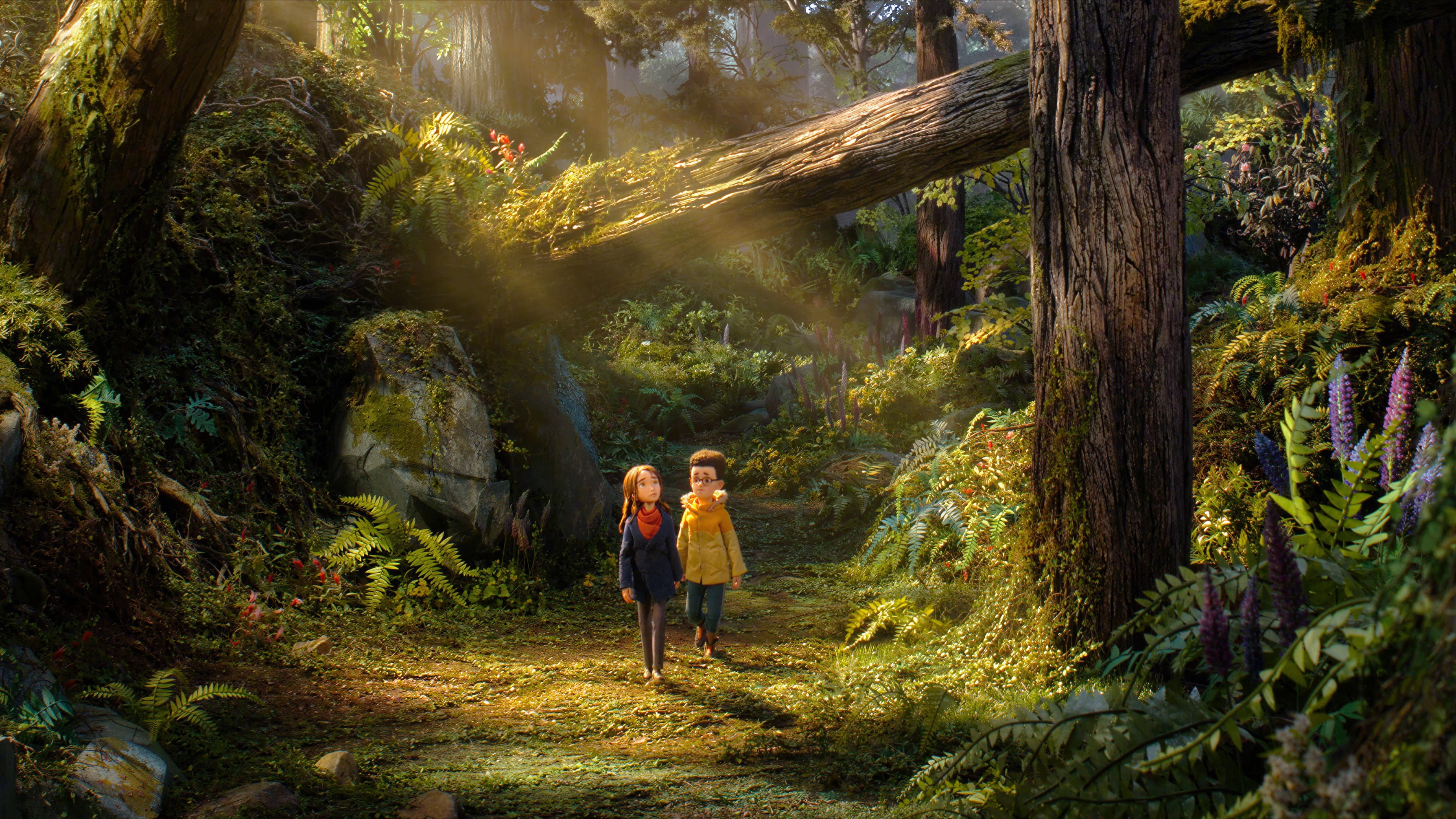
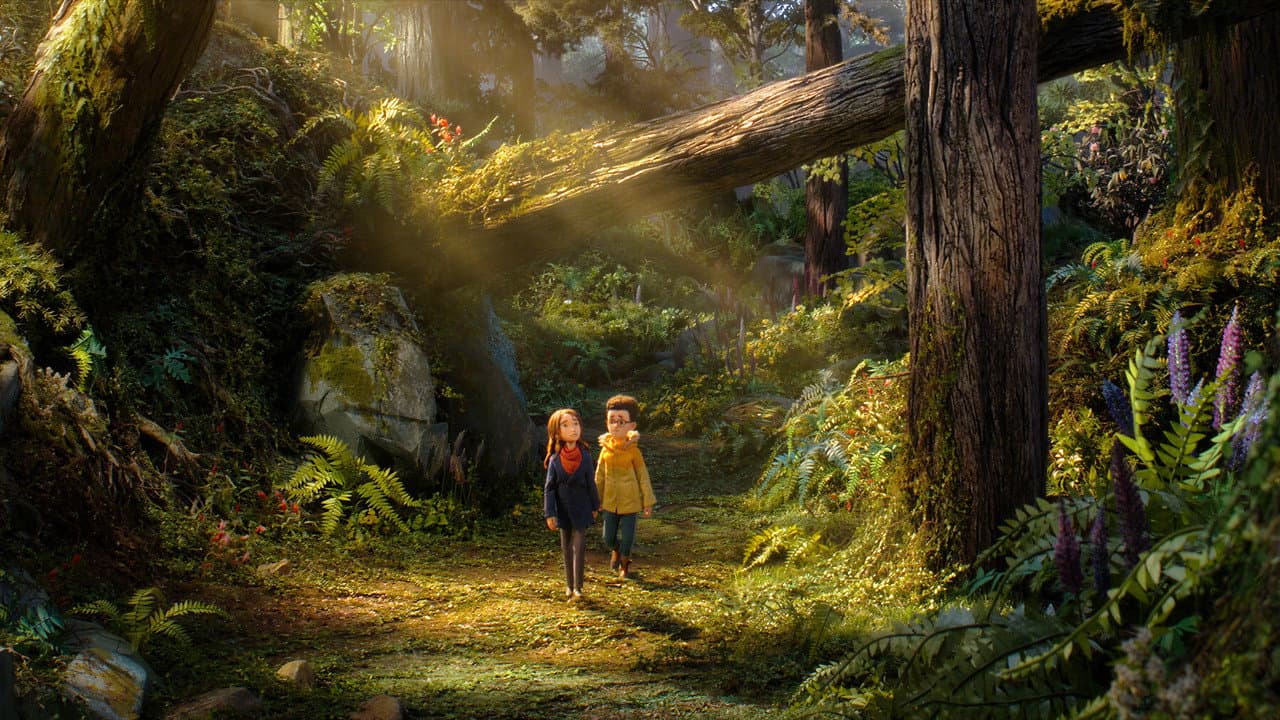
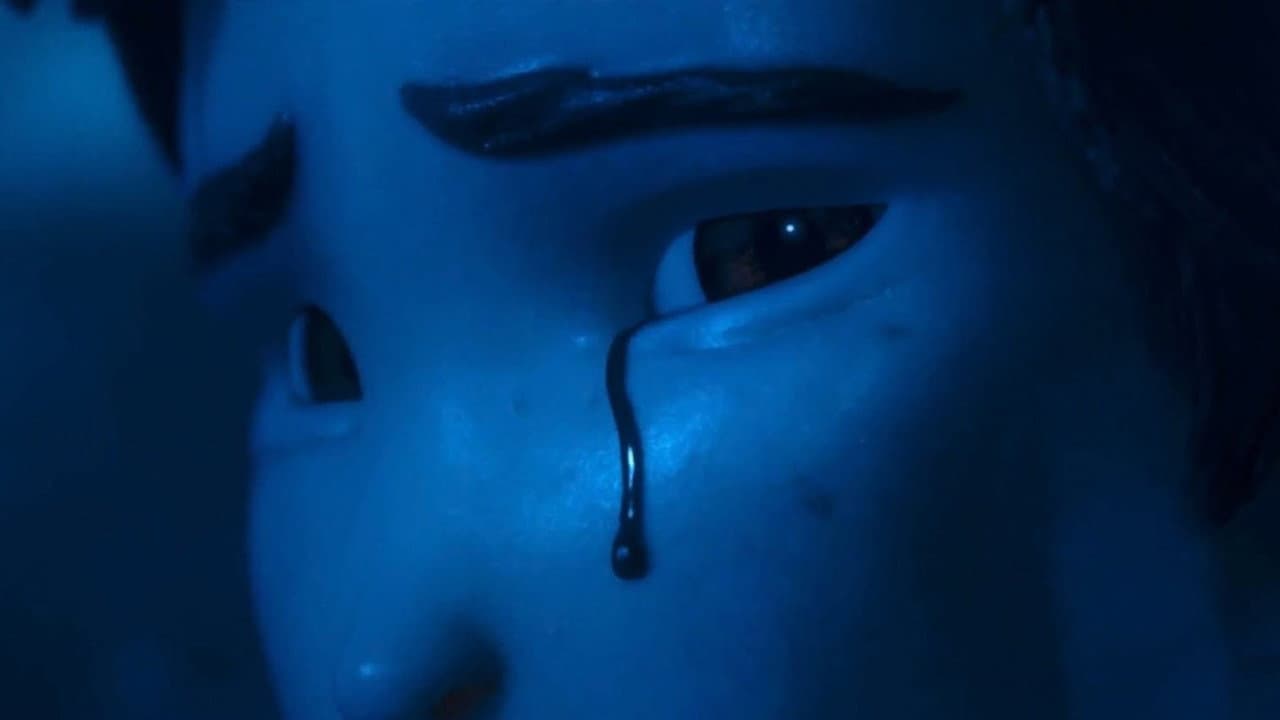
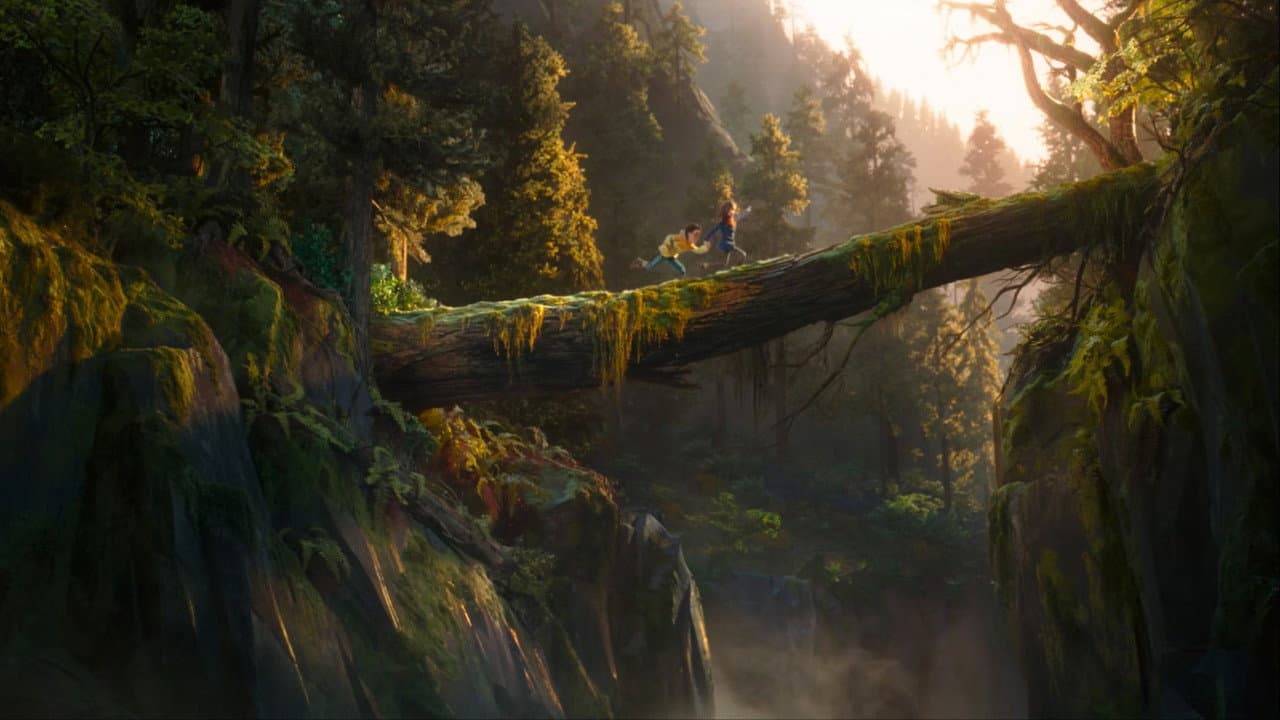
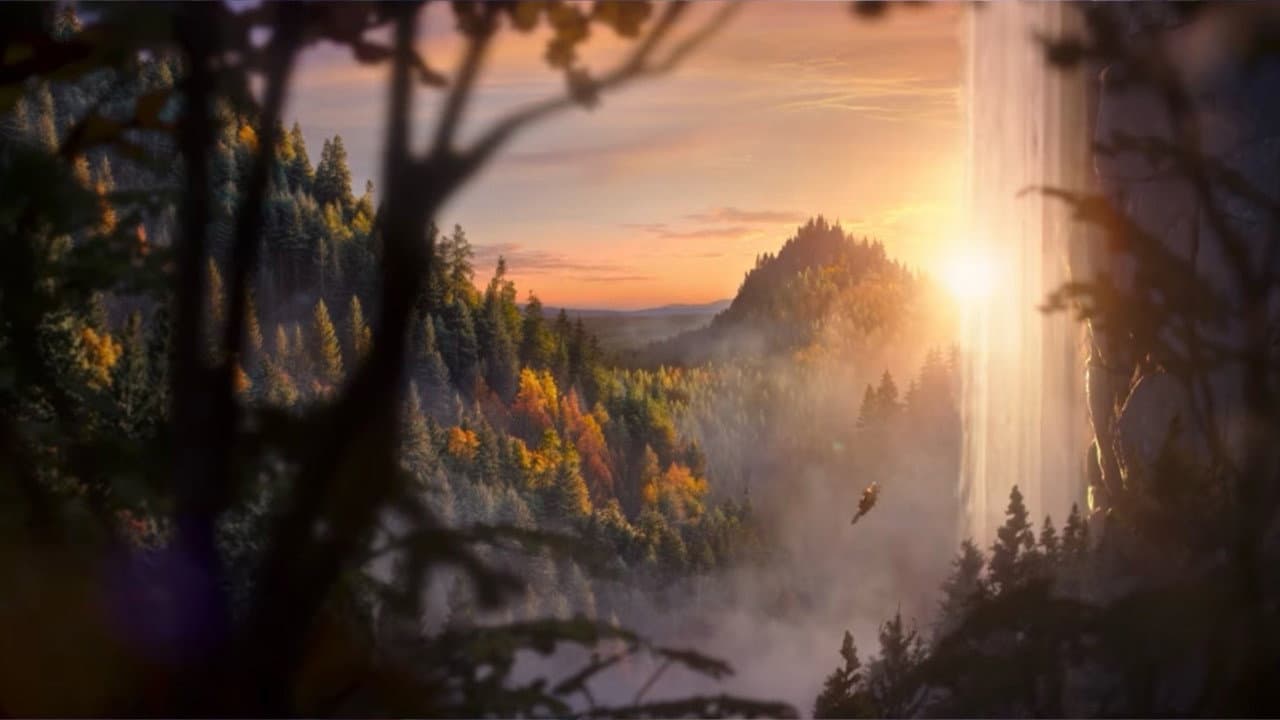
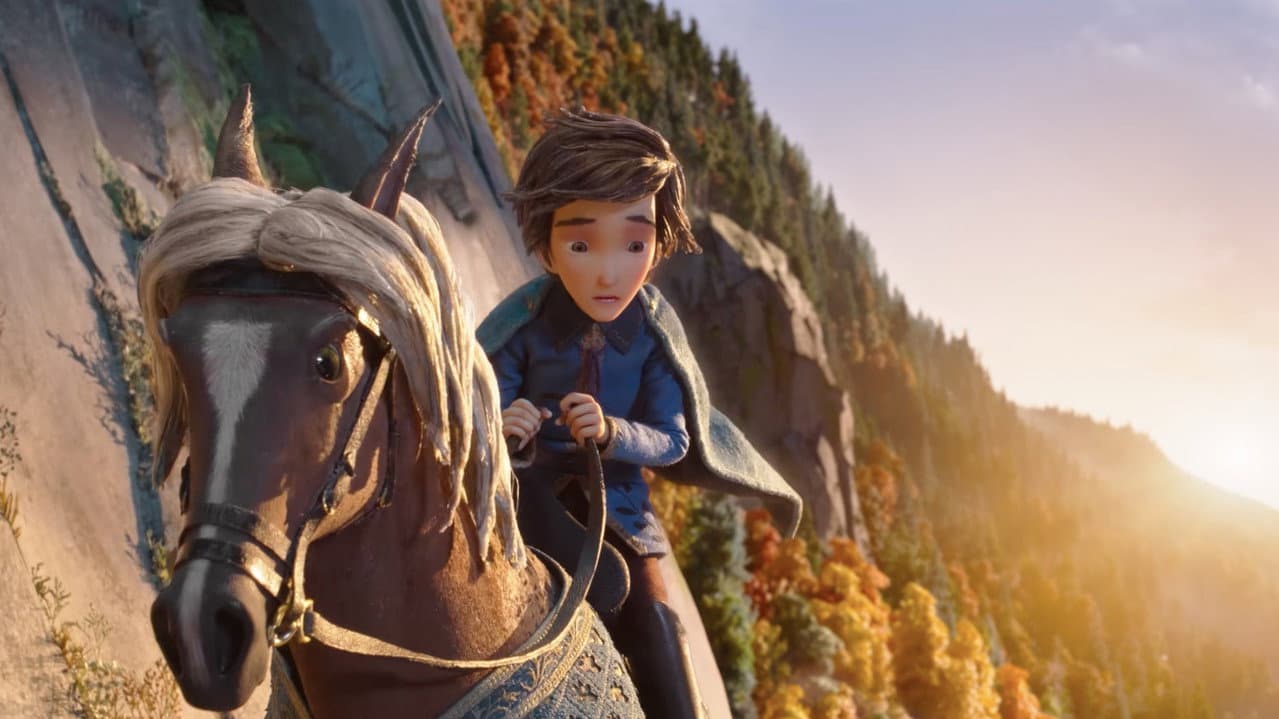
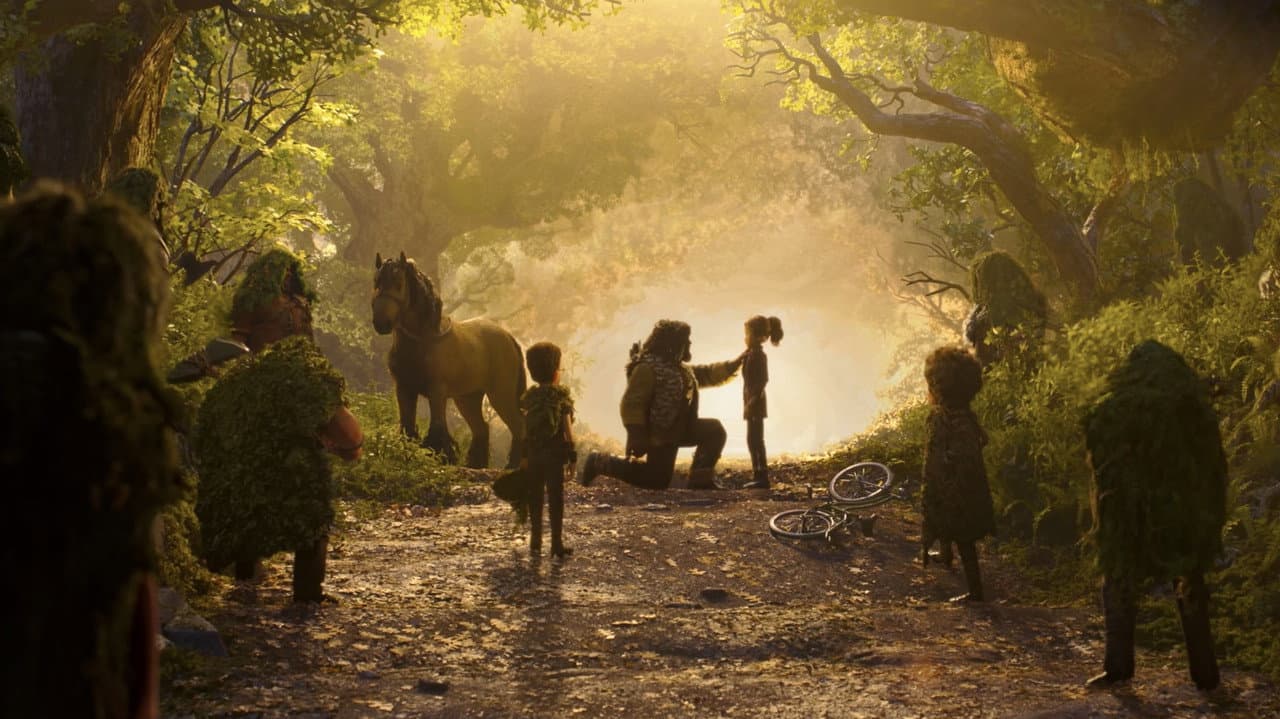
Let's start with the obvious: this is a stunning piece of animation. Knight, who cut his teeth on stop-motion before scaling up to Kubo and the Two Strings, brings that tactile sensibility to computer-generated imagery. The forest feels damp and lived-in. Bark has grain, moss has weight, and light filters through the canopy in a way that makes the wilderness feel less like a backdrop and more like a character with opinions about trespassers. It's a film you can practically smell.
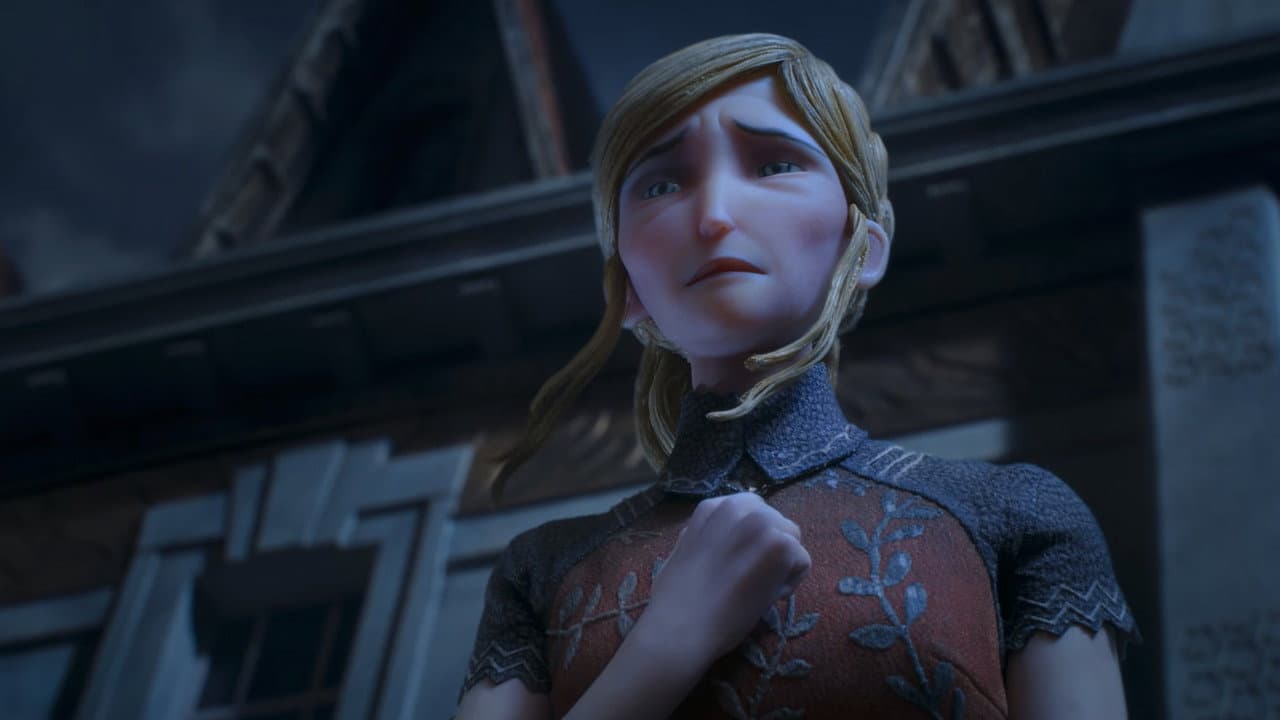
The voice cast is deep and, more importantly, committed. Peyton Elizabeth Lee gives Prue a stubborn, unglamorous courage - she's less a chosen one than a determined older sister who refuses to accept an unacceptable outcome. Jacob Tremblay's Curtis could have been an irritant; instead he's the film's quiet engine of growth. Carey Mulligan, voicing Alexandra, is the standout. She doesn't chew scenery so much as chill it, playing the antagonist with a melancholy that makes her genuinely unnerving - you sense a history behind the crows and the cruelty, even when the film withholds it. Mahershala Ali brings gravitas to Brenden, Angela Bassett gives the General a clipped authority, and Awkwafina's Septima supplies the film's few genuine laughs without puncturing the mood.
And that mood is the film's defining gamble. Wildwood is sad in places. Not performatively sad - earnestly, thoughtfully sad. It deals in separation, loyalty, and the strange grief of discovering that the adult world is more complicated than you were promised. Some younger viewers may find the middle stretch slow going; the film takes its time establishing the forest's politics, and there are scenes where the dialogue is carrying more exposition than the images should have to support. It's also a long sit for the under-seven set.
But for families with kids old enough to hold a story in their heads, this is the rare animated film that doesn't flinch. Knight trusts the material, and the material rewards the trust. The third act delivers real catharsis because the film invested in its people rather than in its spectacle - though the spectacle, when it comes, is something to behold.