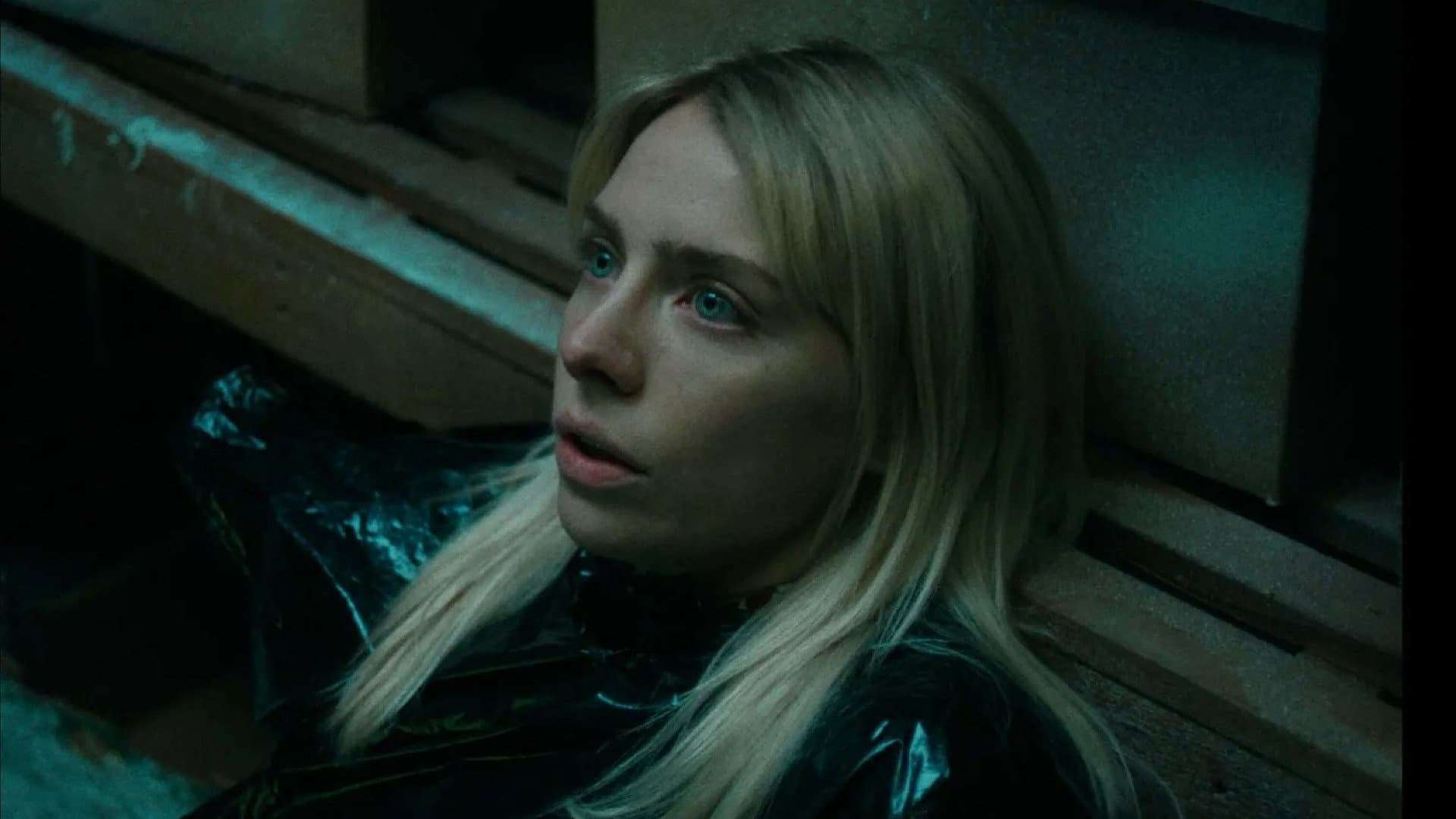
The pitch sounds almost quaint: a struggling grad student, buried under tuition debt, gets an offer to fund his research if he'll spend a few weeks at a poodle breeder's remote ranch. No catch, she promises. Just dogs, paperwork, and country air. Anyone who has seen a horror movie knows exactly how that promise tends to hold up, and in "Breeder," director Alex Goyette makes his audience wait in delicious discomfort for the other shoe to drop.
Released on October 28, 2026, the film has quietly become one of the fall's most talked-about genre entries, earning a 7.3 rating on TMDb from viewers who seem to relish its slow-burn unease and its refusal to play the monster in the basement game. Clocking in at a lean 97 minutes, "Breeder" pairs the rustic isolation of classic ranch-set thrillers with a psychodrama that centers on two people who want something from each other - and neither is being entirely honest about the terms.
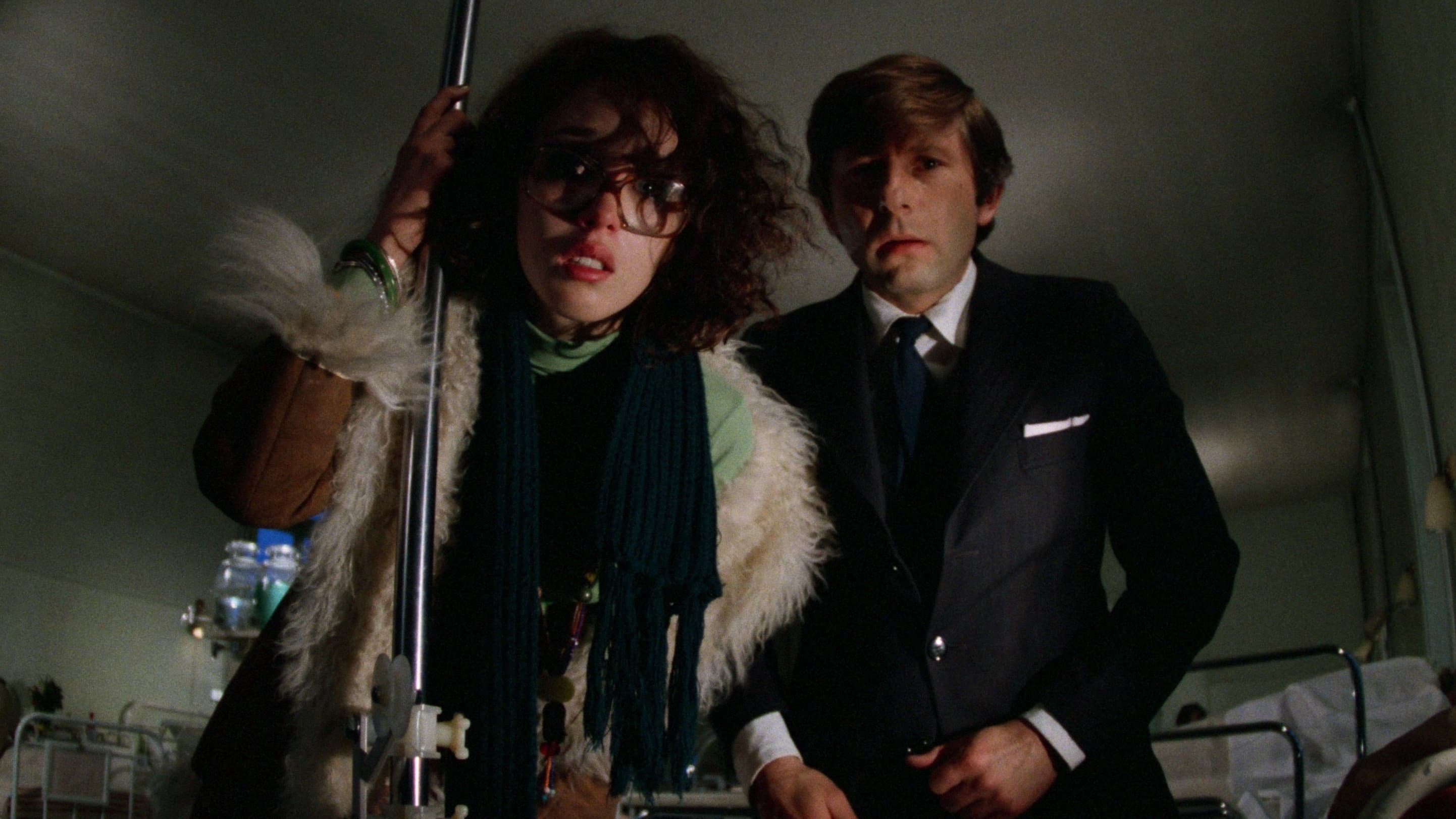
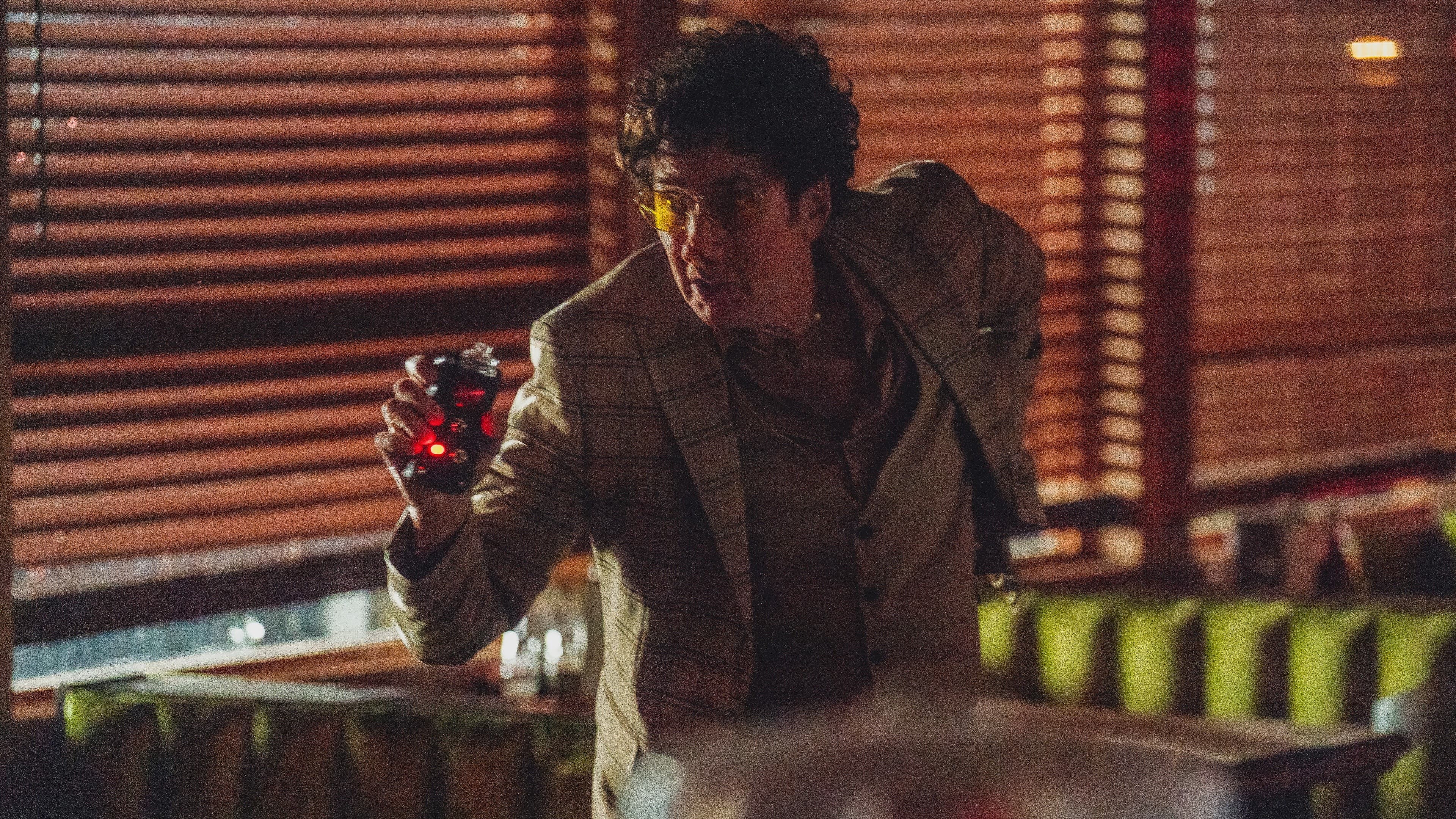
At its center is Russell, played by Daniel Doheny with the specific brand of frayed likability that comes from playing a man running out of options. Russell is broke, and he is not subtle about it. When an eccentric poodle breeder named Patti comes calling with an offer of research funding, he doesn't ask enough questions. Doheny's Russell is smart enough to sense the strange currents of the place and desperate enough to ignore them, a combination that keeps the audience leaning forward, second-guessing every polite exchange.
As Patti, Dot-Marie Jones is the film's gravitational pull. Known for her warm, blunt-edged presence in television comedy, Jones turns that familiarity into a weapon: her Patti is charming, funny, hospitable, and utterly in control of an environment she has spent decades building. The character is an eccentric poodle breeder, and the film leans into the fussy details of the work - the grooming, the schedules, the pedigree talk - without ever letting you forget that a kennel is a place built for containment. Jones plays Patti as a woman who has confused devotion with dominion, and the result is one of the more memorable genre performances of the year.
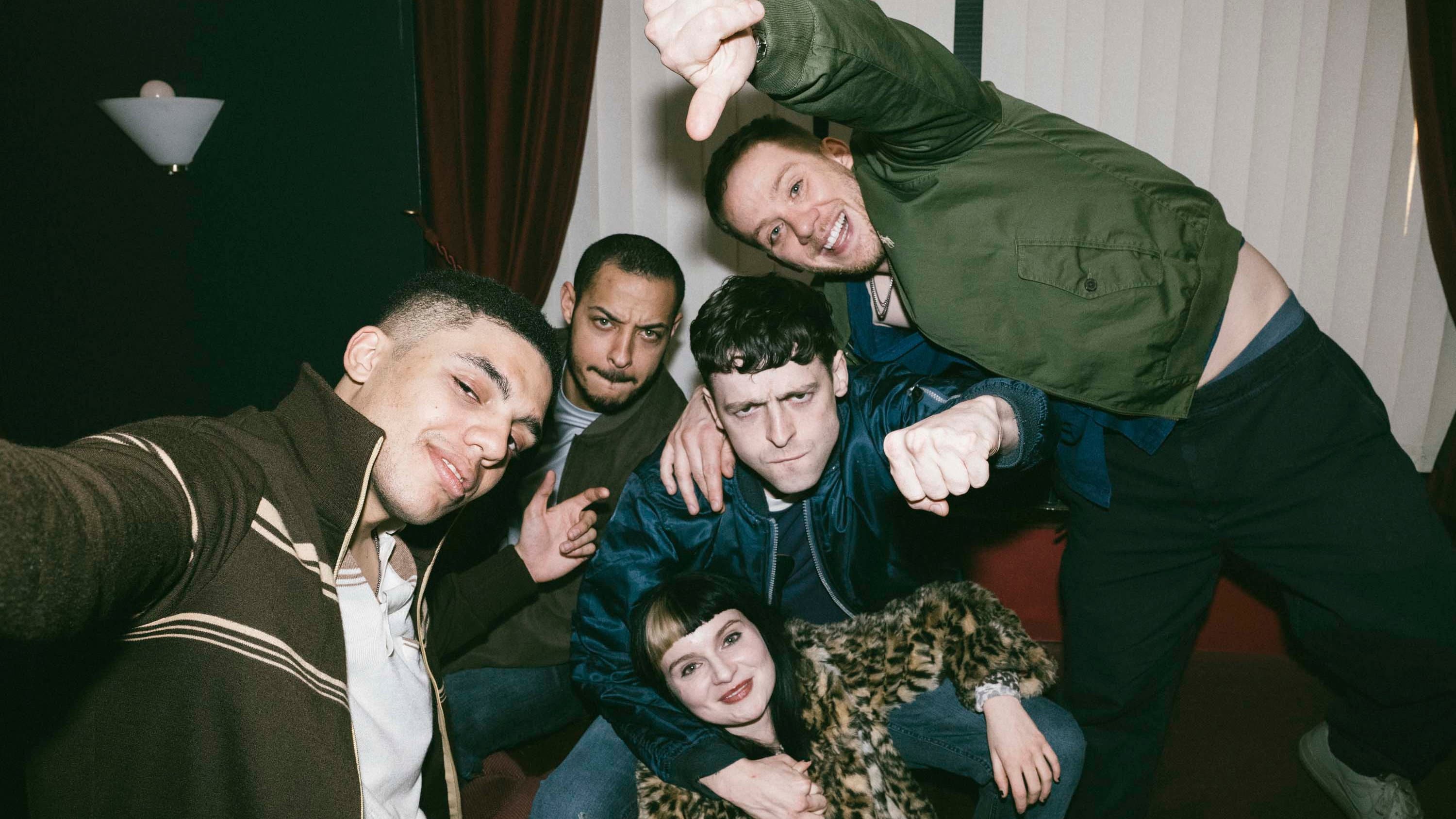
Around the central pair, Goyette assembles a strong supporting ensemble. Maddie Phillips brings a wry, watchful energy as Ainsley, while Tanaya Beatty's Haley and Paige McGarvin's Cosette anchor the ranch's uneasy social ecosystem. Carmen Moore, Lillian Doucet-Roche, and Rochelle Greenwood round out the cast as Cindy, Yara, and Angela respectively, each of them carrying pieces of the film's larger puzzle. The film is precise about the way remote communities work - everyone knows everyone, and everyone has decided, for reasons of their own, to accept the arrangement that makes the ranch run.
"Breeder" also deserves credit for its craft. Goyette, working in English for a Hollywood production, understands that tension is a texture before it is a plot mechanic. The film's sound design leans on the ambient noise of the ranch - the specific machine-hum and yipping you can't quite tune out - and its pacing gives scenes room to breathe until breathing stops feeling involuntary. The film treats humor as a pressure valve and then shuts the valve. That balance, funny and then not, is the engine of the whole thing.
Genre audiences have been vocal on social media since the release, and the TMDb score suggests the film's slow reveal approach has connected. There's a version of this movie that tips its hand in the trailer and coasts on jump scares; this isn't that version. The catch at the center of "Breeder" is engineered to land like a gut punch precisely because the movie spends so long making the ranch feel like a home - or a cult, depending on the scene.
"Breeder" is in the lineage of thrillers that weaponize hospitality, and it joins a strong run of Hollywood horror this year that trusts its actors to carry the weight. Jones and Doheny are the reason it works, trading lines like a pair of matched blades. For an audience willing to sit in the silence and wait for the snap, the film earns its place among the season's most discussed releases.
The less you know walking in, the better. Just remember: the funding is real, the dogs are real, and the catch, when it comes, is not the one Russell - or the audience - was expecting.