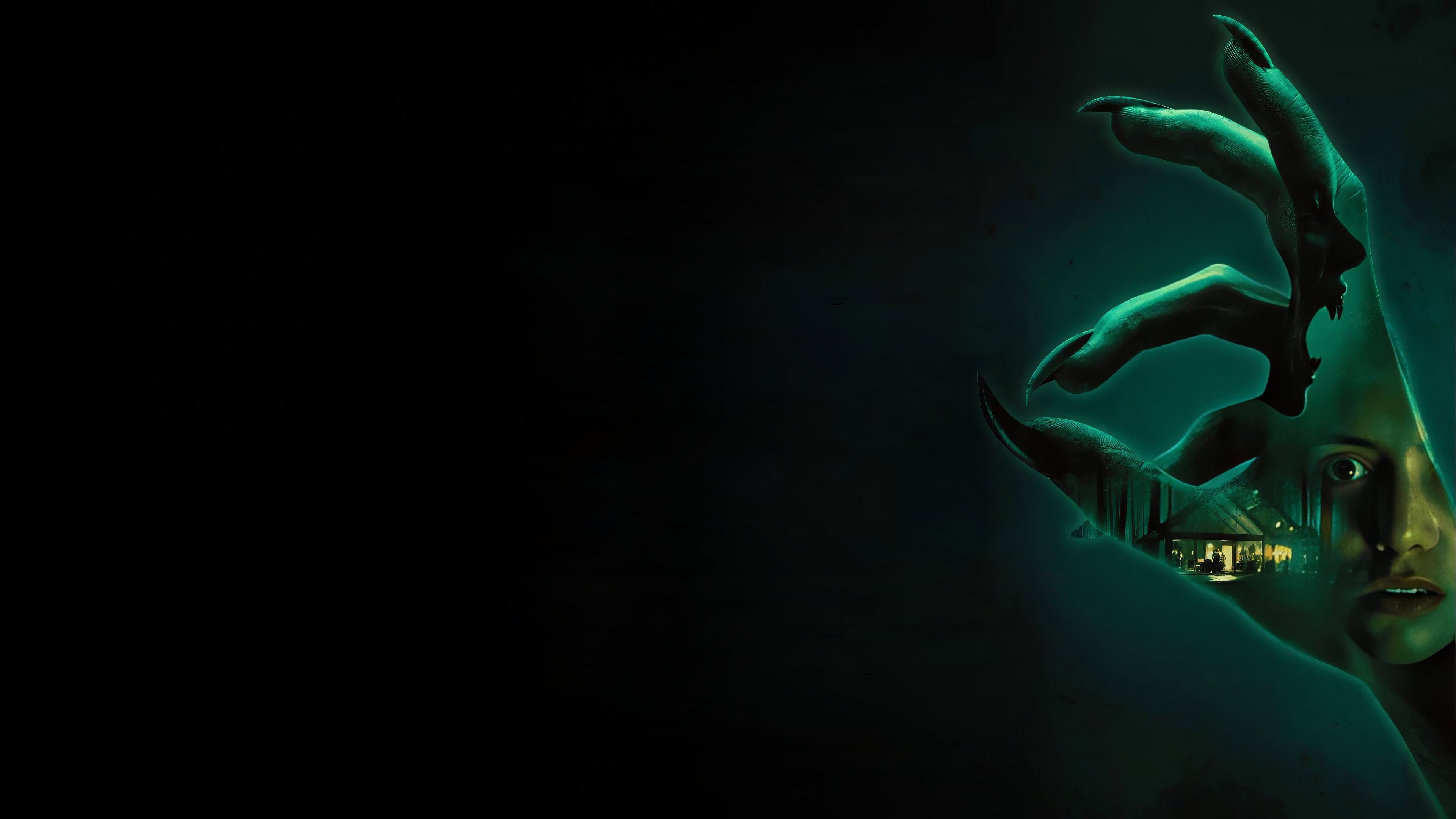
The forest retreat at the center of “Feed” looks, at first glance, like the kind of place where a wellness brand might shoot a campaign. Moss, mist, cedar cabins, no cell service worth mentioning. For five social media influencers, it is supposed to be a weekend of content and quiet competition - who can make isolation look most enviable. What they find instead, according to the film’s premise, is something considerably older than the internet: the world’s first vampire.
Directed by Marco van Belle and running a lean 82 minutes, “Feed” arrived in theaters on August 6, 2026, and has settled into that strange middle ground where horror often lives - a modest theatrical performer with a TMDb rating of 5.8 out of 10, neither dismissed nor canonized. What makes the film worth a closer look is not the noise around it but the machinery inside it: a cast of rising performers, a director with a feel for atmosphere, and a conceit that uses influencer culture not as a punchline but as a pressure system.
The ensemble is led by Grace Collender as Orla Ryan, with Rhys Mannion as Austin, Molly McCann as Ciara Ryan, Charlotte Bradley as Nora, Flynn Gray as Cathal, Daisy Jelley as Nessa, and Clinton Liberty as Lorcan. Niamh Hogan plays the figure the film builds its mythology around, credited simply as Dearg Due - a name drawn from Irish folklore, where it belongs to a woman said to have risen from the grave for revenge. Van Belle’s film does not treat that name as decoration. The vampire here is not a count in a castle; it is a presence tied to the land itself, and the retreat’s guests are the ones who disturb it.
That is the film’s central irony, and it is a good one. Influencers are, by trade, people who arrive somewhere and make it about themselves. They document, they frame, they perform. “Feed” takes that instinct and turns it into a transgression. The weekend’s content schedule becomes a trespass, and the audience spends much of the runtime watching people who are used to controlling their own image discover that something else is now controlling the shot. Van Belle stages this with patience: the cabins feel too quiet, the woods too attentive, and the performances are calibrated to the slow realization that the retreat was never empty.
Collender’s Orla carries much of the film’s tension, and McCann’s Ciara gives the group dynamic a second center of gravity - two siblings, presumably, whose relationship complicates the usual influencer hierarchy of who is most followed and who is most watched. Mannion’s Austin, Jelley’s Nessa, Gray’s Cathal, and Liberty’s Lorcan fill out the group with distinct energies, so the ensemble never feels like interchangeable victims. Bradley’s Nora adds an adult presence that the younger cast can push against, and Hogan’s Dearg Due is used sparingly, which is the right instinct. A monster shown too often becomes a mascot.
At 82 minutes, “Feed” does not overstay. The film’s economy is one of its more interesting choices - horror that trusts brevity, that lets dread do the work instead of exposition. The Hollywood production, shot in English, keeps its scope contained: one location, a handful of characters, a single myth. That restraint is a feature, not a limitation, and it gives the film a chance to say something about appetite - the appetite for attention, for validation, for the next post - without ever stopping to lecture. The title works on more than one level, and the film knows it.
The reception so far reflects a movie that audiences are still arguing about, which is often the most interesting place for a horror film to sit. A 5.8 rating suggests a split: some viewers wanted more monster, others appreciated the slow burn. What is not in dispute is that “Feed” has a point of view. Van Belle is not sneering at his characters. He is interested in what happens when the performance of having a life collides with something that does not care about being seen.
“Feed” is in theaters now. Whether it becomes a cult favorite or a footnote will depend on the audience it finds, but it has already done the harder thing: it has taken a familiar monster and a very current obsession and made them share a cabin.