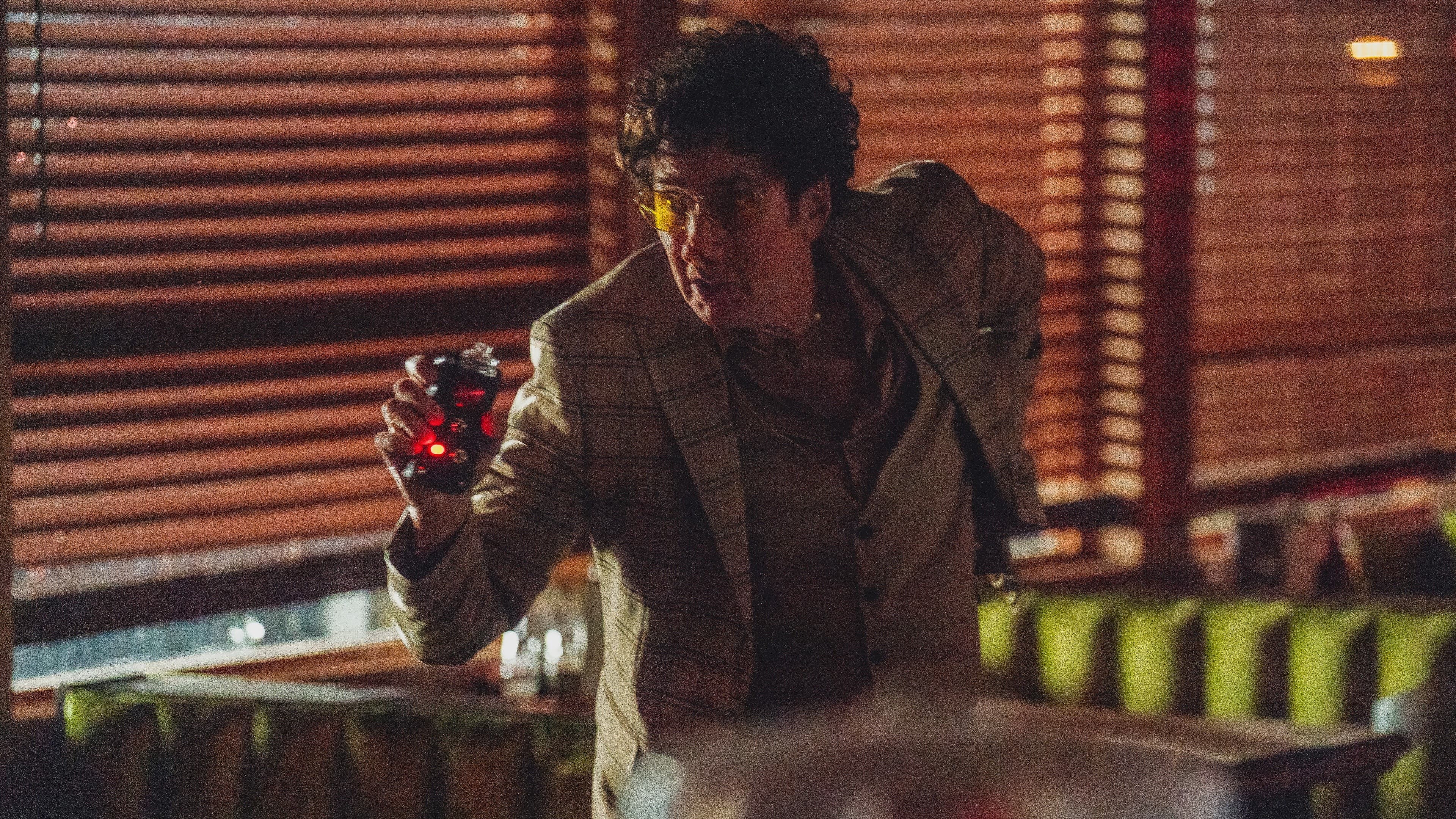
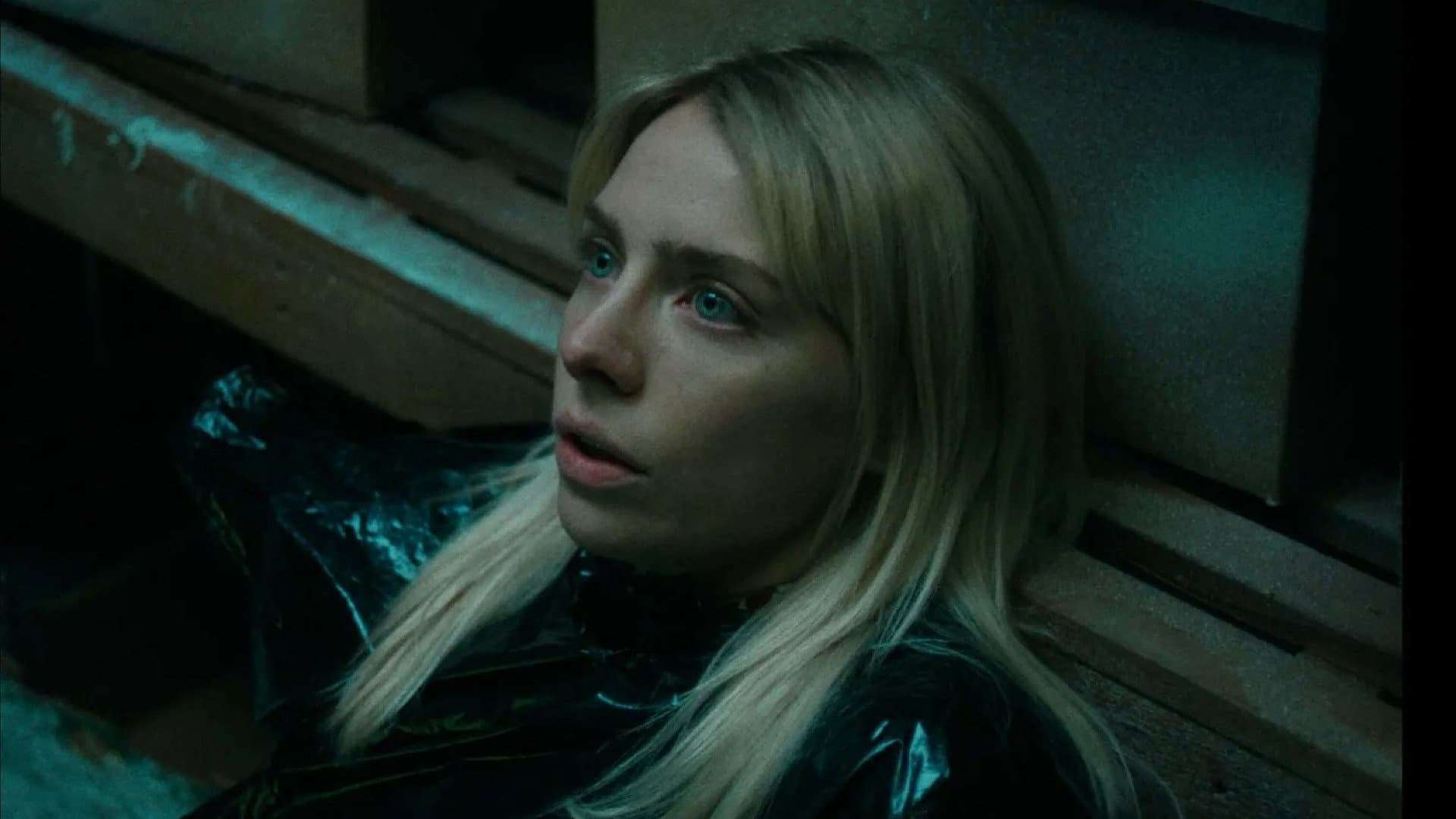
The house is not empty. That is the first thing Sarah understands, and the last thing she can prove. In Sleepwalker, Brandon Auman's 89-minute descent into grief and waking terror, the walls of a family home become a kind of confession booth - one where the sins of the past keep climbing back through the floorboards. The film, released January 9, 2026, arrives from Hollywood with an English-language screenplay and a premise that refuses to sit still: a mother mourning her daughter, a husband comatose after the crash that killed the child, and a sleepwalking condition that turns every night into a negotiation with something that may or may not be real.
Hayden Panaviere - an actress long associated with roles that test the boundary between resilience and unraveling - plays Sarah. It is a performance built on restraint and sudden fissures, the kind of work that asks an audience to lean in rather than recoil. Her Sarah is not a screaming victim; she is a woman methodically losing her grip while insisting, to anyone who will listen, that she is fine. The film's central haunting is not a ghost in the traditional sense. It is her husband, Michael, played by Justin Chatwin, who lies in a hospital bed while simultaneously appearing inside the house - watching, waiting, occupying space he should not be able to occupy. Chatwin plays both the inert body and the intrusive presence, and the dissonance between the two is where Auman locates much of the film's dread.
The supporting cast adds texture to Sarah's isolation. Beverly D'Angelo appears as Gloria, a figure whose exact relationship to the family is best discovered in the viewing; Mischa Barton plays Joelle, a presence from the periphery of Sarah's life who carries her own weight of history. Lori Tan Chinn's Bai Zhao and Kea Ho's Nurse Alexis provide two very different kinds of witness to Sarah's decline - one steeped in quiet observation, the other in clinical authority. Eric Lutes rounds out the ensemble as Doctor Henson, the medical professional tasked with explaining what cannot be explained, and Laird LaCoste appears as Holden, a name that will mean more to viewers once the pieces fall into place.
Auman, working here as director, has spent much of his career in animation and genre storytelling, and Sleepwalker reflects a filmmaker interested in the grammar of nightmare rather than the mechanics of jump scares. The film's surrealism is cumulative. Hallways lengthen. Doorways appear where walls stood. The sleepwalking episodes are staged not as set pieces but as ruptures in the fabric of domestic life, and the camera stays close to Sarah's face as she moves through them, half-aware, half-surrendered. It is a strategy that asks patience - at 89 minutes, the film is lean enough to justify the demand - and rewards attention to detail over spectacle.
The thematic terrain is grief, but more specifically the grief of a woman who suspects she may have been complicit in her own suffering. The overview's phrase "abusive husband" hangs over every scene of Michael's spectral visits. The film is less interested in whether the ghost is real than in what Sarah's haunting reveals about the life she endured before the accident. That ambiguity - blurred lines between reality and nightmare - is the engine of the whole enterprise, and Auman trusts his audience to sit with the uncertainty rather than resolve it.
TMDb currently lists the film at 4.4 out of 10, a rating that suggests a divided response. That number, however, tells a story about expectation as much as execution. Sleepwalker is not a conventional horror film, and audiences primed for cathartic reveals may find its refusal to flinch from ambiguity frustrating. But the film's commitment to its central performance, and to the idea that grief is itself a kind of haunting, gives it a staying power that a cleaner, more conventional thriller might lack. Panaviere's work here is the anchor - a portrait of a woman who cannot decide whether she is being stalked or mourned, and who moves through her own home like a stranger in a life she no longer recognizes.
For viewers drawn to psychological horror that treats its subject with seriousness, Sleepwalker offers a somber, insinuating experience. It is a film about the spaces between people - between spouses, between parents and children, between what happened and what we tell ourselves happened - and about the terrifying possibility that those spaces are not empty at all.