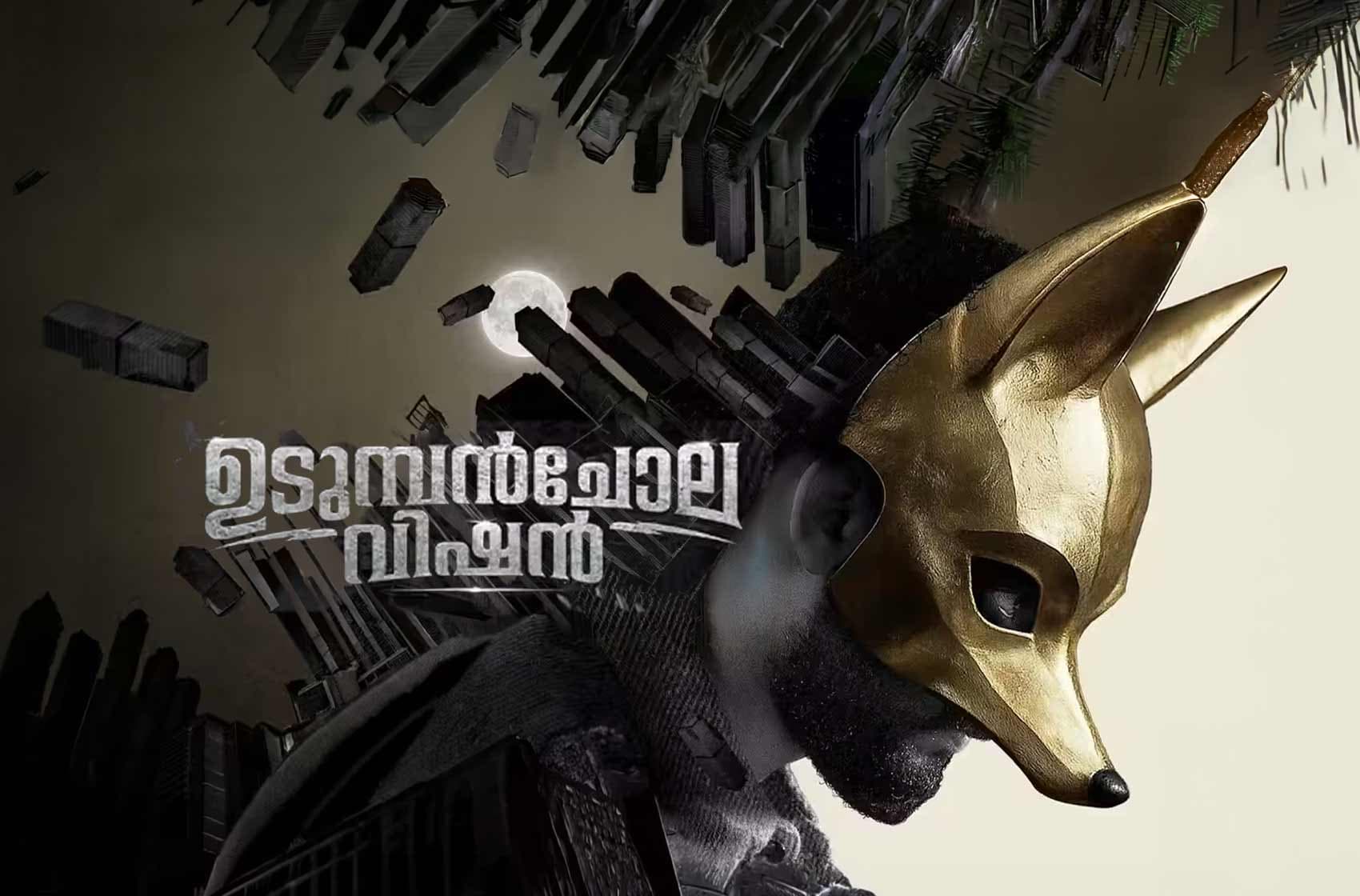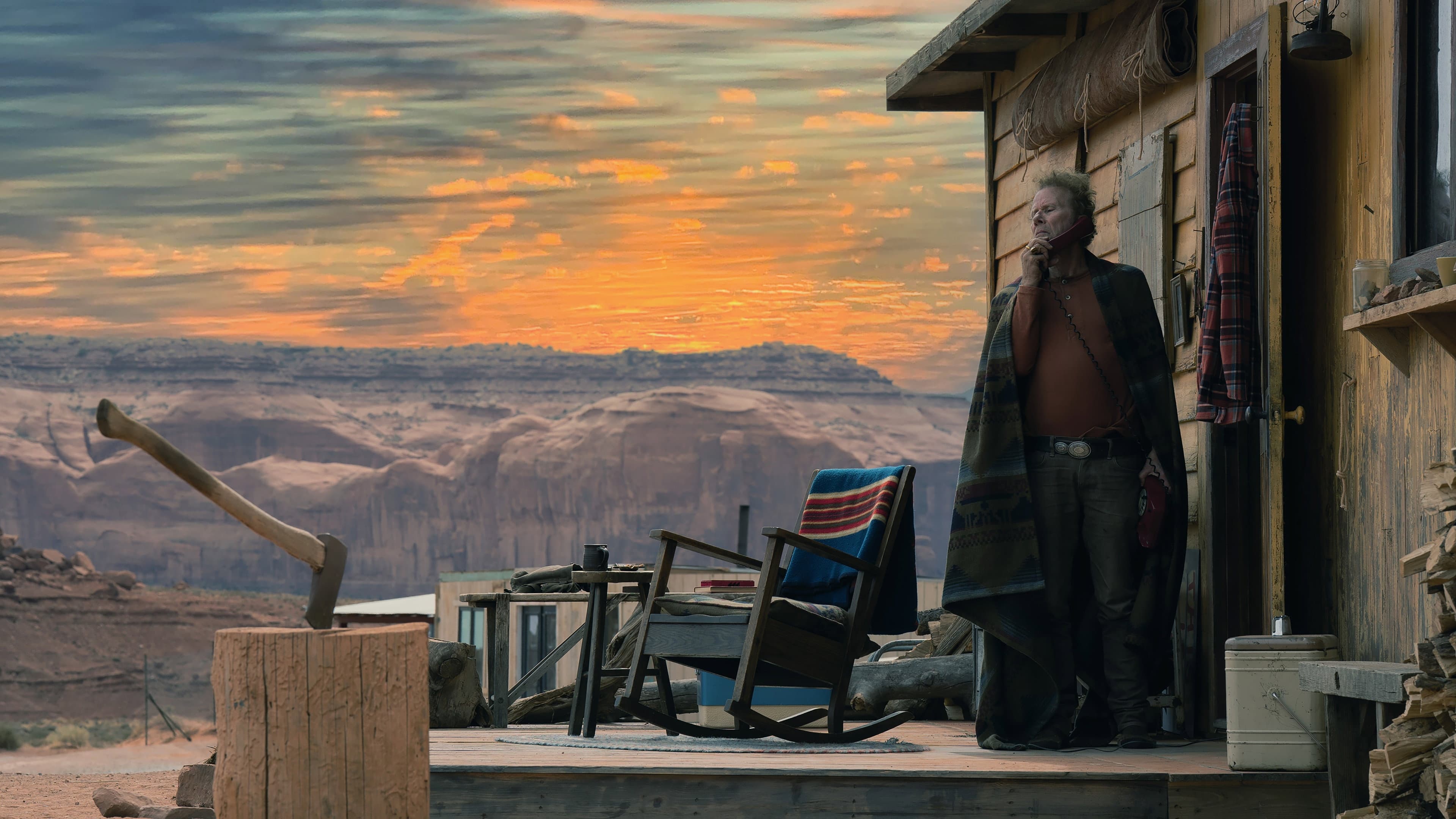
The road to Easter Island, in Martin McDonagh’s hands, is paved with the worst intentions. “Wild Horse Nine,” which opened in theaters on October 30, drops two CIA men into the South Pacific weeks before the 1973 Chilean coup, and then lets the scenery - those enormous stone heads, that endless grass, the roar of the ocean - do what scenery does best in a McDonagh picture: wait patiently while the people in front of it unravel.
The people, in this case, are Chris and Lee, played by John Malkovich and Sam Rockwell, longtime partners whose shared history is the kind that curdles rather than comforts. They are dispatched from Santiago to Easter Island by their bureau chief, MJ - Steve Buscemi, slipping into the role of the man who gives orders and then washes his hands of them - on what is nominally business and feels, almost immediately, like a trip nobody is meant to survive emotionally. The film runs 117 minutes, and it uses every one of them to turn a remote paradise into a pressure cooker.
Malkovich, who has spent decades perfecting the art of the unnervingly calm man, plays Chris as a career operative beginning to feel the weight of his own file. Rockwell’s Lee is the twitchier half of the pair, a man whose loyalty and whose doubts seem to occupy the same small office in his head. The two actors have the timing of a duo that has been finishing each other’s sentences for years - and the tension of two men who have stopped trusting the sentences.
Then there is the human complication. Chris forms a bond with a pair of rebellious students, Monica and Alicia, played by Mariana di Girolamo and Ailín Salas. It is the kind of bond that a man in Chris’s position cannot afford and cannot quite resist, and it threatens to send everyone’s trip sideways. The supporting cast is deep with the sort of actors who make a single scene feel lived-in: Tom Waits as Jim, Parker Posey as Marge, Paola Giannini as Rosa. McDonagh has always been a director who treats a supporting player as an invitation, not an obligation, and here the margins of the story hum.
What is striking about the premise is how naturally the genre pieces interlock. “Wild Horse Nine” is billed as comedy, crime and thriller, and none of those labels feels like a stretch or a marketing convenience. The comedy is the comedy of men who have convinced themselves they are the smartest people on an island; the crime is the business they flew in to conduct; the thriller is what happens when the business goes wrong in a place with no exit route. Easter Island, with its moai standing watch over all of it, is a setting that refuses to be background. The statues look like they are judging, and they have every right to.
Behind the camera, this is McDonagh working in a register his admirers will recognize - the sharp dialogue, the sudden violence of a sentence, the sense that civility is a thin layer over something much older and colder. But there is a new texture here too, a period setting and a political backdrop that give the dark comedy a historic weight. The film doesn’t lean on the coup as a twist; it lets it hover, a fact on the horizon that everyone on the island is either ignoring or exploiting.
It is worth noting the film arrives in theaters with a TMDb rating of 9/10, a figure that suggests audiences have found something in it that resonates beyond the usual McDonagh faithful. That kind of number, this early, is less a verdict than a signal: people are talking. And “Wild Horse Nine” is the sort of film that generates conversation, partly because its pleasures are so specific - a line reading here, a look there, the sound of an island wind cutting through a very bad plan.
What the film offers, finally, is a portrait of men who thought they were the ones watching and discover they have been watched all along - by their pasts, by their partners, by the stone faces that have stood on that island for centuries and will stand there long after the CIA has gone home. “Wild Horse Nine” opens wide this fall. Somewhere, a moai is unimpressed, and that is the joke.