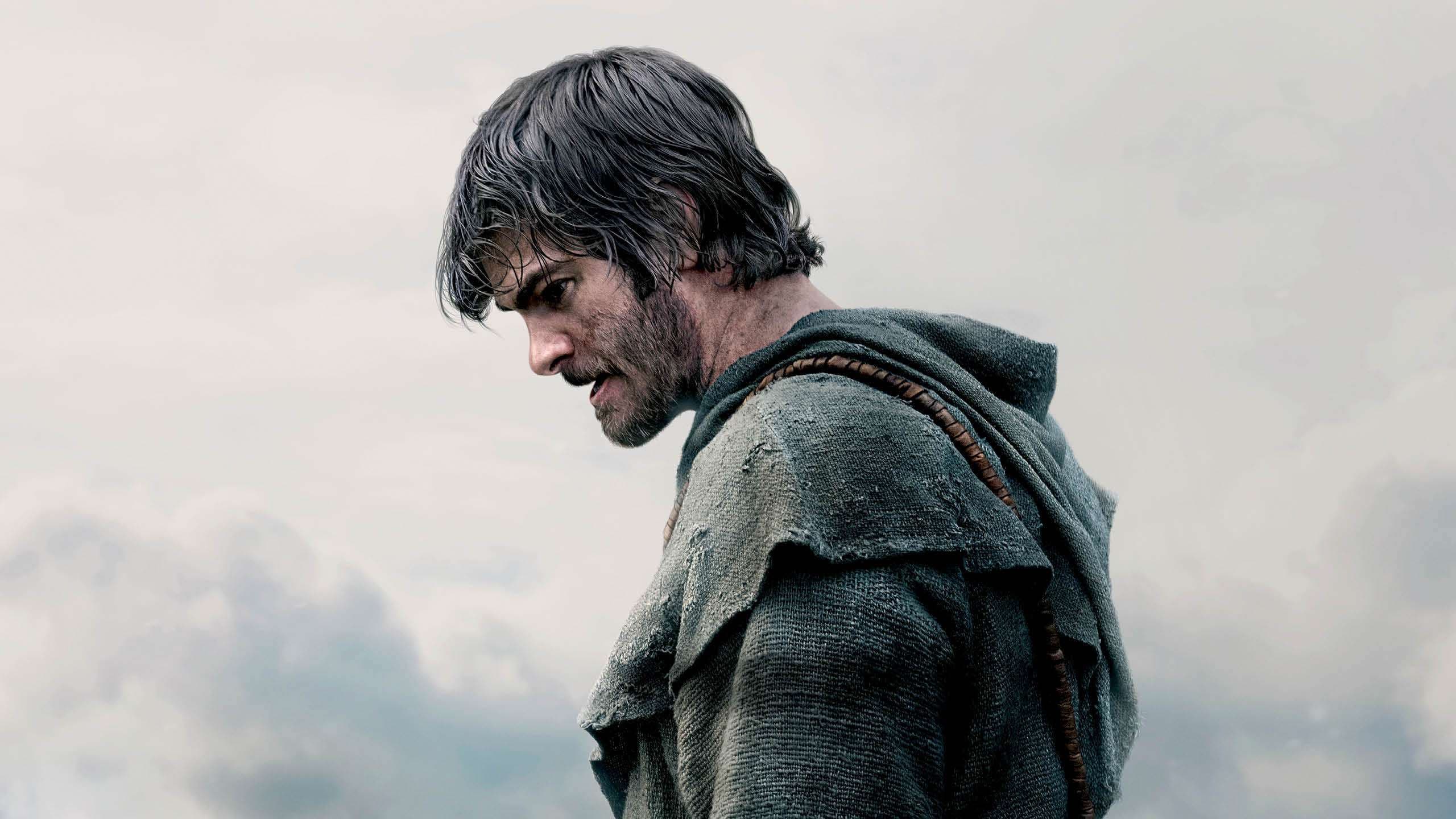
The summer of 2026 has been a strange, sizzling season at the multiplex, a parade of sequels and superheroes that often blur into a single, noisy montage. And then there is Citizen Vigilante, a film that arrives not with the thunder of a franchise launch, but with the unsettling crackle of a live wire. Directed by the ever-provocative Uwe Boll, the film is a lean, mean 89-minute gut punch that has managed to do something genuinely rare in this climate: it has started a fight.
The film, which hit theaters on June 19, drops us into a world where the justice system has become a revolving door. Armie Hammer stars as Sanders, a man whose quiet existence is shattered when the system fails him in the most personal way possible. He doesn’t rant. He doesn’t monologue. He simply gets to work. Sanders becomes a phantom, hunting down criminals with a cold, methodical efficiency that is both terrifying and, in the film’s most uncomfortable trick, utterly compelling.
But the plot’s central engine isn’t just the violence; it’s the second one. In a sharp, unsettling digital-age twist, Sanders’ crusade becomes a sensation. His handiwork, captured on grainy phone footage, turns him into a social media phenomenon. The movie doesn’t just show a man breaking the law; it dissects our own complicity in his rise. We watch as the algorithm chews up bloody justice and spits out viral fame. It is a scathing, uncomfortably prescient commentary on our appetite for retribution as entertainment, and Boll isn't shy about pointing that finger squarely at the audience.
Standing in Sanders’ way is the local police chief, a role that Costas Mandylor sinks his teeth into with the grizzled weariness of a man who has seen too much and sleeps too little. The film’s central conflict isn’t just a cat-and-mouse game; it’s a philosophical duel. The chief represents order, process, and the frustrating but necessary slowness of the law. His growing desperation is palpable, and his clashes with Hammer are the film's dramatic high points. They are men on a collision course, each convinced of his own righteousness, and Boll frames their confrontations with a tension that feels less like a thriller and more like a public debate.
Of course, this is a Uwe Boll film, and the director known for pushing buttons is in top form. The action is raw and unglamorous. There is no balletic John Wick choreography here; the fights are messy, brutal, and often end in a single, shocking frame. Boll’s European background gives the production a grim, realistic texture that Hollywood gloss often lacks, aided by a supporting cast that includes Désirée Giorgetti as a tenacious journalist sniffing around the story and Steffen Mennekes as a manager trying to contain the media firestorm. They populate a world that feels grimy and authentic, a far cry from the sanitized cities of typical action fare.
The critical response has been as divided as the nation it depicts. The film’s TMDb rating rests at a solid but not spectacular 6.419/10, a score that suggests audiences are wrestling with its thorny thesis, though some have dismissed it as a particularly grim episode of a true-crime podcast.
What is undeniable is Hammer’s performance. He disappears into the role, trading his usual charm for a hollow, haunted intensity. He makes Sanders a figure of profound pity and quiet horror. You understand why he snapped, but you never feel comfortable with the violence he unleashes, and that tension is the film’s lifeblood.
Whether the film’s pessimistic outlook on mob justice and its digital amplification is a prophecy or a warning is left entirely up to the viewer. But Citizen Vigilante is not content to simply entertain. It wants to claw at your conscience. It’s a difficult, abrasive, and often brilliant piece of cinema that refuses to let you off the hook. It’s the kind of movie you don’t just watch; you argue with it on the drive home. In a summer of empty calories, it’s a bitter pill, and one we probably all needed to swallow.