The summer of 2025 felt like a lifetime ago, a distant pre-history before the current landscape of cinema shifted. Yet, as we look back at the release of The Fantastic 4: First Steps, it’s clear that Matt Shakman’s retro-futuristic gambit wasn't just a welcome palate cleanser - it was a thesis statement. In an era of interconnected universes and grimdark stakes, this film chose to be a vibrant, 115-minute tribute to optimism, and its TMDb rating of 6.948/10 suggests audiences appreciated the effort, even while acknowledging its rough edges.
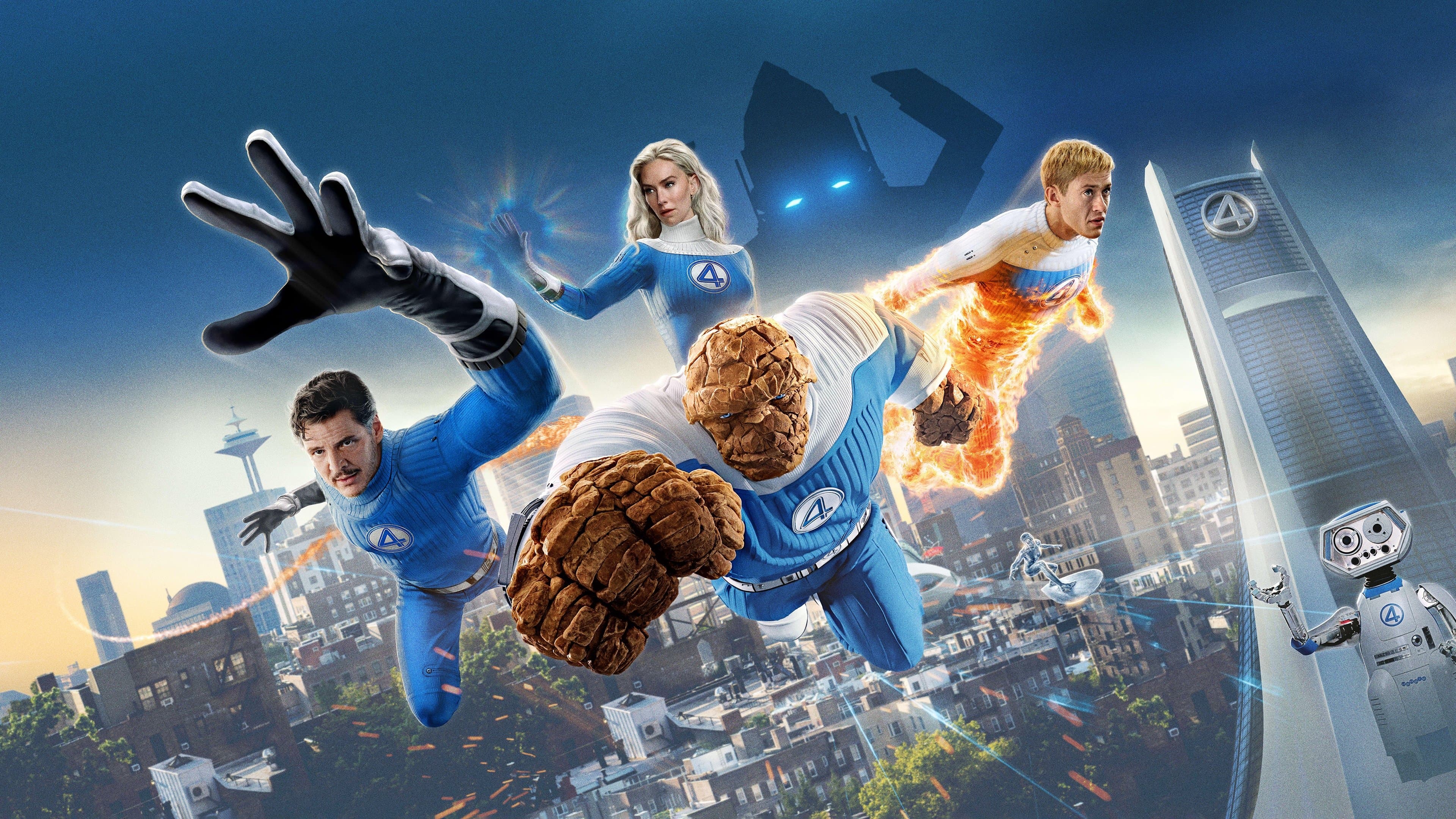
The film’s greatest triumph is its aesthetic. From the opening frame, we are plunged into a 1960s that never was, a world of chrome-plated automobiles, swooping architecture, and cathode-ray tube screens. This is not the sleek, metallic future of Star Trek or the grimy, lived-in space of Alien; it’s a world where the Space Race never ended and Tomorrowland was a documentary. Shakman, best known for directing WandaVision, understands the power of pastiche better than anyone working in the genre today. He uses this setting not merely as decoration but as a narrative engine. It frames the titular quartet - Pedro Pascal’s Reed Richards, Vanessa Kirby’s Sue Storm, Joseph Quinn’s Johnny Storm, and Ebon Moss-Bachrach’s Ben Grimm - as products of their time. They are explorers, not soldiers; scientists, not vigilantes.
At the heart of this world is a family drama, and it is here that the cast shines. Pascal brings a weary intellect to Reed, a man whose genius is constantly outpacing his ability to communicate with the people he loves. Kirby’s Sue is the emotional and strategic anchor, a woman who has learned to manage the family’s chaos, which is a more compelling power than invisibility. Quinn captures Johnny’s cocky fire with zero effort, but it’s Moss-Bachrach who remains the soul of the picture. His Ben Grimm is a tragic figure in a brightly colored world, a man cursed with a rocky exterior who delivers the film’s most human lines, often through a gravelly whisper of pure pathos.
But a family therapist’s couch is not enough for a blockbuster. Enter Galactus. The film’s marketing heavily concealed the cosmic giant, and for good reason. Ralph Ineson’s voice provides the world-eater with a bone-rattling, ancient bass that feels ripped from a forbidden liturgy. However, the film’s true MVP is Julia Garner as Shalla-Bal, the Silver Surfer. Garner transforms the character from a stoic space herald into a tragic, haunted observer. Her body language, a combination of quiet suffering and celestial grace, conveys more than the often-clunky exposition about the "Great Hunger."
The narrative structure is a classic two-act chase. The first half is a character study, watching our heroes navigate their sudden celebrity and their strained dynamic. The second half pivots into a more conventional - and slightly rushed - action sequence as they realize they cannot punch their way out of this problem. This is where the film wobbles. The inclusion of Paul Walter Hauser as Harvey Elder (Mole Man) feels like a callback to the comics’ early days, but his subplot is perfunctory, a detour that fails to build momentum toward the finale. Similarly, Natasha Lyonne’s Rachel Rozman provides wry, bureaucratic levity as a government liaison, but her character exists mostly to deliver quips and move the plot along when the script gets stuck. The third act, while visually spectacular - a kaleidoscope of energy beams against a cityscape of spires - leans a little too heavily on the "power of unity" trope, which feels jarringly simple given the complexity of the villain.
Yet, there is a profound bravery in First Steps that must be acknowledged. In a cinematic landscape obsessed with stakes and multiversal collapse, this film is refreshingly low-stakes in emotional terms. The conflict isn't about saving the galaxy; it's about saving each other. The movie suggests that the ultimate power of the Fantastic Four isn't stretching or flying or turning invisible - it’s the stubborn, irrational insistence on staying together. This is most evident in the relationship between Reed and Ben, a bond tested by angst and guilt that feels more like a marriage than a partnership.
It’s not perfect. The pacing drags in the middle, and the script occasionally sacrifices character nuance for a punchy, mid-century slang cadence. Also, the 115-minute runtime feels compact, perhaps too much so; the final confrontation with Galactus, while awe-inspiring in scale, ends almost as soon as it begins, leaving you wanting more cosmic horror.
Nevertheless, The Fantastic 4: First Steps works. It is an earnest, beautifully designed love letter to the source material that understands the heart of the property. While it may not have redefined the superhero genre, it did something perhaps more difficult: it made it feel human again. In a world of endless sequels and shared universes, this was a singular, quirky, and surprisingly touching first contact. We’re just glad they took the leap.