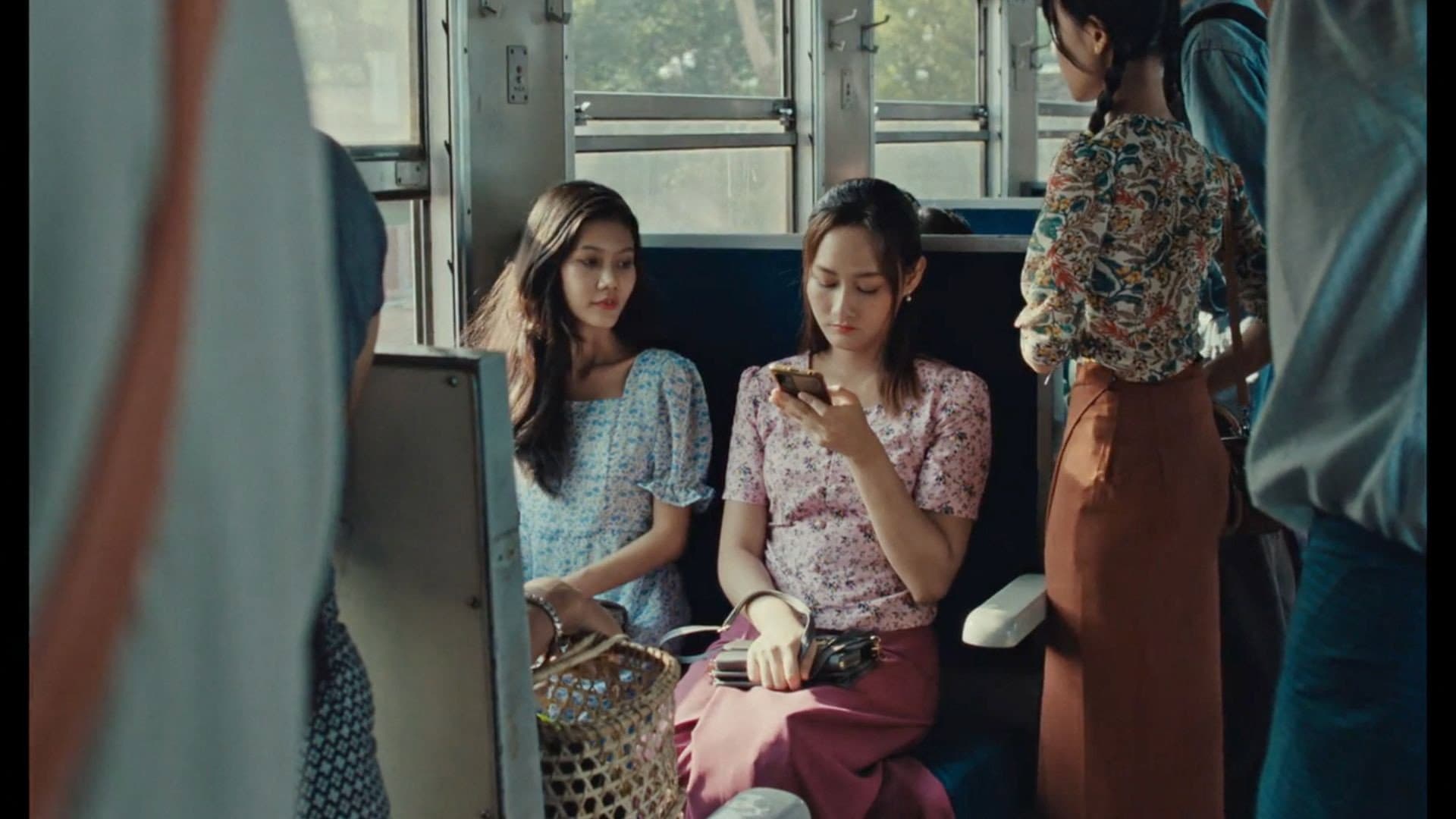
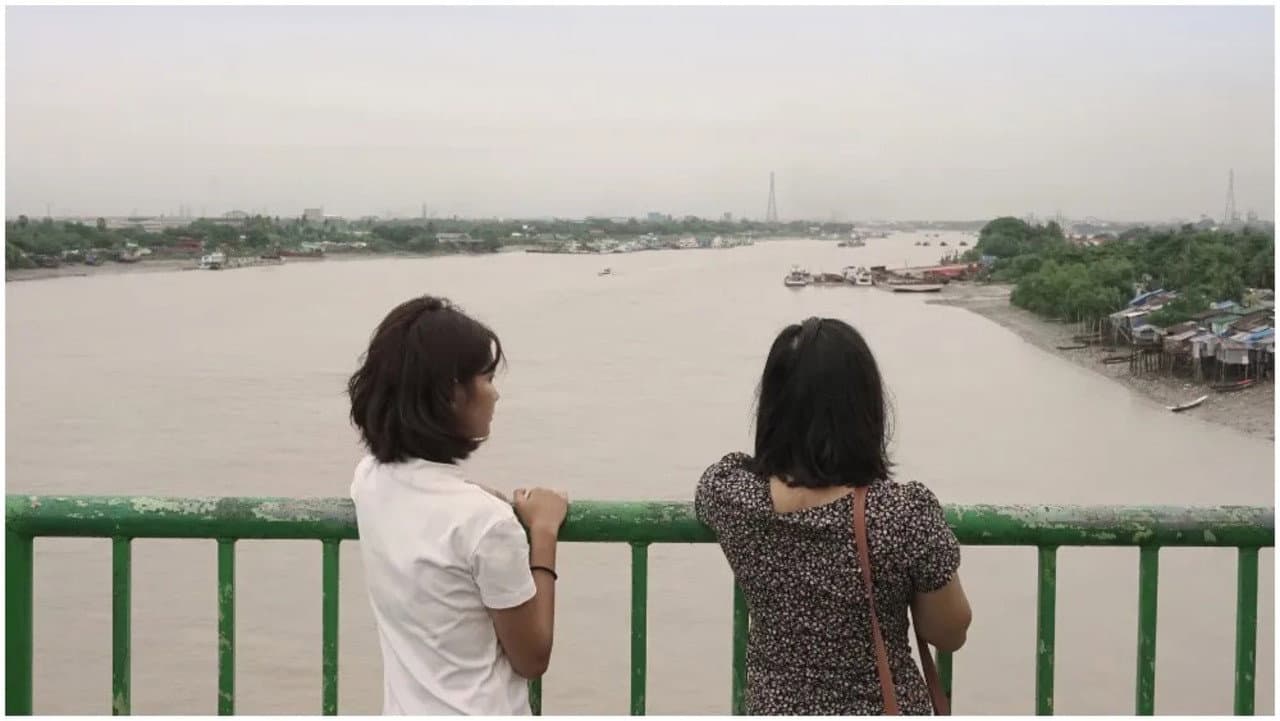
Aung Phyoe’s direction prioritizes observation over explanation. He frames his characters against the factory’s gray walls and the cramped rooms where they rent space, letting the environment speak for itself. The cinematography stays close to the actors’ faces, especially during the scenes of quiet devastation-a single tear rolling down a cheek during a night shift, the way a hand hesitates before pulling away. This intimacy asks the audience to read subtext carefully, a demand the film trusts us to meet.
Nandar Myat Aung’s performance as San Kyi anchors the film. She conveys grief through restraint: the slight hunch of her shoulders, the way she avoids eye contact when lying to herself about her future. Nandar Myint Lwin matches her as Theint Theint Oo, whose outward resilience masks a more fragile interior. Their chemistry feels lived-in, built from shared exhaustion rather than grand gestures.
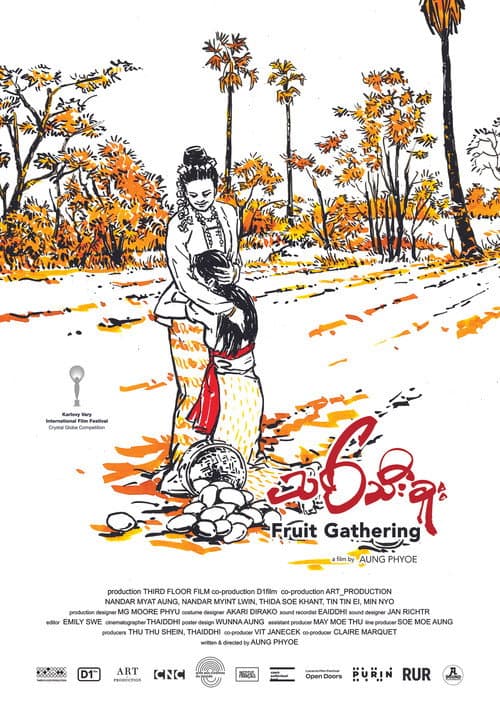
The supporting cast rounds out the world without stealing focus. Thida Soe Khant as Ei Ei Khin offers a pragmatic counterpoint, while Tin Tin Ei as Ohm Kyi and Min Nyo as Phone Shwe ground the story in the concrete pressures of family and debt. Every character exists within a system that demands sacrifice, and the film refuses to pretend otherwise.
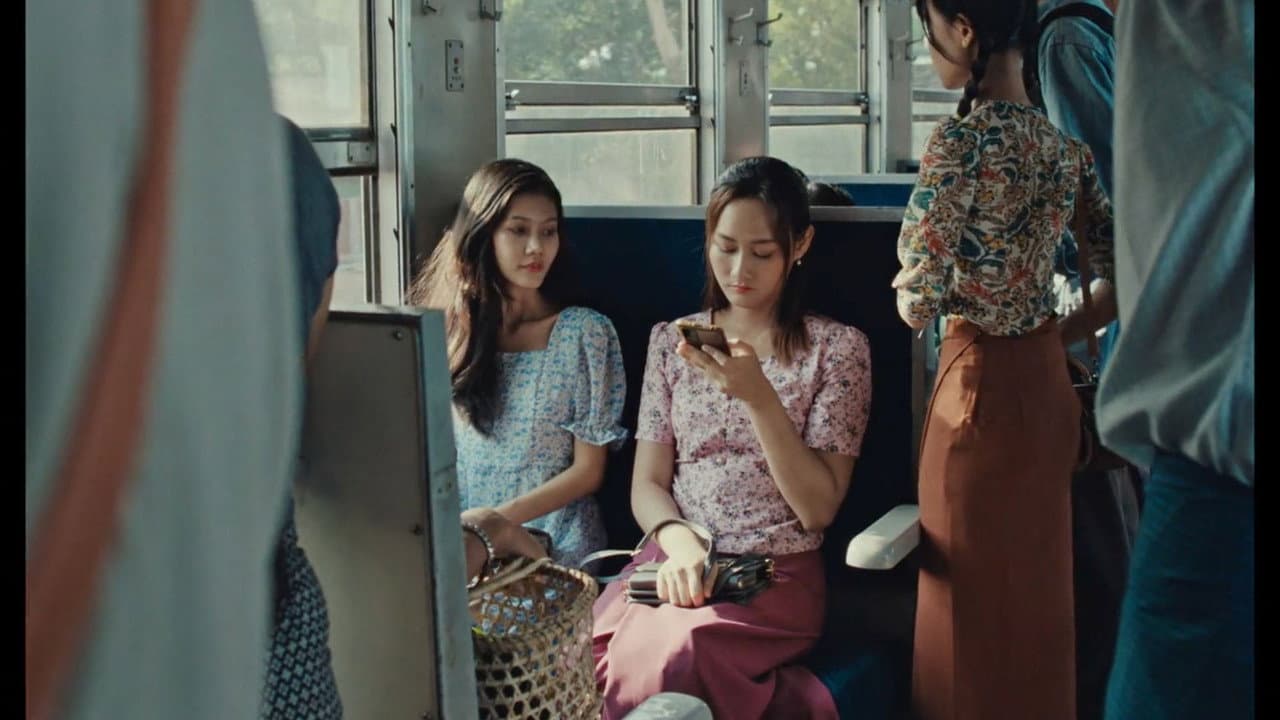
If the film has a weakness, it’s a tendency toward pacing that occasionally borders on languid. Certain scenes-a long bus ride, a slow walk through a market-stretch past their narrative purpose. These moments feel intended to build atmosphere, but they sometimes stall momentum rather than deepen it. A tighter edit could have preserved the film’s meditative quality without testing patience.
Social repression and economic uncertainty are present but never lectured. The factory’s noise, the landlord’s knocks, the whispered gossip about women who stay too close-these details accumulate until they form a cage. When the inevitable parting comes, it lands not as a surprise but as a quiet confirmation of what the characters already knew: escape is not available to everyone equally.