It has been over a year since James Gunn’s Superman soared into theaters, and yet the conversation around it refuses to dim. As we close out the summer of 2026, the film - which debuted on July 9, 2025 - stands as a curious monument in the superhero canon. It is not merely a reboot; it is a reconciliation. And for a character who has spent eight decades oscillating between boy scout and brooding alien, that distinction means everything.
Gunn, never one to shy away from the weird corners of comic book lore, has done something remarkable here. He has stripped away the irony. In an era where cape cinema often hides behind winking self-awareness, Superman asks a radical question: What if we took the Man of Steel’s humanity - not his powers - seriously? The answer, running 130 minutes at a breathless clip, is a film that feels both ancient and urgent.
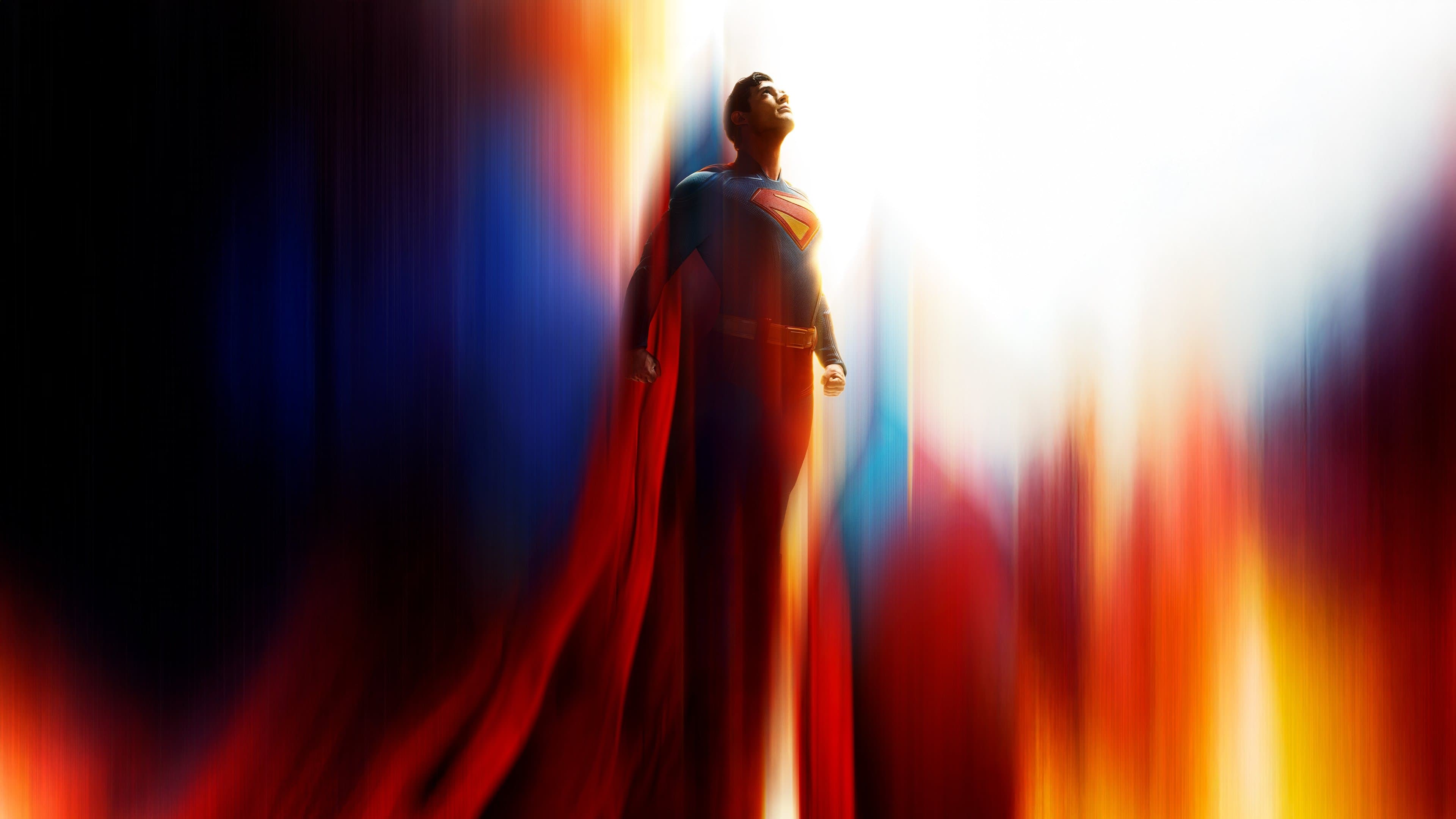
At the center of this gravitational pull is David Corenswet, who steps into the red boots with a performance that feels less like an imitation and more like a discovery. His Clark Kent is a man split down the middle, a walking oxymoron of farm-boy humility and godlike capability. Corenswet understands that the pathos of the character lies not in the cape, but in the buttoned-up shirt and glasses. His Clark fidgets. He apologizes too much. He stares at the skyline of Metropolis with the ache of someone who loves a world that will never fully understand him. It is a studied, soulful turn that anchors the film’s operatic swings.
The plot, such as it is, follows Clark as he shuttles between the daily grind at the Daily Planet and a looming confrontation with forces that would rather he pick a side. The Kryptonian heritage calls with sirens of destiny and duty; the Kansas upbringing whispers of mercy and mending fences. Gunn, who wrote the screenplay, uses this internal tug-of-war as the engine for a story that is less about punching Thanos-esque threats and more about the quiet, difficult work of choosing who you want to be each morning.
That is not to say the film skimps on spectacle. The action sequences, when they arrive, are kinetic and inventive, grounded in practical stunts and a sense of weight that CGI-heavy blockbusters often lose. But the most arresting moments are the quiet ones. A conversation between Superman and a suicidal young woman on a rooftop, handled with tender restraint. A brief, wordless exchange with Hawkgirl (Isabela Merced) in the rubble of a collapsed bridge. Gunn trusts his ensemble to convey enormity through small gestures.
And what an ensemble it is. Rachel Brosnahan’s Lois Lane is not the damsel, nor the prize, but the sharpest scalpel in the room - a Pulitzer-hungry journalist who sniffs out Clark’s secret in the first reel and chooses, with a knowing smirk, to keep it. The repartee between Brosnahan and Corenswet crackles with the energy of two people who enjoy out-thinking each other. Meanwhile, Nicholas Hoult’s Lex Luthor is a departure from the megalomaniacal titan of industry we’ve seen before. This Luthor is a populist grifter, a TV-slick charlatan who sells fear of the alien other with the cadence of a late-night infomercial host. It is a chillingly contemporary villainy.
Gunn, however, fills the margins with a rogue’s gallery of lesser-known DC figures - Edi Gathegi’s Mr. Terrific, Nathan Fillion’s Guy Gardner, María Gabriela de Faría’s The Engineer - each given just enough screen time to feel vital rather than vestigial. Skyler Gisondo’s Jimmy Olsen provides the film’s beating heart, a reminder of the human connections that tether Clark to his adopted planet.
The film’s rating - a solid 7.329 at TMDb - reflects a divide that is perhaps inevitable. Some critics have called it too earnest, too eager to please. Others have praised its refusal to deconstruct the myth in favor of simply embodying it. But perhaps that is the point. In a 2026 landscape of multiversal fatigue and algorithmic gloom, Gunn offers something audacious: sincerity as a superpower.
Superman is not a film that will settle the eternal debate over whether the character works better as a beacon or a burden. It is, instead, a film that joyfully insists both can coexist. As Clark stands on a balcony in the final act, looking out at a city he cannot save alone but will never stop trying to save anyway, the camera holds. No snark. No post-credits tease. Just a man, torn between two worlds, finally at peace with the contradiction.
That is the film’s quiet triumph. It gives us a hero who is not a symbol to be worshiped, but a neighbor to be trusted. And in this moment, that feels like the most radical fantasy Hollywood has produced in a decade.