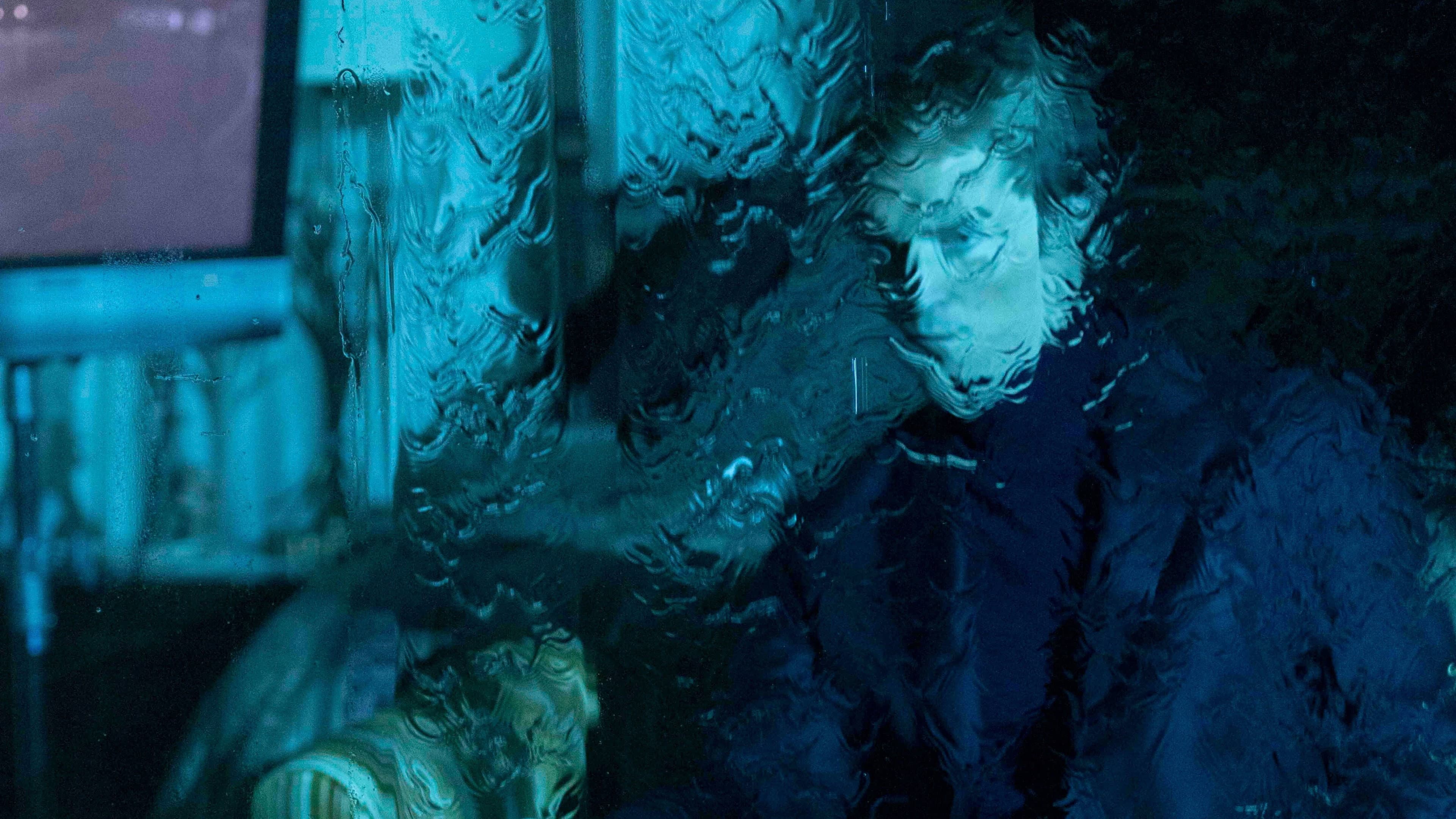
The loudest voices in Manila rarely come from the stage or the senate. They come from the crush of Recto Avenue, where every sidewalk is a marketplace of desperation and invention. On August 12, 2026, filmmaker Mario Cabus unleashes Recto Mania, a 20-minute experimental documentary that doesn’t just observe this chaotic ecosystem - it lets it speak in tongues. Forget the polished talking-head format. This is a fever dream pressed onto celluloid, a collage of phantom lives that never sit still for an interview.
Release Date & Where to Watch
Recto Mania hits select screens on Wednesday, August 12, 2026. As a short-form experimental work, its theatrical footprint will be modest but targeted. Expect it to anchor midnight screenings at independent arthouse venues in major metropolitan areas, with a strong likelihood of a festival circuit run immediately following its premiere. For those outside the initial screening cities, the film’s distribution plan remains characteristically unconventional - Cabus is known for bypassing traditional streaming platforms, preferring limited physical media releases and pop-up projection events in community spaces. Because the runtime is a tight 20 minutes, it will likely be paired with a feature-length documentary or a curated program of Filipino experimental shorts. Check local independent cinema listings and the film’s social channels for late-night showtimes; this is not a film built for the multiplex matinee crowd.
Cast & Crew
At the helm is director Mario Cabus, a figure whose previous work has quietly circulated in underground film circles, known for a tactile, hand-processed aesthetic that feels less like cinema and more like recovered memory. The project’s official metadata lists the cast as unknown, which is less a clerical oversight and more a philosophical stance. Cabus has populated Recto Mania with what he calls “phantom characters” - individuals who refuse to be named, credited, or pinned down. The counterfeiter, the prostitute, the embroiderer, and the devotee are archetypes, performed by non-actors and street-found collaborators whose identities blur into their roles. This anonymity extends to the technical credits; the cinematography and sound design are credited to a collective pseudonym, reinforcing the idea that the film is a communal artifact rather than an auteur’s solo statement. Without a single recognizable face or name attached, the weight falls entirely on Cabus’s vision and the raw material of Recto itself.
Story & What to Expect
There is no linear narrative here. Recto Mania abandons plot in favor of a kaleidoscopic mosaic. The film’s structure is closer to a musical composition than a story, cycling through four central figures: a counterfeiter whose fingers are stained with ink that never quite dries, a prostitute who navigates the neon-drenched corners with an economy of gesture, an embroiderer whose hands move in hypnotic loops while her eyes watch the street, and a devotee crawling toward a shrine of flickering candles in the shadow of a towering mall. Cabus intercuts these figures with pure abstraction - close-ups of peeling posters, the glint of traffic on wet asphalt, the overlapping chatter of vendors hawking fake IDs and secondhand textbooks.
The audio is the true protagonist. The soundscape is a dense, layered wall of noise: jeepney horns, religious chants blaring from loudspeakers, the staccato rhythm of sewing machines, and the murmured negotiations of illicit transactions. Cabus uses these sounds not as background ambience but as a duet with the imagery, creating moments where the counterfeiter’s razor blade scraping against paper syncs perfectly with the embroiderer’s needle piercing fabric. The film’s experimental nature means long stretches without conventional dialogue, replaced by voiceovers that appear to come from the characters’ inner monologues - whispered confessions about survival, shame, and the strange grace found in the scramble. The colors shift from the sickly green of fluorescent streetlights to the deep ochre of candlelit chapels, mirroring the spiritual and commercial collisions inherent to the district.
Why It's Worth Watching
In an era where documentaries increasingly resemble prestige television, Recto Mania is a deliberate slap in the face of convention. Its 20-minute runtime is an act of radical compression; every frame feels overstuffed with intention, demanding active viewing rather than passive consumption. Cabus doesn’t explain Recto to you. He drops you into its current and lets you drown or swim. The choice to keep cast members anonymous isn't a gimmick - it’s an ethical shield, protecting vulnerable people from the potential fallout of having their lives exposed in a public forum. That approach lends the film a rare authenticity; these aren’t actors performing poverty, but presences shaping a collective portrait.
For viewers tired of neat resolutions and sympathetic arcs, this is a bracing corrective. The film’s experimental form isn’t pretentious gatekeeping; it’s the only honest way to capture a place that defies logical description. The phantom characters drift in and out of focus, sometimes appearing as ghostly double exposures, sometimes dissolving into pure light. The devotee’s prayers blend with the counterfeiter’s curses until they become indistinguishable - a profound commentary on how sin and salvation share the same Manila dirt. Ignore the zero rating on TMDb; that blank score is a badge of honor. Recto Mania isn't meant to be liked. It’s meant to be experienced, then to linger in your peripheral vision long after the projector cools. For adventurous cinephiles, it’s a raw, unfiltered shot of the real, served without ice.