The western is a genre built on wide horizons, yet its most potent modern stories often feel claustrophobic. John Suits’ taut 95-minute thriller, The Isolate Thief, which rode into theaters on July 10, understands this paradox intimately. It swaps the classic frontier town for a single, suffocating outpost, and replaces the stoic male gunslinger with a desperate young woman buried under a mountain of purloined gold. The result is a lean, mean exercise in sustained tension - one that has quietly become one of the summer’s most satisfying genre surprises.
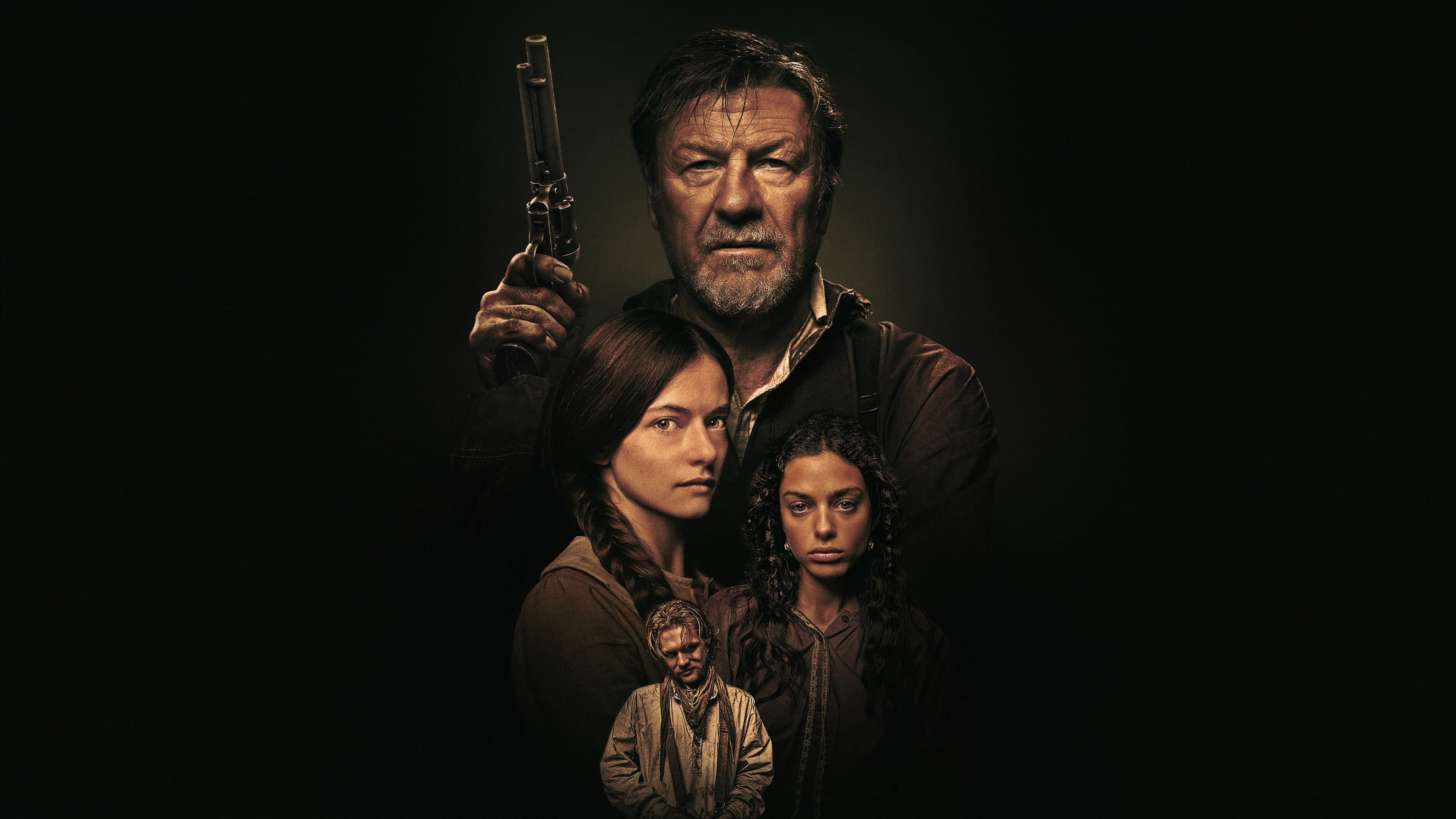
Adapted from a premise that feels like a stage play injected with adrenaline, the film stars Mackenzie Foy as Ada Horn. She is not a hero in the traditional sense; she is a survivor. When a gang of ruthless outlaws, led with snarling menace by Jack Kesy’s William “Red” Baker, seizes her remote trading post, Ada does the only thing she can: she steals their plunder and hides it in plain sight. The catch is that she cannot leave. Stranded with her captors, she must engage in a high-stakes game of psychological cat-and-mouse, concealing her crime while the men search every inch of the compound for their missing fortune.
Foy, who has grown up on screen since her breakout in Interstellar, delivers a performance of coiled resilience. She doesn’t play Ada as a hardened action hero, but as a terrified, intelligent young woman who is learning to weaponize her perceived vulnerability. Her eyes do the heavy lifting - scanning corners, measuring distances, and calculating odds while her voice remains a steady, low hum. It is a career-best turn, one that anchors the film’s more explosive detours into action.
Suits, known for his efficient, no-nonsense direction in sci-fi thrillers, brings a grounded, almost brutalist aesthetic to the Old West. There is no romanticism here - the sun is harsh, the dust is thick, and the wood of the outpost creaks like bones. He stages the film less as a traditional shoot-’em-up and more as a lockdown thriller in the vein of Assault on Precinct 13, where violence arrives in sudden, jarring bursts that punctuate the quiet dread.
The supporting cast elevates what could have been stock character types into memorable eccentrics. Sean Bean, sporting a weary gravitas, appears as “Fiddler” John Good, a grizzled musician whose loyalty is as slippery as his bowing arm. He provides a fascinating foil to Ada, a man who sees her game but is unsure whether to expose her or join it. Then there is Joe Pantoliano as “Burial” Perry Parker, whose nickname hints at a grim specialty. Pantoliano brings his signature twitchy energy to the role, delivering dialogue with a serpentine charm that makes every sentence feel like a potential threat.
The tension is amplified by the constrictive setting. As the outlaws dismantle furniture, dig up floorboards, and interrogate each other with growing suspicion, Ada must continually pivot. She hides the gold in increments, moves it as the men search, and even uses her knowledge of the outpost’s nooks and crannies to subtly sabotage their efforts. This is where the film earns its “Isolate” title - her isolation is both physical and moral. She has no cavalry coming, no lawman riding to the rescue. She is entirely alone, surrounded by enemies, and guarding a secret that would end her life in seconds if discovered.
There is a moment, roughly mid-way through the runtime, where the film flirts with a different tone. Foy shares a quiet scene with Ty Simpkins’ Calvin Ed, the youngest and most naïve of the gang. Their conversation about leaving the outlaw life behind is tinged with a melancholic possibility, a brief glimpse of a different path. But Suits wisely refuses to let sentiment soften the film’s edge. The truth of the genre - and of this story - is that redemption is a luxury few can afford when gold is on the table.
The film’s climax is a masterclass in spatial awareness, as Ada finally turns the tables on her oppressors. It doesn’t rely on a massive gunfight but on clever misdirection and the environment itself. The outpost, once her prison, becomes her weapon. By the time the credits roll, the viewer is left breathless, not just from the action but from the sheer willpower of its protagonist.
With a TMDb score of 6.9, The Isolate Thief is not a critics’ darling aiming for awards season glory. It is better than that - it is a well-oiled, crowd-pleasing B-movie with an A-list soul. In a summer bloated with three-hour epics and bloated budgets, this modest Western reminds us that sometimes the most thrilling stories are the ones trapped in a single room with nowhere to hide. Ada Horn isn’t just an isolate thief; she is a testament to the fact that the most dangerous person in the room is often the one they underestimated.