The summer of 2026 belongs to Mallorca, at least cinematically. Following its premiere on August 26, Carlson Young’s The Last Sunrise arrives not as a simple escape, but as a meditation on how we hold onto light when the horizon is uncertain. It’s a romance, yes, but one that chews on grief, maternal legacy, and the quiet terror of a body that refuses to cooperate. Young, best known for her sharp, genre-bending debut The Turning, here trades dread for a sun-drenched ache, crafting a film that feels like a memory you haven’t lived yet.
The story centers on Ry, a college student played with ferocious vulnerability by Maia Reficco. Ry carries a chronic illness that has quietly dictated the architecture of her young life - scheduling medication around lectures, rationing energy like currency. Her mother, Isolde, portrayed by Eva Longoria in one of her most restrained, textured performances in years, sweeps her off to Mallorca for the summer. It’s ostensibly a chance to heal, but as Ry soon discovers, the trip is as much about unearthing the past as it is about rest. Longoria imbues Isolde with a brittle optimism, a woman who has spent decades curating a smile while her own secrets fester beneath the Spanish sun.
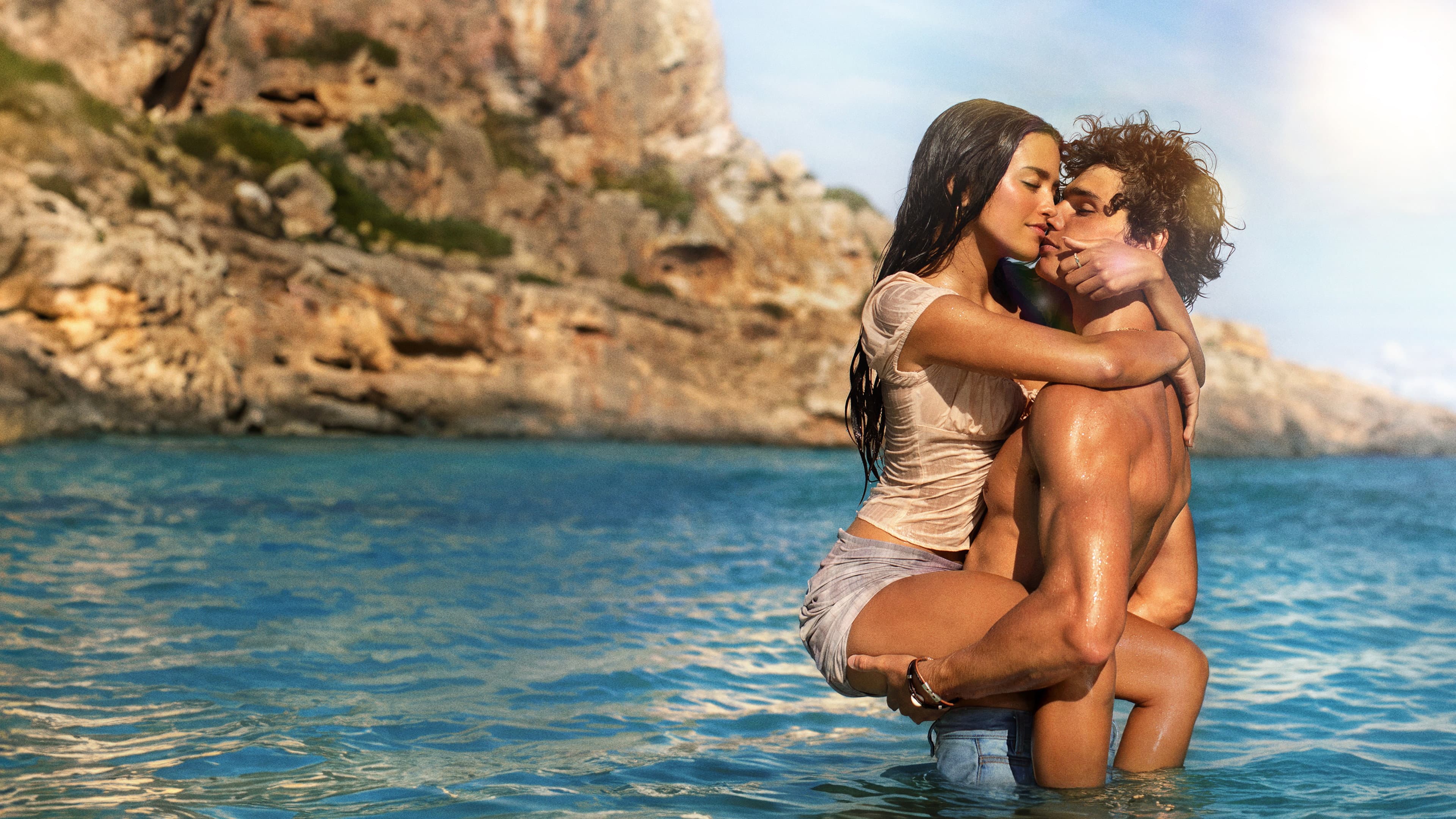
What begins as a reluctant holiday morphs into a season of awakening when Ry meets Julián, a local with salt-crusted hair and a slow, knowing grin. Fernando Lindez brings a groundedness to Julián that avoids the manic-pixie-dream-boy trap; he is not a cure, but a companion. Their chemistry is immediate but never rushed. Young directs their early scenes with a tactile intimacy - hands brushing over market fruit, the scrape of a chair on a terrace, the way Reficco’s face softens when she forgets, for a moment, that she is supposed to be sick. The film is unafraid to let joy feel dangerous. Every laugh is shadowed by the knowledge that Ry’s condition is not a plot device; it’s a constant, unwelcome third wheel in the room.
But The Last Sunrise is not merely a love story set against postcard vistas. The screenplay, sharp and unsentimental, slowly unravels the mystery at the film’s core: why did Isolde leave Mallorca decades ago, swearing never to return? Andrés Velencoso appears as Mateo Garcia, Julián’s enigmatic father, whose history with Isolde is written in the space between their loaded glances. The script never resorts to melodramatic reveals, instead letting the truth drip out like honey from a broken comb. A single, devastating monologue from Longoria midway through the film reframes everything we thought we knew about maternal sacrifice. It is a scene that will likely follow her into awards conversations.
Supporting turns from Sabrina Bartlett as Prisha, Ry’s fiercely loyal friend who dials in from across the Atlantic, and Molly B. Thomas as Sofia, a local artist who becomes an unexpected confidante, add texture without clutter. Chloé Sweetlove’s Amara, however, is the film’s quiet ace. Playing Julián’s younger sister, she offers Ry a friendship uncomplicated by romance, a pure, unburdened bond that becomes the story’s emotional anchor.
Visually, The Last Sunrise is a feast. Cinematographer (uncredited in the provided metadata, but assuredly deserving of praise) captures Mallorca in a golden-hour glow that feels almost sacred. Young’s camera lingers on the blue of Reficco’s eyes against the whitewashed walls of the village, on the churn of the Mediterranean at dusk, on the gritty texture of the sand that gets everywhere. It is a world you can almost taste - salted, warm, a little bitter.
The film’s pacing is deliberate, sometimes languid, which may frustrate viewers expecting a conventional tearjerker. Instead, Young asks for patience, rewarding it with a final act that is fiercely earned. The title’s sunrise both is and isn’t literal; it refers to the last light Ry might see, but also to the clarity that comes only when you stop pretending tomorrow is guaranteed. There’s a sequence near the end where Ry and Isolde sit on a cliff edge, silent, watching the sky bleed from peach to violet. No dialogue. Just two women carrying the same wounds, finally acknowledging the weight. It is the kind of scene that silences a theater.
Does the film have flaws? Certainly. One subplot involving a distant relative feels like a thread left dangling, and the runtime - currently unlisted but feeling every bit of two hours - tests the film’s grip in its middle stretches. Yet, it is hard to begrudge a movie that aims this high and lands so gracefully. Reficco’s performance is a breakout, blending the stubbornness of youth with the exhaustion of someone who has negotiated with pain her whole life. Longoria matches her beat for beat, proving once again that she is a formidable dramatic presence when given the material.
The Last Sunrise is not a film about dying. It is about the radical act of living while knowing you might not get a sequel. As the credits roll and the Mallorca heat fades into the cool of the theater, you carry a piece of Ry with you - a reminder that the most profound love stories often happen in the margins, between doctor’s appointments and whispered secrets. It is tender, unhurried, and devastating in the best possible way. By the time the final scene fades to black, you will not be checking your watch. You will be checking your breath.