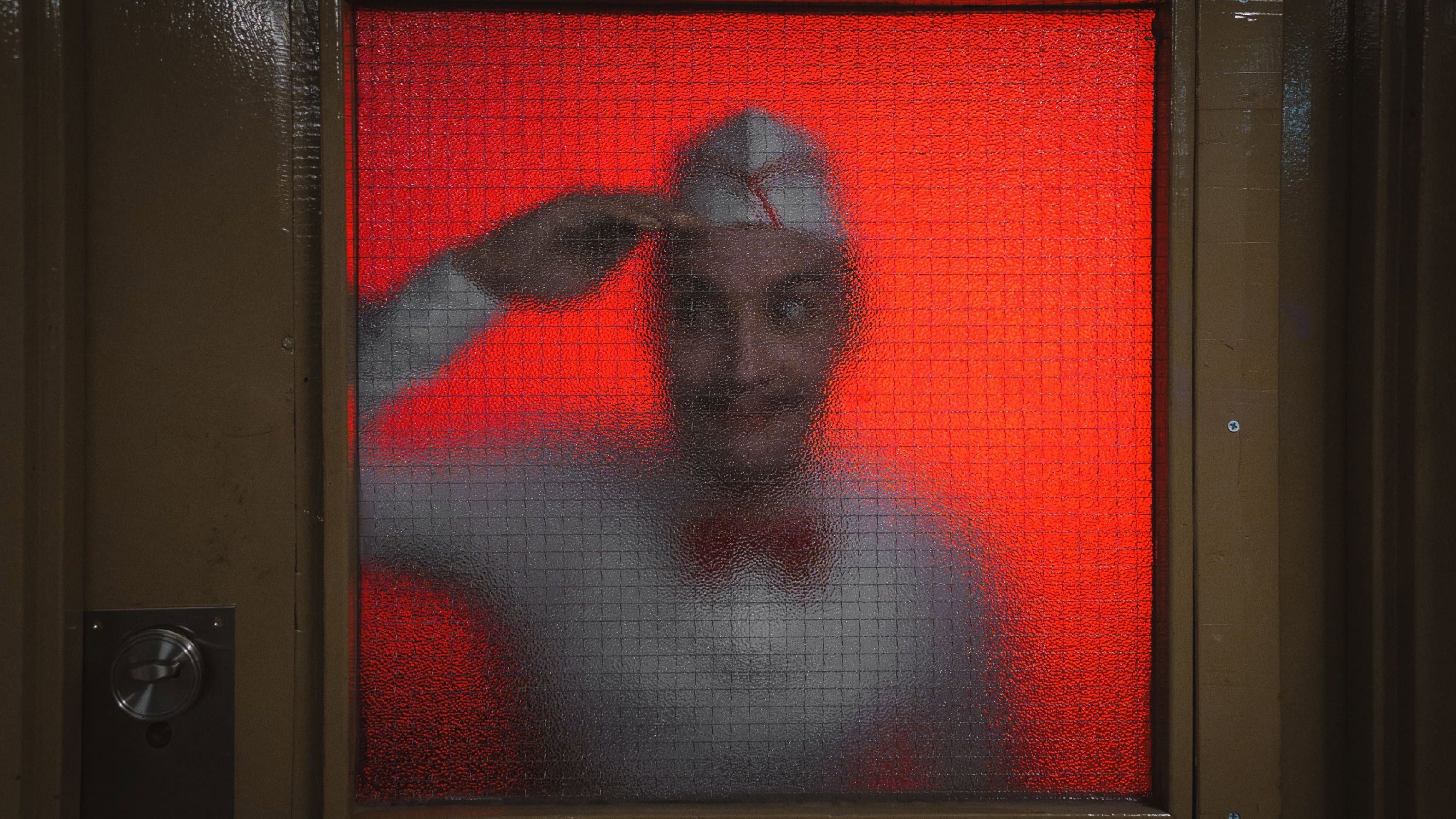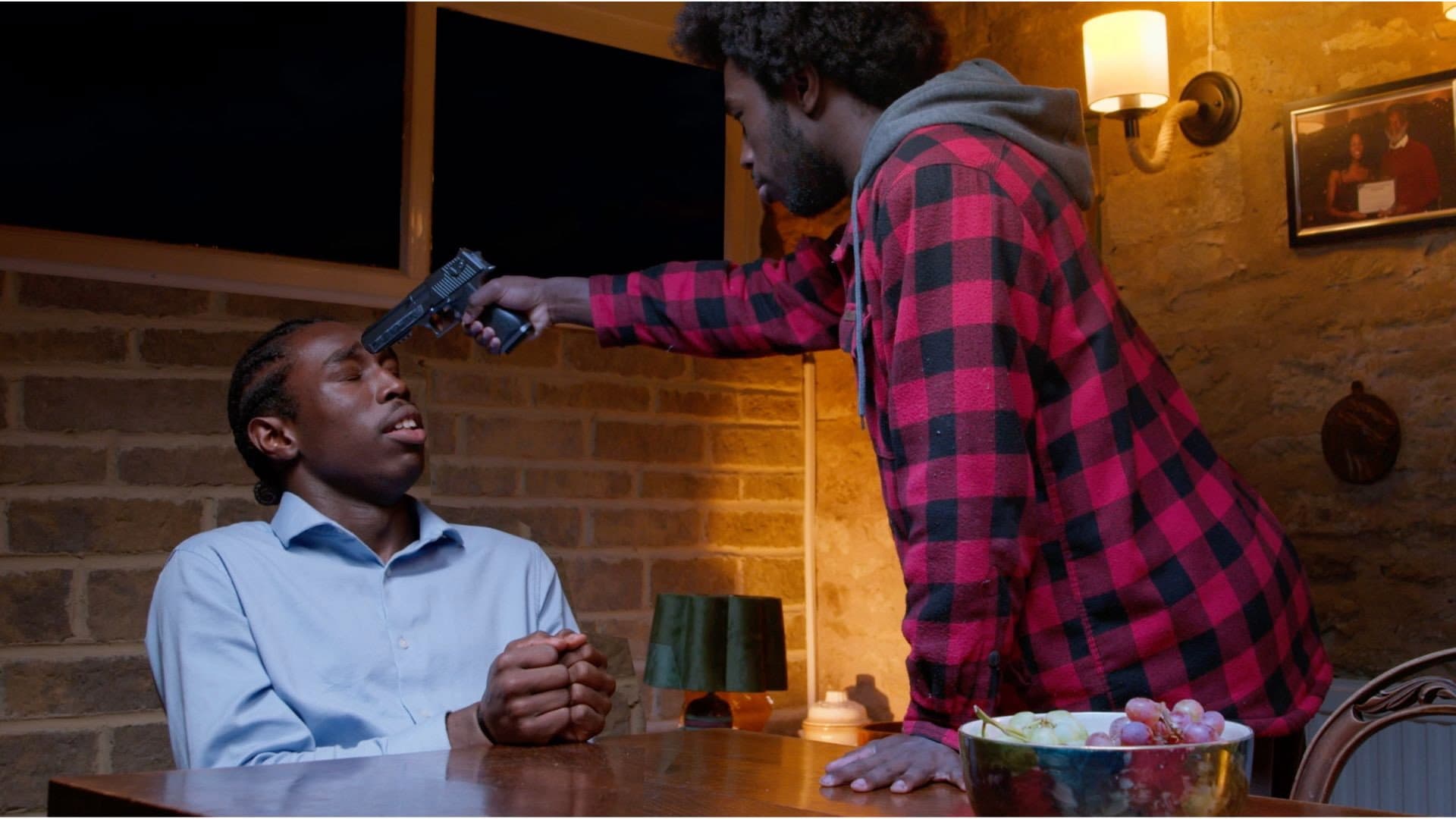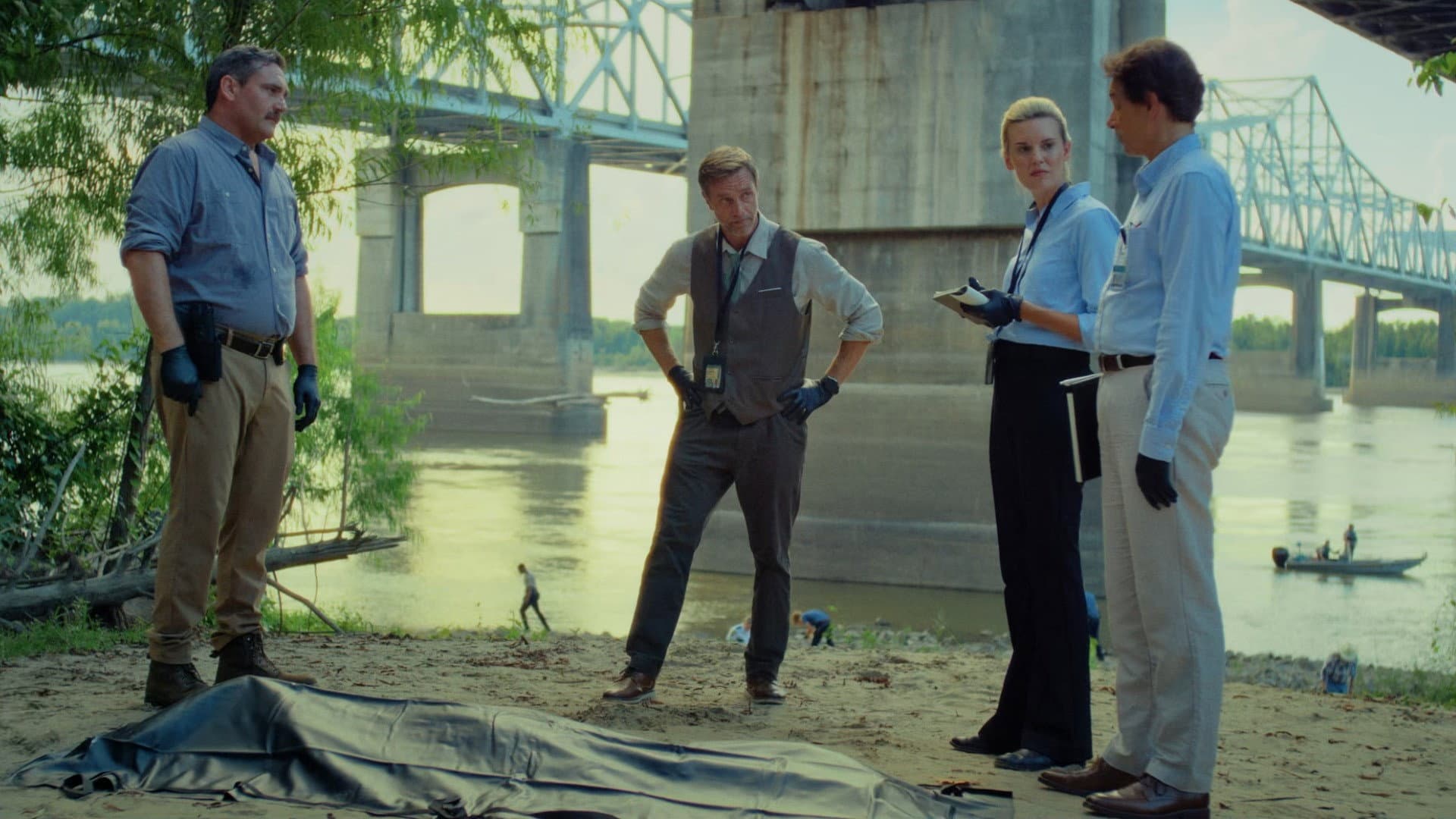
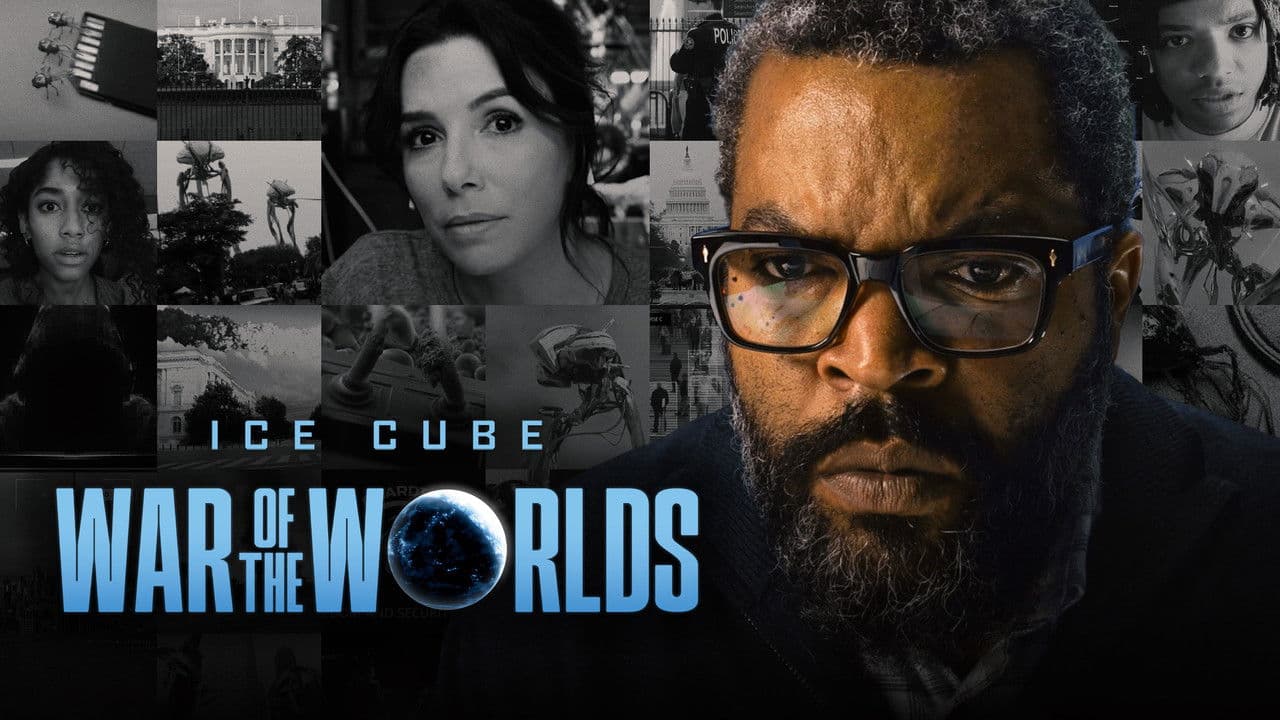
The first thing you notice about War of the Worlds is its unsettling quiet. Not the quiet of a thoughtful indie drama, but the tense, humming silence of a surveillance van parked outside your house. Released on July 29, 2025, Director Rich Lee’s 91-minute sci-fi thriller doesn’t announce itself with a thunderous orchestral sting. Instead, it creeps up on you, much like the existential dread at its core. This is not your grandfather’s War of the Worlds, nor is it a retread of Spielberg’s 2005 blockbuster. This is a paranoid, low-frequency hum about trust in the digital age, and it’s far more interested in the war being waged on the truth than in any alien artillery.
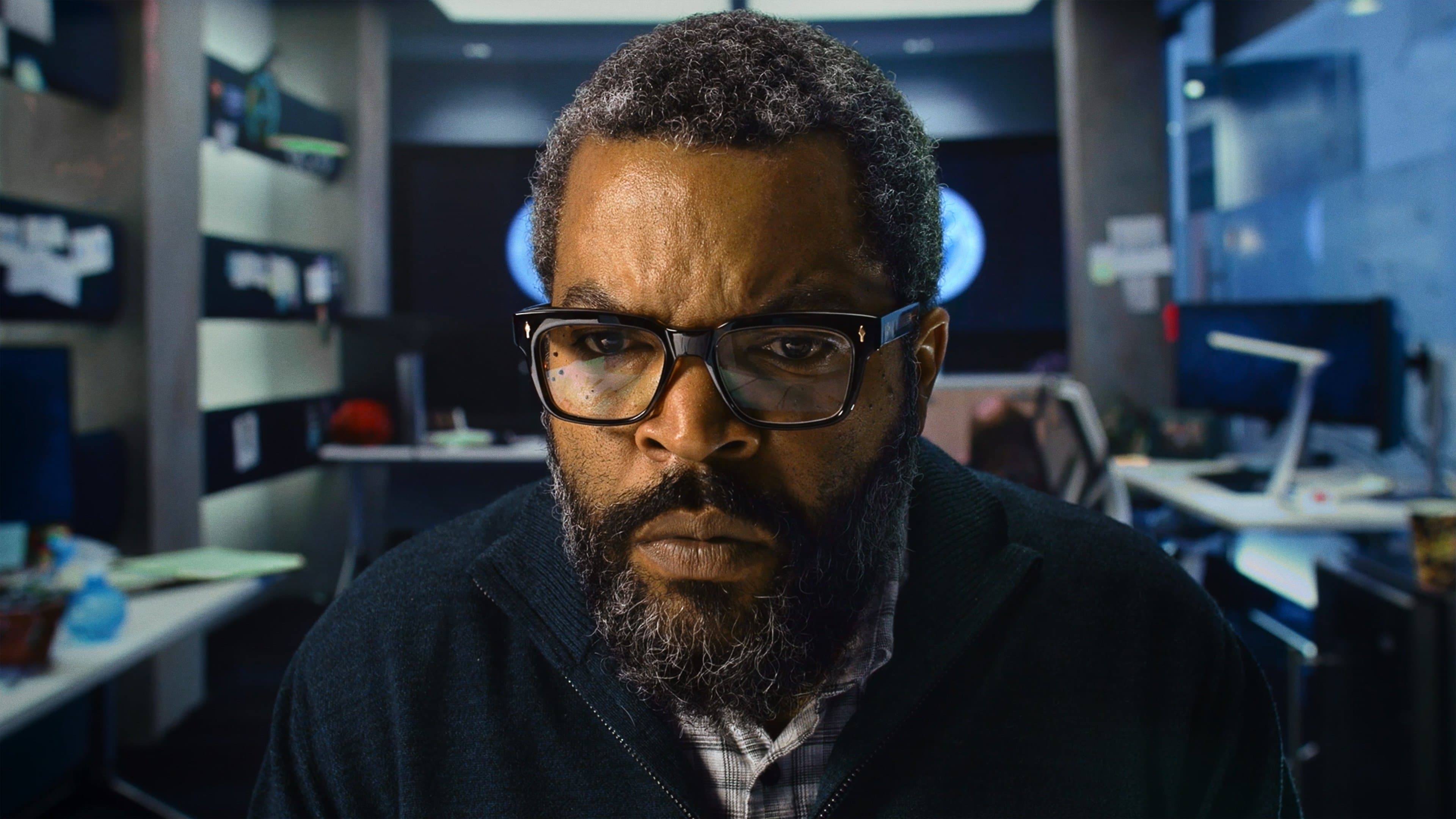
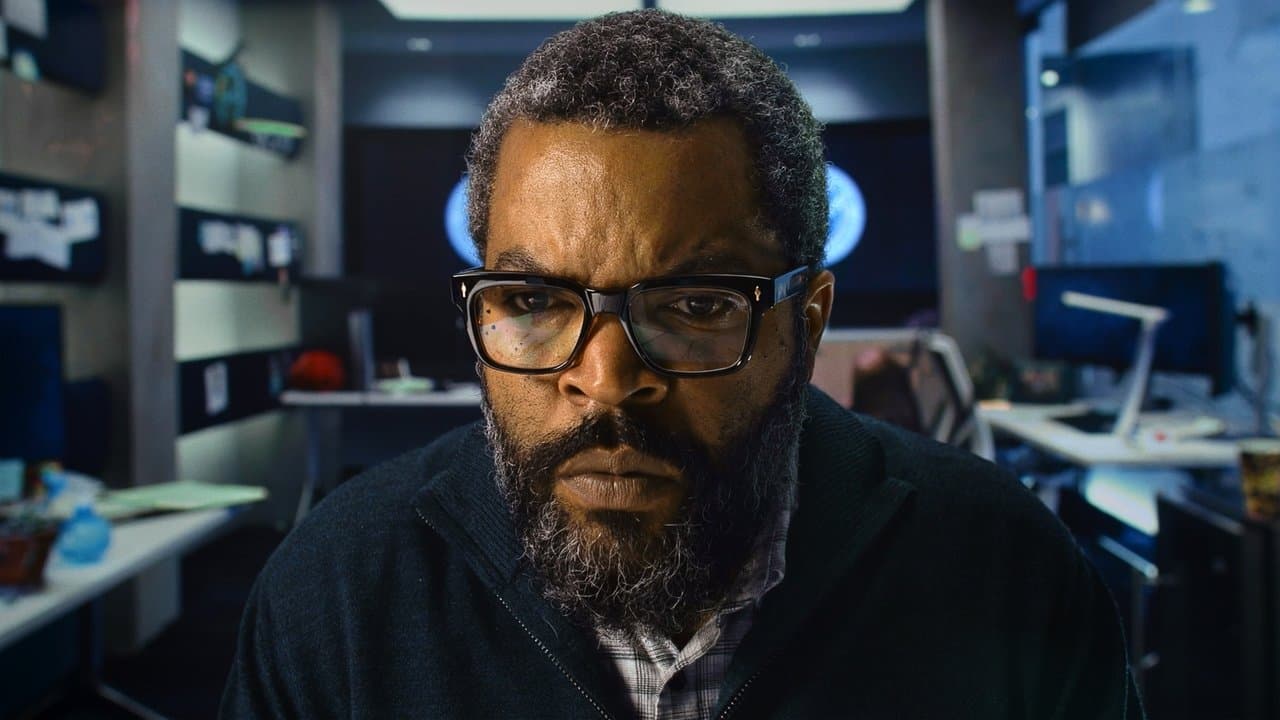
The film rests squarely on the broad, surprisingly sturdy shoulders of Ice Cube as William Radford. Known for his comedic timing in the Ride Along franchise, Cube pivots hard into stoic, furrowed-brow territory. Radford is a top analyst for Homeland Security, a man who spends his days in a dark, glowing room, scanning endless streams of metadata. He’s the guy who connects the dots before the dots know they’re connected. The script, lean and efficient, gives him plenty of room to chew on the irony of his position: he is the ultimate watchdog, yet he’s the last to know when his own leash is being yanked.
The inciting incident arrives with brutal, unexplained swiftness - an attack by an unknown entity, a shimmering, kinetic phenomenon that doesn't resemble any conventional weapon. In the chaos, Radford sees something he shouldn't have. A glitch in the system, a shadow on the satellite feed, a deliberate blind spot. It’s a classic trope - the analyst who stumbles upon the real conspiracy - but the execution feels decidedly contemporary. His paranoia isn't just about little green men; it's about the NSA Director Donald Briggs (a perfectly smug Clark Gregg) and the reassurances that feel a little too rehearsed.
Where the film excels is in its claustrophobic tension. Lee, who previously helmed the underrated I, Robot, understands that the scariest monsters are the ones we identify with. The "aliens" here are almost beside the point. The real thriller is watching Radford piece together a jigsaw puzzle where half the pieces are missing, and the other half are being fed to him deliberately by his own agency. He teams up with NASA Scientist Sandra Salas, played with crisp, academic urgency by Eva Longoria. Longoria provides the film's necessary counterweight to Cube’s street-level intuition; she’s the one who spouts the extrapolated science, but her eyes betray the same cold fear - the fear that they are not fighting an enemy, but a technicality.
There is a subplot involving Radford's family - his daughter Faith (Iman Benson) and son David (Henry Hunter Hall) - that feels somewhat obligatory, a nod to the source material’s themes of fractured domesticity. Yet, it grounds the film. Radford isn’t just trying to save the world; he’s trying to save a relationship he’s already neglected. His work, which he believed was protecting his family, becomes the very thing alienating them. The supporting cast, including Devon Bostick as a weaselly systems tech and Andrea Savage as an FBI agent who smells a rat, fills in the edges nicely, ensuring that every scene has a baseline level of distrust.
However, War of the Worlds has a major, unavoidable problem: its logic doesn't just bend; it occasionally snaps. The film, which currently holds a polarizing TMDb score of 4.061/10, relies heavily on the audience accepting that a top-tier analyst would repeatedly fail to use basic counter-surveillance techniques. There are moments where Radford walks into a trap with the apparent awareness of a tourist in a haunted house. The third act, in particular, sacrifices narrative coherence for a series of slick action set-pieces, leading to a revelation that feels less like a gut-punch and more like a shrug. The ending is abrupt, leaving more questions than answers, but not in an intriguing, Arrival-style way. It feels truncated, as if the studio demanded a tight 91 minutes and forgot that setup requires payoff.
Yet, to dismiss it entirely would be a disservice. As a pure paranoid thriller, it works on a visceral level. In an era saturated with deepfakes and algorithm-driven misinformation, the film’s core question is chillingly relevant: What happens when the system we use to find the truth is the very thing obscuring it? Ice Cube’s performance is far better than the material deserves, grounding the absurdity in a weary, blue-collar realism. He doesn’t deliver a single laugh, and he doesn’t need to; his scowl alone is a character arc.
This War of the Worlds is not a classic. It’s a messy, fragmented B-movie with A-list aspirations and a thoughtful premise buried under a weak script. But for 91 minutes, it makes you check your phone, not for the time, but for the little red dot on the camera. It asks a simple, terrifying question - who is watching who? - and while it fumbles the answer, the question lingers long after the credits roll. For genre fans tired of spectacle without substance, it’s a flawed, fascinating anomaly. For everyone else, it’s a reminder that sometimes the most dangerous alien invasion is the one we authorize ourselves. You might not love it, but you won't stop thinking about it.