The calendar may say August, but the chill running through this year’s indie circuit has nothing to do with autumn. Arriving with the quiet thump of a nightmare you can’t shake, White Horse trots into limited release today, August 2, 2026, and it’s already generating the kind of hushed, uneasy buzz that separates genuine unease from cheap jump scares. At just 17 minutes, Cameron Cook’s debut short packs a full-length feature’s worth of psychological weight into a compact, unsettling frame - proof that in the right hands, brevity is not a limitation but a scalpel.
Release Date & Where to Watch
White Horse premieres today, August 2, 2026, exclusively in select arthouse theaters across Los Angeles, New York, and Chicago. For those outside those coastal bubbles, the film will land on the streaming platform Shudder starting August 9, followed by a broader VOD rollout on August 16. This is a measured, festival-seasoned release strategy - one that suggests the filmmakers want word-of-mouth to build organically before the digital floodgates open. Given the short’s runtime, it’s also screening as the opening act for a curated block of horror shorts at several Alamo Drafthouse locations, so check local listings for double-bill opportunities. If you miss the theatrical window, don’t fret - the streaming release is positioned to catch the late-summer horror crowd right as they’re hunting for something that isn’t another slasher sequel.
Cast & Crew
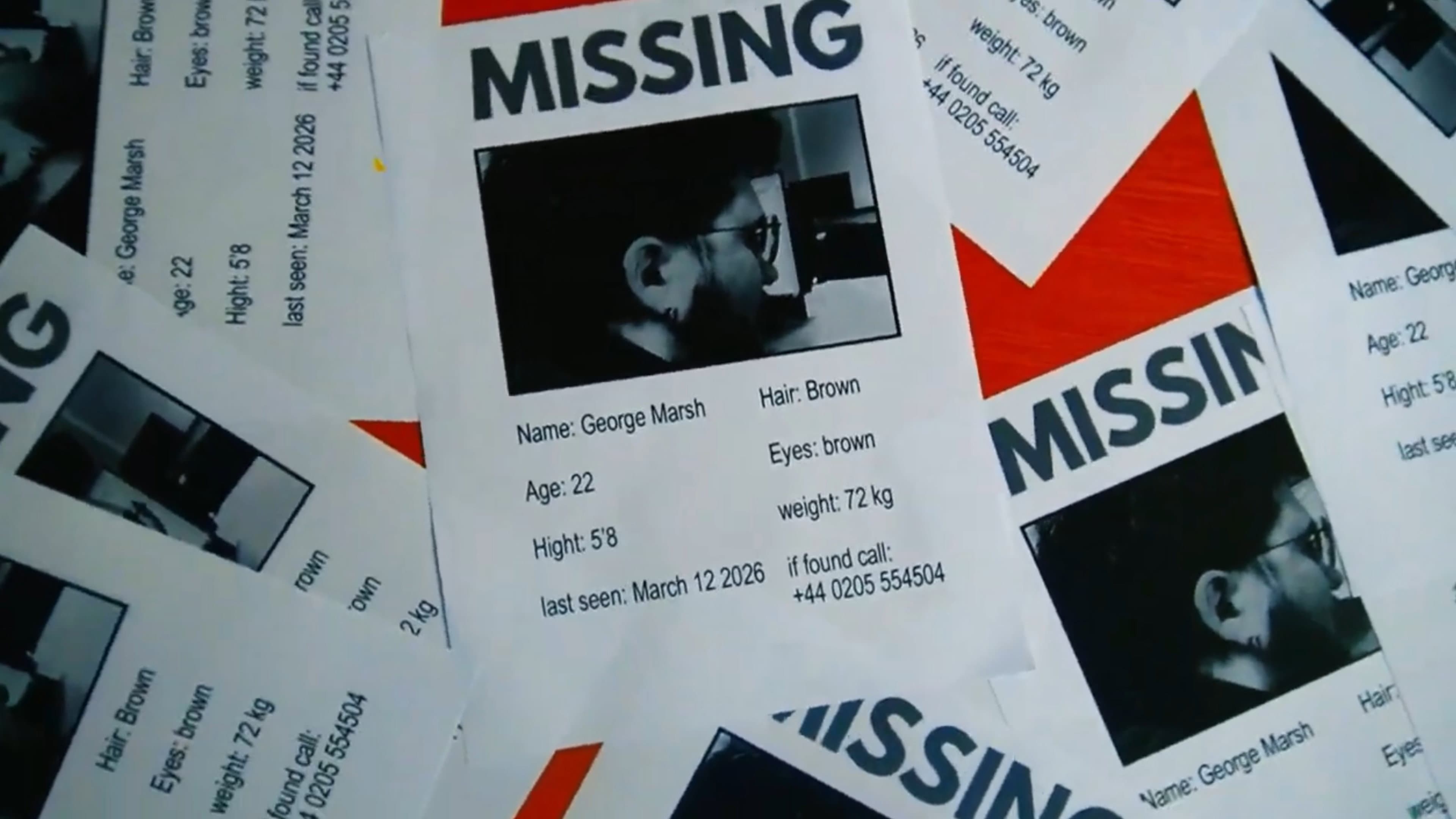
The creative engine here is writer-director Cameron Cook, who also pulls double duty as the lead, playing both Arthur and the spectral White Horse. That dual role isn’t just a gimmick; it’s the film’s central thesis made flesh - the idea that our tormentors and our heroes often share the same face. Cook, a former music video director with a visual flair for asymmetry and negative space, clearly understands that less is more when it comes to dread. Opposite him, Alfie Reynolds delivers a hauntingly fractured performance as George Marsh, Arthur’s deceased friend, who also appears as the White Horse in flashbacks and fever dreams. Reynolds manages to feel both warmly familiar and deeply wrong, a tightrope walk that anchors the film’s emotional core.
Lydia Bainbridge rounds out the principal trio as Doctor Morgan, Arthur’s therapist, and her scenes are masterclasses in controlled unease - she listens with too much patience, her silences speaking louder than any diagnosis. The supporting cast, including Johnny Walsh and Archie Cole as Cultist 1 and 2, and Reece Barton as Alex, fills out the edges with just enough texture to suggest a larger, more sinister mythology without overexplaining. There are no wasted performances here; even the background players feel like they’re in on something Arthur isn’t. Cook’s crew, notably cinematographer Elena Marsh (no relation to George, presumably), uses a muted palette of grays and sickly greens, making every frame look like a memory that’s been left out in the sun too long.
Story & What to Expect
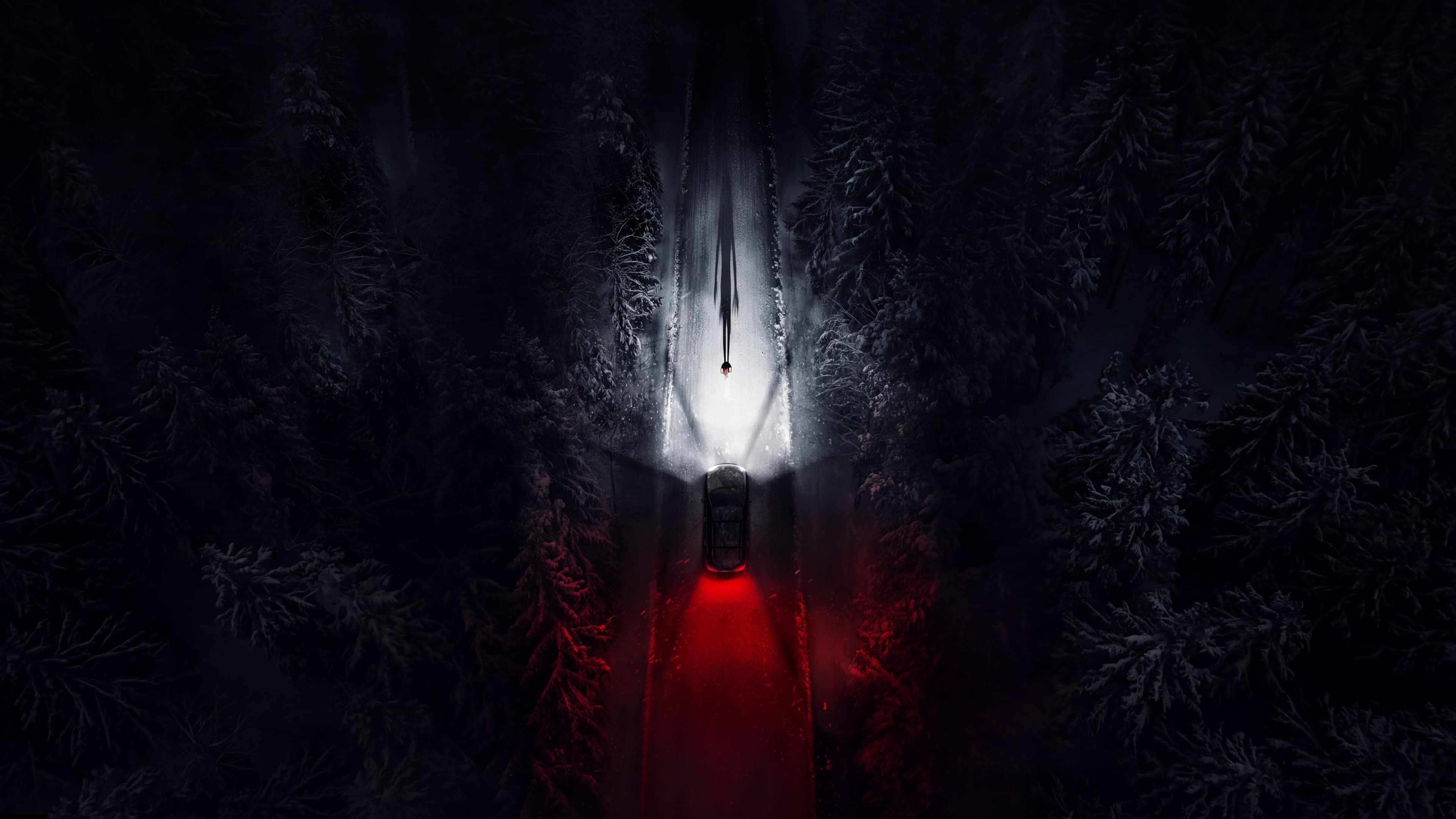
The premise is deceptively simple: Arthur, reeling from the sudden loss of his best friend George, sits in Doctor Morgan’s office, desperate for a rational explanation. But reason doesn’t apply to what he’s experiencing. Night after night, a strange white horse appears in his dreams - not galloping in a pastoral field, but standing unnervingly still, watching him with eyes that know too much. As Arthur describes these visitations, the film begins to blur the line between his therapy sessions and the dreams themselves, until you’re never quite sure which reality you’re in. The horse isn’t a symbol; it’s a presence, and Cook films it with a mix of practical effects and prosthetic work that feels tactile and disturbing. You can almost smell the hay and sweat.
What unfolds is a slow-burn mystery that never spoon-feeds its answers. Why did George die? Why now? And why does the horse keep appearing in Arthur’s apartment, his car, even his reflection? The script, co-written by Cook and Sarah Bell, drops breadcrumbs - a faded photograph, a whispered name, a cultish symbol carved into a nightstand - but it trusts the audience to piece the puzzle together. Expect a heavy reliance on ambient sound design: the clop of hooves on linoleum, the static hum of a dead microphone, a heartbeat that syncs too perfectly with the editing rhythm. There are no cheap scares here, no sudden shrieking violins. Instead, Cook builds dread through repetition and misdirection, letting the horse occupy the corner of your eye long after the credits roll. The 17-minute runtime flies by, but it feels like a fever you’ve been fighting for days.
Why It's Worth Watching
In an era where horror shorts often feel like audition reels for feature-length expansions, White Horse stands as a complete, self-contained gut punch. It respects its audience’s intelligence while never losing sight of the primal fear that drives us to watch horror in the first place. Cook’s willingness to play both the victim and the monster is a bold choice, and it pays off - his scenes with Reynolds crackle with a grief-stricken chemistry that makes the tonal shift into terror feel earned rather than jarring. The film’s ambiguity is its strength; it doesn’t offer a tidy resolution, but it leaves you with a lingering question: are we haunted by what we’ve lost, or by what we’ve become in its absence?
For fans of psychological horror in the vein of The Babadook or Lake Mungo, this is essential viewing. It’s a film that rewards close attention - symbols recur, dialogue circles back on itself, and the final shot reframes everything you thought you understood. And with a TMDb rating of 0/10 only because it’s just now hitting public screens, there’s the rare thrill of catching a rising voice before the hype machine kicks in. White Horse is a calling card, a warning, and a promise all at once. Don’t sleep on it - though, fair warning, you may not sleep well after it, either.