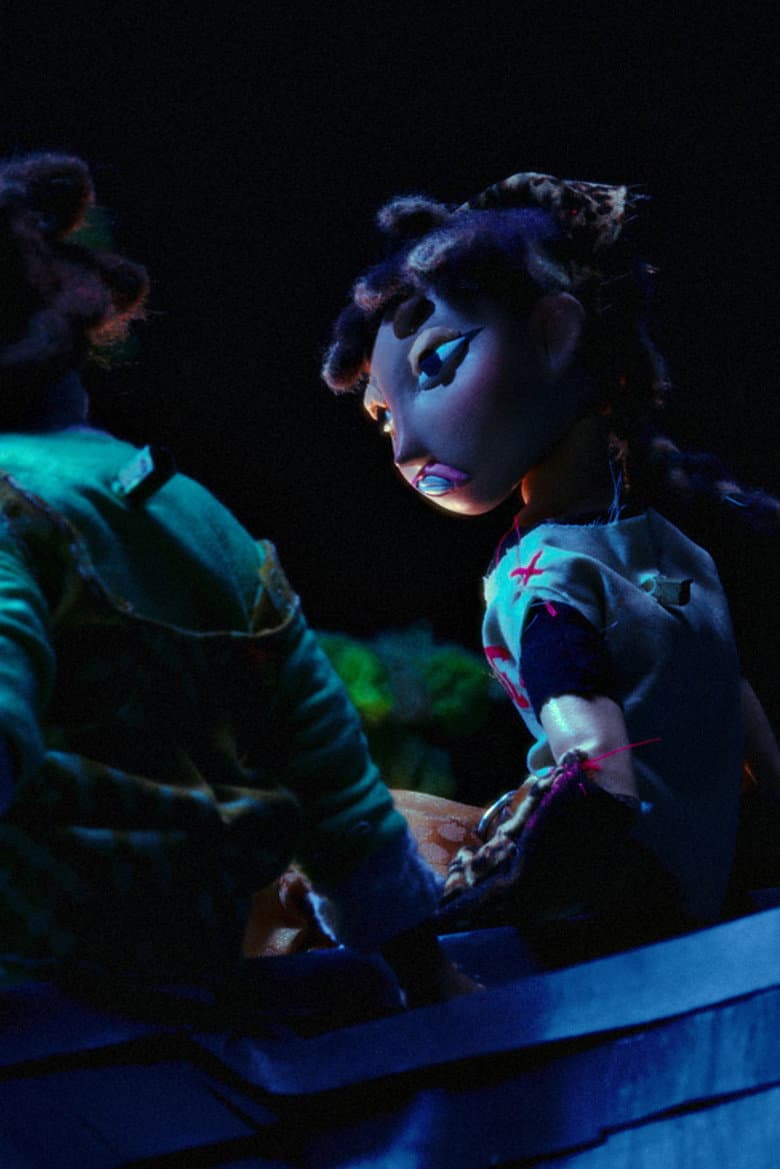
The news out of Hollywood this week is a reminder that some of the most unsettling stories arrive in the smallest packages. "Cabbageworm," a seven-minute stop-motion horror film, is quietly making the festival rounds, and it carries a premise that refuses to stay polite: a queer woman named Michelle begins to remake herself after the death of her abusive, homophobic mother. That the film is animated - and that it is stop-motion, a medium built on patience, repetition, and the slow accumulation of tiny movements - only sharpens its sting. Horror has always found a way to make grief literal. Here, it appears, the grief has teeth.
Release Date & Where to Watch
Here is where the picture gets elusive. "Cabbageworm" has no announced release date and no confirmed distributor, so those hoping to stream it tonight will have to be patient. At seven minutes, it is the kind of film that typically lives in the festival ecosystem before finding a home - a slot on a boutique streaming platform, a curated horror anthology, or a late-night genre showcase. For now, the best advice is to keep an eye on the festival circuit and on the film's official channels for any word of a premiere. There is no theatrical window to report, no digital date to circle, and no platform to bookmark. What we have is a title, a premise, and the sense that something strange and worthwhile is waiting just out of view.
Cast & Crew
The credits for "Cabbageworm" remain largely under wraps. No director has been publicly confirmed, and the cast has not been announced - a veil of mystery that is not unusual for a short film still in its rollout phase, but one that leaves the usual biographical scaffolding impossible to build. What we can confirm is the industry: this is a Hollywood production, made in English, built on the exacting craft of stop-motion animation. That detail matters. Stop-motion is not a shortcut for filmmakers without resources; it is a deliberate, often punishing choice, and a seven-minute film made in this medium represents an enormous expenditure of labor, frame by frame, at twenty-four frames a second. Whoever is behind the camera, they are working in a tradition that runs from Eastern European puppet horror through the stop-motion interludes of the modern genre boom. The absence of names is frustrating, but the technical commitment is its own kind of signature.
Story & What to Expect
The synopsis is brief, but it does a great deal of work. Michelle is grieving her mother - a woman who was both abusive and homophobic - and the film frames that grief not as a tidy process of healing but as an opening, a portal through which queer desire and emancipation can enter. The title suggests something small, pale, and hungry, a creature that burrows and consumes. Read metaphorically, a cabbageworm is a thing that eats its way out of the garden it was raised in. Expect the film to lean into the body-horror potential of that image, and to treat animation's capacity for grotesque transformation as a language for liberation rather than punishment.
Also expect restraint. Seven minutes is not much time, and the best shorts in this register tend to operate like a single, precise incision. The film's stated focus on desire is important, too - horror has a long, sometimes queasy history of using queerness as a monster, and "Cabbageworm" appears to invert that tradition entirely, using monstrosity as a vehicle for queer self-becoming. The mother's death is the inciting incident, not the climax. What follows is a question the film seems designed to leave open: when the person who defined your limits is gone, what do you build in the space they leave behind?
Why It's Worth Watching
For one thing, the medium is the message. Stop-motion has an uncanny quality that live action rarely achieves - puppets move with a slight, wrong smoothness, as though their life has been meticulously faked, because it has. That aesthetic sits perfectly against a story about a woman learning to inhabit a body and a self that her upbringing taught her to distrust. Every frame of this film is evidence of hands at work, and that handmade quality gives the horror an intimacy that digital effects often lack.
For another, the subject matter is genuinely underserved. Stories about queer people surviving homophobic familial abuse exist, but stories that treat the aftermath as a horror canvas - as a place for desire, anger, and emancipation to mingle - are far rarer. "Cabbageworm" is aiming at something uncomfortable and specific, and short films are often where that kind of ambition is purest, unburdened by the commercial compromises of feature length.
Finally, there is the curiosity factor. A zero rating on TMDb tells you only that almost nobody has seen it yet - not that it lacks merit. What we know for certain is that a Hollywood-produced, English-language stop-motion horror short about queer emancipation, made in seven minutes, exists. Films like this make their reputations one festival screening at a time. Remember the title now, because the odds are good you will be hearing it again.