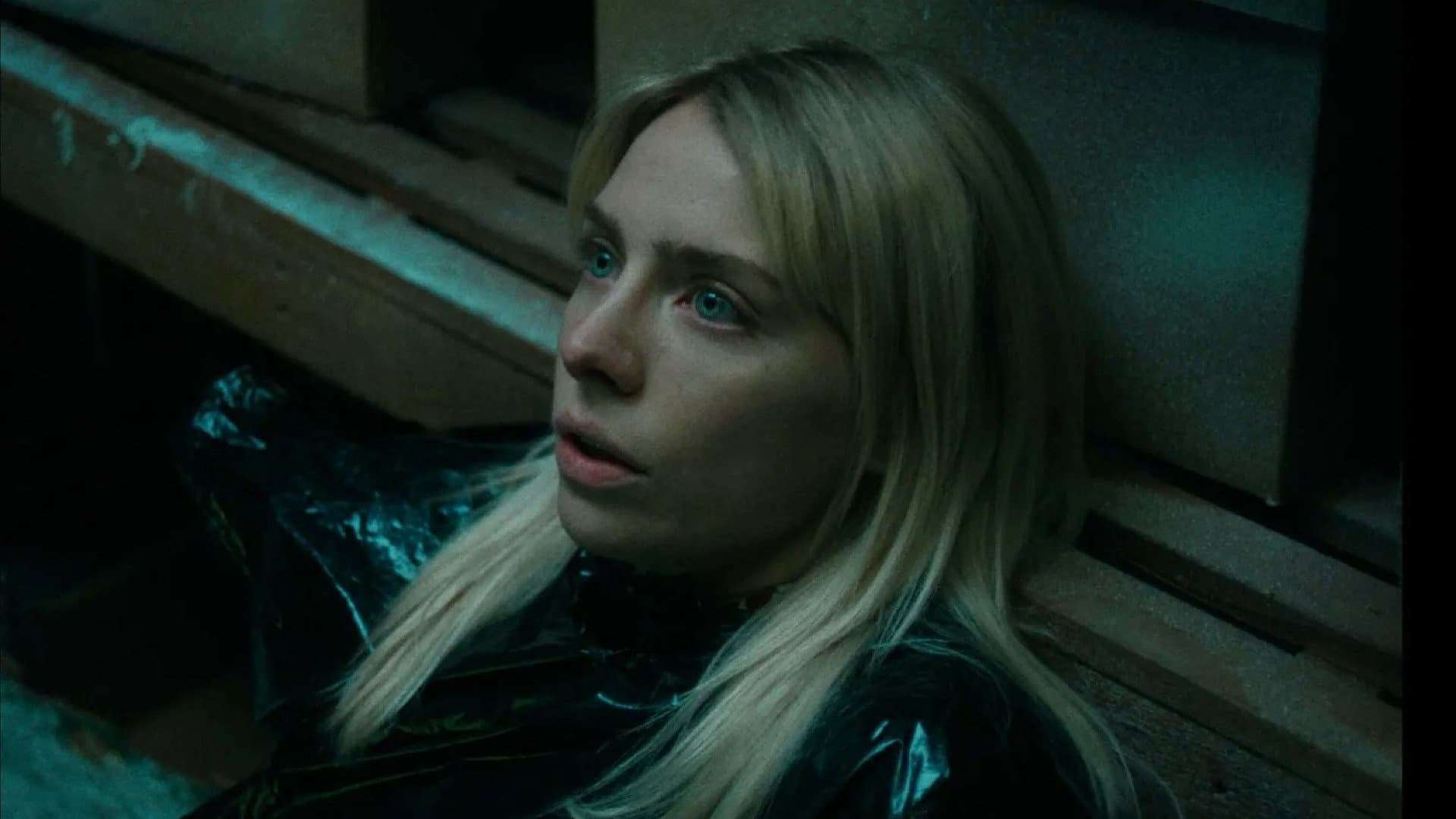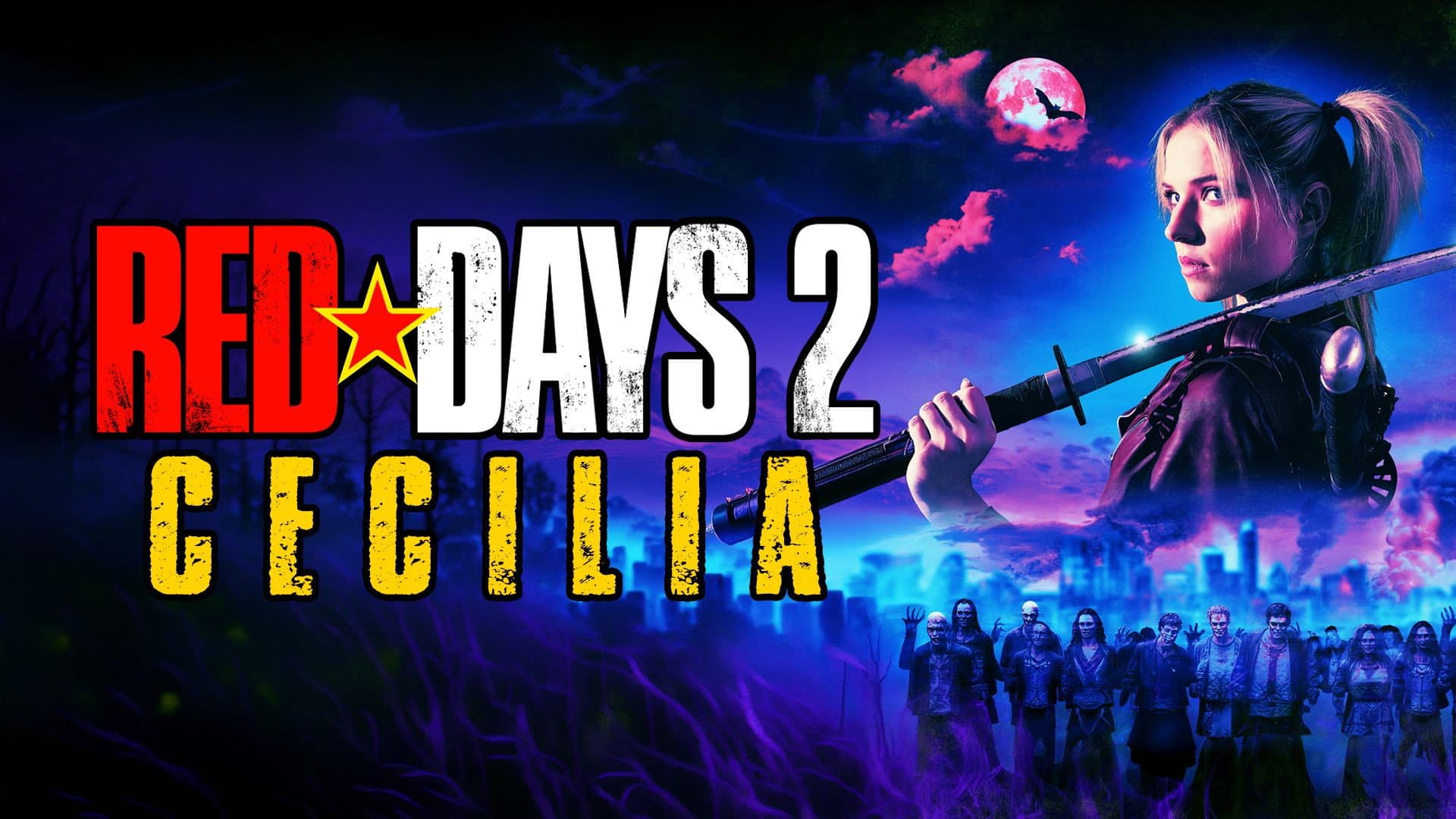
The vampire has always been a creature of appetite and regret, but in Brett William Mauser's "Red Days 2: Cecilia," she is something else entirely: a salaried one. The film, released on October 12, 2026, follows Cecilia, the young woman first introduced in "Red Days," as she navigates a world where the zombie outbreak has not so much ended as calcified into a permanent crisis - and where the undead, it turns out, can be organized.
Mauser's sequel picks up with Cecilia after her transformation, a moment the first film treated as a grim punctuation mark. Here it is a starting gun. To survive, and to find something resembling a home, Cecilia joins a secret organization that molds her into a corporate slayer - a phrase that lands with deliberate dissonance. The corporate and the supernatural have always been uneasy bedfellows in horror, but "Red Days 2" leans into the absurdity of a vampire with a handler, a mission statement, and presumably a performance review. The genres listed for the film are action, horror, and thriller, and the 109-minute runtime suggests a brisk, propulsive structure rather than a moody meditation on the ethics of bloodsucking.
Nicole Mattox returns as Cecilia, and the film's success rests largely on her shoulders. The character's arc is a familiar one in outline - the outsider who finds purpose in a shadowy institution - but the specifics are stranger: a woman who is simultaneously predator and employee, monster and middle manager of her own violence. Mauser, who directed, has a history of working within genre constraints and bending them just enough to notice. His interest here seems less in the zombies, which have become the furniture of contemporary horror, than in the bureaucracy that grows up around catastrophe. Every apocalypse, the film suggests, eventually produces an org chart.
Melissa Dawn Smith appears as Thane and Lisa Butala as Kim, roles that the film's promotional material has kept deliberately vague. In a story about secret organizations, the supporting cast tends to function as either mentor or obstacle, and the film seems content to let that ambiguity do its work. The original language is English, and the production is Hollywood through and through - a polished, commercially minded genre picture rather than an import or an outlier. The runtime is lean, the cast is small, and the premise is built for a franchise that does not require a new world to be invented every time out.
What is notable about "Red Days 2: Cecilia" is its timing. The film arrives at a moment when audiences have grown weary of the zombie as a standalone threat and increasingly interested in what happens after the initial shock - the long, grinding aftermath in which institutions reassert themselves and ordinary people learn to live alongside monsters. By making its protagonist a vampire who works for a secret organization, the film collapses two genre traditions into one another. The vampire's traditional loneliness becomes a kind of office isolation; the zombie's mindlessness becomes the backdrop against which a thinking monster operates. It is a neat trick, and the film appears to know it.
The TMDb rating currently sits at 0/10, which is less a measure of quality than a measure of how recently the page has been populated. At this stage in a film's release cycle, such figures are noise, not signal, and readers should not mistake them for a critical consensus. The film's actual reception will be determined in the weeks and months ahead, as audiences and critics weigh in.
For now, "Red Days 2: Cecilia" stands as a curious proposition: a sequel that expands rather than repeats, a horror film with an interest in employment, and a star vehicle for Mattox that asks her to play a woman who is, in every sense, working for her life. Whether Mauser's gamble on corporate vampirism pays off is a question for the box office and the audience. What is clear is that the film has no interest in the traditional vampire's tragic solitude. Cecilia, surrounded by colleagues and targets, is never alone. That, the film seems to suggest, may be the scariest thing about her.