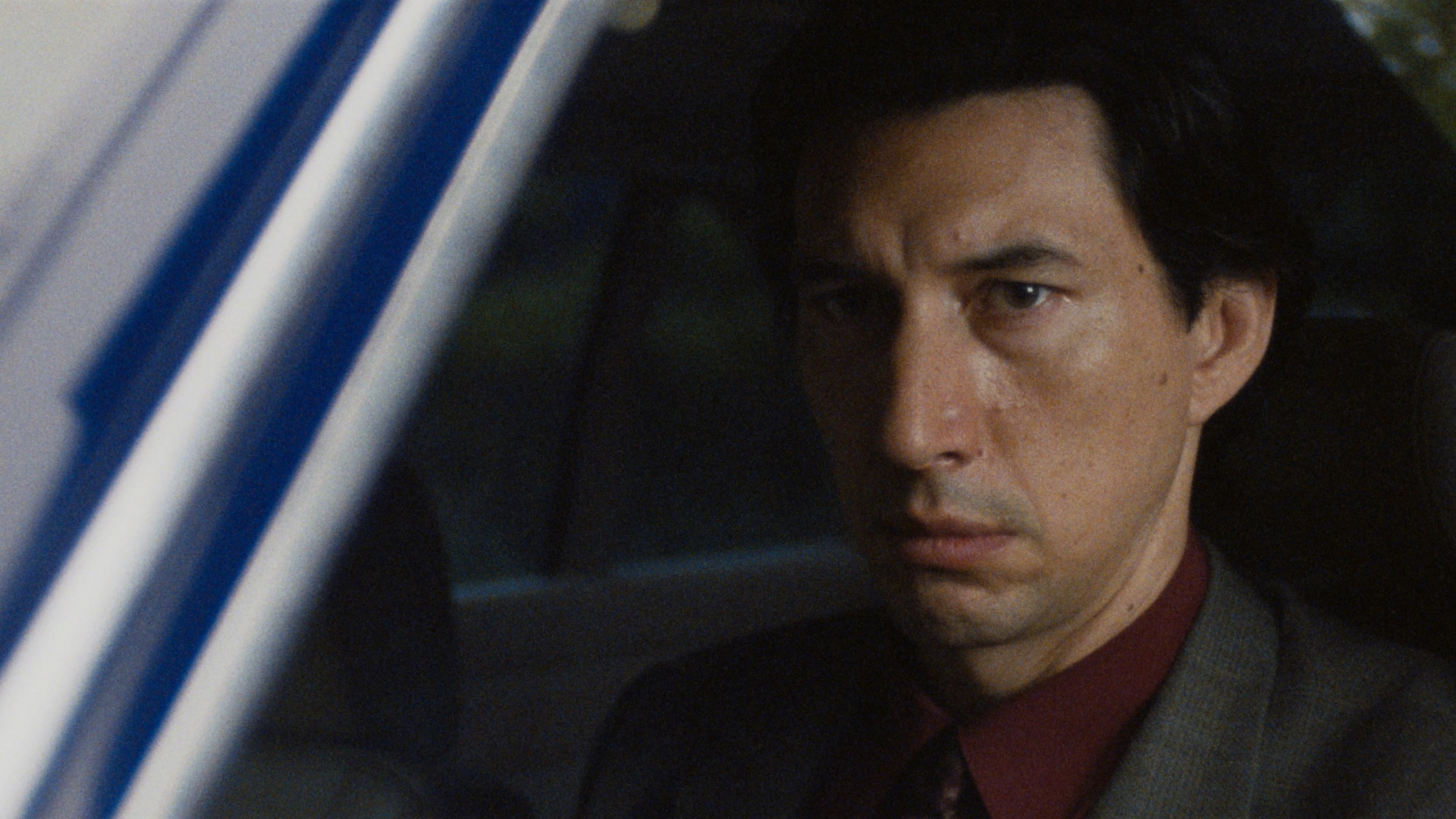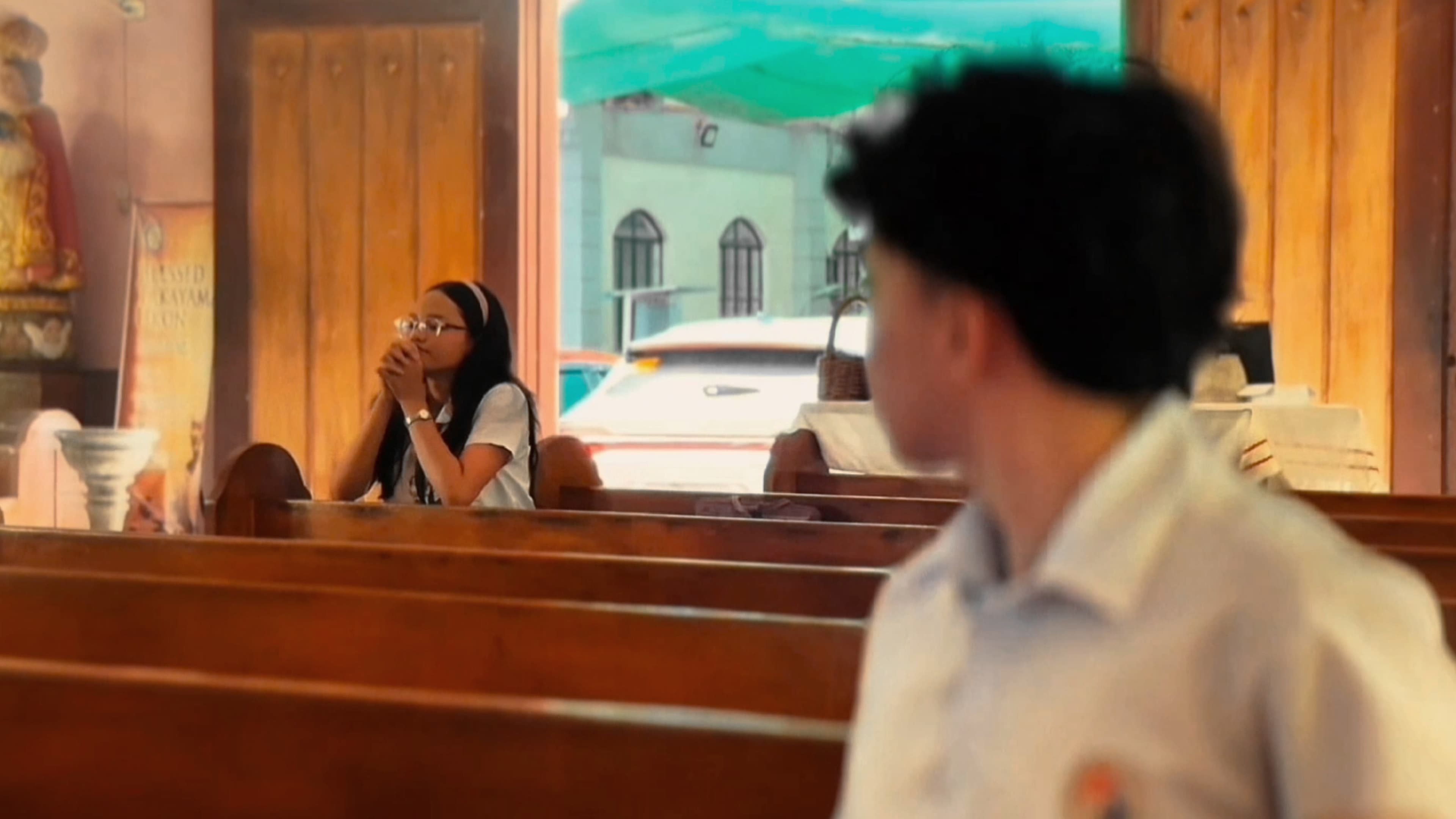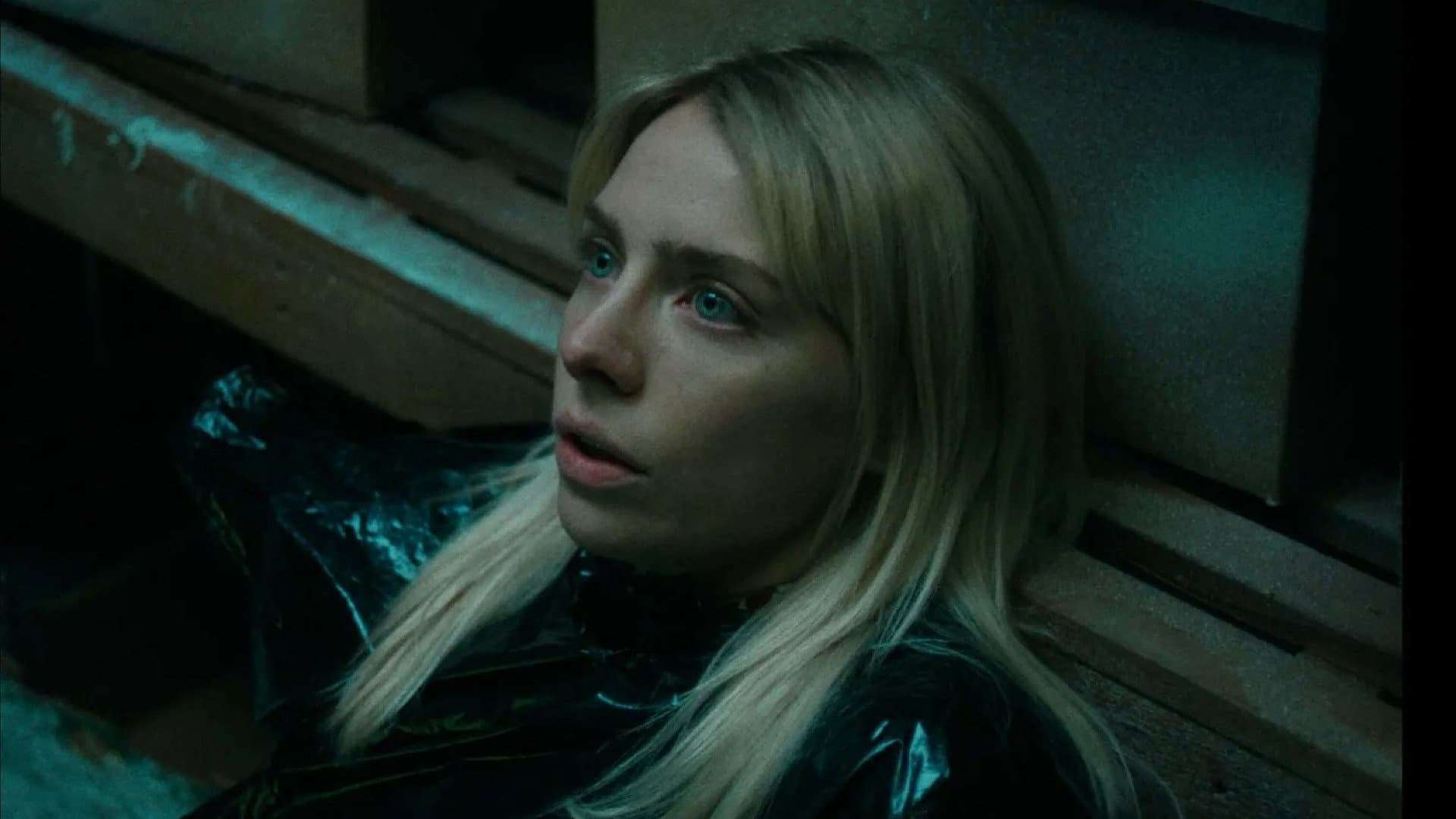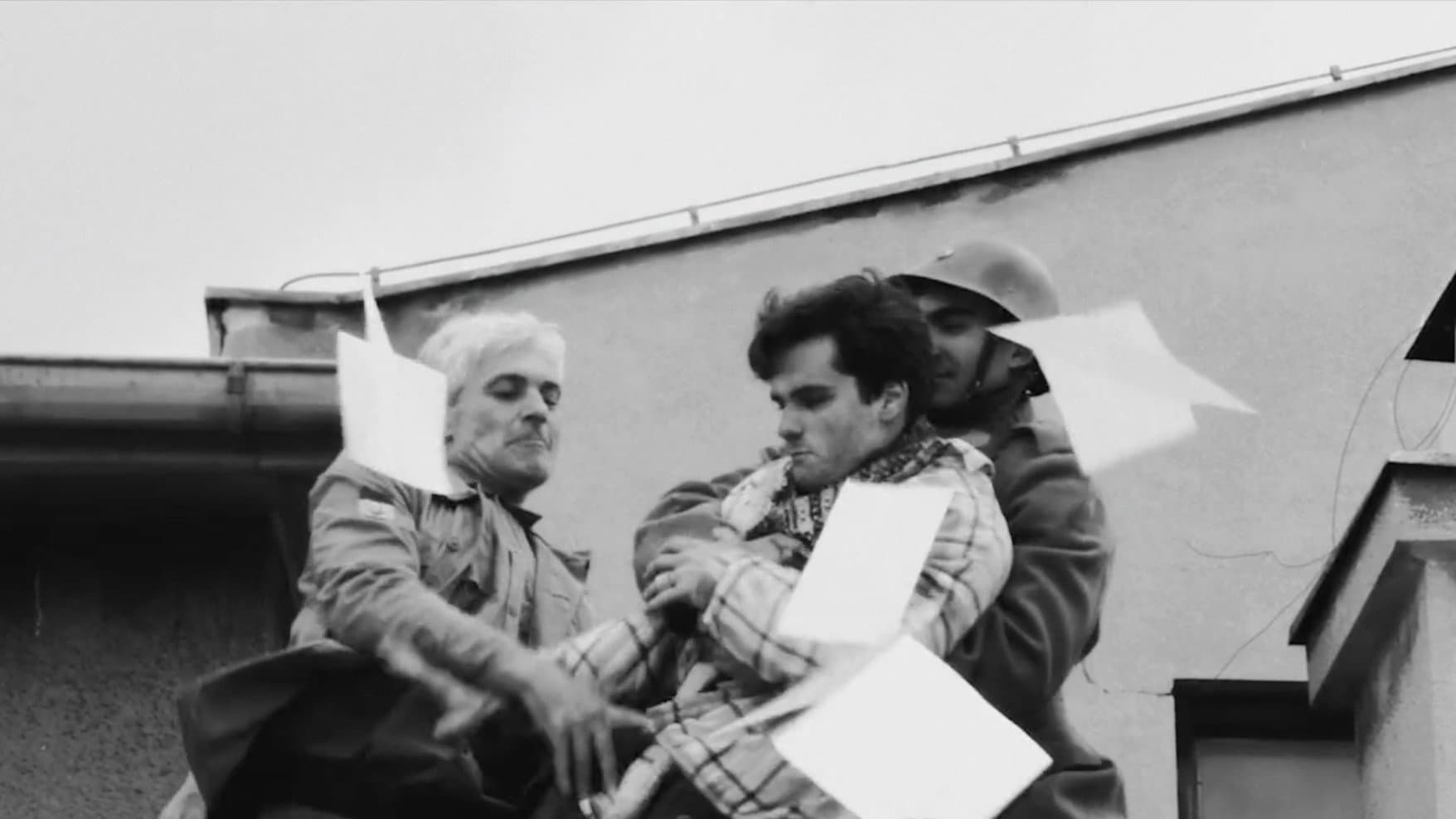
The theatrical landscape this Thanksgiving weekend gets a jolt of history with the arrival of "Revolution for Beginners," a documentary that revisits one of the most pivotal days of the twentieth century. Directed by Siniša Dragin, the film zeroes in on Romania, December 21, 1989 - the exact moment the anti-communist revolution fully erupted. But instead of sweeping panoramas of mass uprising, Dragin keeps his lens trained on a single provincial town, one described by the film's ever-present narrator as "neither big nor small, neither nice nor ugly." In that unremarkable place, a motley band of ordinary citizens decides to seize power "in the name of the people." It is a premise that sounds like farce and lands like history, which is precisely the point.
Release Date & Where to Watch
"Revolution for Beginners" opens in theaters today, November 22, 2026, timed almost to the day to the events it chronicles. The film runs a tight 84 minutes, a length that suits its intimate, handheld approach. Distributors are positioning it as a prestige documentary offering for adult audiences, and it is expected to roll out in major markets before expanding to regional and independent venues in the weeks ahead. Viewers who prefer to wait for home viewing should keep an eye on the usual documentary-friendly streaming platforms after the theatrical window closes; for now, though, this is a film built for a darkened cinema and a shared, uneasy silence. The film originates in Hollywood with English as its original language, so audiences will hear the story told without subtitles, in a voice that speaks directly to them.
Cast & Crew
Dragin, a filmmaker long fascinated by the fault lines of Eastern European history, directs from his own script, and he has assembled an ensemble that brings the town to life. Ciprian Nicula, Șerban Pavlu, Liviu Chitu, Florentina Năstase, Ioana Bugarin, Tania Popa, and Ștefan Iancu lead the cast, playing the revolutionaries, bystanders, and reluctant bureaucrats caught in the chaos of a single December day. The shared Romanian names in the credits are a reflection of the story's setting rather than a change in the film's language; this is an English-language production through and through, with every line and every quote rendered in English for American audiences. At the time of writing, the film holds a TMDb rating of 0/10, which simply reflects that audiences have not yet had the chance to weigh in. Early screenings suggest a divisive but memorable experience.
Story & What to Expect
The film unfolds across December 21, 1989, the day Romania's anti-communist revolution fully erupted and everything turned upside down. Yet Dragin resists the temptation of the grand historical tableau. His camera stays in the provincial town, following a small, scruffy group of would-be revolutionaries who decide to take power "in the name of the people" - a phrase the narrator worries at like a loose thread, underscoring how easily lofty language slips into self-interest. Expect a documentary that plays like an absurdist dark comedy in its early stretches: meetings that go nowhere, whispers that grow into rumors, a committee forming almost by accident. Then expect the atmosphere to tighten as word of the uprising elsewhere seeps in and the stakes turn real. Because the film runs only 84 minutes and centers on a single day, its structure is built like an hourglass. The tension accumulates in small increments - a look, a hesitation, a decision made too quickly - and the result is a portrait less of heroes than of people discovering, in real time, what they are capable of. The ever-present narrator acts as a wry, faintly ominous guide, asking pointed questions about the gap between rhetoric and reality. Dragin's approach favors observation over reenactment, offering viewers not a textbook summary but a ground-level, uneasy immersion in what happens when authority suddenly vanishes and ordinary people must decide what they stand for.
Why It's Worth Watching
History is usually taught in dates and arrows on maps. "Revolution for Beginners" offers something rarer: the texture of a single day, the half-thoughts and small cowardices and sudden flashes of courage that make up a revolution lived from the inside. For anyone who wonders how ordinary townspeople become participants in history - or how easily they might not - this is essential viewing. The film's dry humor keeps the material buoyant without trivializing it, and its compact runtime makes the experience sharp rather than sprawling. It also arrives at a moment when the meaning of protest and the machinery of power are being debated anew, which lends the story a resonance that feels less like nostalgia than a warning. With a cast that fully commits to the film's odd, human scale and a director in firm command of tone, "Revolution for Beginners" stands as one of the more distinctive documentaries of the season. It asks its audience to look at a small, ugly, unremarkable town and see themselves. That is a difficult invitation to accept - and the best reason to buy a ticket.