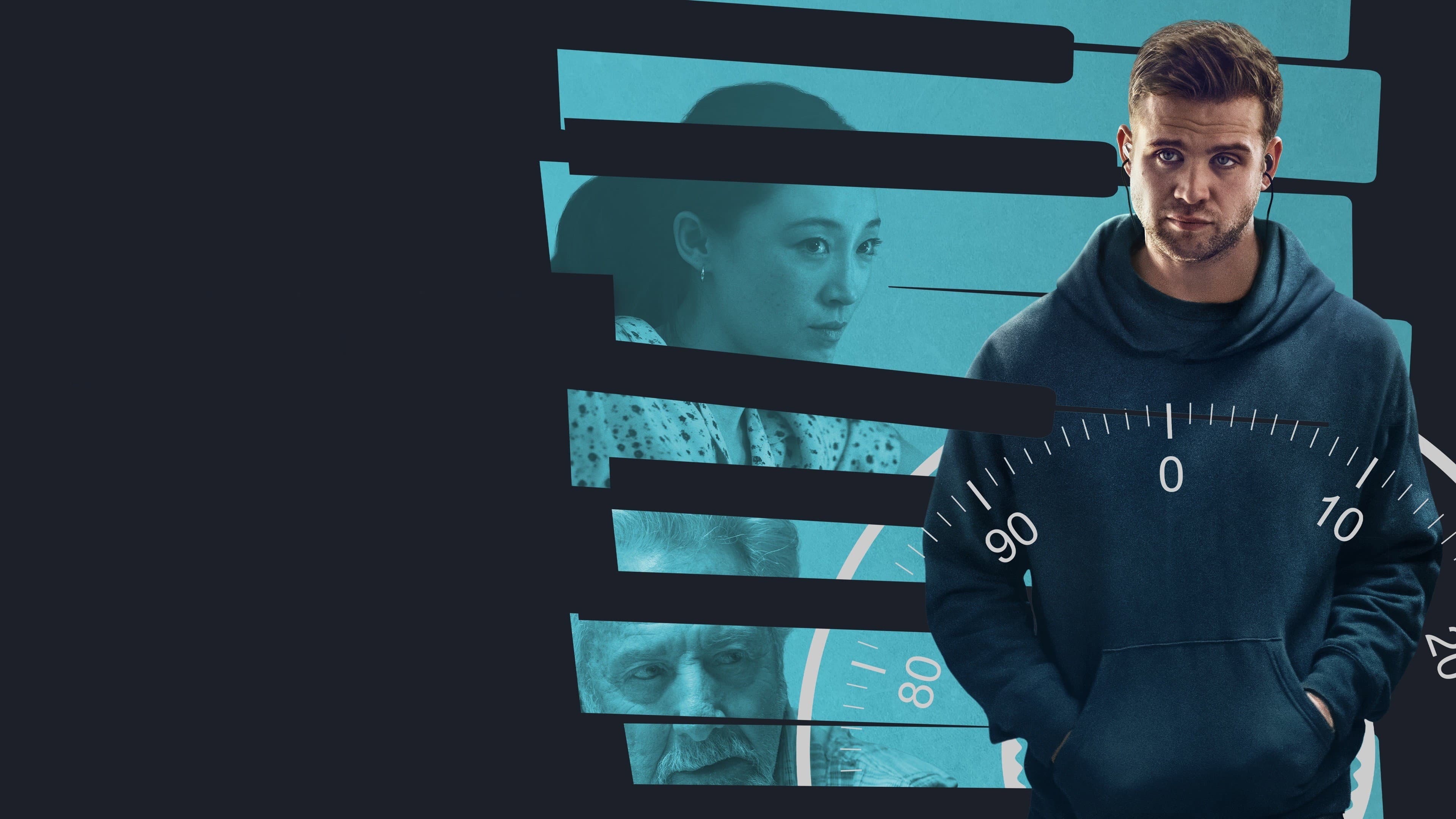
The piano has eighty-eight keys, and Niki White knows every one of them the way a surgeon knows the small bones of a hand. He hears what other people cannot: the microscopic drift of a string gone sour, the faint wobble in an octave that no audience would ever notice but that keeps him awake at night. In Daniel Roher's "Tuner," that gift is both a calling and, eventually, a curse. The film, released in May 2026, takes a premise that could have been a gimmick - a piano tuner who discovers he has a talent for opening safes - and turns it into something far more unsettling from the first reel.
Leo Woodall plays Niki with a quiet, coiled precision. This is a performance built on restraint. Niki listens more than he speaks; his face registers the world the way a tuning fork registers pitch, with tiny adjustments and corrections. Woodall, best known for roles that lean on charm, strips all of that away here. What's left is a man who is very good at one thing and has organized his entire existence around it. The film's early sequences, in which Niki works on instruments in apartments and recital halls across the city, establish his craft with real texture. Roher, working from a script that treats procedure as character, lets us watch the work. The felt wedges, the tuning hammer, the slow coaxing of a string into agreement with its neighbors - it's methodical, patient, and quietly hypnotic.
That patience pays off when the story shifts. Niki is drawn into a world of locks and vaults, and the film makes an elegant, almost musical argument that a safe is just another instrument. Tumblers have tolerances. Mechanisms have resonances. A man who can hear a piano drift a few cents off pitch can hear a lock give up its secrets. Roher stages these sequences with the same unhurried attention he gives the tuning scenes, and the result is a crime thriller that generates tension through fingers and ears rather than car chases. It's a heist movie for people who like watching hands work.
The cast around Woodall is formidable, and the film knows it. Dustin Hoffman appears as Harry Horowitz, a figure whose connection to Niki's world carries weight the film parcels out slowly. Tovah Feldshuh brings a lived-in warmth to Marla Horowitz. Havana Rose Liu's Ruthie Waymon gives the story its emotional counterweight, a presence that keeps Niki from becoming purely a machine. Lior Raz, as Uri, and Jean Reno, as Marius Maissner, fill out a criminal milieu that feels lived-in rather than cartoonish, and the supporting turns from Nissan Sakira, Gil Cohen, and the rest of the ensemble round out a cast Roher deploys with economy.
At 108 minutes, "Tuner" moves with purpose. Roher, who made his name in documentary work before turning to narrative features, brings a documentarian's eye for process and a dramatist's ear for what people don't say. The film is in English and produced within Hollywood, and it carries the confident, polished texture of a studio picture while keeping the offbeat soul of an indie. The critical reception has been strong - a 7.591 rating on TMDb and a 7.2 on IMDb - numbers that suggest audiences are finding the film as pleasurable as the tuning scenes it lingers over.
What lingers most is the metaphor. Niki lives in a world that demands perfect harmony, and the film quietly asks what happens when a person built for precision discovers he has a talent for violation. The piano tuner restores order; the safecracker dismantles it. That the same hands, the same ears, can do both is the film's central provocation, and Roher never oversells it. He lets the idea sit, like a note held a beat too long.
"Tuner" arrives as one of the more distinctive crime dramas of the year, a film about listening in a culture that mostly shouts. It asks its audience to lean in, to pay attention to small sounds, and it rewards that attention. Not bad for a movie about a man and a piano.