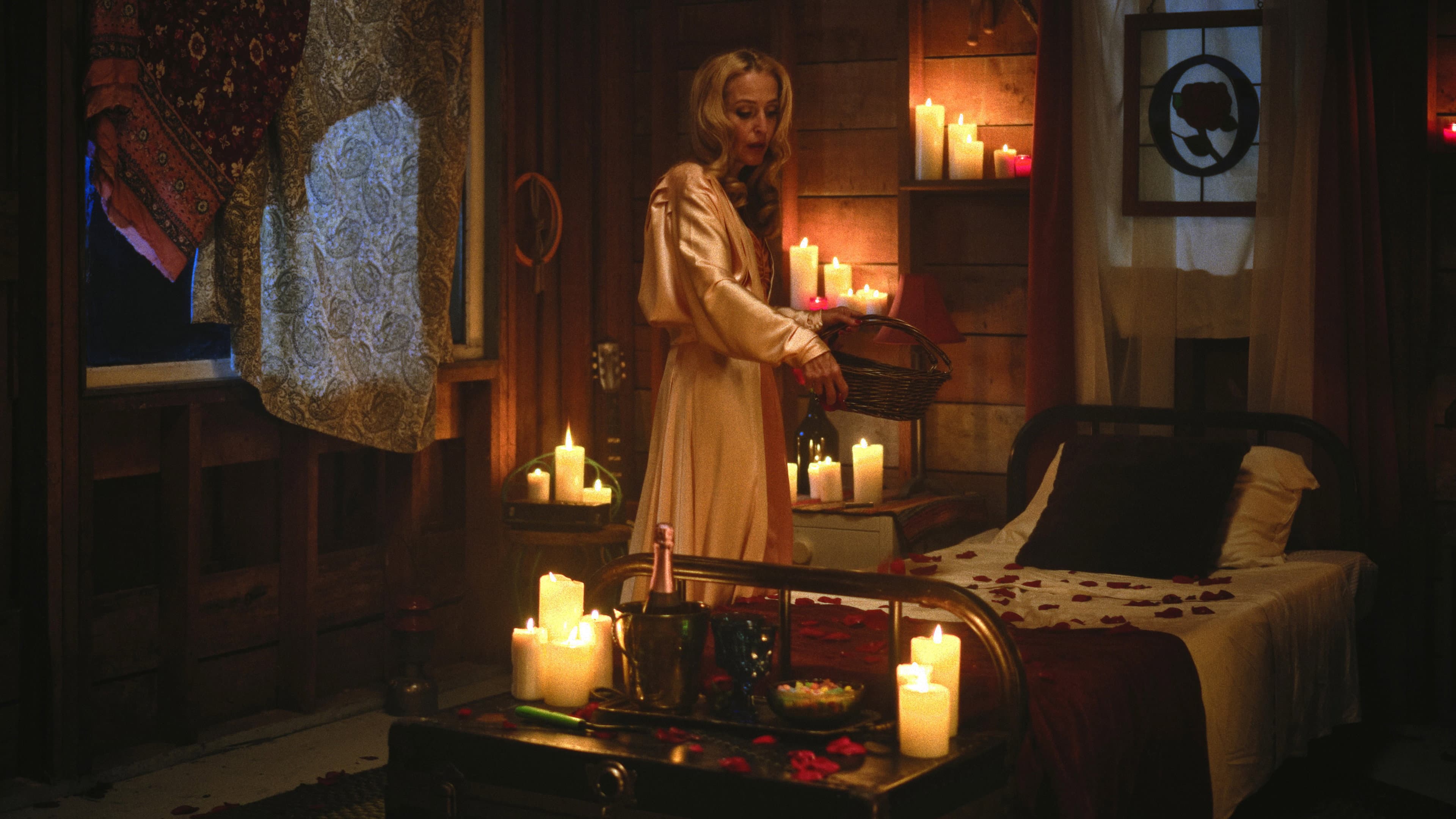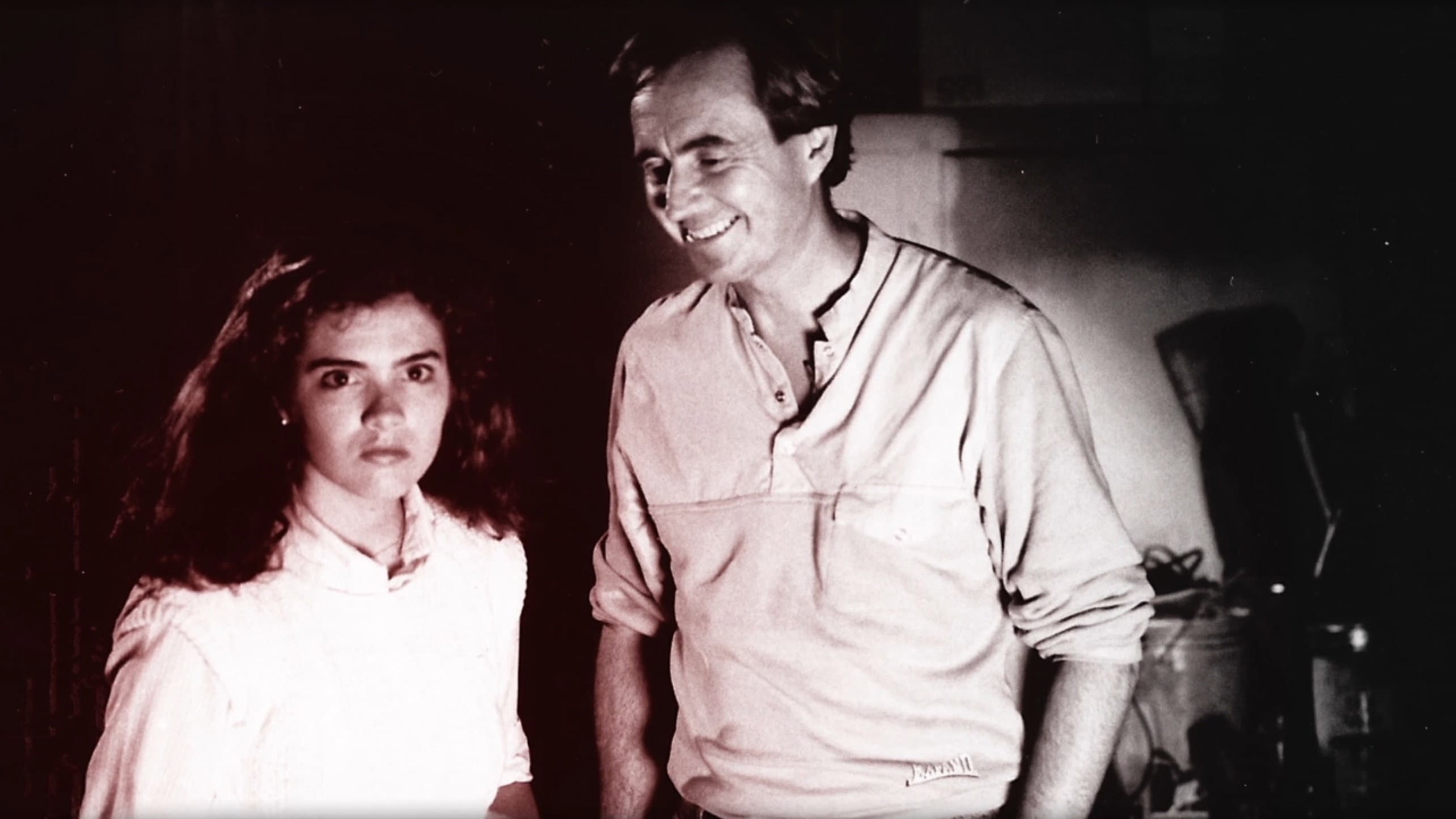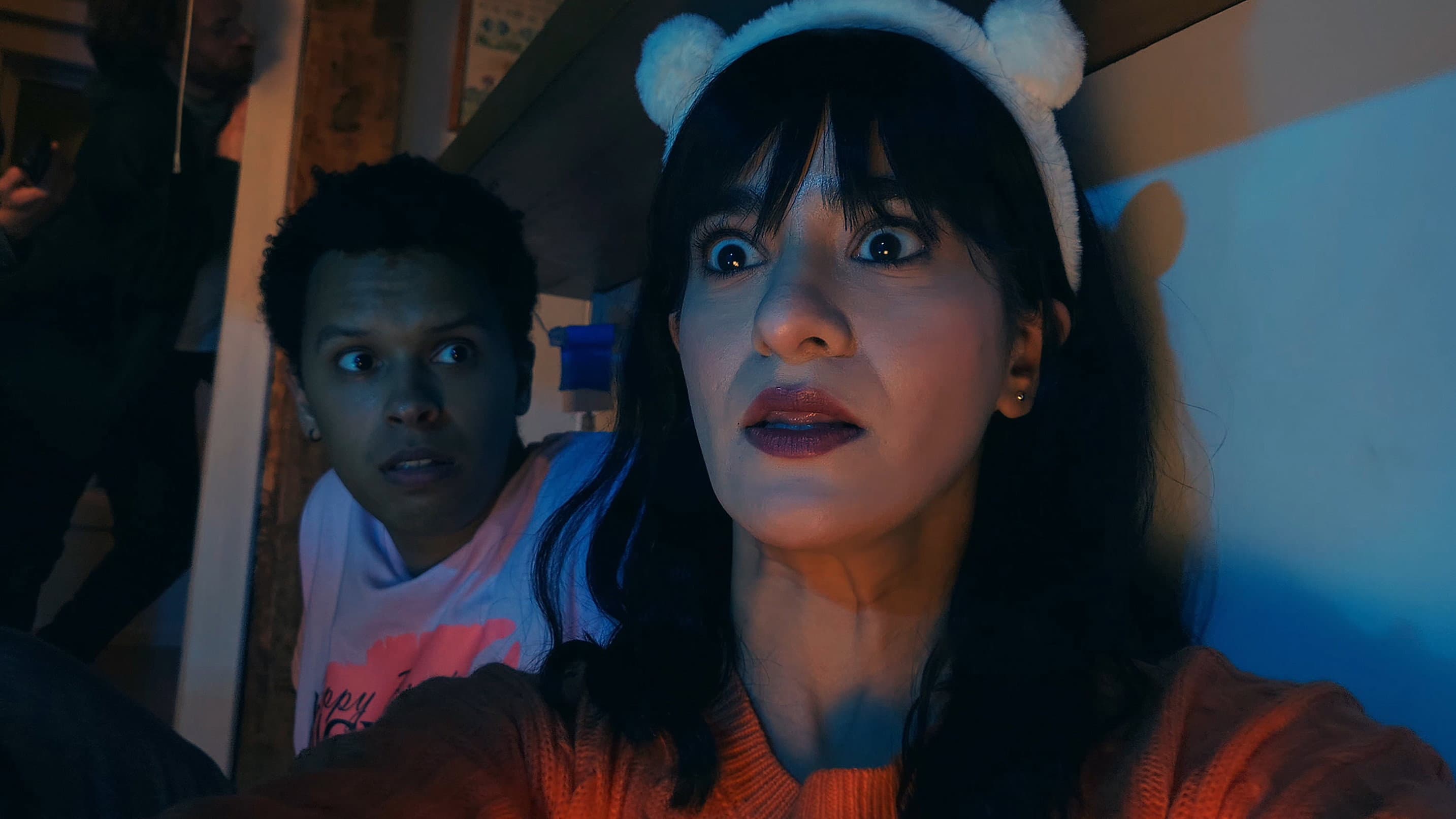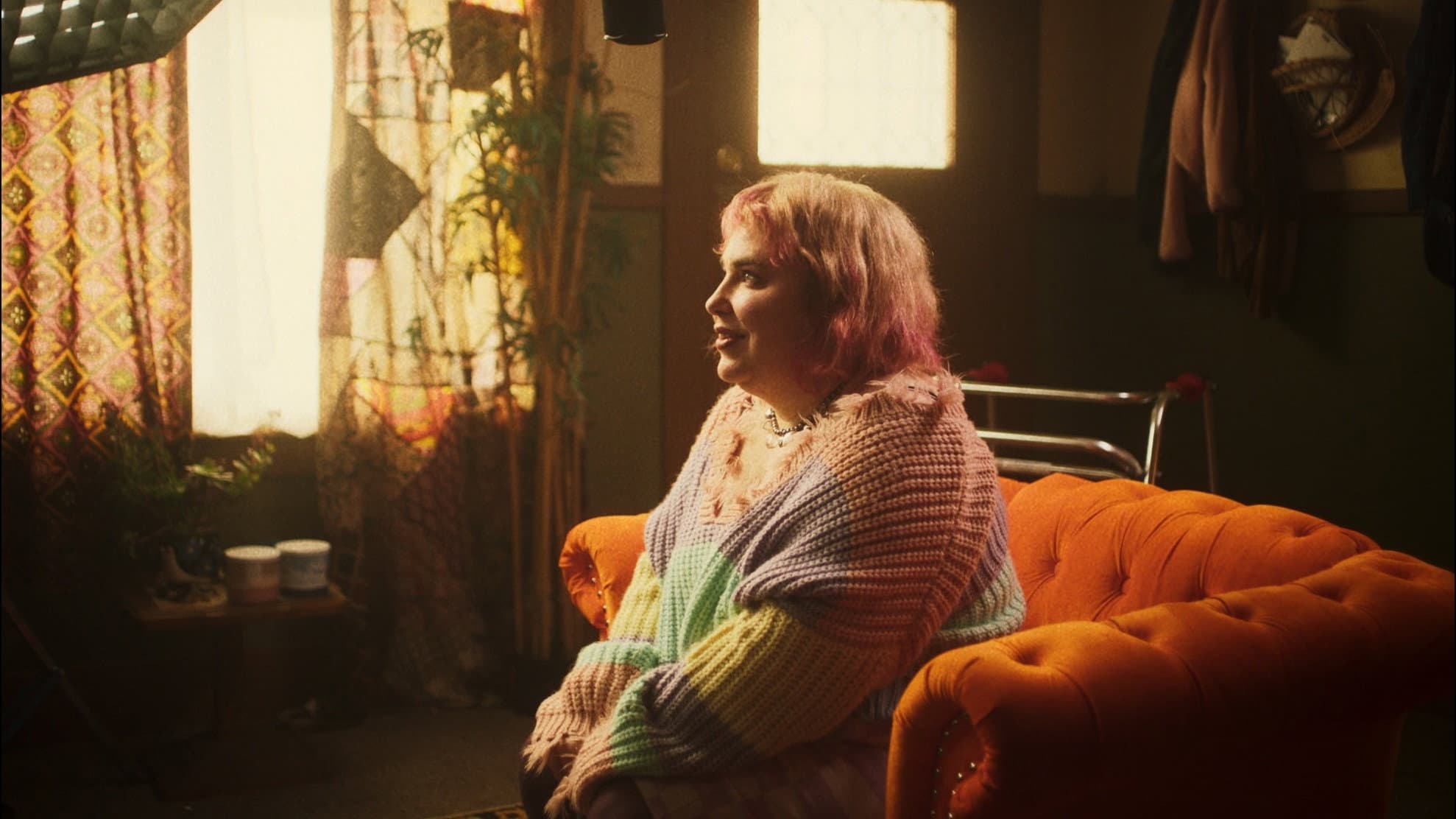
The documentary was supposed to be a testament to resilience, a quiet chronicle of triumph over adversity. Instead, it becomes a pressure cooker of ethical ambiguity and simmering manipulation in “A Fistful of Love,” a new short film from director Paul Stavropoulos that asks a deceptively simple question: at what point does the pursuit of a great story become an act of exploitation? Arriving in theaters and on digital platforms today, August 22, 2026, this tightly wound 19-minute drama is a potent reminder that the most uncomfortable conflicts often unfold far away from the battlefield, in the intimate space between a filmmaker and their subject.
Release Date & Where to Watch
Today is the day. “A Fistful of Love” makes its official debut on August 22, 2026. As a short film with a runtime of just under 20 minutes, its distribution model is refreshingly accessible. The film is rolling out across select arthouse theaters in major metropolitan areas, but for those outside New York and Los Angeles, the digital release is simultaneous. You can find it on all major VOD platforms, including Apple TV, Amazon Prime Video, and Vudu, starting today. It’s also slated to be part of several upcoming festival showcases this fall, so if you prefer the communal experience of a darkened theater, keep an eye on your local independent cinema’s programming schedule. For international audiences, a global streaming release is expected to follow shortly after the initial domestic bow, so mark your calendars.
Cast & Crew
Behind the camera, “A Fistful of Love” is the brainchild of director Paul Stavropoulos, a filmmaker known for his unflinching character studies. Stavropoulos has crafted a work that feels both claustrophobic and expansive, leveraging the 19-minute format like a coiled spring. The script is sharp, but the film truly lives or dies on its performances, and the cast delivers on every front.
Leading the charge is Geoffrey Arend as David, the director at the center of the storm. Arend, known for his work in both comedy and drama, brings a disarming charm to David that makes his moral compromises all the more unsettling. He’s not a villain; he’s a man convinced of his own righteousness, and Arend plays that conviction with unnerving precision. Opposite him is Meaghan Ryan Coates as Mia, the documentary’s subject. Coates delivers a raw, vulnerable performance that grounds the film’s more cerebral ethical debates in tangible human emotion. Her Mia is not a passive participant but a person with agency, making David’s manipulations feel like a genuine power struggle rather than a one-sided pushover.
The catalyst for the plot’s unraveling is Greta, played with wide-eyed intensity by Nadia Alexander. Alexander, a rising star, portrays the intern whose suspicions turn the set upside down. She embodies a generation’s skepticism toward institutional authority, and her chemistry with Arend crackles with tension. Rounding out the principal cast is Greg Karpinski as the Cameraman, a silent observer whose presence through the lens serves as a constant reminder of the voyeuristic nature of the entire enterprise. Together, this quartet creates a palpable sense of unease that never lets up.
Story & What to Expect
The premise is deceptively simple. We are dropped onto the set of a documentary focusing on Mia, a young woman navigating life with a disability. The crew, led by the experienced David, is filming a series of intimate interviews. The mood is professional, almost reverent. But when Greta, the new intern, begins to scrutinize David’s methods more closely, she notices a pattern. Between takes, in the quiet moments, David seems to be pushing Mia toward more emotionally charged responses. He nudges, he guides, he subtly reframes her own stories to fit a more dramatic, marketable narrative arc.
What follows isn’t a loud confrontation but a slow, chilling realization. Greta’s suspicions are not founded on any single smoking gun but on a hundred small details - a lead-in question that’s too suggestive, a pause that’s too long, a reaction that's too perfect. “A Fistful of Love” is a masterclass in dramatic irony; we, like Greta, begin to see the strings David is pulling, and we wait with bated breath to see if anyone will call him out on it.
Expect a film that is all subtext. The 19-minute runtime is used with economical precision. There are no sprawling subplots, only the insular world of the film set. The tension is built through loaded silences, subtle glances, and the hum of the camera equipment. Stavropoulos and his editor have crafted a rhythm that mimics the process of filmmaking itself - the stops, the starts, the retakes - until the audience feels the same exhaustion and frustration as Mia. This is not a fast-paced thriller, but a slow-burn drama that worms its way under your skin. The title, “A Fistful of Love,” hangs over the entire proceedings with bitter irony, suggesting a love that is possessive, controlling, and ultimately, a tool of coercion rather than compassion.
Why It's Worth Watching
In an era of bloated runtimes and spectacle-driven blockbusters, “A Fistful of Love” is a welcome antidote. It’s a compact, self-contained story that respects the audience’s intelligence, trusting them to read between the lines. It’s a must-watch for anyone with an interest in filmmaking itself, as it functions as a disturbing meta-commentary on the ethics of documentary practice. The question it poses - is the end product worth the human cost? - is not a new one, but it’s rarely been examined with such succinct and unnerving clarity.
Moreover, the film serves as an excellent showcase for its cast. Arend is a revelation in a dramatic role that feels like a departure from his more comedic work, delivering a performance that is both charming and deeply sinister. Coates anchors the film with a profound sense of authenticity, and Alexander rounds out the trio with a performance of gathering storm clouds. The script, combined with Stavropoulos’s taut direction, creates a pressure-cooker atmosphere that is impossible to shake off long after the final credits roll. While its current TMDb rating sits at a blank slate, that’s the beauty of opening day - it’s an unexplored frontier. For those who appreciate cinema as a medium for difficult questions, and who value storytelling that is lean, mean, and unflinchingly honest, “A Fistful of Love” is not just a good use of 19 minutes; it’s one of the most thought-provoking shorts you’ll see this year.