
The horror genre has always been guided by a select few visionaries who understood that the darkest terrors are the ones we carry inside ourselves, and few filmmakers embodied that truth quite like Wes Craven. As the master of nightmares who redefined slashers twice over, from the brutal grit of The Last House on the Left to the self-aware genius of Scream, Craven left an indelible mark on cinema before his passing in 2015. Now, on the anniversary of his birth, a new documentary seeks to pull back the curtain on the man behind the monsters. Directed by genre journalist and historian Heather Wixson, Remembering Wes Craven: His Life, Legacy and Nightmares arrives as a feature-length, 108-minute tribute that promises to be as intimate as it is comprehensive. This is not merely a retrospective of scares; it is a portrait of a complicated, fiercely intelligent artist who happened to make the world scream for a living.
Release Date & Where to Watch
Mark your calendars for September 7, 2026, a date chosen with pointed significance as it aligns with what would have been Craven’s 87th birthday. The documentary receives a theatrical rollout in select major markets before expanding to VOD platforms and digital rental services the following week. While an official streaming home has yet to be formally announced at the time of writing, industry insiders indicate that a major horror-centric platform has already secured the exclusive post-theatrical window, so genre fans who prefer to watch from their living rooms won’t have to wait long. Given the film’s Hollywood pedigree and its 108-minute runtime, this is a theatrical experience designed for audiences to sit in the dark, together, and remember the man who taught us to check the closet. For those eager to catch it on the big screen, opening night showings in Los Angeles, New York, and Austin will be followed by Q&A sessions with director Wixson and several of the film’s participants.
Cast & Crew
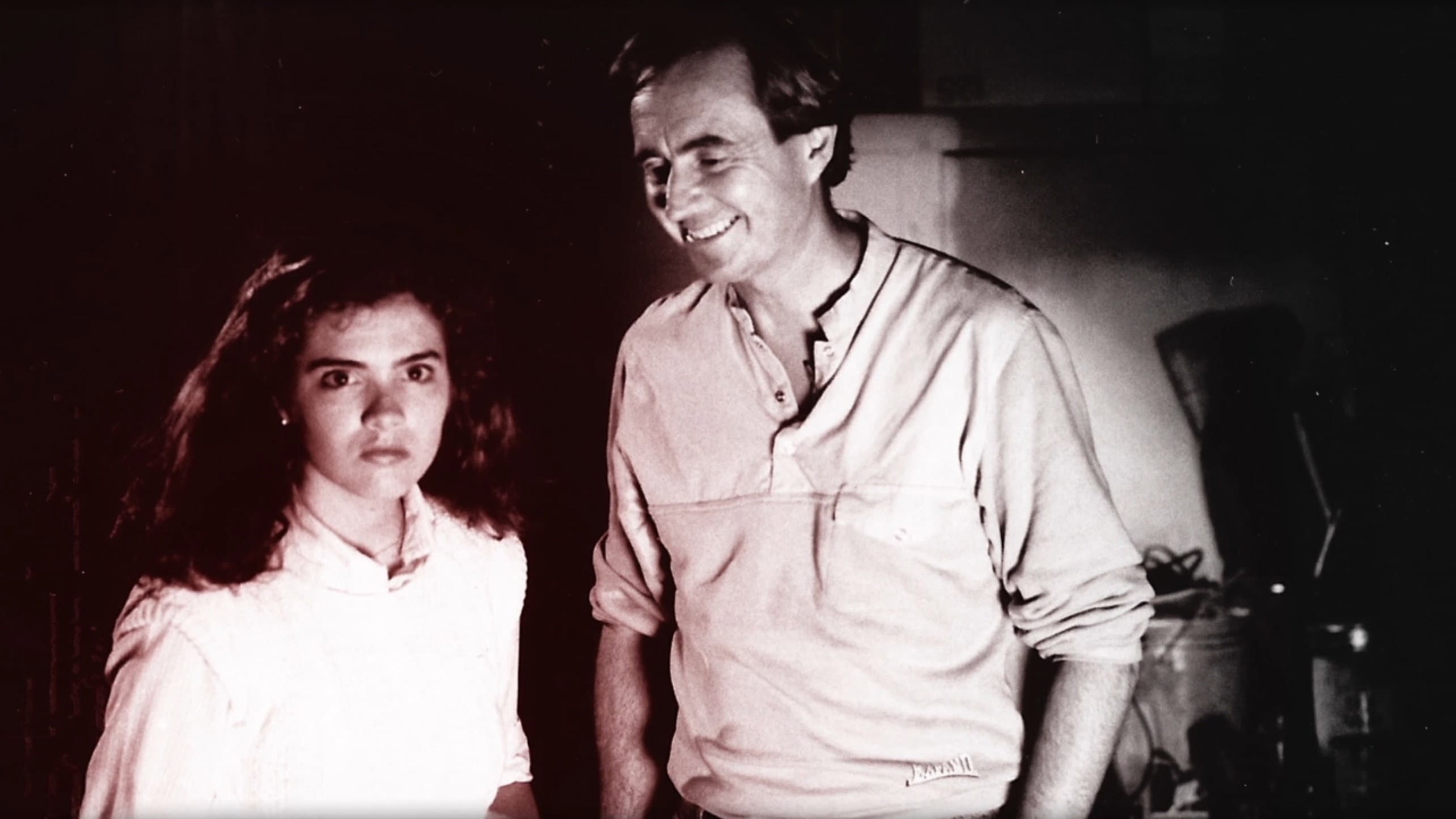
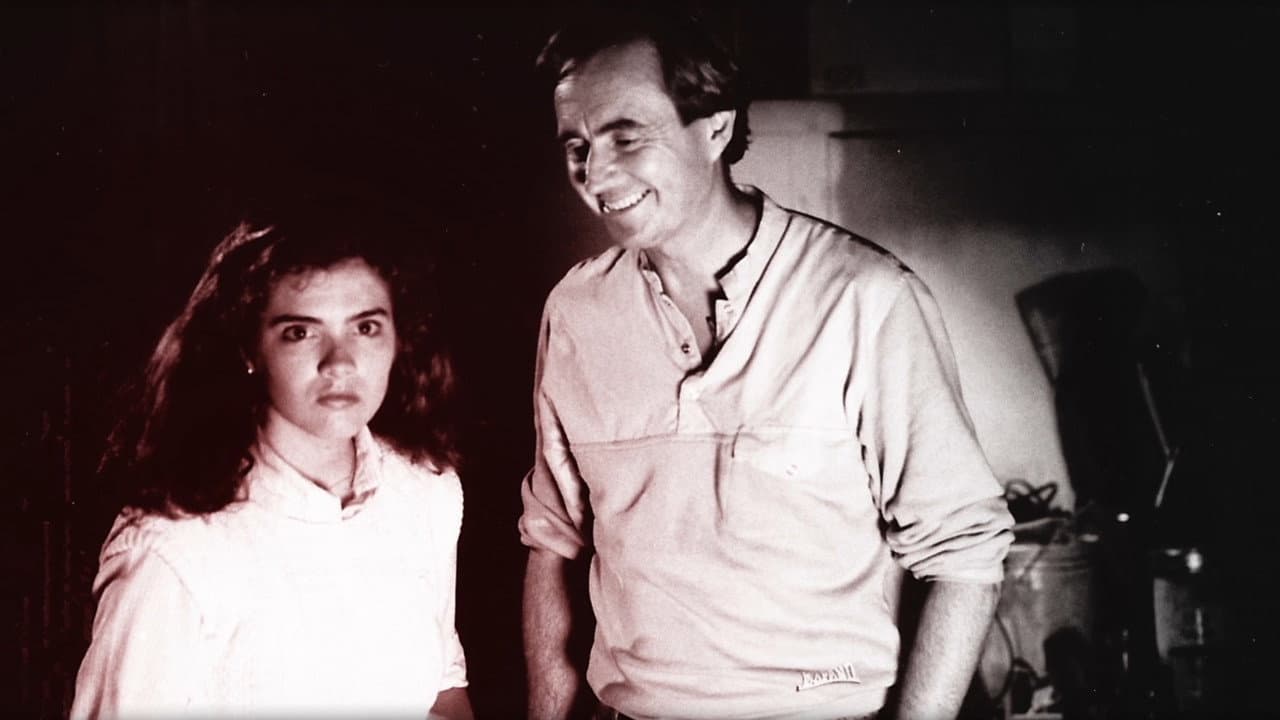
At the helm is Heather Wixson, a name well known to horror aficionados for her decades of journalism and her tenure as managing editor of Daily Dead. Her directorial feature debut is less a standard biography and more a gathering of old friends around a campfire, swapping tales of a man they loved and fearfully respected. Wixson has assembled an impressive roster of Craven’s closest collaborators, all of whom appear as themselves - and all of whom speak with the kind of candid warmth that only comes from shared history. Leading the charge is Heather Langenkamp, who portrayed Nancy Thompson in A Nightmare on Elm Street. Langenkamp has long served as the emotional anchor of Craven’s legacy, and her interviews here are said to be deeply personal, touching on her mentor’s protective nature and his frustration with being pigeonholed as just a horror director. Joining her is Adrienne Barbeau, who starred in the cult favorite The People Under the Stairs, and Michael Berryman, whose unforgettable face and performance in The Hills Have Eyes made him a genre icon. On the technical side, editor Patrick Lussier, who worked as Craven’s editor on Dracula 2000 and later directed My Bloody Valentine 3D, offers a rare behind-the-scenes perspective on Craven’s precise - and occasionally maddening - editing process. The film also incorporates archival interview footage of producer Robert Shaye, the founder of New Line Cinema, who took a gamble on a then-unknown 28-year-old actress and a burned-out horror director to make Elm Street. Shaye’s recollections ground the documentary in the gritty realities of 1980s independent filmmaking.
Story & What to Expect
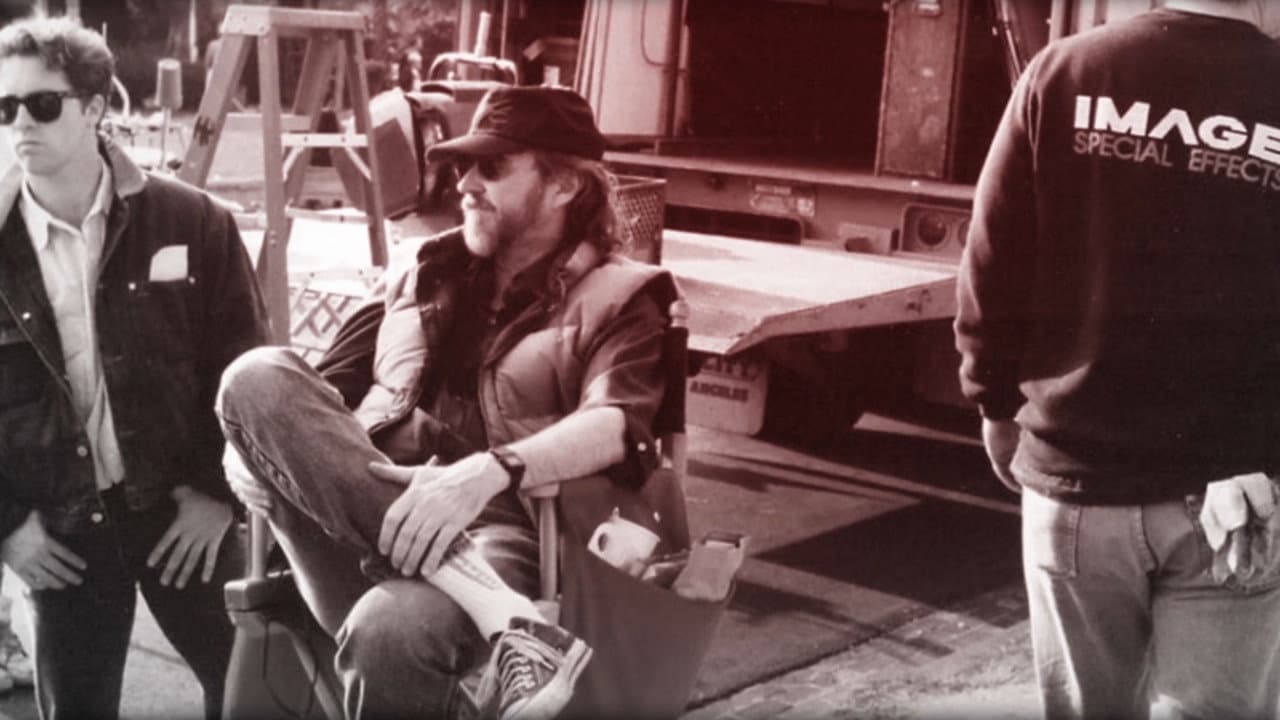
Remembering Wes Craven does not follow the tired, linear talking-head format. Instead, Wixson structures her piece thematically, weaving through the director’s life from his strict Baptist upbringing in Cleveland to his time as a humanities professor, a period that profoundly shaped his view of storytelling as moral instruction. The documentary opens with an examination of his early exploitation work, acknowledging the raw, unpolished anger of Last House on the Left while contextualizing it as the product of a man haunted by Vietnam-era anxieties. The middle section dives deep into the creation of Freddy Krueger, deconstructing how Craven merged childhood trauma with the then-nascent slasher formula to craft a villain who was more than just a body count. The real treasure here, though, lies in the footage of Craven himself - archival interviews, behind-the-scenes home movies, and audio recordings from his later years, many of which have never been publicly screened. Wixson’s approach is to let Craven speak for himself as often as possible, using her contemporaries as interpretive guides rather than talking over the man’s own words. The latter half pivots to his career resurgence with Scream, exploring how a director in his mid-fifties reinvented the genre he had helped birth by deconstructing its rules. The tone remains respectful but never saccharine; expect honest discussion of his difficult relationship with certain studios and his occasional creative misfires, particularly in the late 1990s. The documentary concludes by examining his late-life resurgence in the 2005 film Red Eye, framing it not as a final bow, but as evidence that his intellectual curiosity never waned.
Why It's Worth Watching
For anyone who has ever flinched at a creaking floorboard or slept with one eye open after a marathon of frights, this documentary is essential viewing. But even for casual film fans, Remembering Wes Craven offers a masterclass in how one artist’s personal demons can be alchemized into universal art. Wixson’s intimacy with the subject matter is palpable; she isn’t a detached historian but a fan who knew her subject, and that passion translates into a film that feels less like an obituary and more like a reunion. The contributions from Barbeau and Berryman are particularly poignant, as they speak not with the polished cadence of PR-trained actors but with the raw affection of people who remember Craven’s kindness during difficult shoots. Langenkamp’s segments carry genuine weight; she has spent decades as the face of his most famous creation, and her reflections on how Craven touched her life offer a glimpse into the director’s gentle, paternal side - a stark contrast to the twisted imagination displayed on screen. There is also tremendous value in the archival Shaye material, which chronicles the unlikely partnership between a maverick producer and an outcast director who together built a horror empire on a shoestring budget. In a cinematic landscape saturated with cheap nostalgia and hollow remakes, Remembering Wes Craven stands as a sincere, meticulously crafted tribute to the man who proved that nightmares could be intelligent, subversive, and even fun. As the credits roll, you won’t just remember Wes Craven - you’ll understand why he mattered, and why his shadow will loom over the genre for decades to come.