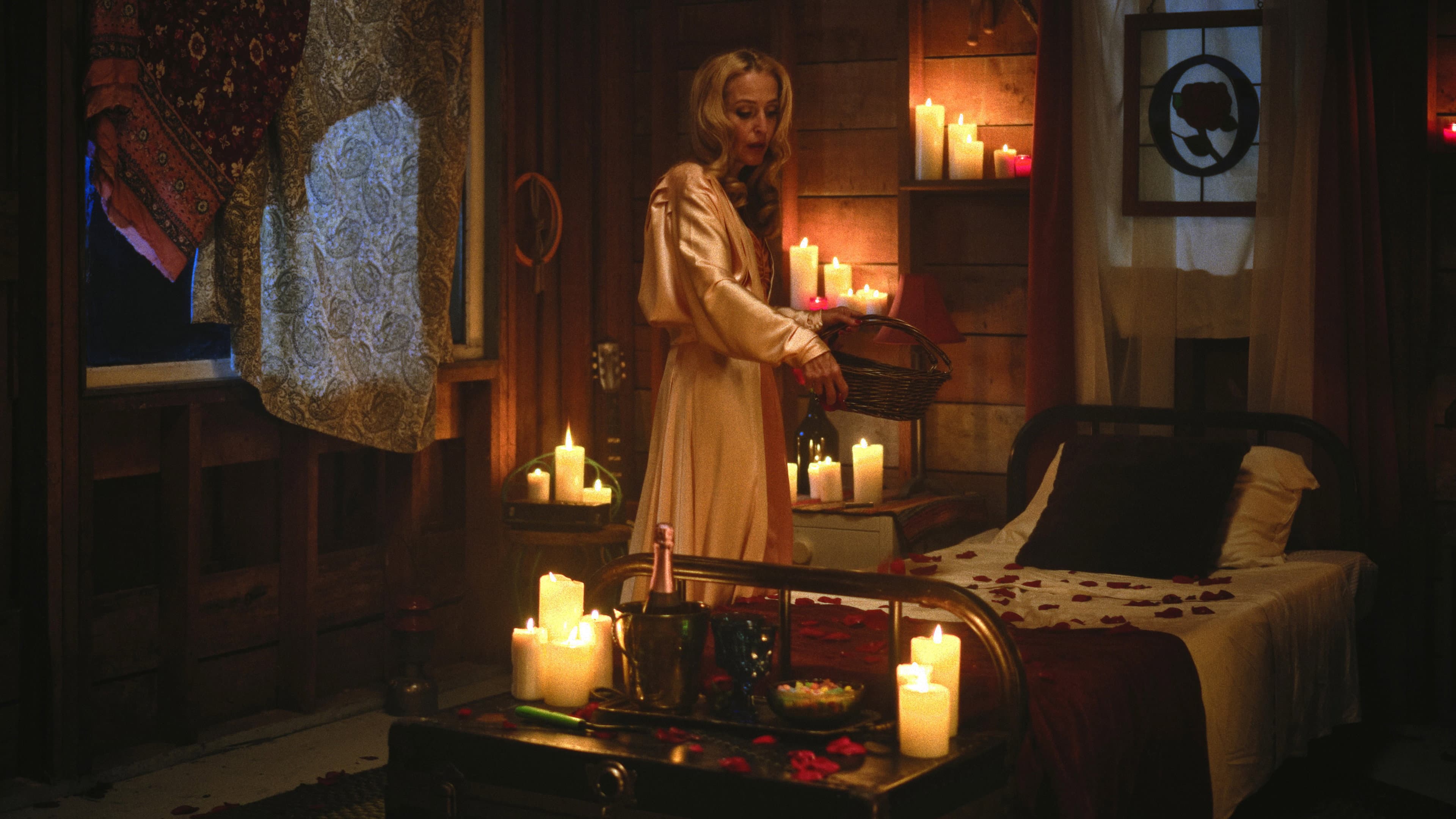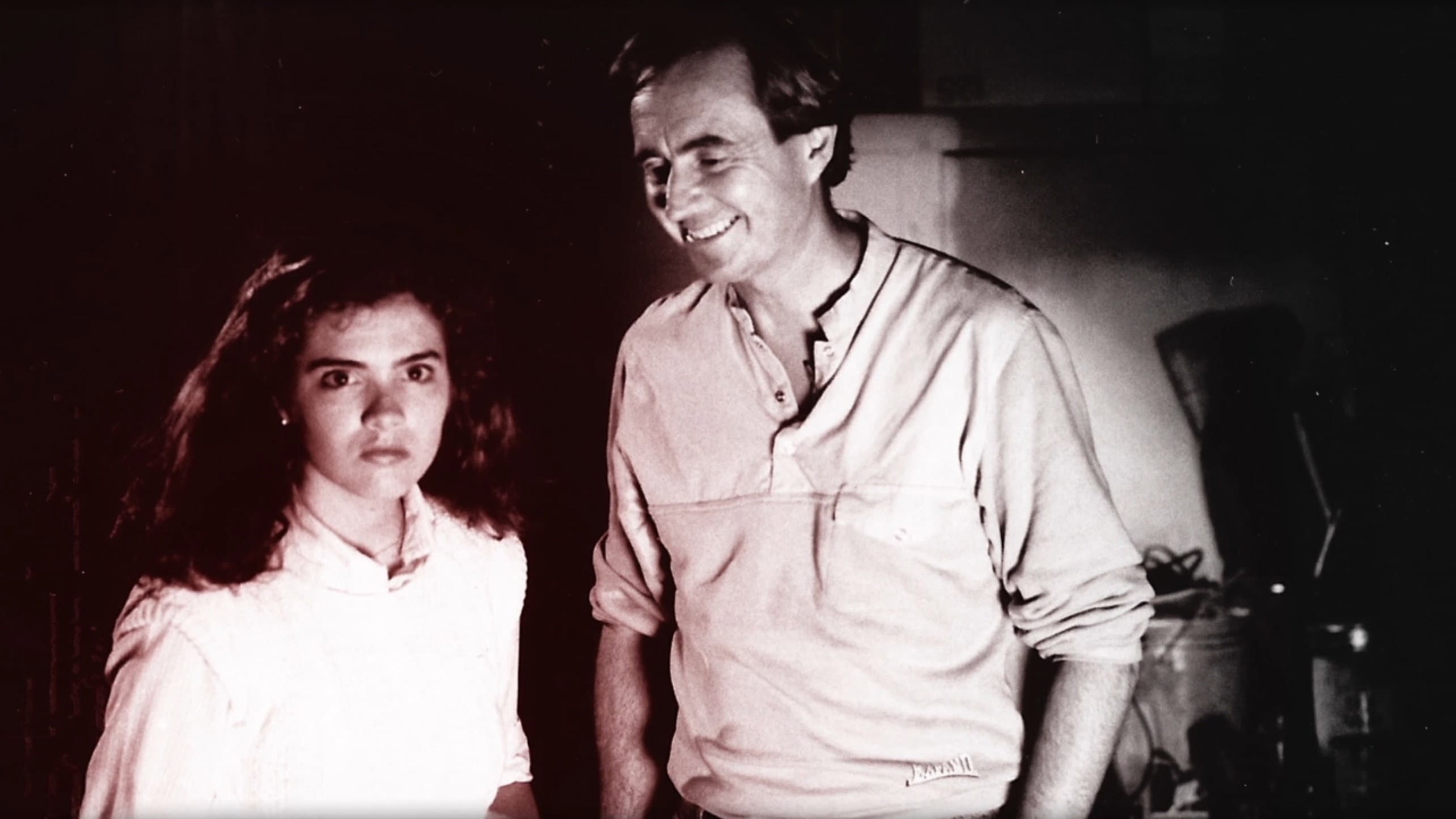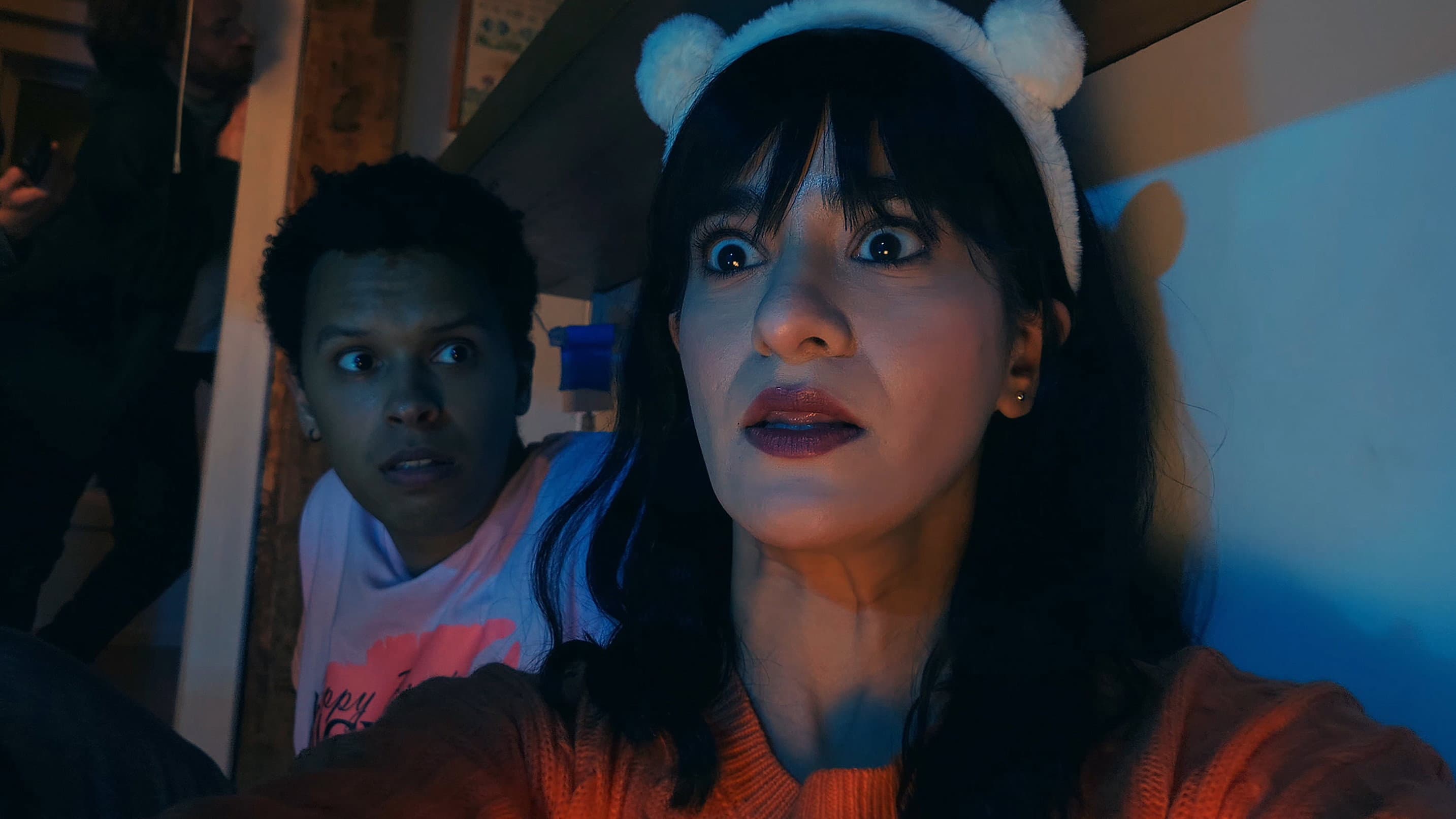
It’s a bold gamble to open a film with the most famous triumph in human history and pivot it into a cosmic horror story, but that is precisely the unsettling alchemy at the heart of Fear The Lamb. Arriving in select theaters and on digital platforms today, August 30, 2026, this seven-minute short from director Boston B. is not your Sunday school rendition of the resurrection. It is a tightly wound, psychological duel set in the immediate, terrifying aftermath of the empty tomb, and it is already generating the kind of hushed, urgent word-of-mouth that festival programmers live for.
Distributed under the Hollywood banner, Fear The Lamb is a compact piece of cinema that punches far above its runtime. You won’t need to carve out an evening for this one; it’s a sharp, potent shot of theological dread designed to be consumed in a single sitting. For those eager to catch it on opening day, the film is available through major VOD platforms and is also screening in a handful of arthouse venues in Los Angeles and New York. Given its brevity, it is likely to be paired with a feature-length documentary or a curated short-film block, so check local listings for showtimes. For the rest of the country, a streaming rental is the most straightforward path, and at just seven minutes, it is perfectly suited for a late-night viewing when you want something that lingers long after the credits roll.
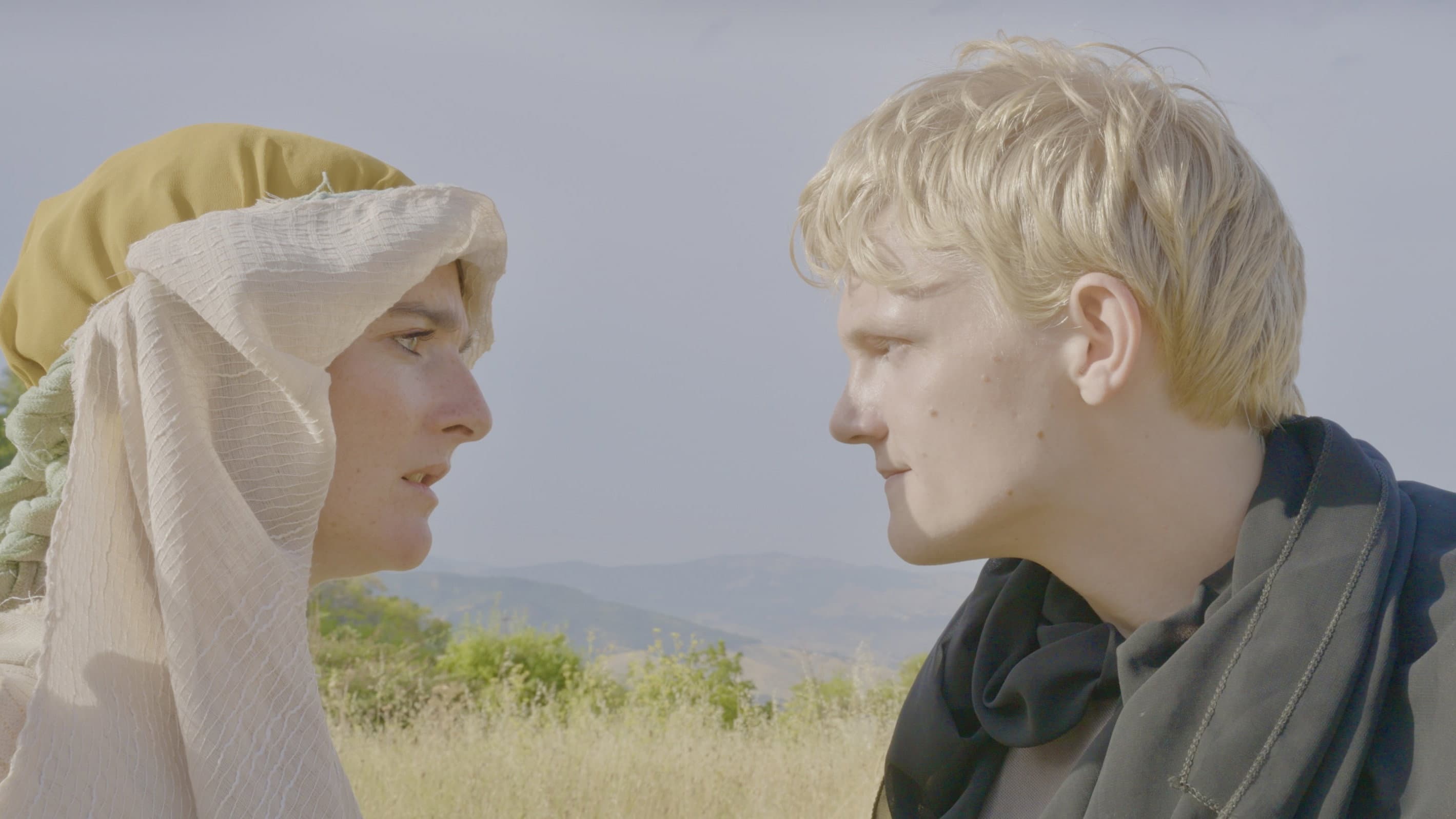
The creative team behind this micro-epic is small but fiercely distinctive. At the helm is Boston B., a director known for a meticulous, almost painterly visual style that belies the film’s minimal scale. The true gravitational pull, however, is the casting of Love Fogelqvist as The Deceiver. Fogelqvist, who has built a reputation for playing unnervingly calm antagonists, delivers a performance that is less a snarling devil and more a weary, calculating CEO of misery. He is matched by Aisling Lenti as Mother Mary, whose portrayal is stripped of saccharine piety, replaced instead with a quiet, steely grief that has just begun to crack into something like awe. The supporting trio - Maria Elena Lasaracina as Envy, Renata Lorenzi as Wrath, and Lucero Abbate as Sloth - are not mere cameos; they function as a Greek chorus of personified sin, each offering a distinct flavor of despair as they circle their master like hungry sharks. Their interactions are clipped and tense, giving the film a theatrical intensity that feels both ancient and startlingly modern.
The premise is deceptively simple. The Son of Man has suffered, been rejected by the elders and chief priests, killed, and rose after three days. For the world, this is good news, a cosmic victory over death itself. But for the father of lies, the news is catastrophic. The short opens not with the resurrection, but with the moment the adversary learns of it. He descends to the garden, not to gloat, but to verify. The story unfolds as a grim procedural, a fact-finding mission where every piece of evidence - the rolled-away stone, the folded linen cloths - hammers another nail into the Deceiver’s own coffin. What follows is not a war of swords but a war of philosophies. The Deceiver, accompanied by his unholy trio of vices, interrogates a reeling Mother Mary, trying to find a loophole, a thread of doubt, or a logical fallacy in the fabric of the event.
Do not expect action sequences or divine lightning bolts. The conflict here is entirely internal, a battle for the soul of meaning itself. The film’s power lies in its restraint; Boston B. uses silence and shadows where a lesser filmmaker would use explosions. The historical genre label is apt, as the production design grounds the story in a tangible, dusty first-century reality, but the psychological tension is pure modern thriller. The brief runtime forces a brutal economy of storytelling. Every glance, every pause, every tremor in Fogelqvist’s voice carries weight. The soundtrack, a low droning cello and discordant chimes, builds an atmosphere of suffocating anxiety. This is not a film about faith triumphant; it is about the horror of a plan unraveling, the dawning realization in the antagonist’s mind that his entire existence has been a futile rebellion against an immutable truth.
So, is it worth your seven minutes? Unequivocally, yes. In an era of bloated, three-hour epics, Fear The Lamb proves that brevity can be a vessel for profundity. It is a daring piece of counter-programming that treats its source material with intellectual rigor and dramatic fearlessness. It doesn't preach; it prods. The film’s greatest achievement is making you feel the weight of the resurrection from the perspective of the one being defeated by it. Fogelqvist’s final, quiet moment of realization is a masterclass in acting - a slow, internal collapse that is far more frightening than any special effect. For cinephiles who appreciate bold, philosophical genre exercises, and for anyone who has ever wondered about the collateral damage of victory, Fear The Lamb is an essential, haunting watch. It is a small film with a massive, eternal echo, and it solidifies Boston B. as a director to watch closely. Don’t blink; you’ll miss it, but you won’t forget it.