The year’s most unsettling short film doesn’t arrive with a festival pedigree or a star-studded trailer. It arrives quietly, almost like a rumor, on a Saturday in the middle of August. Midnight Neon, the new 9-minute thriller from director Charlie Milne, is a compact, feverish piece of cinema that feels less like a movie and more like a transmission from a place you should not visit alone at night. And it lands today, August 15, 2026, with no fanfare - just a promise that your comfort zone is about to be challenged.
Release Date & Where to Watch
Midnight Neon officially releases today, August 15, 2026. As of this writing, the film is available exclusively through the CinePulse streaming platform, which has carved a niche for itself by championing experimental short-form work that larger distributors often overlook. There’s no theatrical rollout planned, no limited engagement in arthouse theaters - just a straight-to-digital drop, which suits the material’s claustrophobic, almost voyeuristic energy. If you’re in the US, you can find it on CinePulse’s “New Releases” row, sandwiched between a documentary about deep-sea mining and a romantic comedy you will have forgotten by Tuesday. That’s fitting, really. Midnight Neon is not the kind of film that wants to be the center of attention. It wants to sit in the periphery, where its shadows can do their work.
Cast & Crew
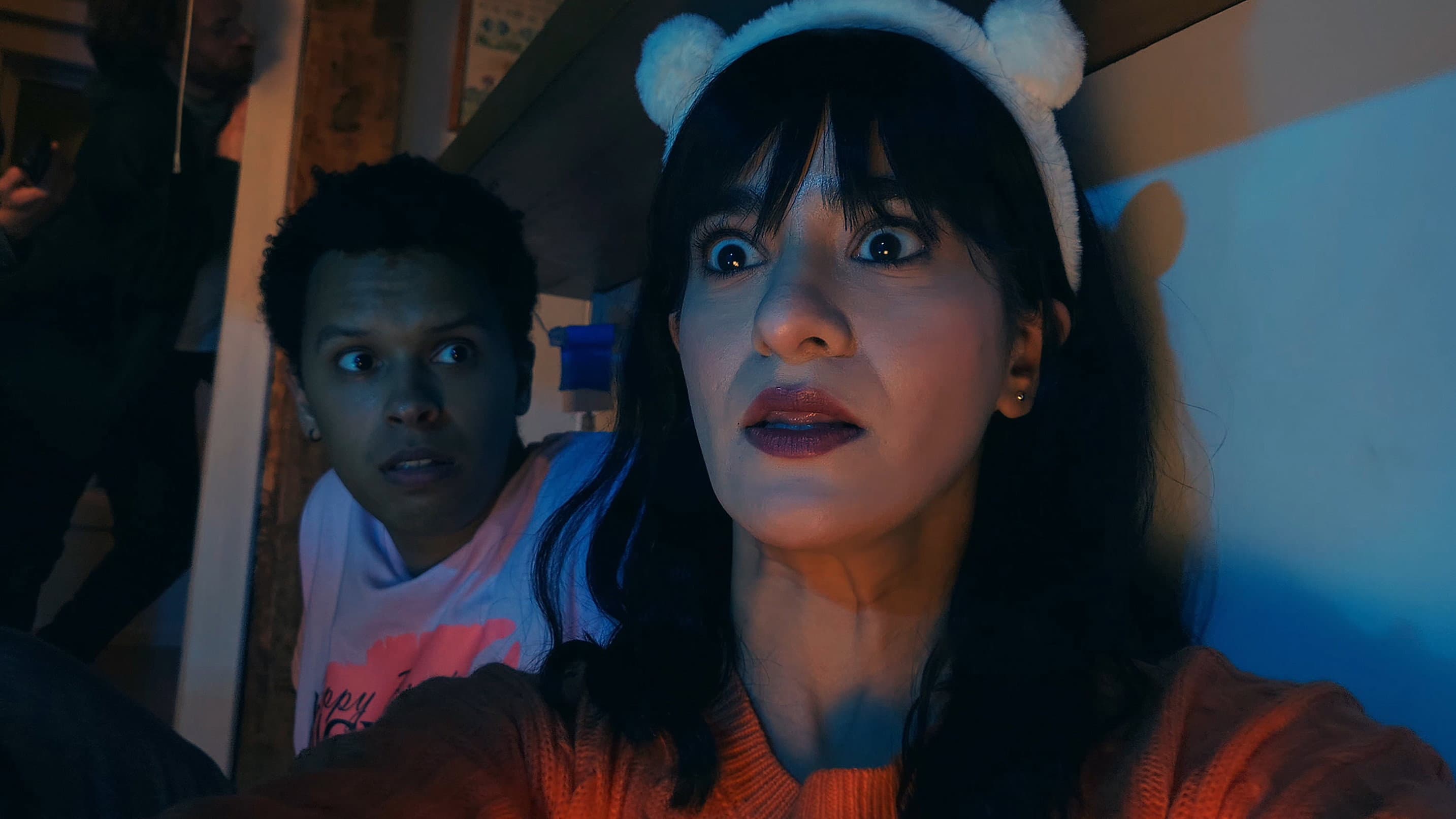
The film is anchored by a performance from Vincent Aydon, who plays The Protagonist - a name that is both a descriptor and a trap. Aydon, who has previously toiled in small supporting roles and off-Broadway productions, is a revelation here. He carries the entire 9-minute runtime with a jittery, sunken-eyed physicality that never tips into melodrama. His face, often lit in sickly green and violet neon, becomes a map of indecision. Opposite him, Merista Quetzal plays Eve, a figure who materializes in his orbit with the unsettling calm of someone who already knows how the story ends. Quetzal has limited screen time, but she makes every second count, delivering her lines with a deliberate, almost hypnotic cadence.
The supporting cast is lean but effective. Ryan Johnson appears briefly as a Studio executive, a brief cameo that carries more weight than its screen time suggests - a cold, transactional figure who embodies the corrosive cost of creative compromise. Stephen Longley rounds out the cast as a Cult member, and his few moments on screen are genuinely unnerving, his stillness contradicting the chaos around him.
Behind the camera, director Charlie Milne is the clear auteur. Milne, known for previous micro-shorts that blur the line between psychological drama and genre horror, wrote and directed this piece with a ferocious control. The cinematography, credited to Milne’s usual collaborator under the pseudonym “L. Voss,” uses the titular neon not as decoration but as a weapon. The score, an eerie synth pulse composed by Milne himself, feels like a heartbeat that occasionally skips a beat.
Story & What to Expect
The plot is deceptively simple on paper. A writer, unnamed, is searching for purpose and direction. He is stuck, professionally and personally, adrift in a version of Los Angeles that feels like a fever dream. Then, he falls into a world of organised darkness. That phrase, “organised darkness,” is precise - this is not a random descent into madness, but a structured, deliberate pull into a subculture that has rules, hierarchies, and aesthetics that feel both archaic and hyper-modern.
As his reality begins to deteriorate, the writer questions the choices that led him to despair. The film oscillates between moments of brutal clarity and hallucinatory disorientation. Milne employs a non-linear editing style that forces you to piece together the chronology like shards of a broken mirror. One moment, Aydon is sitting at a diner counter, nursing a cold cup of coffee; the next, he’s in a windowless basement where the walls seem to breathe. The 9-minute runtime is an asset, not a limitation. There’s no time for exposition, no hand-holding. The film trusts you to keep up.
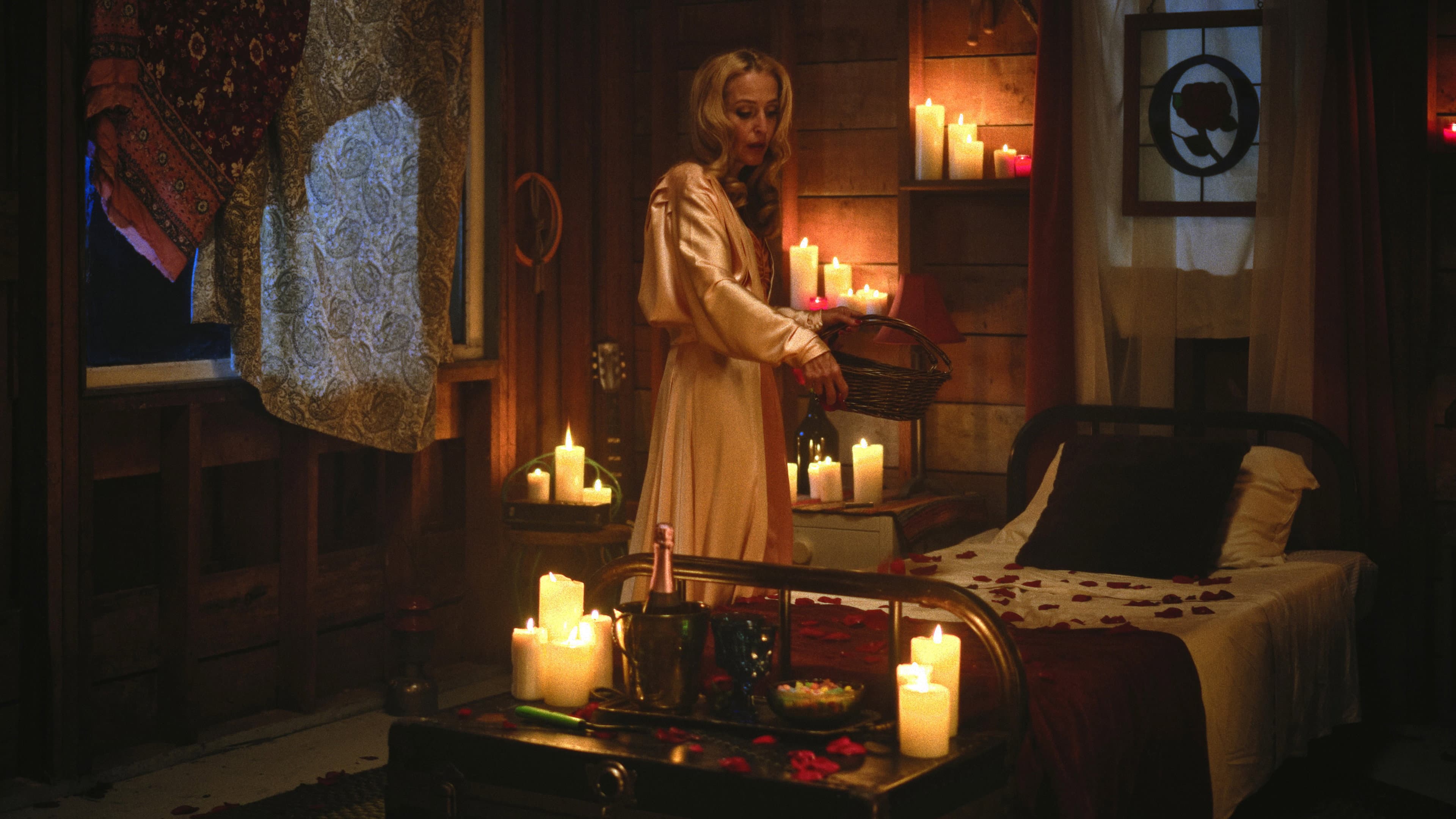
Expect a deliberate, oppressive atmosphere. Dialogue is sparse, often cryptic. The “Cult member” played by Longley mutters something that sounds like a proverb, but the film doesn’t pause to translate it for you. The set design favors liminal spaces - empty parking garages, hallway corners, a bar that looks like it’s been closed for years but still pours drinks. The neon glow is everywhere: a constant reminder that this world runs on artificial light, masking whatever is hiding in the dark.
Why It's Worth Watching
In an era where short films are often treated as calling cards for a feature-length pitch, Midnight Neon feels refreshingly complete. It doesn’t beg for a sequel or a extended universe. It tells you a story, rattles your cage, and gets out before overstaying its welcome. That self-contained ambition is its greatest strength.
Watching it, you get the sense that director Charlie Milne is less interested in explaining his narrative than in making you feel it. The film is a mood piece, a study of paralysis and surrender. The writer doesn’t just lose his grip on sanity; he willingly loosens it, one finger at a time. Aydon’s performance, especially in the final two minutes, is a masterclass in quiet devastation. There’s a scene - no spoilers - where he laughs at a question no one asked, and the sound is so hollow, so devoid of mirth, that it lingered in my head for hours after the credits rolled.
For fans of arthouse thrillers like Enemy or Under the Silver Lake, Midnight Neon will feel like a familiar, if more compressed, descent. It’s not an easy watch, and it doesn’t pretend to offer answers. But if you’re willing to surrender to its unsettling rhythm, it rewards you with a singular, unforgettable experience. At only nine minutes, it’s a low-stakes gamble with a high-intellectual payoff. Pull up a chair, turn off the lights, and let the neon do its work. Just don’t be surprised if you glance over your shoulder on the way out.