The house sits at the end of a long, wet lane somewhere in rural Wales, and it makes a very particular sound. Old timber settles. Rain drums on slate. And somewhere beneath the floorboards, or so the film would have you believe, something older than the building itself is listening. That is the premise Bryn Chainey builds on in "Rabbit Trap," a chamber piece in the guise of a folk horror story, which arrived in theaters on September 12, 2025, and has spent the better part of a year lingering in the minds of anyone who wandered into it expecting a conventional haunted-house ride.
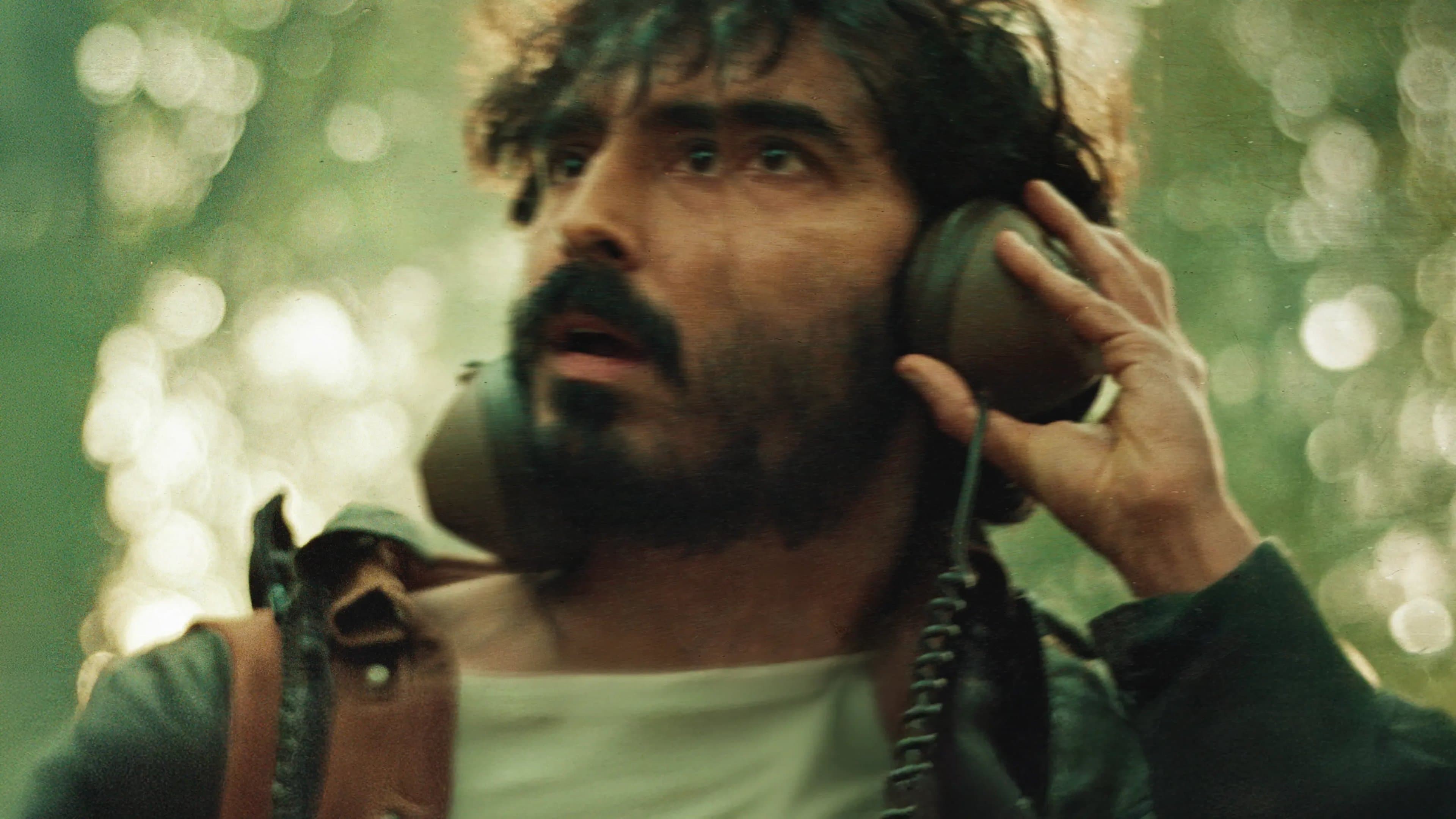
The setup is deceptively simple. Dev Patel plays Darcy Davenport, a musician, and Rosy McEwen is Daphne, his wife. They have retreated from the world to a secluded property in Wales, the kind of place where the quiet is supposed to be conducive to work. Darcy composes. Daphne records. The two of them treat the remote house as a studio and a sanctuary at once, and for a while that is exactly what it is. "Rabbit Trap" takes its time establishing the rhythm of their days - the hum of equipment, the repetition of takes, the small domestic rituals of a couple who have chosen isolation over everything else.
Then the music starts to do something it shouldn't.
Chainey, working in his feature debut, treats sound as the film's true antagonist. The couple's recordings, we come to understand, disturb a strain of ancient folk magic embedded in the landscape around them. This is not the sort of horror that announces itself with slammed doors. It arrives instead as an absence - a note missing from a melody, a silence where there should be breath. And it arrives, eventually, as a child.
Jade Croot plays the figure credited simply as The Child, a nameless presence who turns up at the couple's door and begins the slow, patient work of infiltrating their lives. The performance is the film's most unnerving asset, in part because Croot plays the role with almost no theatricality. This is not a demonic moppet shrieking curses. It is a child who watches, who waits, who seems to understand the house and its rules better than the adults who live there. Nicholas Sampson rounds out the cast as The Shadow, a figure whose function is best left discovered rather than described.
At 88 minutes, "Rabbit Trap" is lean in a way that has divided audiences since its release. The TMDb rating sits at 5.607 out of 10, a number that reflects genuine disagreement rather than indifference - some viewers found the film's restraint masterful, others wished it had shown more of its hand. What nobody seems to dispute is that Chainey has made something with a distinct identity. The genres attached to it - thriller, horror, mystery, fantasy - are all accurate and all insufficient. The film slides between them the way its sound design slides between diegetic music and something that may not be music at all.
For Patel, the role of Darcy represents a sharp turn from the larger-scale work that made him a household name. Here he is playing a man whose creative process becomes a kind of trespass, and he carries the part with a quietness that lets McEwen's Daphne do much of the film's emotional heavy lifting. McEwen, who has built a reputation onstage and in British independent cinema, gives Daphne a wariness that curdles gradually into something closer to recognition. She seems to know, before Darcy does, that the house was never empty.
What makes "Rabbit Trap" worth discussing a year after release is its refusal to explain itself. Folk magic in cinema usually comes with a rulebook - the salt line, the true name, the thing you must never say after dark. Chainey offers no such comfort. The magic here is ambient and untranslatable, bound up in the land and in the act of making art on top of it. The film's suggestion, delivered with a straight face, is that some places do not want to be recorded.
Whether that idea lands will depend entirely on the viewer's tolerance for ambiguity. "Rabbit Trap" does not build toward a confrontation so much as a submission, and its final passages are more interested in the aftermath of intrusion than in the mechanics of it. That approach has made the film a favorite of festival crowds who like their horror with a side of interpretation, and a frustration to those who prefer their monsters with a clearer address.
It remains, in any case, one of the more singular Hollywood releases of the past year - a Wales-set, English-language debut that treats silence, sound and the stubborn memory of a landscape as material for genuine dread. The child is at the door. The tape is still running. And somewhere in the walls of that house, the music has not stopped.