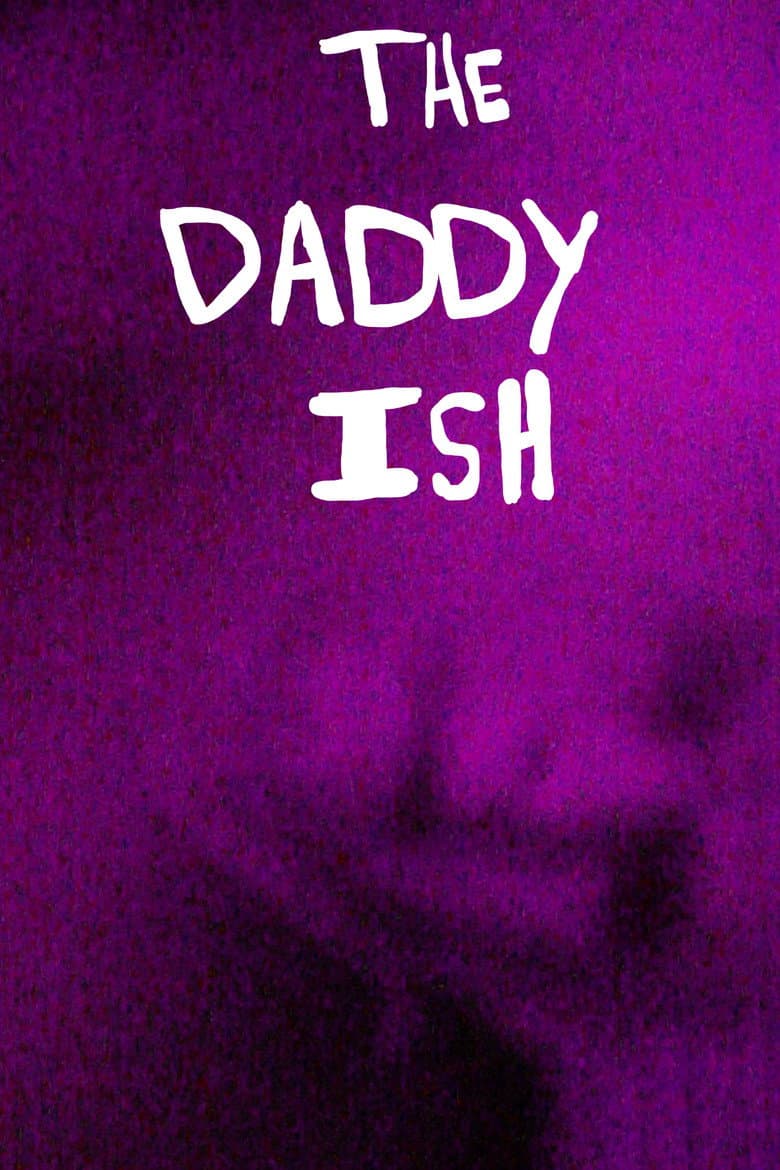
August 14th is a peculiar release date. It’s not the dead of January, when studios dump their unwanted fare, nor is it the heat of summer blockbuster season. It’s a Thursday, deep in the doldrums, which is exactly the kind of slot where a genuinely strange, three-minute horror experiment like The Daddy Ish feels most dangerous. Today, director Adrian James unspools his tightly wound little nightmare for the world, and if you have any appetite for the uncanny, you’d be wise to clear three minutes of your day. This is not a film that will let you off the hook easily.
Release Date & Where to Watch
The Daddy Ish arrives today, August 14, 2026, with a runtime that respects your schedule - three minutes, no more, no less. As an experimental short, it won't be commanding a multi-screen theatrical rollout. Instead, look for it on the festival circuit, where it’s likely to burrow into the programming of genre showcases and avant-garde showcases alike. Given its micro-length and independent pedigree, expect a digital release shortly thereafter, likely on VOD platforms like Vimeo on Demand or as part of a curated horror short compilation. The smart play for most viewers will be to catch it at a festival with a Q&A; three minutes is short enough that you’ll want the director’s context immediately after, if only to catch your breath. No word yet on a streaming exclusive deal, but with a title this sticky and a runtime this digestible, it’s a perfect candidate for a Shudder or Screambox acquisition. For now, your best bet is to monitor US Film News’ daily listings for festival announcements.
Cast & Crew
Adrian James wears two hats here, directing and pulling double duty as an actor, playing Driver. That duality is fitting for a film about fractured identity and paternal anxiety. James’s direction is reportedly meticulous, using the scant runtime to build a claustrophobic atmosphere that belies its brevity. Leading the cast is Lucca Daughdrill as The Young Man, the film’s emotional center. Daughdrill has the unenviable task of carrying a horror premise without any feature-length buildup, and early whispers suggest he delivers a performance of jittery, escalating dread. He shares the screen with Julien Daughdrill, credited as The Father? - note the question mark, which is not a typo but a deliberate ambiguity baked into the film’s DNA. Is that a question of identity, of memory, or of reality? The uncertainty is the point.
Rounding out the trio is Zachary Nash as Drinker, a minor but pivotal presence - often in these micro-shorts, the peripheral figure is the one who grounds the horror in a mundane social setting, making the surreal intrusion all the more jarring. The on-screen chemistry between the Daughdrill pair, real-life relatives, adds a layer of authenticity to the father-son dynamic that can’t be faked. That familial subtext gives the film a queasy, intimate weight. There’s no denying the project is a micro-budget labor of love, aiming for a gut-punch rather than a sprawling narrative.
Story & What to Expect
The logline is deceptively simple: “An experimental short film about a young man and his father.” That’s it. No plot summary handed out, no trailer spoilers. What we know is genre - horror - and the structural ingredients. Expect a confrontation, likely in a car, given James’s role as Driver. The young man is on a journey, either physical or psychological, and he encounters a figure who may or may not be his father. The horror likely emerges from the uncanny valley of that recognition - the terror of seeing a loved one’s face and realizing something is profoundly wrong behind the eyes.
The “experimental” tag is crucial. This isn’t a jump-scare machine. James is reportedly more interested in dread, in the slow, grinding discomfort of a conversation that twists into the unreal. The three-minute constraint means every frame is economical. There’s no setup; you’re dropped into the middle of a scene that feels like the final act of a longer, lost film. Expect grainy textures, perhaps a handheld immediacy, and sound design that does more heavy lifting than dialogue. The use of an actual question mark in the cast list suggests a narrative that plays with substitution or transformation - perhaps the young man sees his father where a stranger should be, or vice versa. Do not expect a resolution that ties things up neatly. This is the kind of short that ends on an image that lingers, a single frame that recontextualizes everything you just watched.
Why It's Worth Watching
In a landscape dominated by two-hour franchise entries and overstuffed streaming series, a three-minute horror film is a radical act of restraint. The Daddy Ish forces efficiency. It doesn’t have time for exposition dumps or character development; it relies on primal fear - the fear of a parent, the fear of the familiar turning hostile. That’s a universal nerve, and James taps into it with surgical precision. The film earns its genre tag not through gore or monsters, but through psychological friction. The runtime is a challenge to the audience: can you be frightened in 180 seconds? Can a director establish a world, a relationship, and a horrifying fracture in that same span?
Watching it becomes an exercise in active engagement. You have to lean in, read the subtext, and accept that the film trusts you to piece together the horror from implication and atmosphere. The TMDb rating sits at 0/10, which is merely a placeholder for a film too new to have been voted on - do not mistake that for a critical damning. It’s a blank slate, an invitation to be the first to decide if this is a gem or a curiosity. Given the intimate casting and the willingness to be genuinely weird, this feels like a calling card for Adrian James, a filmmaker with a distinct voice who understands that terror doesn’t need a feature-length running time to seep under your skin. The Daddy Ish is a brisk, bracing slap to the senses. See it with a friend, and argue about what the ending means. You’ll be thinking about it long after the credits - all three minutes of work - have finished rolling.