Opening a film festival slate or scrolling through a fresh release calendar, you don’t often see a five-minute drama listed alongside features. But sometimes the shortest stories cut the deepest. Today, August 13, 2026, marks the quiet arrival of To Flourish, a compact, intimate meditation on grief that asks a deceptively simple question: What do you say to the person you lost, if you get one last chance? Directed by Oliver Zhang and starring Oliver Finnegan, this micro-budget passion project is less a movie and more a held breath - a fleeting, 300-second window into a moment that feels both surreal and achingly real.
Release Date & Where to Watch
To Flourish officially debuts today, August 13, 2026. This is not a wide theatrical rollout; the film is positioned as a festival-circuit and streaming piece, with its primary home expected to be VOD platforms and select curated short-film showcases. Given its abbreviated runtime, the filmmakers have wisely opted for accessibility over spectacle. You won’t find it in multiplex listings, but that’s precisely the point. This is a film meant to be discovered - likely as part of a short-film block at an indie festival or as a late-night algorithm find on a streaming service that champions emerging voices. For those eager to catch it immediately, keep an eye on major digital rental platforms and the film’s official social channels, where distribution announcements have been teased. The short-form nature also makes it an ideal companion piece for a double feature - something to watch with someone you love, followed by a long conversation.
Cast & Crew
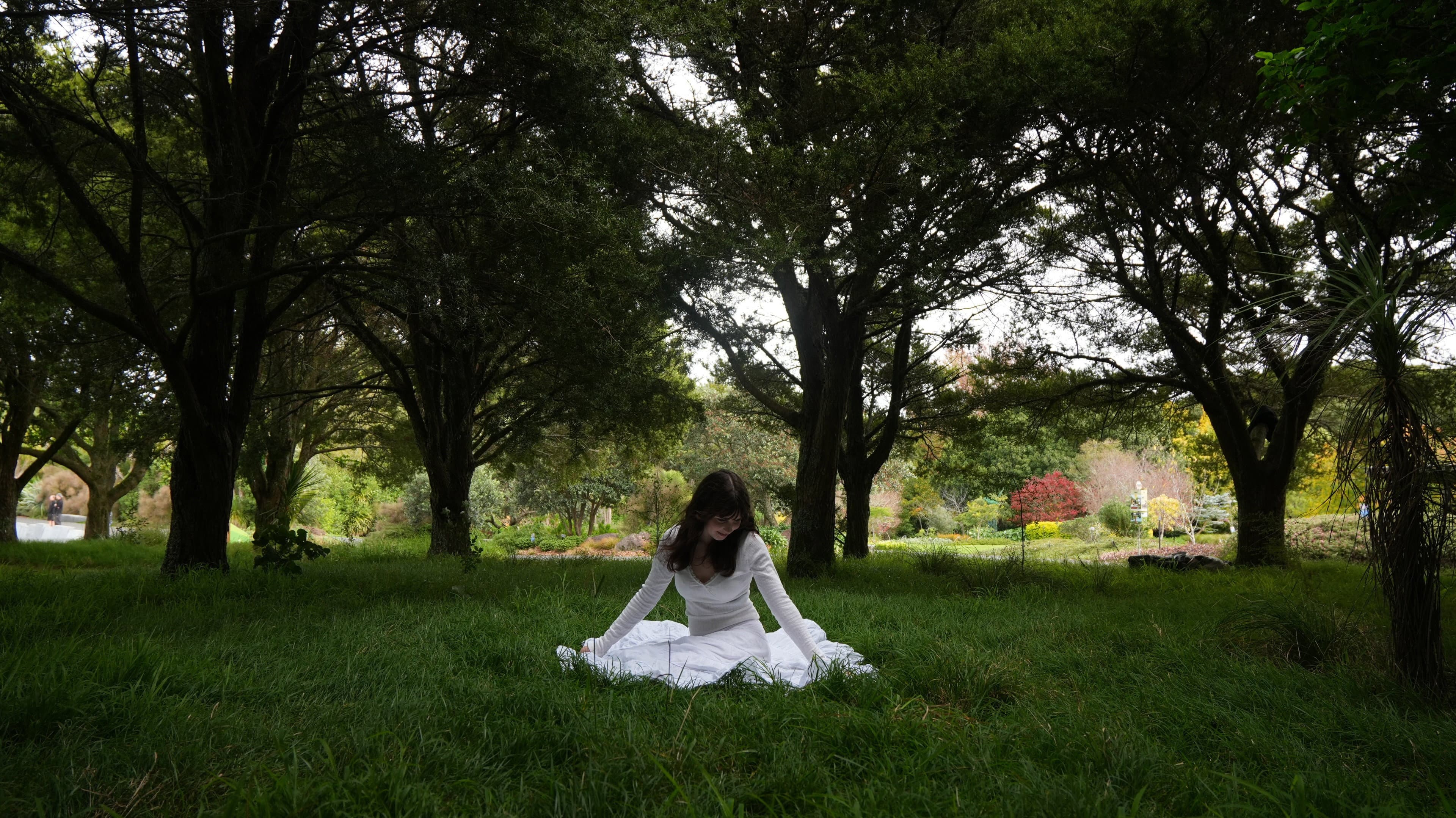
The creative team behind To Flourish is lean, but the talent is substantial. Director Oliver Zhang steps behind the camera with a clear, restrained vision for a story that could easily tip into melodrama in lesser hands. Zhang’s previous work - mostly experimental shorts and music videos - has shown a knack for visual poetry, and here he’s working with a tight, focused canvas. Leading the film is Oliver Finnegan as Josh, a young man shouldering the unbearable weight of losing his best friend. Finnegan, known for his grounded, naturalistic performances in independent theater, brings a raw, unpolished vulnerability to the role. He’s the kind of actor who understands that silence can be louder than any monologue. Opposite him is Marysia Malarczyk as Thalia, the lost friend who appears in Josh’s dream. Malarczyk, a Polish-born performer with a background in experimental film, has an ethereal yet piercing screen presence. Her Thalia isn’t a ghost or a figment - she feels like a memory given flesh, warm but already fading. The chemistry between Finnegan and Malarczyk is the film’s engine; without it, the premise would collapse. Here, it hums with a quiet, melancholic electricity.
Story & What to Expect
The premise is deceptively simple: Josh, reeling from the sudden death of his best friend Thalia, falls asleep and finds himself in a dream. There, Thalia is waiting. What follows is not a plot-driven narrative but a conversation - a final, unspoken dialogue that moves through regret, apology, and ultimately, release. There are no chase scenes, no twists, no dramatic score swells. Instead, To Flourish is built on the small gestures: the way Josh hesitates before reaching out, the careful, almost practiced tone in Thalia’s voice, the way a shared memory can feel both like a gift and a wound.
Expect a film steeped in atmosphere. Zhang’s direction leans heavily on natural light and shallow focus, pulling you into the intimacy of the moment. The dream logic allows for slight, disorienting shifts - a wall disappearing, a color bleeding into another - but these effects are subtle, never flashy. The dialogue, reportedly sparse, is weighted with subtext. This is not a film about explaining grief; it’s about embodying it. The 5-minute runtime means every line, every pause, every shift in posture carries enormous significance. There is no time for filler. The result is a tight, emotionally pressurized capsule that demands your full attention. Do not watch this with your phone in hand. It’s the kind of short film that rewards stillness.
Why It's Worth Watching
In a landscape dominated by two-hour epics and franchise installments, To Flourish is a deliberate counter-programming choice - a reminder that cinema can be as fleeting and as powerful as a single vivid dream. Its brevity is not a limitation but a strength. The film doesn’t overstay its welcome or pad its runtime with redundant scenes. It simply delivers a moment of closure, then lets you go. That’s a rare discipline.
For anyone who has lost someone, the premise will hit close to home. The fantasy of a final conversation - the chance to say the things left unsaid - is universal. What Zhang does so effectively is resist the urge to make that conversation neat or tidy. There’s no magic answer, no perfect goodbye. Instead, To Flourish offers something more realistic: the understanding that closure isn’t about resolution, but about acceptance. It’s about hearing the other person’s voice in your head and realizing they’re okay, and so are you.
Finnegan’s performance is a breakout in miniature. He carries the film’s emotional weight without ever tipping into histrionics, and Malarczyk matches him beat for beat. The two actors share a chemistry that feels pre-existing, as if they’ve known each other for years - a crucial illusion for the story to work. Given its TMDb rating of 0/10, the film is too new to have accumulated reviews. That blank slate is, in itself, an invitation. This isn’t a movie you’ve heard about from critics or hype. It’s a discovery. At five minutes, it asks for so little of your time and gives back something far more resonant. If you’re looking for a quiet, emotionally honest piece of work that understands the power of brevity, To Flourish is worth seeking out. It may just leave you thinking long after the screen fades to black.