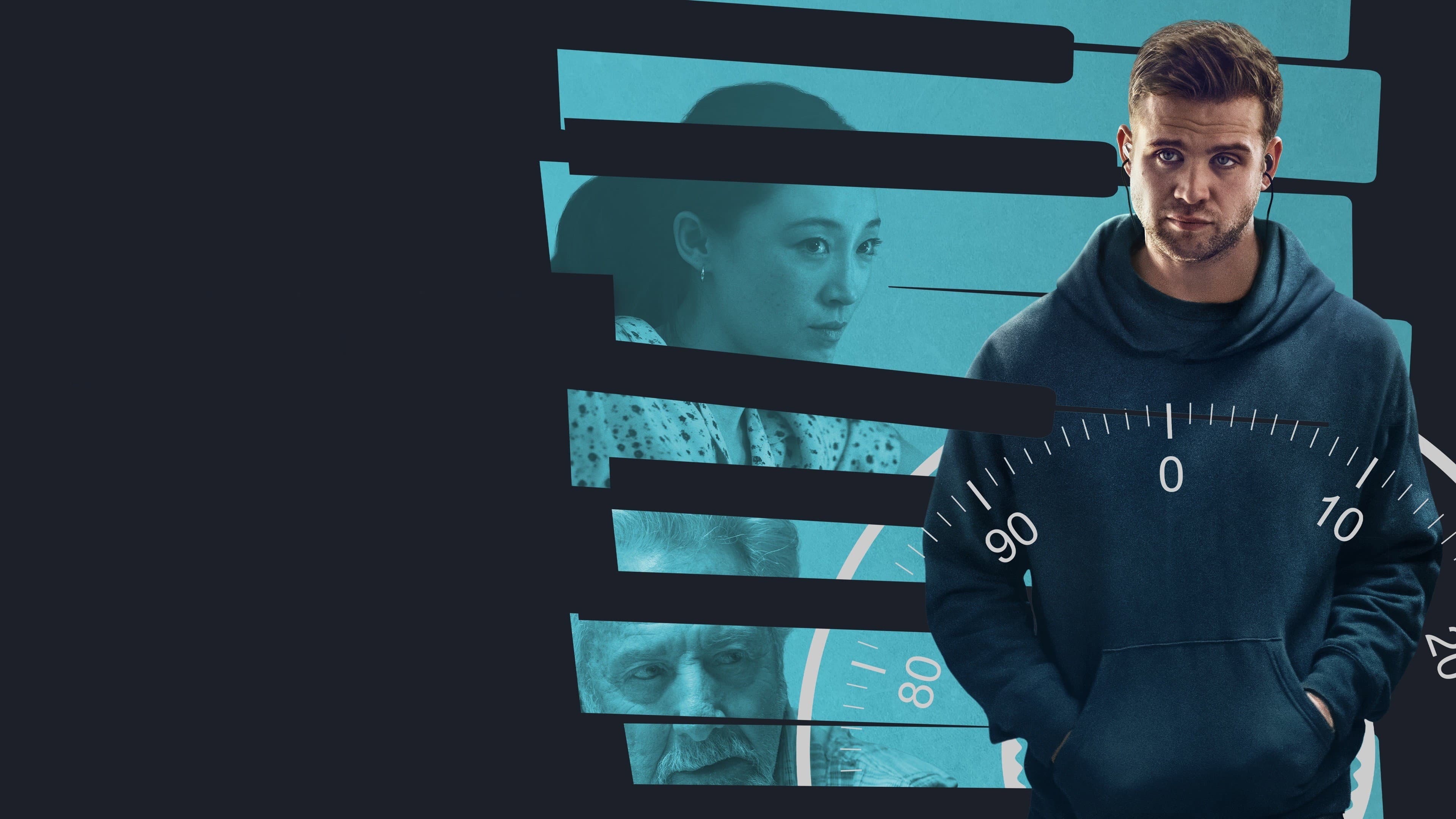
The greenhouse is supposed to be a sanctuary. In Michiel Rensen’s “After Impact,” it becomes something closer to a gilded cage - a vast, glass-walled inheritance that offers Ethan Nichols everything except the one thing he needs. Following the death of his father, Ethan takes possession of one of the largest greenhouses in the country. It is a monument to growth and patience, a family legacy measured in acres of cultivated light. And it arrives at precisely the wrong moment in human history.
An asteroid is coming. Rensen, who directs and stars as Ethan, establishes the approaching threat not with bombast but with a slow, creeping dread. Society begins to fray at the edges long before the sky changes. What interests the filmmaker is not the impact itself but the corrosion that precedes it - the way people behave when they suspect the clock is running out. Ethan finds himself navigating personal betrayal and a loneliness so profound it becomes a character in its own right. He is surrounded by people, yet utterly alone, a man inheriting a kingdom of glass while the world outside prepares to shatter.
The film, releasing September 15, 2026, arrives as a science fiction drama with thriller undertones, running a lean 95 minutes. That brevity is intentional. Rensen keeps the camera close to Ethan, favoring intimate unease over spectacle. The greenhouse, with its fragile panes and controlled climate, becomes a potent metaphor for a man trying to maintain order while everything beyond the walls descends into chaos. His growing fear is not of the asteroid but of what survival might cost him - the suspicion that the person who emerges from a bunker may no longer resemble the person who entered it.
The supporting cast mirrors the fragmentation of the world outside. Maxie Li appears as Jessie, Riki Antonievich as Jack, and Will Clague as Connor, while Stephanie Ramlose and Lee-Ann Dirks round out the ensemble as Elle and Sophie. James Crompton turns up as a Religious Member, a presence that suggests how belief systems bend and harden under apocalyptic pressure. Moehau Hodges-Tai plays Desmond, and together the group forms the human terrain Ethan must cross - some allies, some obstacles, all of them uncertain. The original English-language Hollywood production leans on these performances to ground its speculative premise in recognizable emotional truth.
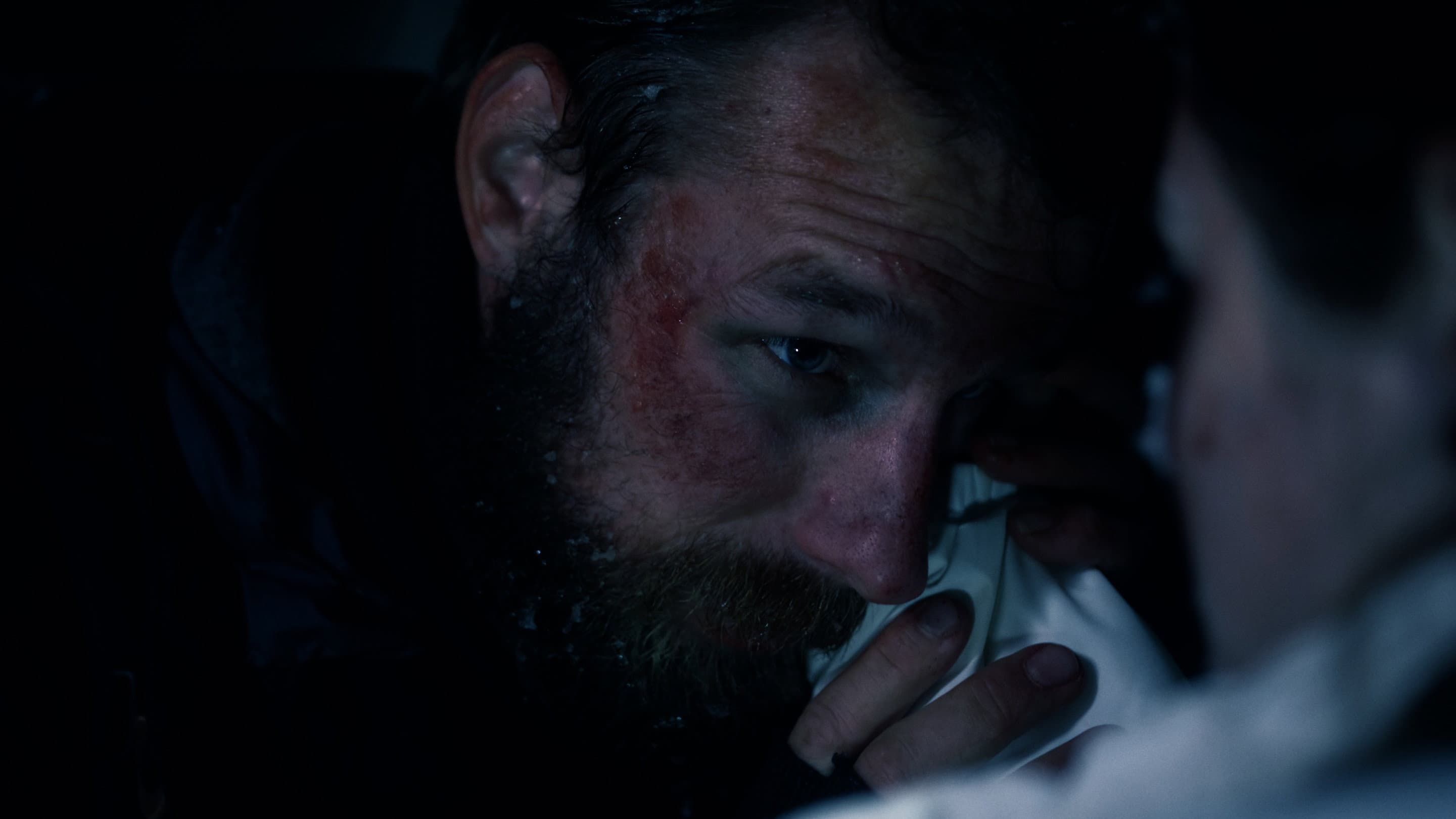
When Ethan retreats to his family’s bunker, the film shifts registers. The aftermath of the impact is rendered through physical injury and emotional despair rather than large-scale destruction. Rensen shows us the harsh, unglamorous texture of endurance - the ache of a wounded body, the weight of silence, the slow erosion of hope. It is here that “After Impact” makes its most distinctive choice. Rather than escalating outward into a survivalist action picture, it turns inward, treating isolation itself as the antagonist.
Then comes the crackle. A faint voice over the radio. In that static-laced moment, Ethan discovers he is not as alone as he believed. It is a small narrative turn - one voice, one signal - but it recalibrates everything that came before. The film’s thesis emerges: survival is not merely physical, and humanity is not preserved in bunkers but in connection. Whether that connection proves trustworthy is another question entirely, and one the film leaves deliberately unresolved.
“After Impact” enters a crowded field of end-of-the-world storytelling, but its focus on legacy, inheritance, and the quiet betrayals that accompany catastrophe distinguishes it. The greenhouse - a place designed to nurture life - becomes a stage for testing whether Ethan can nurture anything in himself. Rensen’s dual role as director and lead suggests a personal investment in the material, and the film’s modest runtime promises a tight, deliberate study rather than an expansive epic.
As the release approaches, “After Impact” stands as a chamber piece dressed in science fiction clothing, asking what a man does with an inheritance no one wants and a future no one can predict. The asteroid is coming. The question the film poses is what remains of us when it has passed.