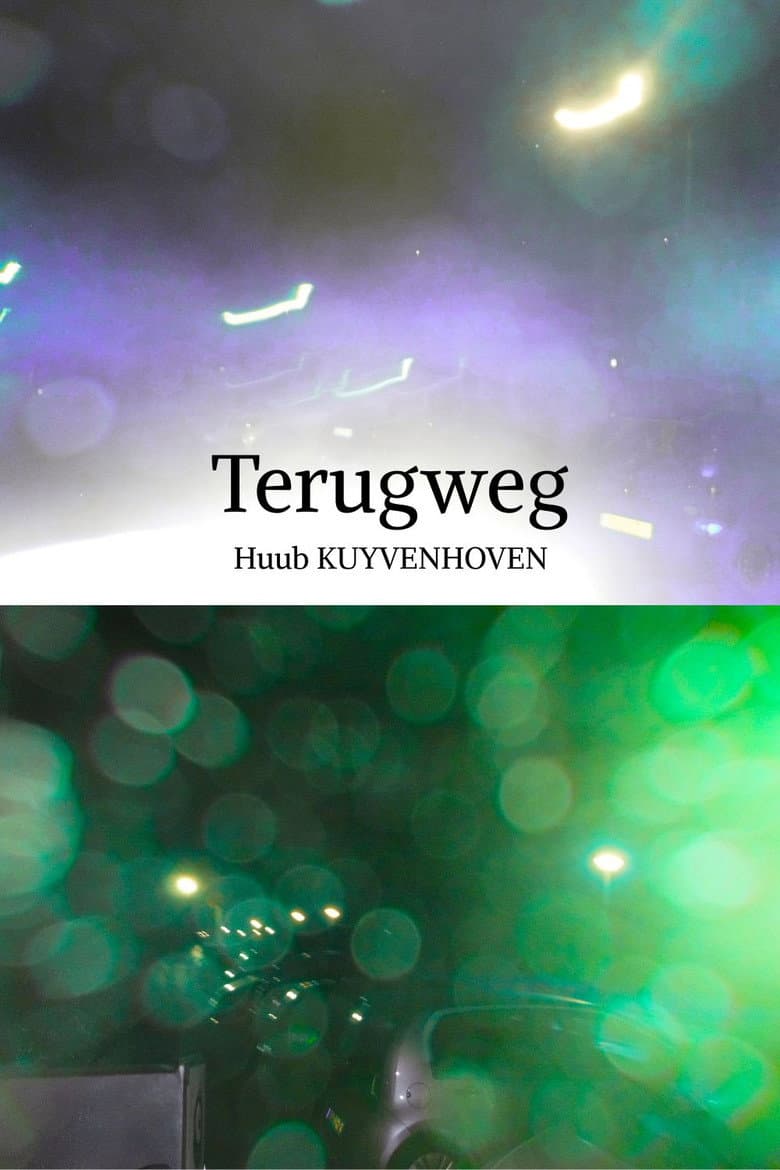
Horror has always thrived on the small, private terrors we rarely say out loud, and few are as quietly universal as the walk home after a night that has gone on too long. On October 15, 2026, USA Film News readers get a case study in that exact dread: Back home, a three-minute Hollywood nightmare from director Huub Kuyvenhoven, arrives today with a premise so simple it practically dares you to dismiss it - the experience of going home drunk, realising you’re sobering up, getting ready to sleep alone.
Clocking in at three minutes, this is not a film that wastes time. It barely has any to waste. Yet in that tiny window, Kuyvenhoven appears to be reaching for something that most full-length horror films never quite touch: the horror of clarity. Because that’s what sobering up really is, isn’t it? The fog lifts, and whatever you were running from is still standing exactly where you left it. The joke stops being funny. The music in your head fades. And the bed - that ordinary, everyday bed - waits for you like a witness.
That this is being sold, unapologetically, as horror tells you everything about the tone. No romance, no comedy of errors, no warm nostalgia for bad decisions. Just genre. Just dread. The logline reads like a diary entry, and those are often the scariest kinds of screenplays.
Release Date & Where to Watch
Back home releases today, October 15, 2026, in the United States. Given its three-minute runtime and its distinctly independent, director-driven profile, expect a limited theatrical or festival-adjacent rollout rather than a wide multiplex push; short-form horror of this kind typically finds its audience through curated screenings, genre platforms, and streaming placements, and this one is no exception. American audiences should keep an eye on specialty horror outlets and short-film showcases over the coming weeks. For a film whose entire runtime is shorter than a sitcom cold open, the real question isn’t where you watch it - it’s whether you watch it alone, at night, after a drink or two. Consider yourself warned.
Cast & Crew
Here is where Back home gets genuinely strange, and genuinely interesting. The official cast list reads as follows: Huub Kuyvenhoven as camera. Huub Kuyvenhoven as street lights. Huub Kuyvenhoven as cut. Huub Kuyvenhoven as drone. Yes, the director is also, apparently, everything else - the eye, the light, the edit, the machine in the sky. Kuyvenhoven, who directs, is credited with no traditional performers. There is no face to latch onto, no name actor to carry the emotional weight. The film’s cast is its apparatus: a camera, the street lights that pass overhead on the walk home, the cut itself, and a drone.
It’s a fascinating creative decision, and a deliberate one. Horror built around the drunken journey home is inherently first-person; the street lights are practically characters anyway, each one a blink of consciousness, a step closer to your door. By crediting them as cast, Kuyvenhoven signals that this film is about perception as much as plot. Dutch in origin by way of its director and produced within the Hollywood industry, it’s an English-language work through and through.
Story & What to Expect
Expect no dialogue-driven exposition. Expect no comforting explanations. Back home follows a single, deteriorating situation: the journey home under the influence, the slow, unwelcome return of lucidity, and the final, inevitable act of preparing to sleep alone. That’s the whole arc. It’s a three-minute capsule of a feeling most adults know intimately - the moment the night stops holding you up and you have to hold yourself up instead.
In a feature, this would be a scene. Here, it’s the entire film, which means every second carries weight. The drone credit hints at scale: the camera may lift away from the walker to show how small they are against the sleeping city, a classic isolation tactic, and a brutally effective one in a story about being alone. The street lights serve as a metronome. The cut is the enemy - the thing that takes you abruptly from one state to the next, the way an edit takes you from one shot to another, the way sobriety snaps you back into your body without asking permission.
As for the horror itself, don’t expect a monster. Expect recognition. By stripping away plot and performers, Kuyvenhoven seems to be aiming for the genre’s most primal function: making the ordinary feel unbearable. The bed. The door. The quiet. Three minutes is long enough to ruin a walk home forever.
Why It's Worth Watching
The rating currently sits at 0/10, but with a film this new and this unconventional, that number means almost nothing - short-form, festival-circuit horror frequently arrives with scant ratings before audiences catch up. What matters more is the premise of the exercise. Back home is a formal experiment disguised as a horror short: a film that credits street lights and cuts as cast members, that hands its runtime over to a single interior experience, and that trusts the audience to bring their own worst nights along with them.
It’s worth watching because it’s short enough to watch twice in one sitting, and because horror this stripped-down either works on you or it doesn’t - and you’ll know within ninety seconds. Kuyvenhoven is doing something that ambitious young genre filmmakers should study: removing everything you can hide behind. No cast to charm you. No dialogue to distract you. No budget to dazzle you. Just a camera, some lights, a cut, a drone, and the long, sobering walk to your own front door. If that doesn’t frighten you, you’ve never had one.