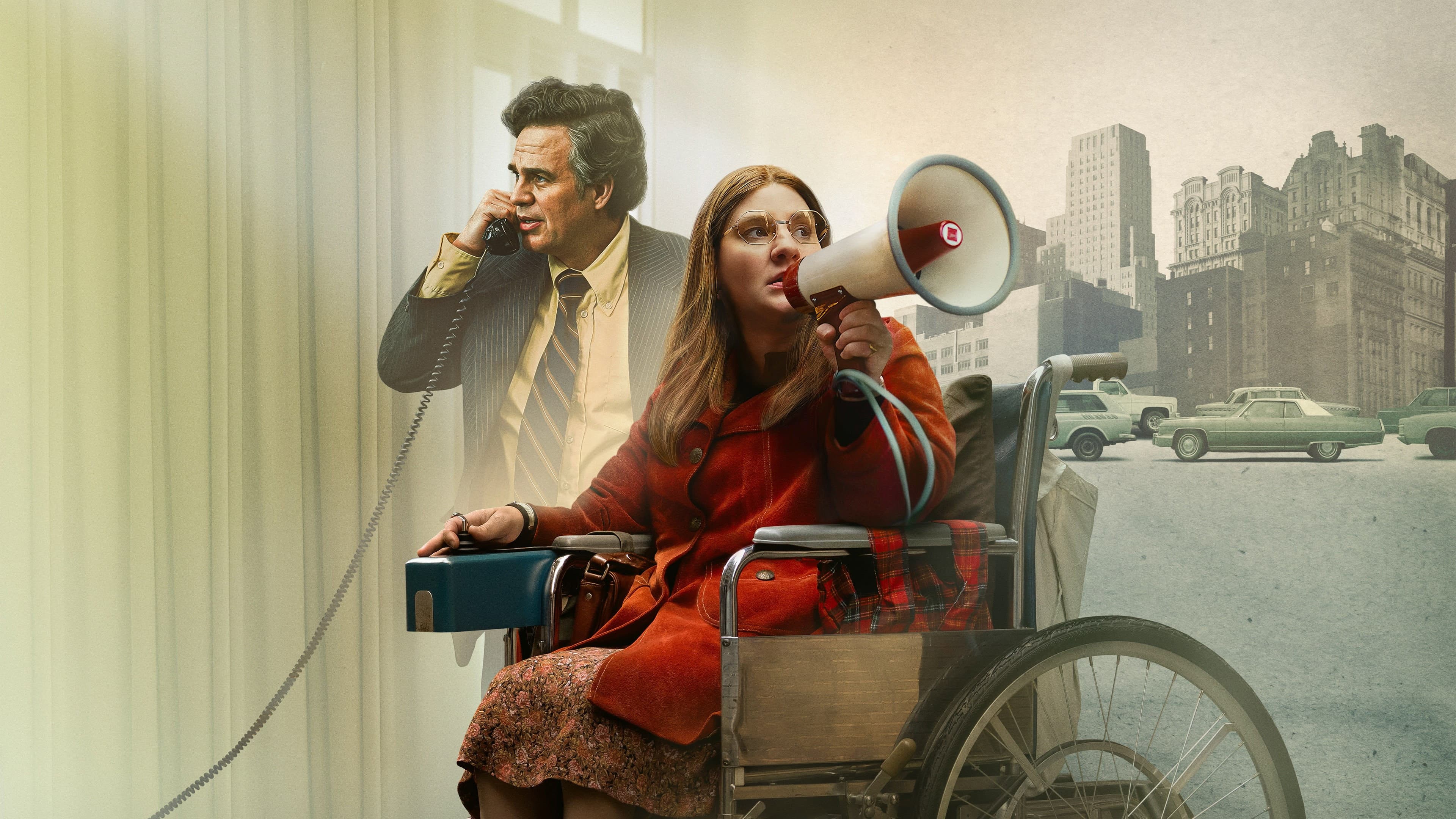
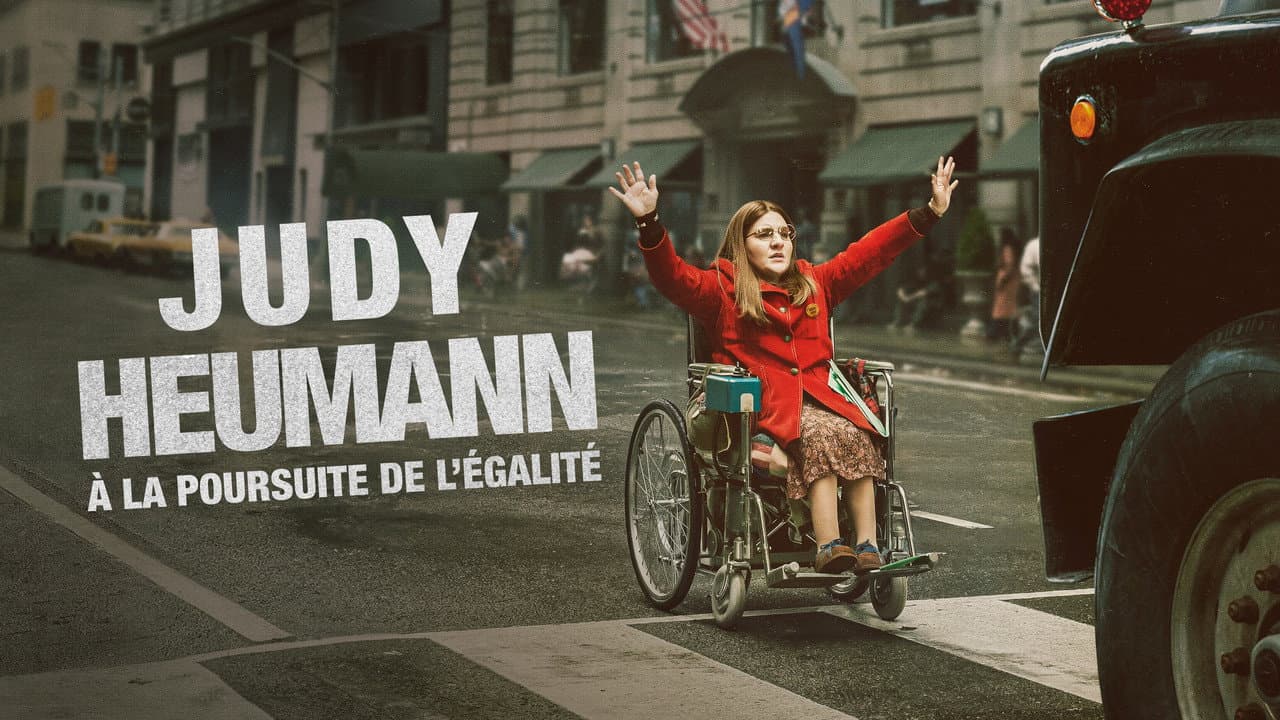
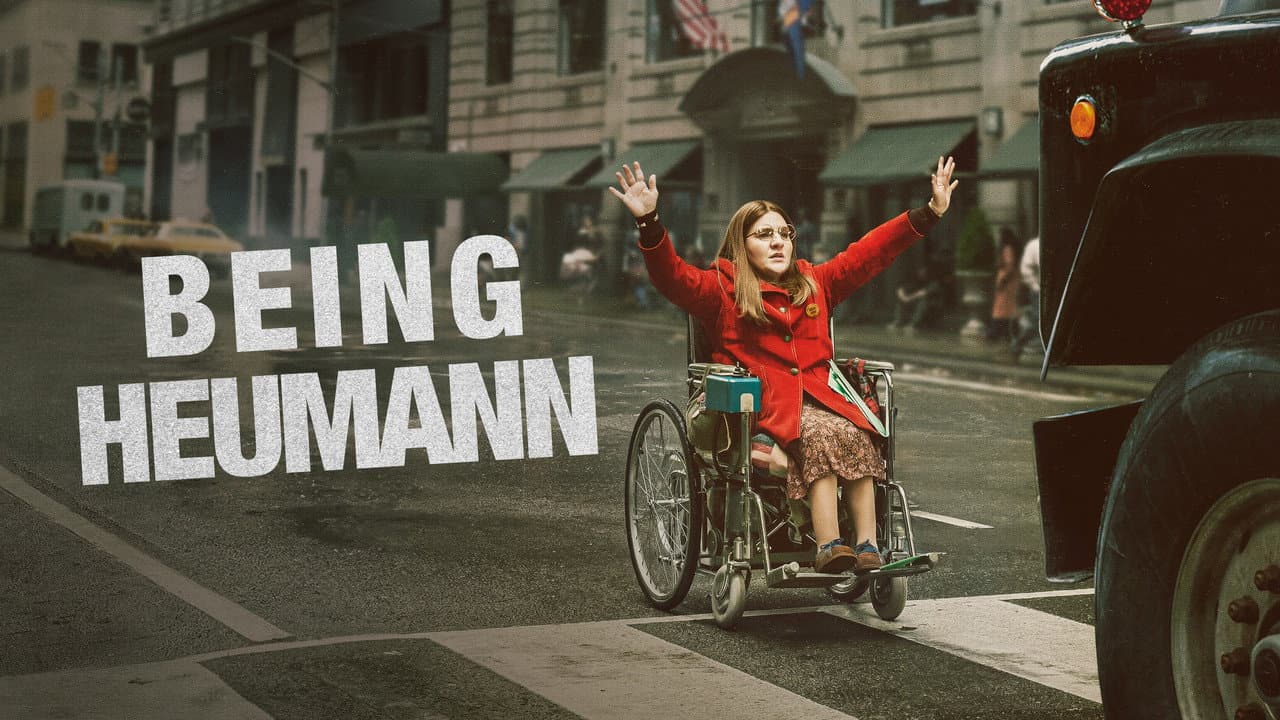
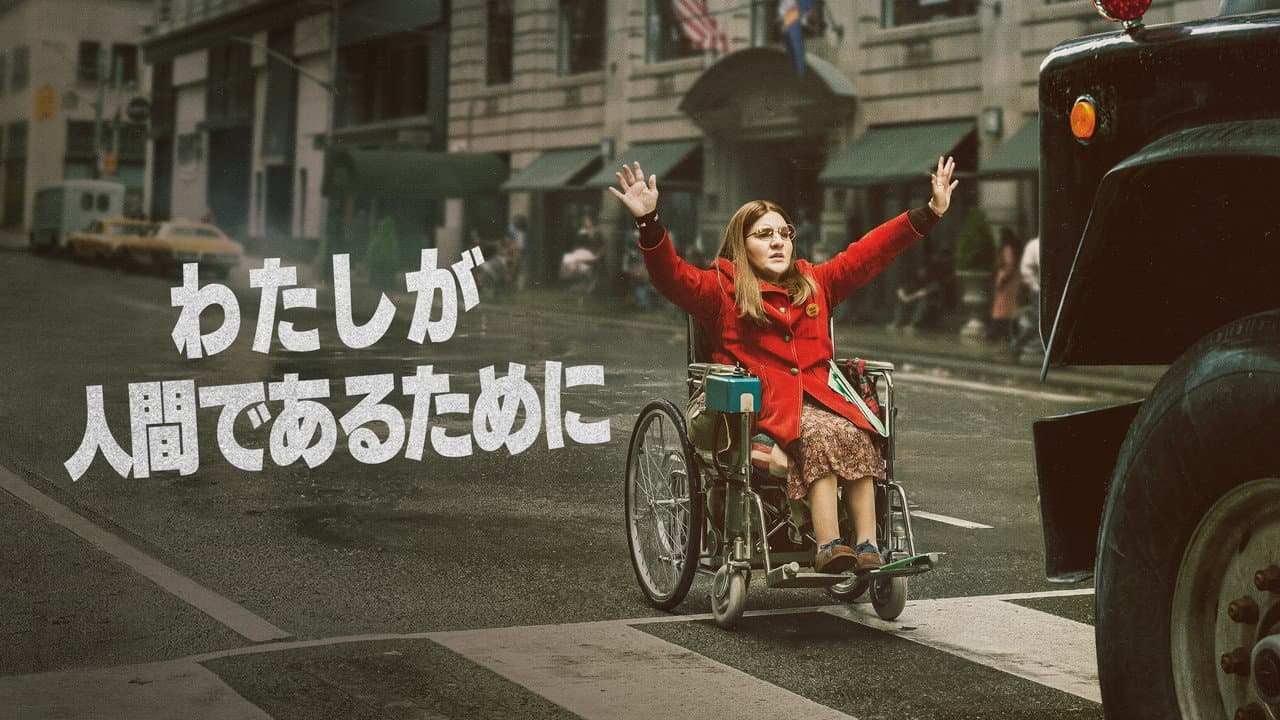
The image that opens Being Heumann is not one of triumph. It is a woman in a wheelchair, parked in a hallway, waiting. Waiting for someone to decide whether she is allowed through a door. Waiting, as Judy Heumann puts it, to be treated like a person. It is 1977, and the waiting has gone on long enough.
Directed by Sian Heder, who won an Academy Award for CODA, the film dramatizes the weeks when Heumann and more than 100 disability rights protesters occupied federal buildings across the country, demanding that the government finally sign the regulations enforcing Section 504 of the Rehabilitation Act. The law had been on the books for years. The signature had not come. So they took over offices in San Francisco and elsewhere and settled in, refusing to leave until someone with authority put pen to paper.
Heder has never been interested in saints, and Being Heumann benefits from that instinct. Ruth Madeley plays Heumann not as a monument but as a force of nature with a sharp tongue and a shorter fuse. The film's tagline insists she is "done being treated like a burden," and Madeley's performance carries that fatigue in her posture, in the way she cuts off condescension before it finishes forming. This is a woman who has been underestimated her entire life and has turned the experience into tactics.
The supporting cast reads like a who's who of the movement, and the film takes care to show that this was never one person's story. Madeline Delp brings a weathered steeliness to Kitty Cone, the organizer whose logistical mind kept the occupation running. Antwan Tolliver plays Brad Lomax, whose ties to the Black Panthers helped bring outside support and supplies to the protesters, a reminder that cross-movement solidarity was not a slogan but a survival strategy. Roberta Colindrez, Jon Beavers, and Ray Fisher round out the core group as organizers who argue about strategy, burn out, and keep showing up anyway.
Then there is Mark Ruffalo, cast against type as Joseph Califano, the Health, Education, and Welfare secretary who sat on the regulations while the protests grew. Ruffalo plays him not as a villain but as a bureaucrat who mistakes delay for prudence, a man genuinely puzzled that anyone would camp in his building over paperwork. The film's smartest choice is refusing to make him a monster. The point is that the system did not need a monster. It only needed someone comfortable with waiting.
Dylan O'Brien turns up as Evan White, a character who threads through the occupation's tense middle stretch, part ally, part outsider, giving the film a pair of eyes through which to watch the coalition hold and strain.
At 127 minutes, the film spends real time inside the buildings. Heder stages the occupation like a siege comedy that keeps threatening to become something else, with food runs turned away, phone lines cut, and the slow grind of people discovering how much they can endure when the alternative is going home. There is a sequence late in the second act - no spoilers - where a single signature is dangled, then withheld, and the collective exhale that follows is as tense as any thriller. The film understands that the most radical act in this story is patience in the service of pressure.
Being Heumann arrives in theaters on November 6, 2026, from Hollywood, with a TMDb rating that currently sits at 7.1 out of 10. It is a history lesson that refuses to feel like one, largely because Heder keeps the camera close and the stakes personal. The protests changed federal policy. The film's argument is that policy changed because people who had been told to wait refused to wait any longer.
The closing scenes return to doorways. Judy passes through them now, of course, but the film does not linger on the symbolism. It shows her looking past the door to the next one, and the next. The waiting is over. The work is not.